BabhanBhumihar.com

Princely States & Estates

The Bhumihar community's transition to land ownership and martial traditions culminated in the establishment of several powerful zamindari estates and principalities, particularly during the medieval and British colonial periods. These estates played a crucial role in the regional administration, military, and cultural patronage of Bihar and Eastern UP.

Bhumihars have traditionally been the largest zamindar caste of Bihar. The 1901 Census counted 94,286 total zamindars, among whom 35,841 were Bhumihars, making them the biggest landowning group, larger than Brahmins (19,670) and Rajputs (23,121). Francis Buchanan, the British Surveyor observed, that most maliks of Gaya were Bhumihars who appear to have been land proprietors even before the Muhammadan conquest. A British administrative report from 1901 further states that nearly all the big zamindars of Bihar, such as the estates of Bettiah, Hathuwa, Tikari, Sheohar, Narhan and Madhuban, were Bhumihars.

And all of this, when they were only 2.8% of Bihar and even lesser in eastern Uttar Pradesh, where their Benares Princely State was the only Princely State present in the entire stretch of Central UP to present day Bihar.


Prominent Dynasties

This section is for detailing the major Bhumihar dynasties. You can add more as needed:

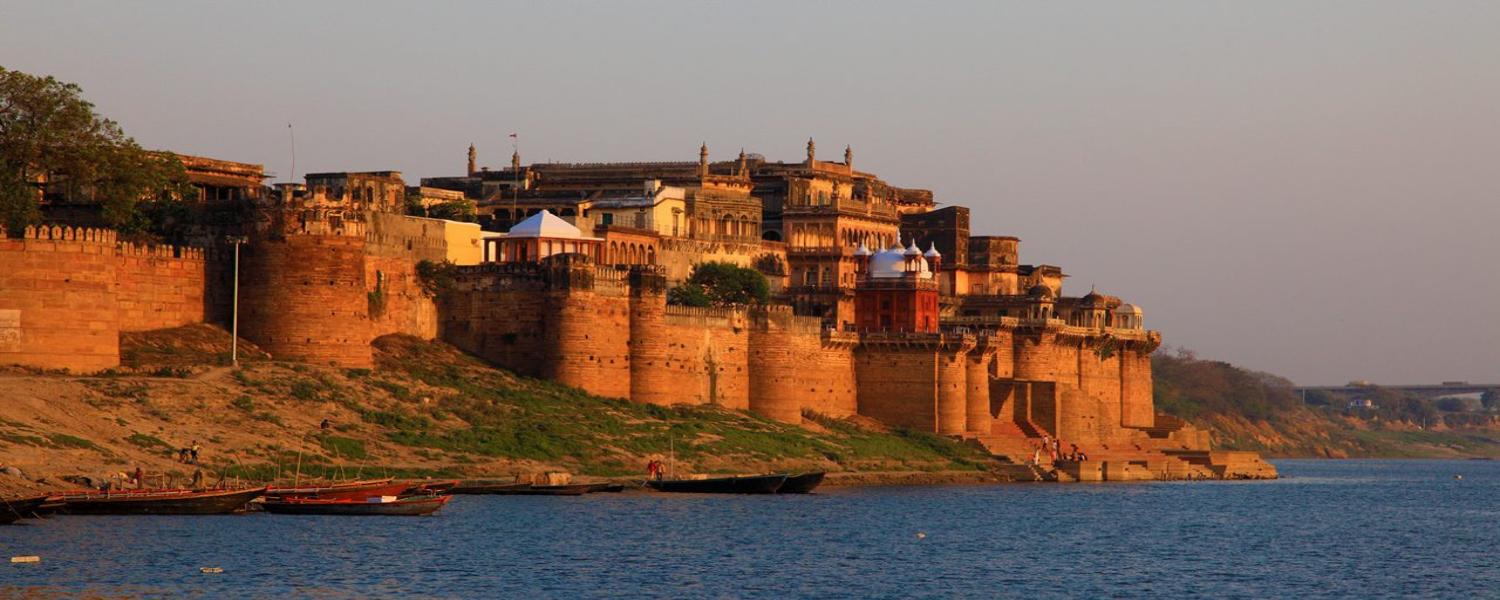
  • State of Benares: The premier Bhumihar state, ruled by the Narayan dynasty. It became a fully fledged Princely State in 1911. Rulers like Maharaja Balwant Singh and Maharaja Prabhu Narayan Singh were renowned for their administration and major contributions to education, including the founding of BHU.
  • The Tekari Raj: A major estate in Gaya, spanning over 2,000 villages. Famous rulers like Maharaja Mitrajit Singh were known for their scholarship and alliance with the British. The family made significant contributions to public works, including establishing hospitals and schools in Patna and Gaya.
  • The Bettiah Raj: One of the oldest and largest estates in Bihar, dating back to the 17th century. Maharaja Harendra Kishore Singh was a key figure who promoted Western education and cultural development. The estate was a major patron of the arts and religious institutions.
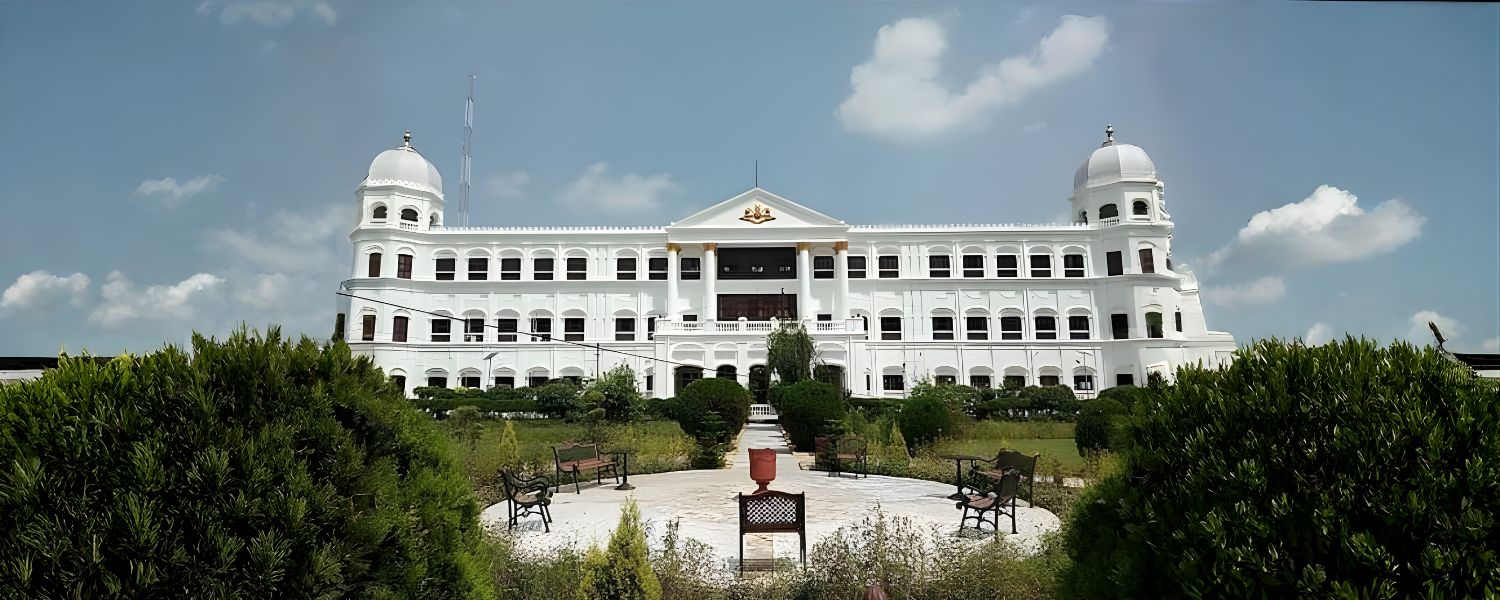
  • The Hathwa Raj: Ruled by the Baghochia dynasty for over 100 generations, this estate in Saran district was known for its "Golden Age" under Maharaja Krishna Pratap Sahi. They built impressive palaces and educational institutions like the Hathwa Eden School.
  • The Narhan Estate: Held by the Dronwar clan, this estate in North Bihar played a vital role in the region's socio-political landscape. Its rulers were known for their administrative capabilities and support for social reforms.
  • The Sheohar Raj: A prominent offshoot of the Bettiah Raj, ruling the Muzaffarpur region. Raja Deo Nandan Singh was celebrated for his benevolence, notably waiving taxes and providing relief during famines.
Map of prominent Bhumihar kingdoms and estates

Notable Figures

This area can feature individual stories and contributions of specific rulers, such as Raja Ugrat Singh of Tekari or other key figures known for their valor, administration, or patronage of religion and learning. Their biographies would illustrate the community's role as warrior-administrators.

Bulwuntnamah

Balwant Singh was a notable figure whose influence was felt across the region. He is remembered for his strategic acumen and leadership during a complex period of history.

Explore the life of Maharaj Balwant Singh of Benaras through this brief biography from the Bulwuntnamah. This historical text was written by Maulvi Khair-Ud-Din and commissioned by Governor General John Shore. Slide through the pages below to begin.

Balwant Singh 1
Placeholder Image 2
Placeholder Image 3
Placeholder Image 4
Placeholder Image 5
Placeholder Image 6
Placeholder Image 7
Placeholder Image 8
Placeholder Image 9
Placeholder Image 10
Placeholder Image 11

References

ID Book/Article Author Year Snippet
[1] Lorem Ipsum