Ranvir Sena
A private militia in Bihar, nightmare for Commies !
Ranvir Sena
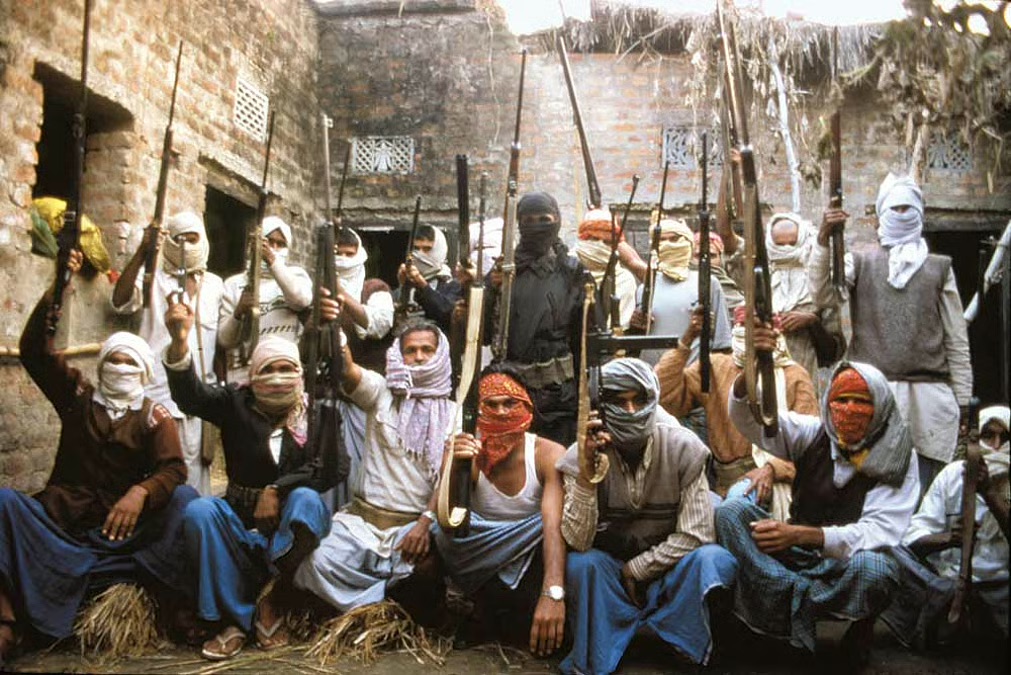
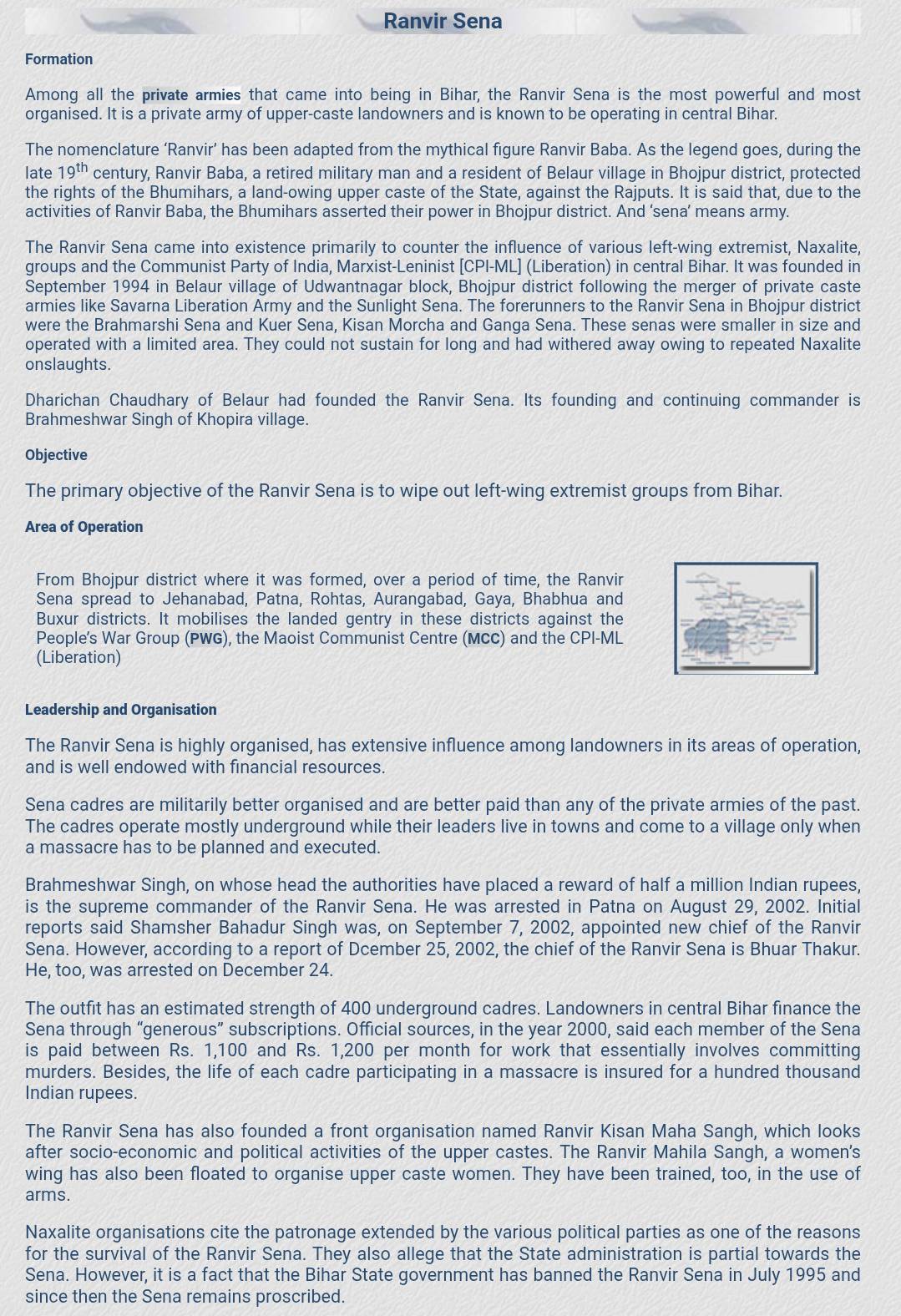
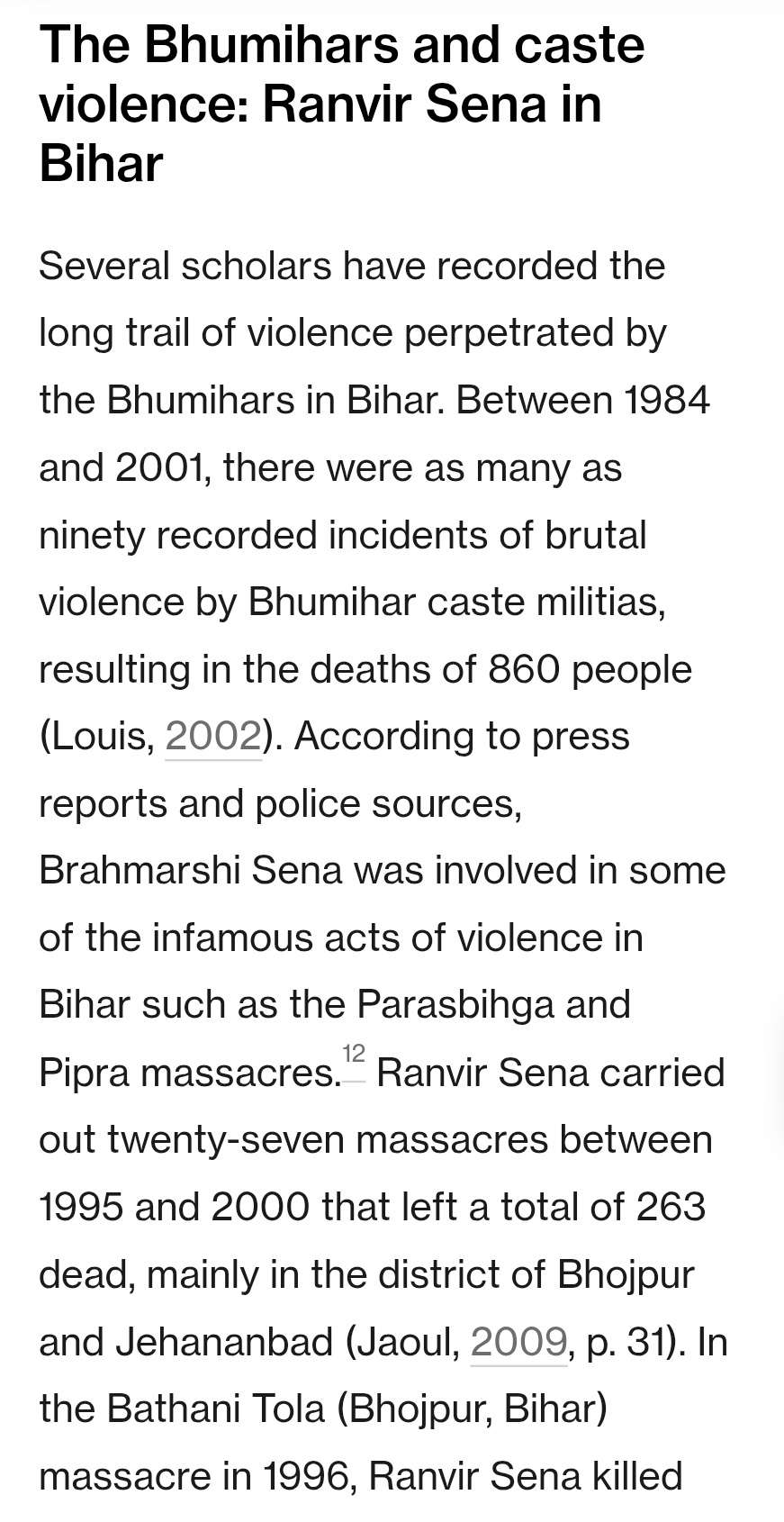
The Ranvir Sena was an upper-caste landlord militia primarily based in Bihar, active from 1994 to the early 2000s. It was formed by Bhumihar landlords to counter the influence of Naxalite groups and protect their socio-economic interests during a period of intense agrarian conflict.
Casualities
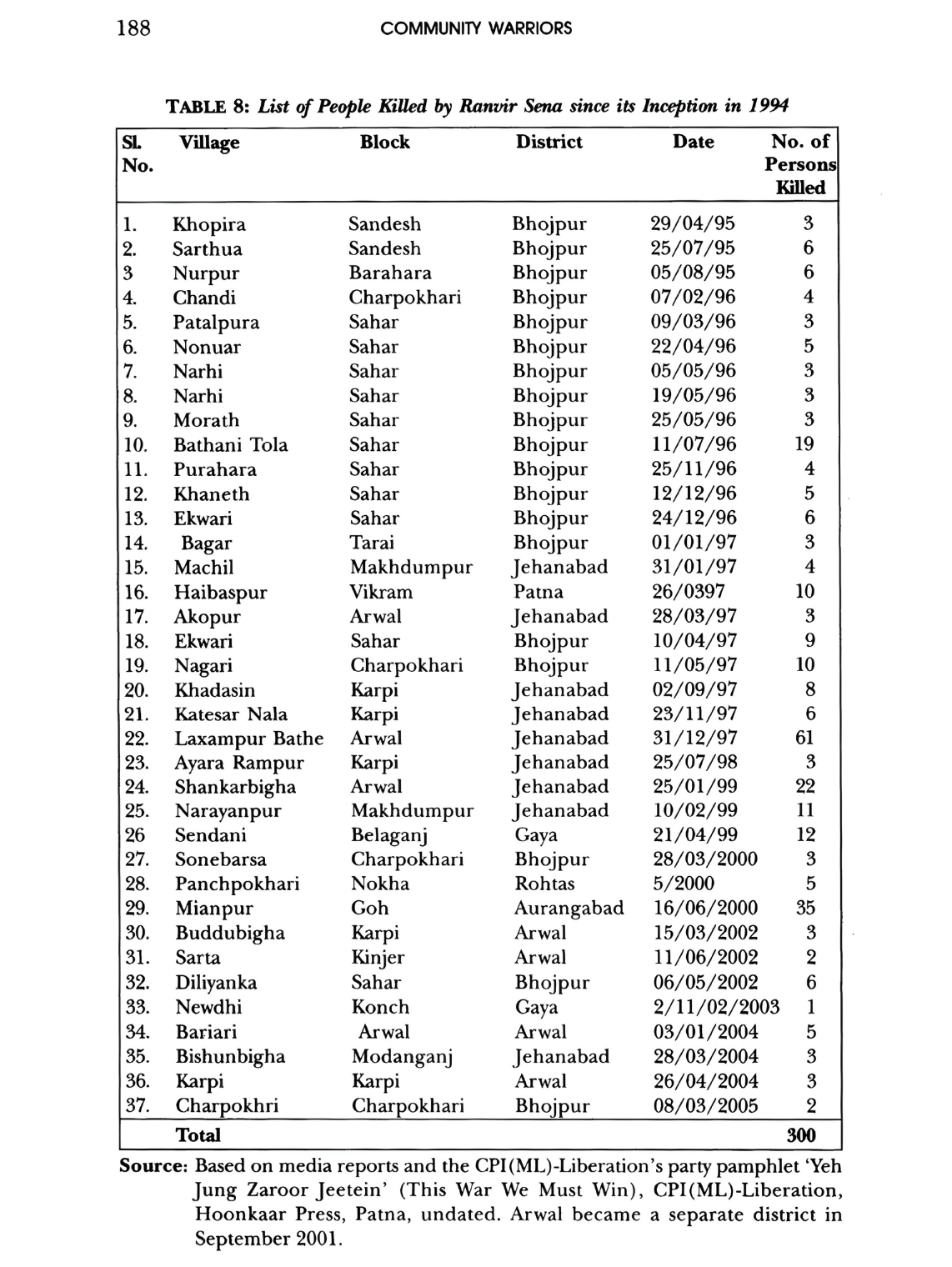
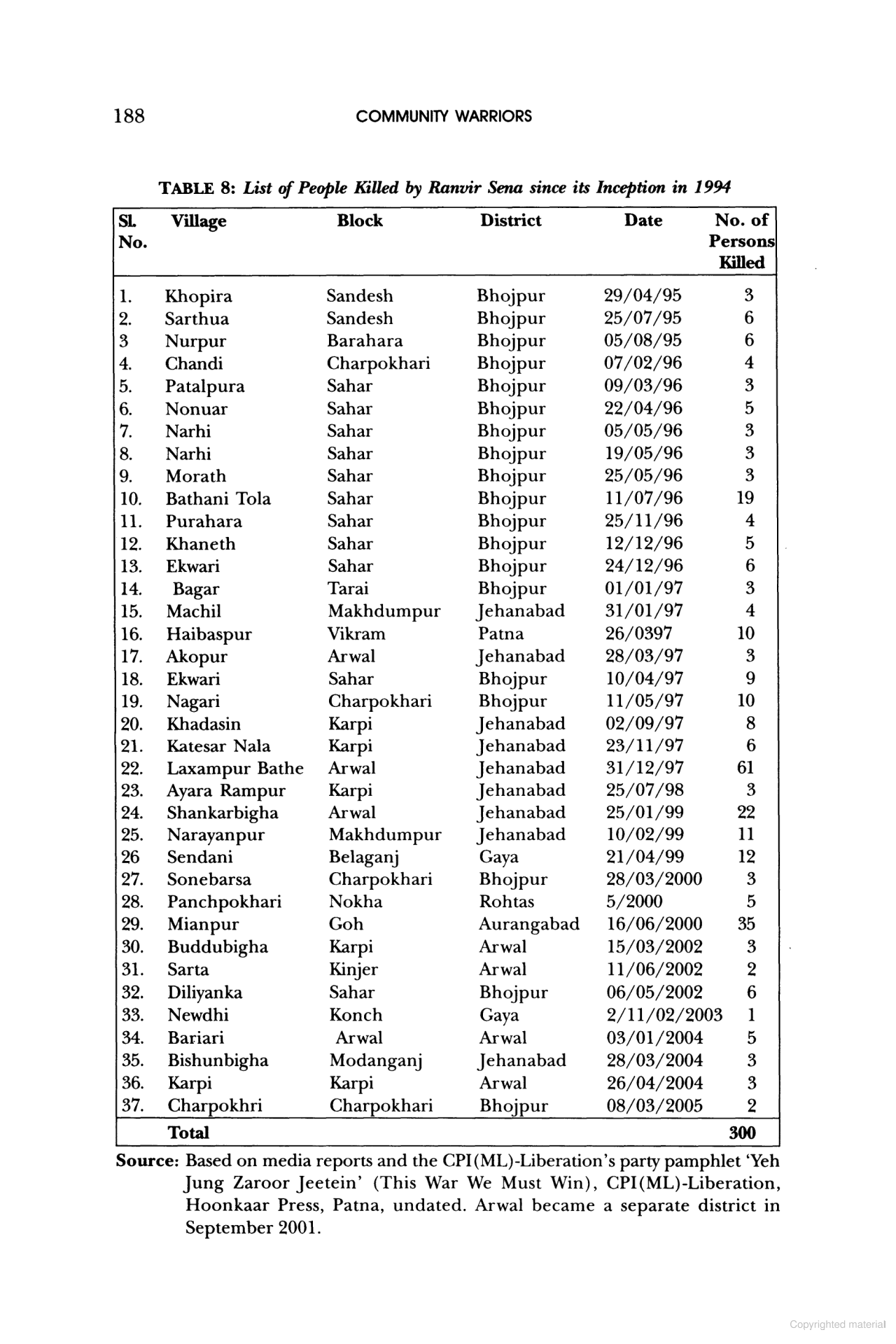
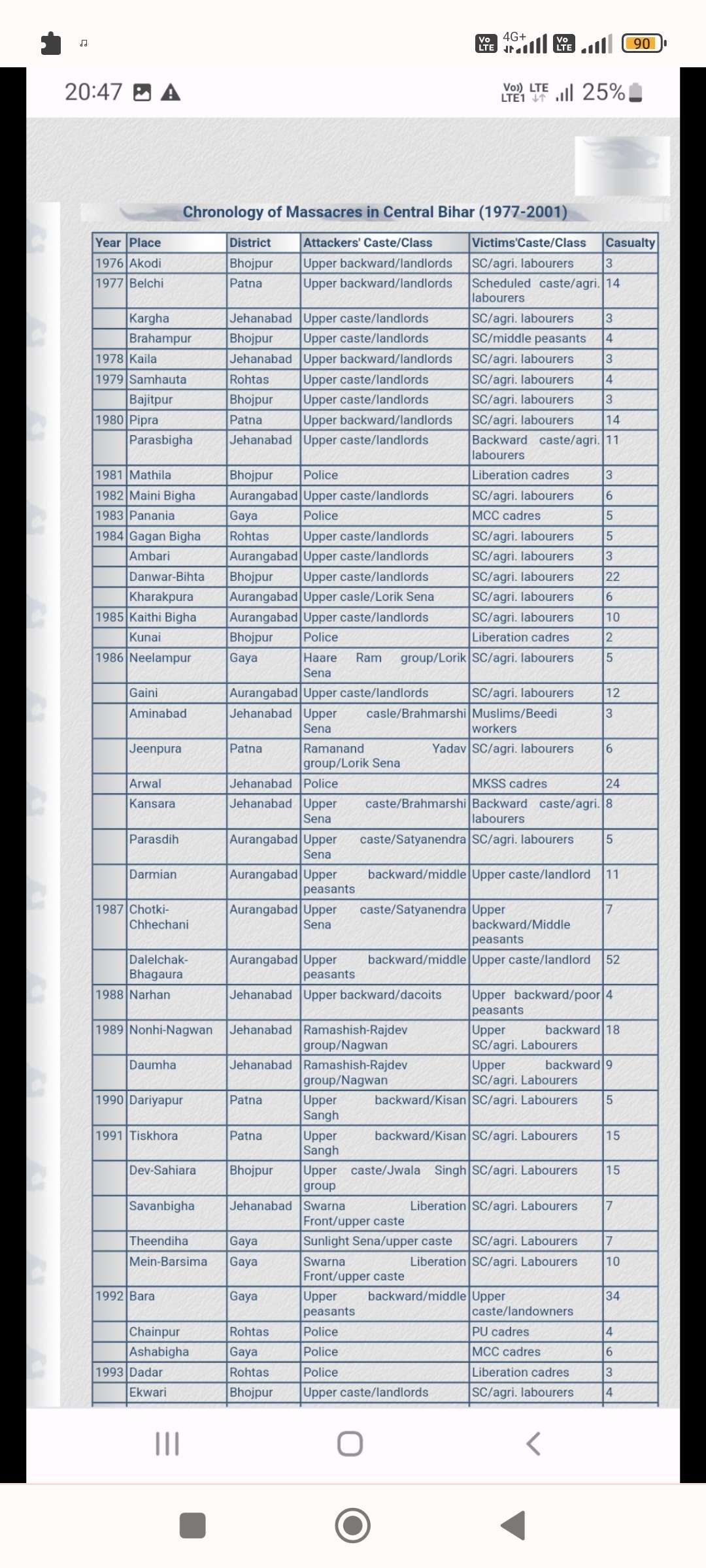
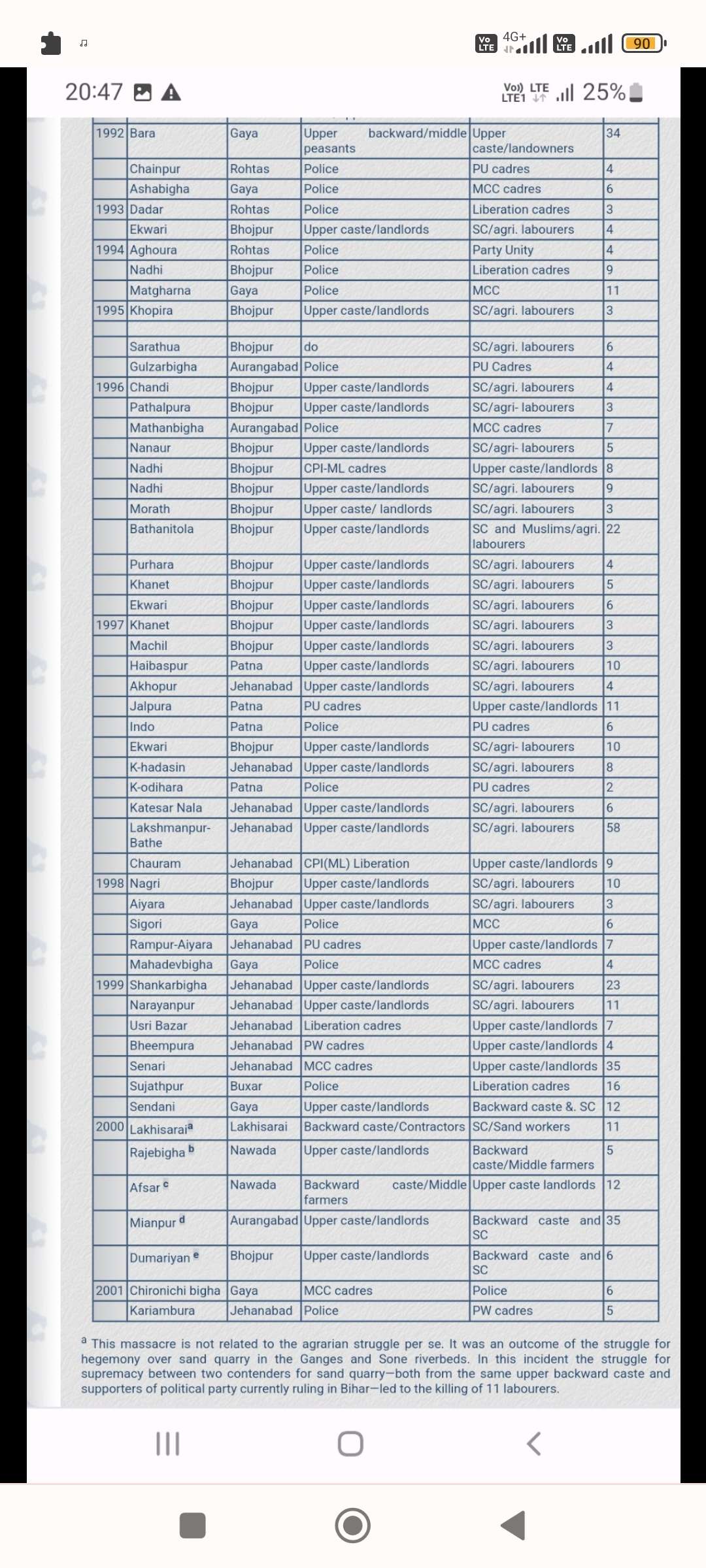
The conflict between the Ranvir Sena and various Naxalite factions, such as the CPI(ML) People's War, resulted in numerous massacres and retaliatory killings. These clashes led to the tragic loss of hundreds of lives.
| Year | Description |
|---|---|
| 1992 |
|
| 1996 |
|
| 1997 |
|
| 1999 |
|
| 2000 |
|
| Total Casualities | 117 - Bhumihar Killed |
Kill Count
While exact figures are disputed, the Ranvir Sena was implicated in multiple large-scale massacres, contributing to a significant death toll, unofficial figures can go as high as 600-800. Incidents like the Laxmanpur Bathe massacre (1997), Shankarbigha massacre (1999) & the Mianpur (2000) are dark chapters in Bihar's history. Highlighting the brutal nature of the caste-based agrarian violence of that era.
Majmuat
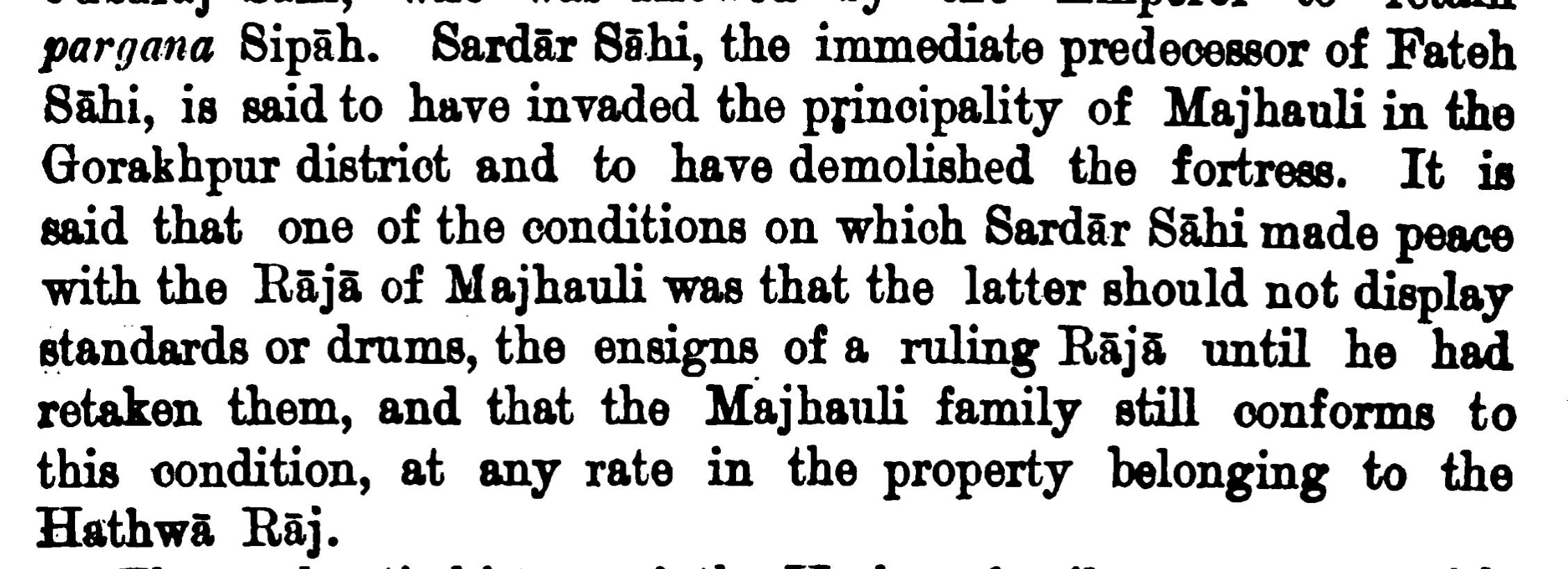
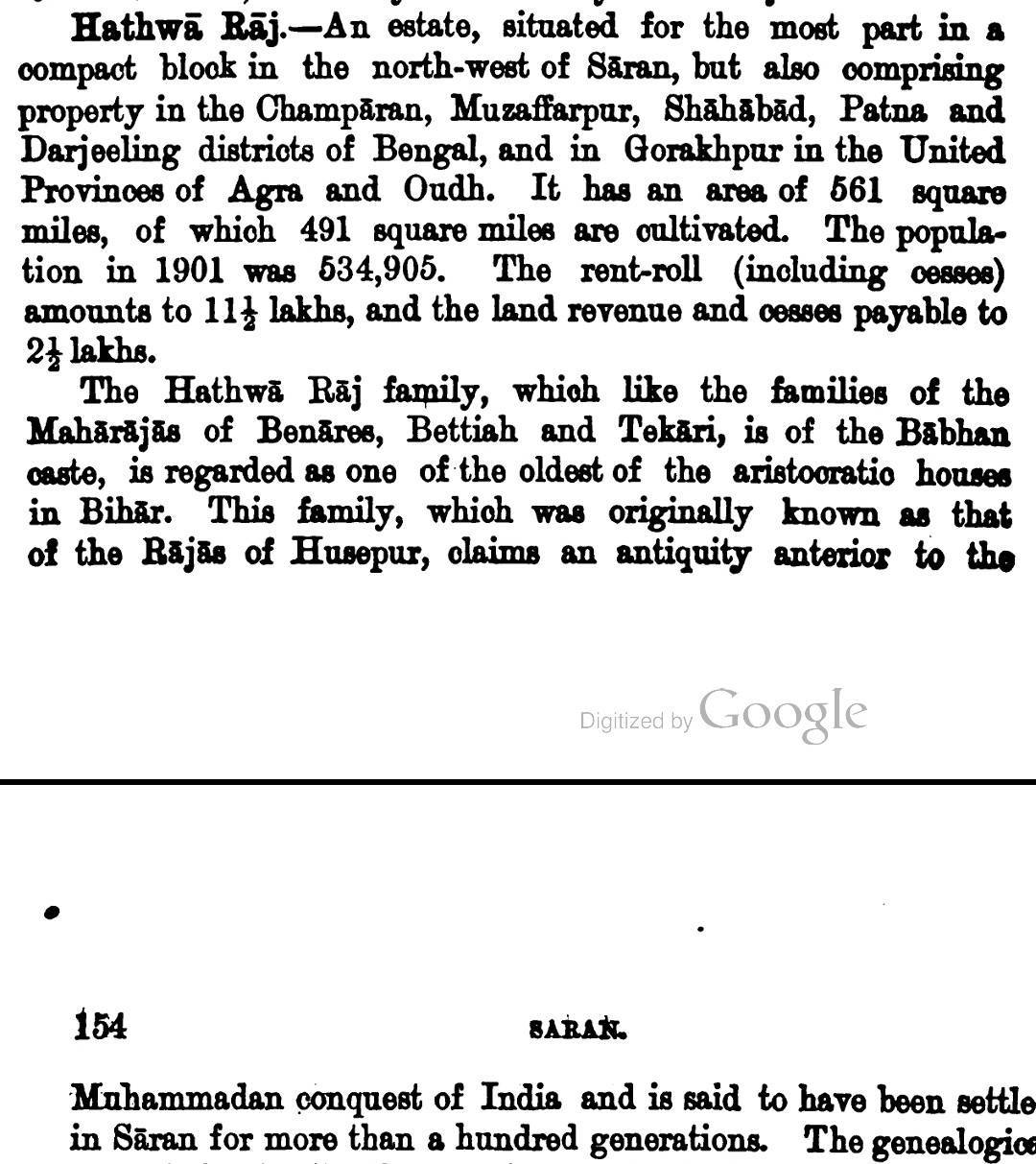
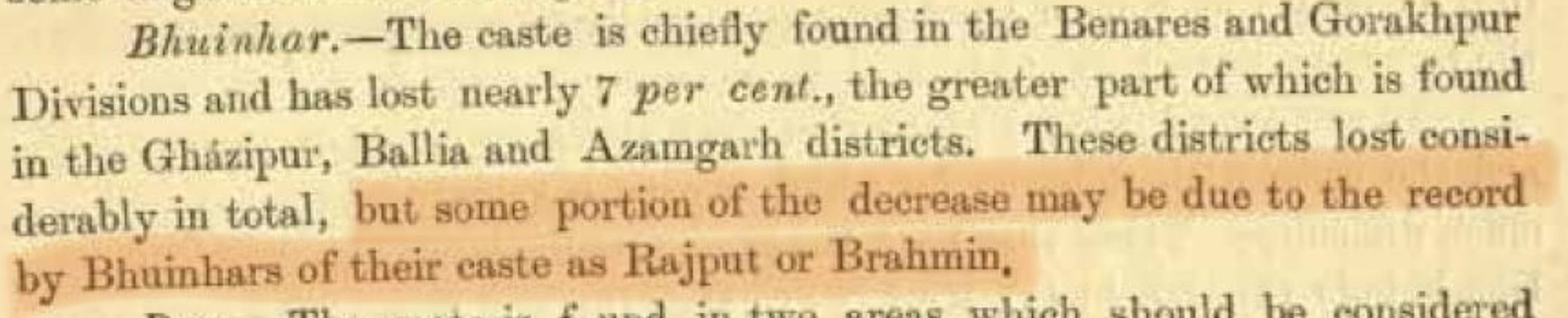
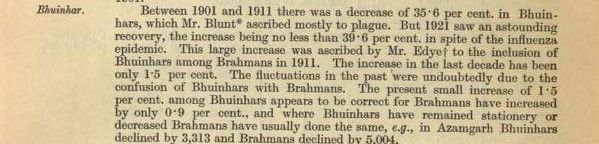
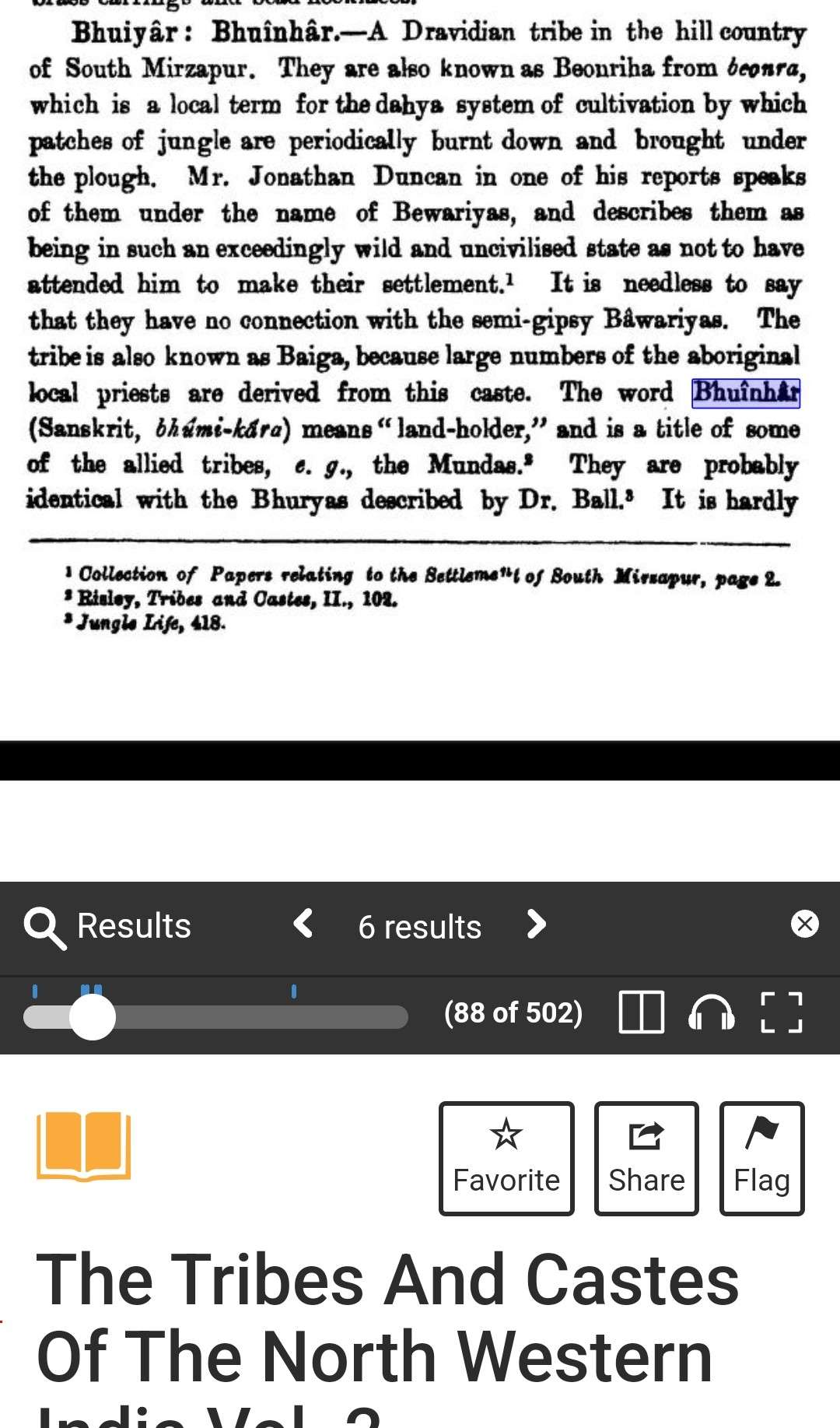
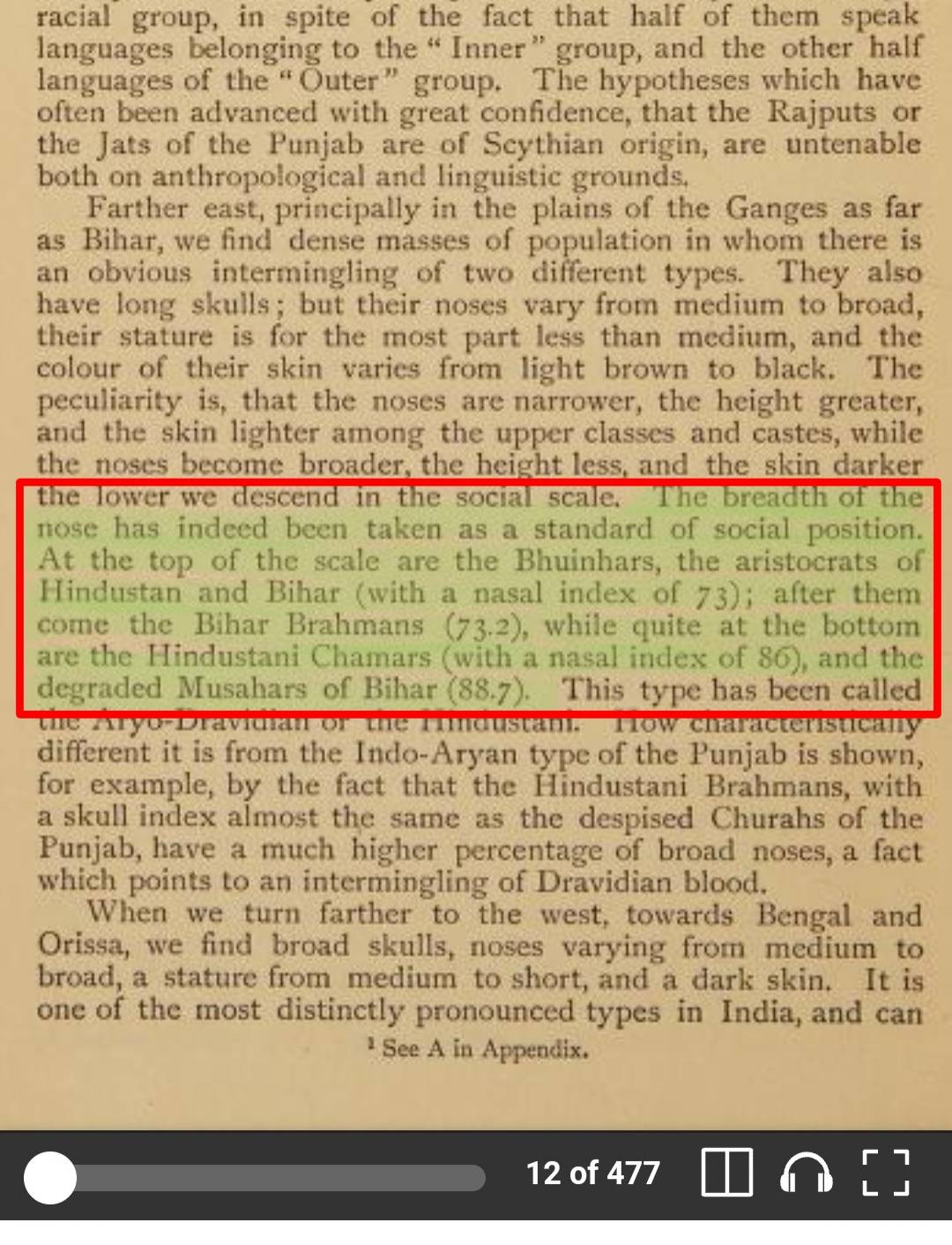
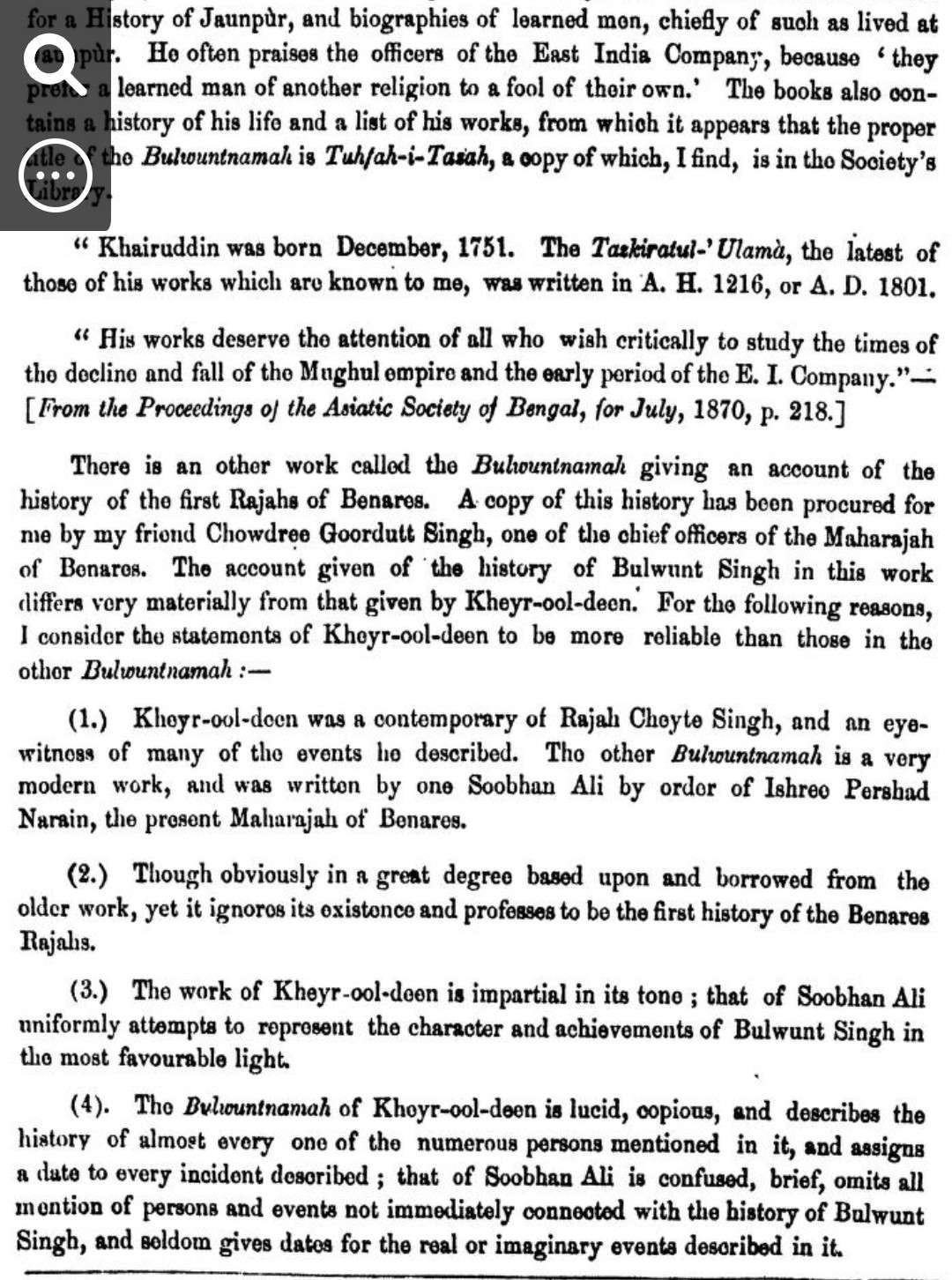
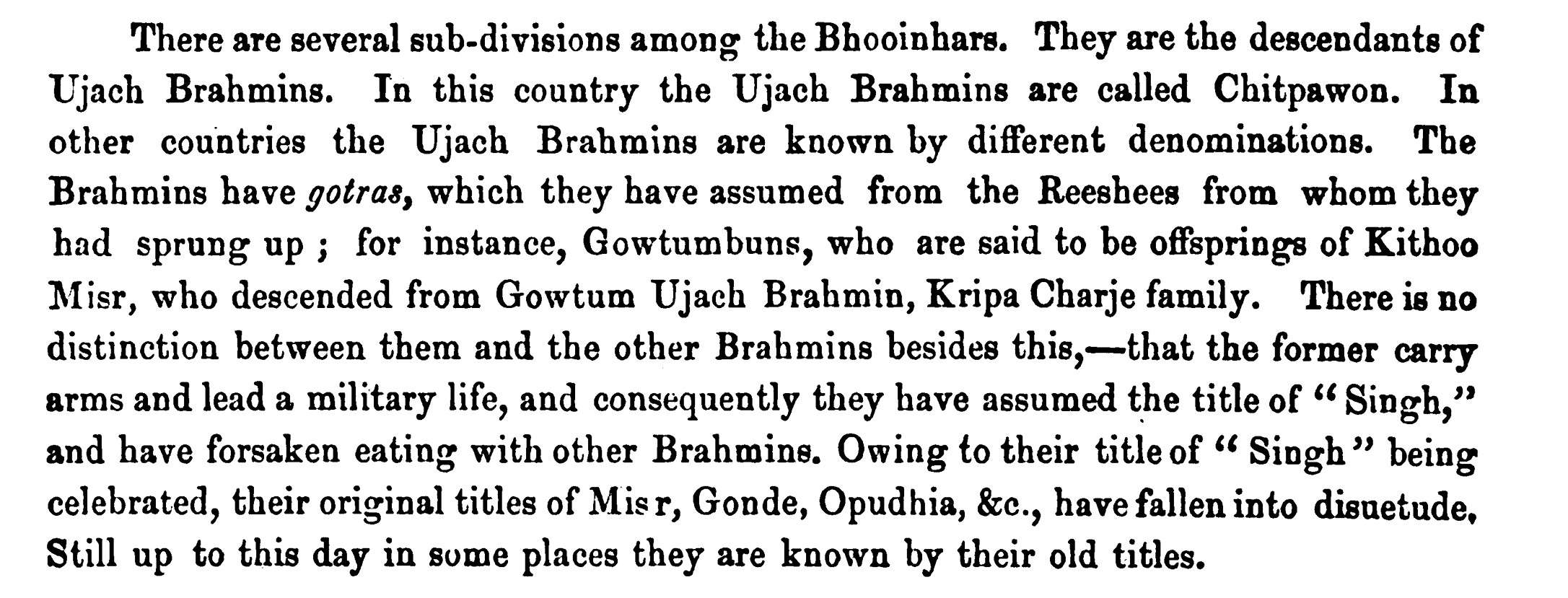
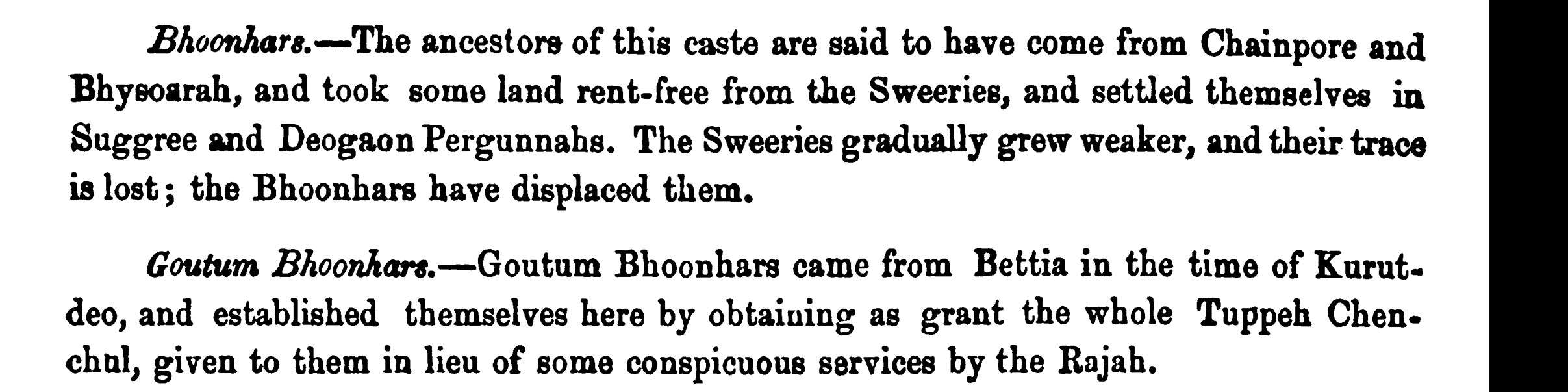
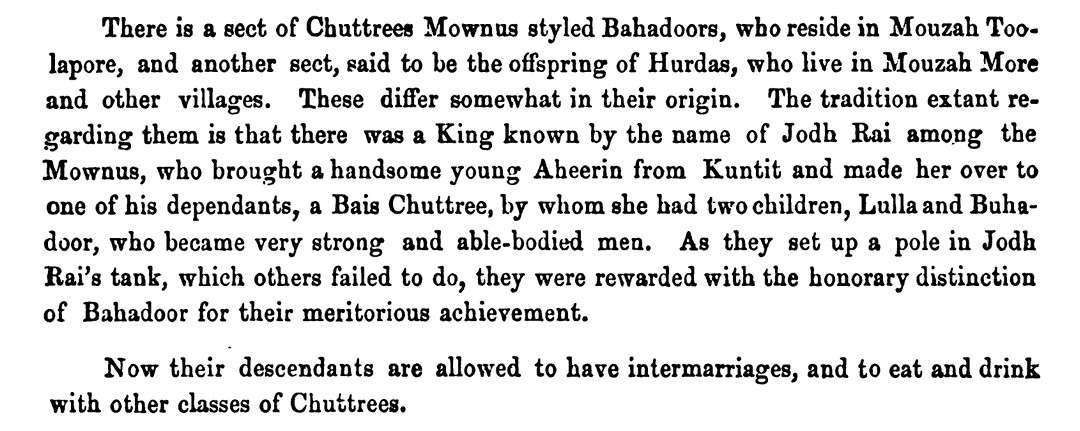
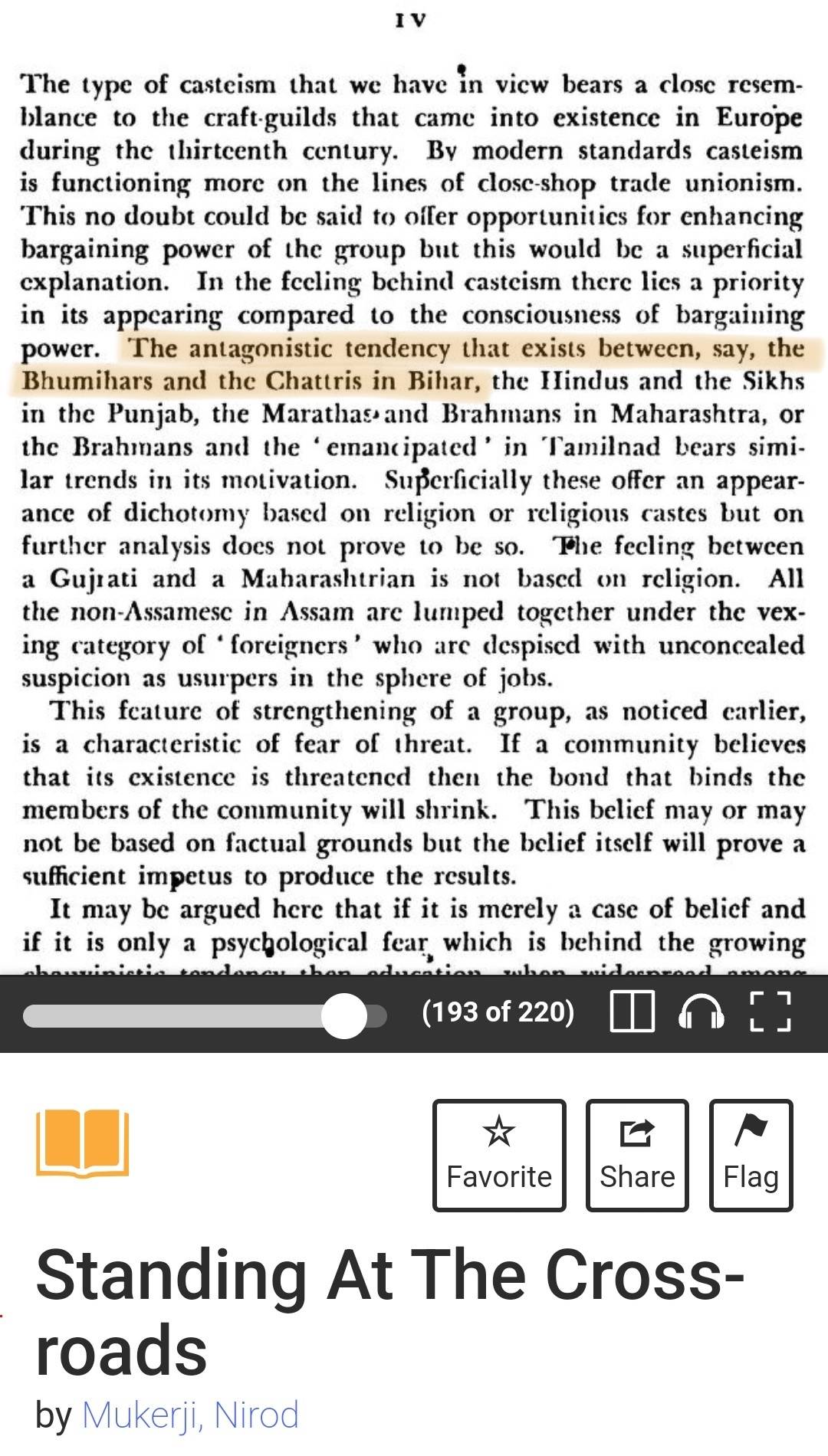
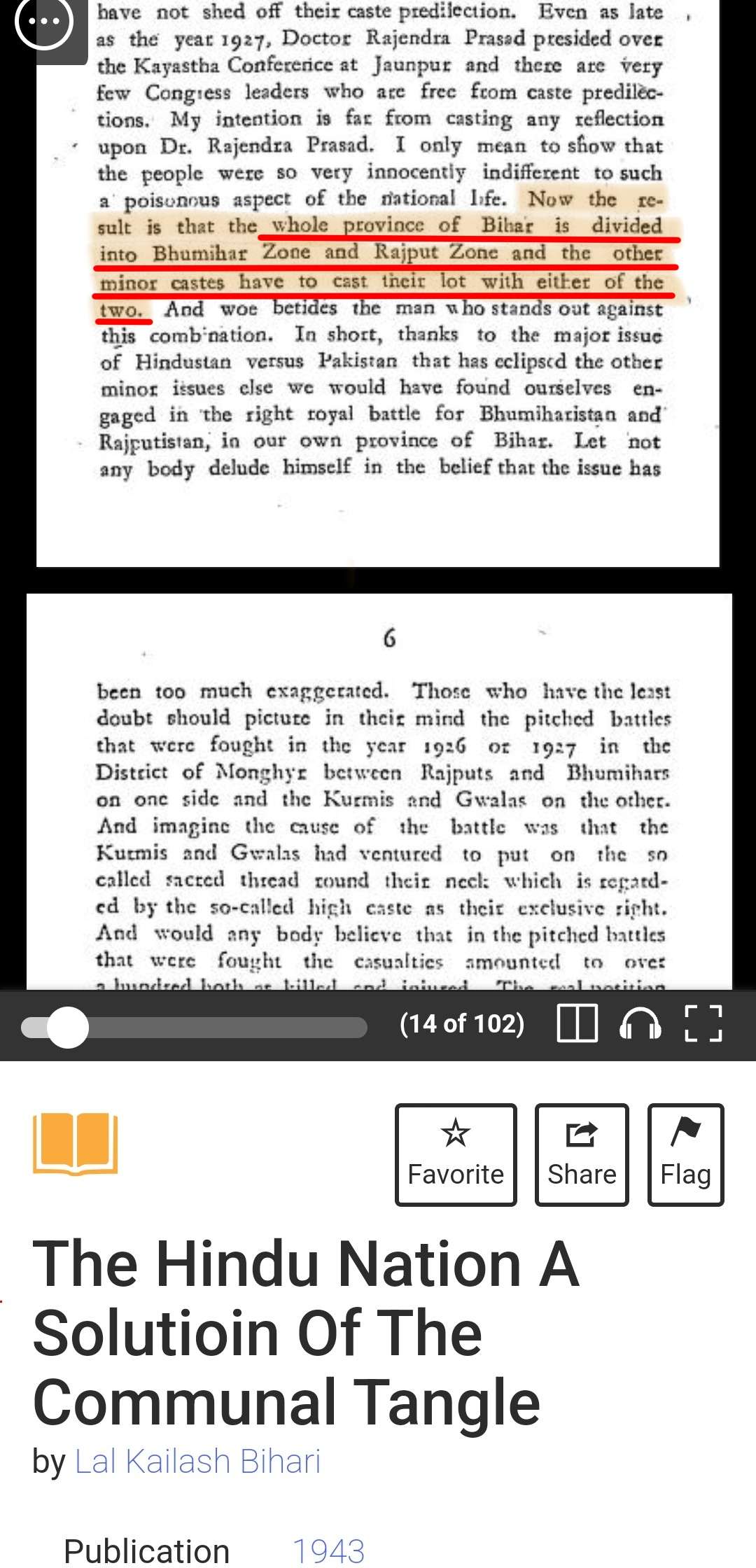
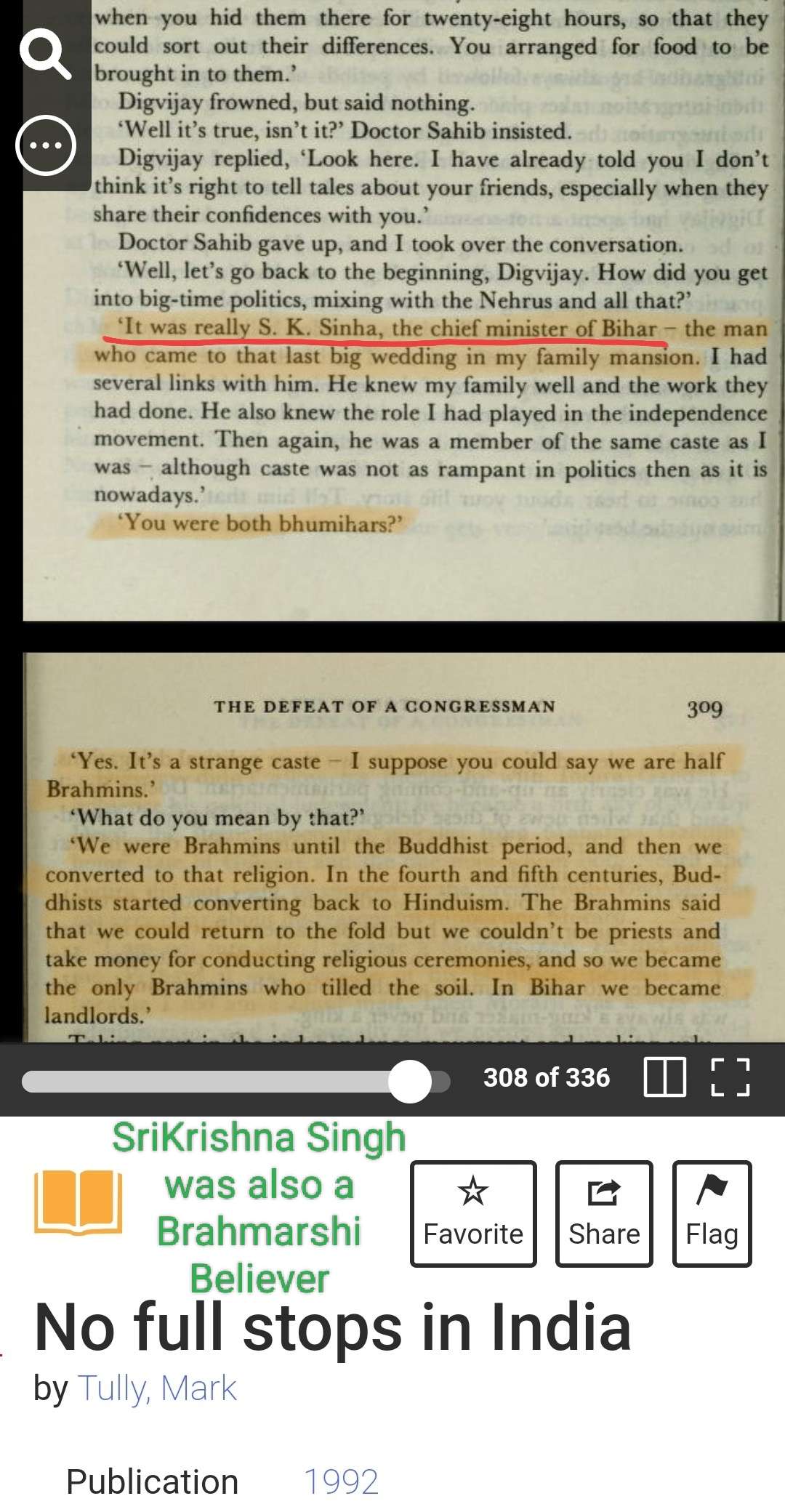
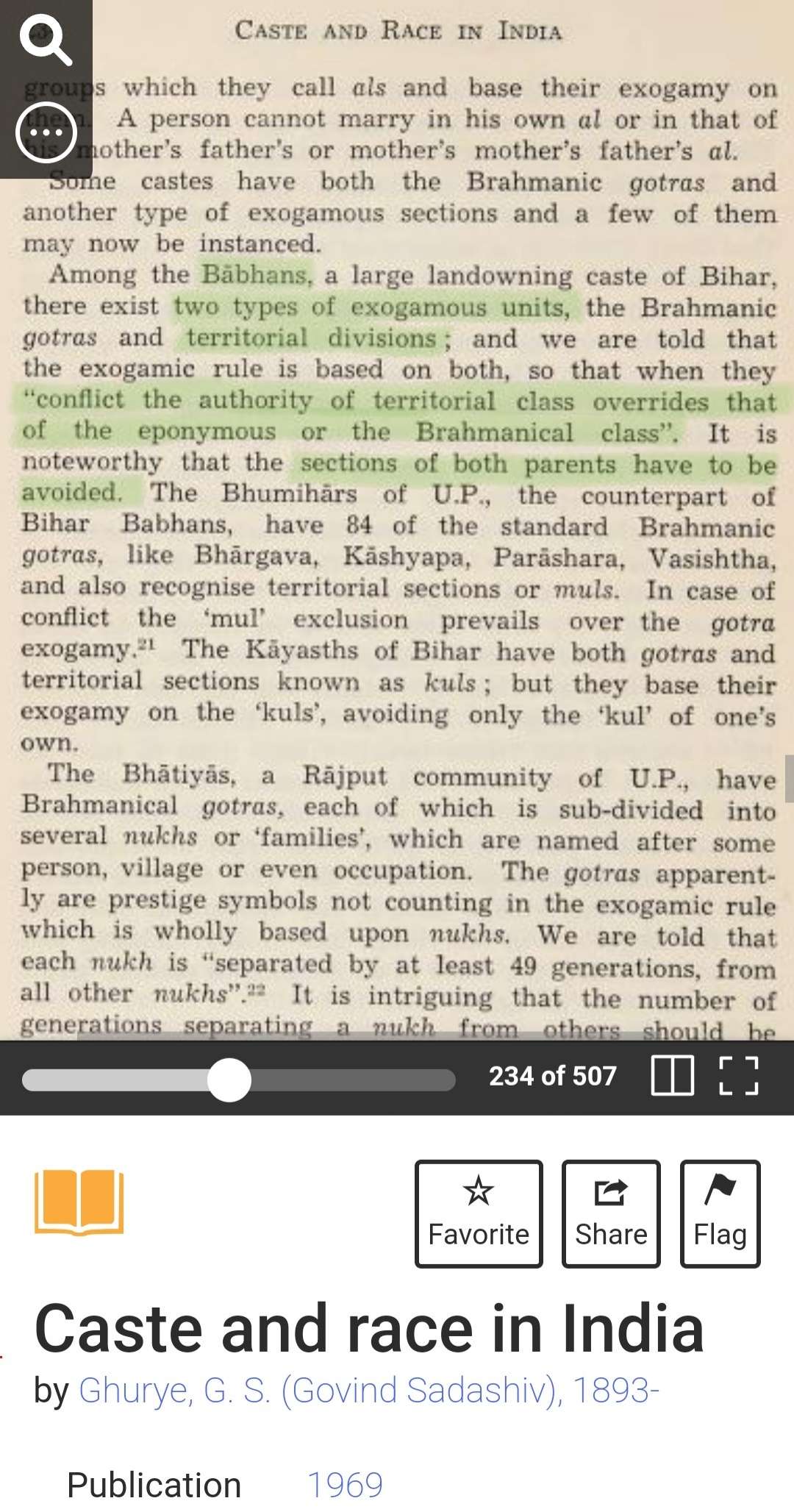
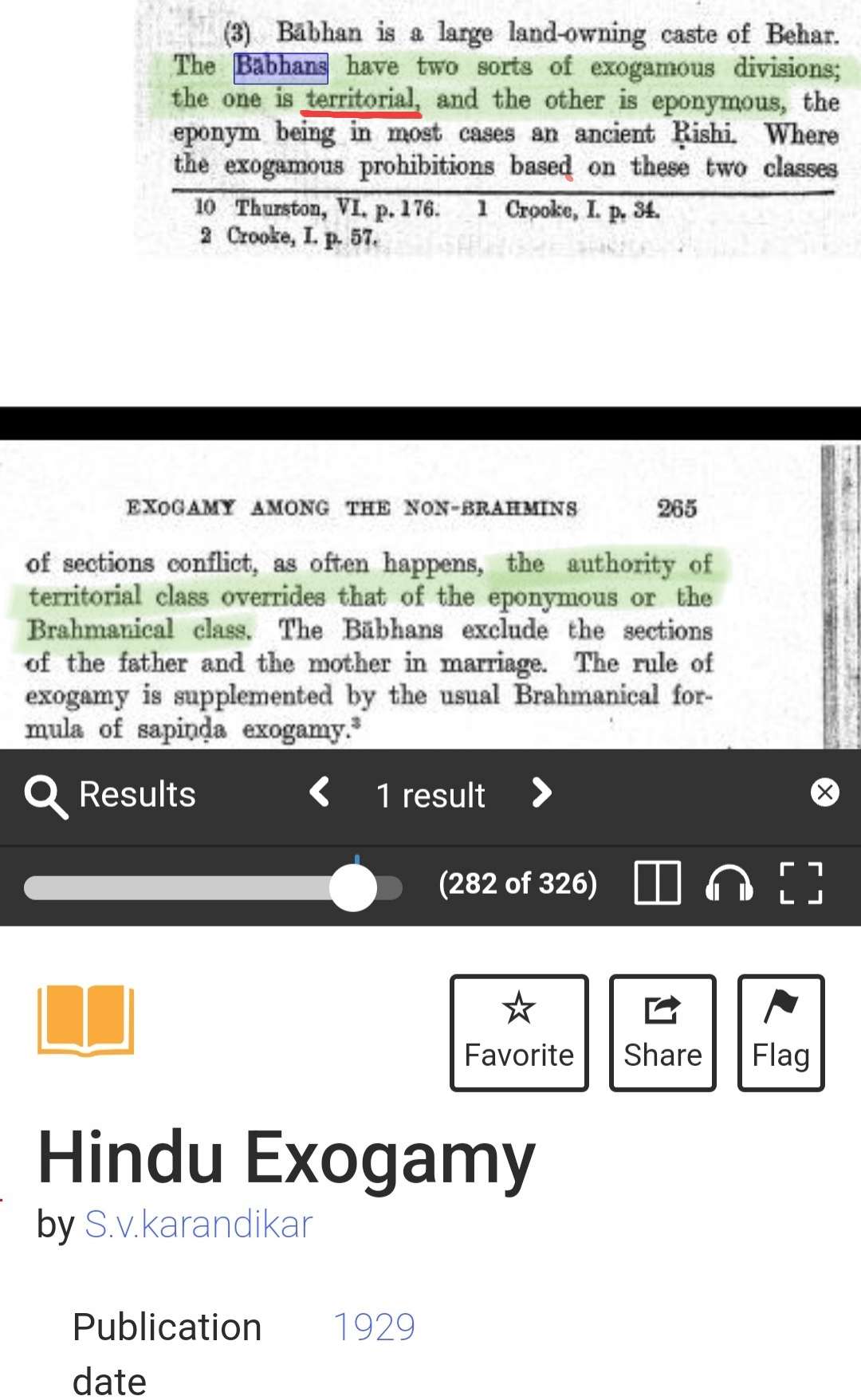
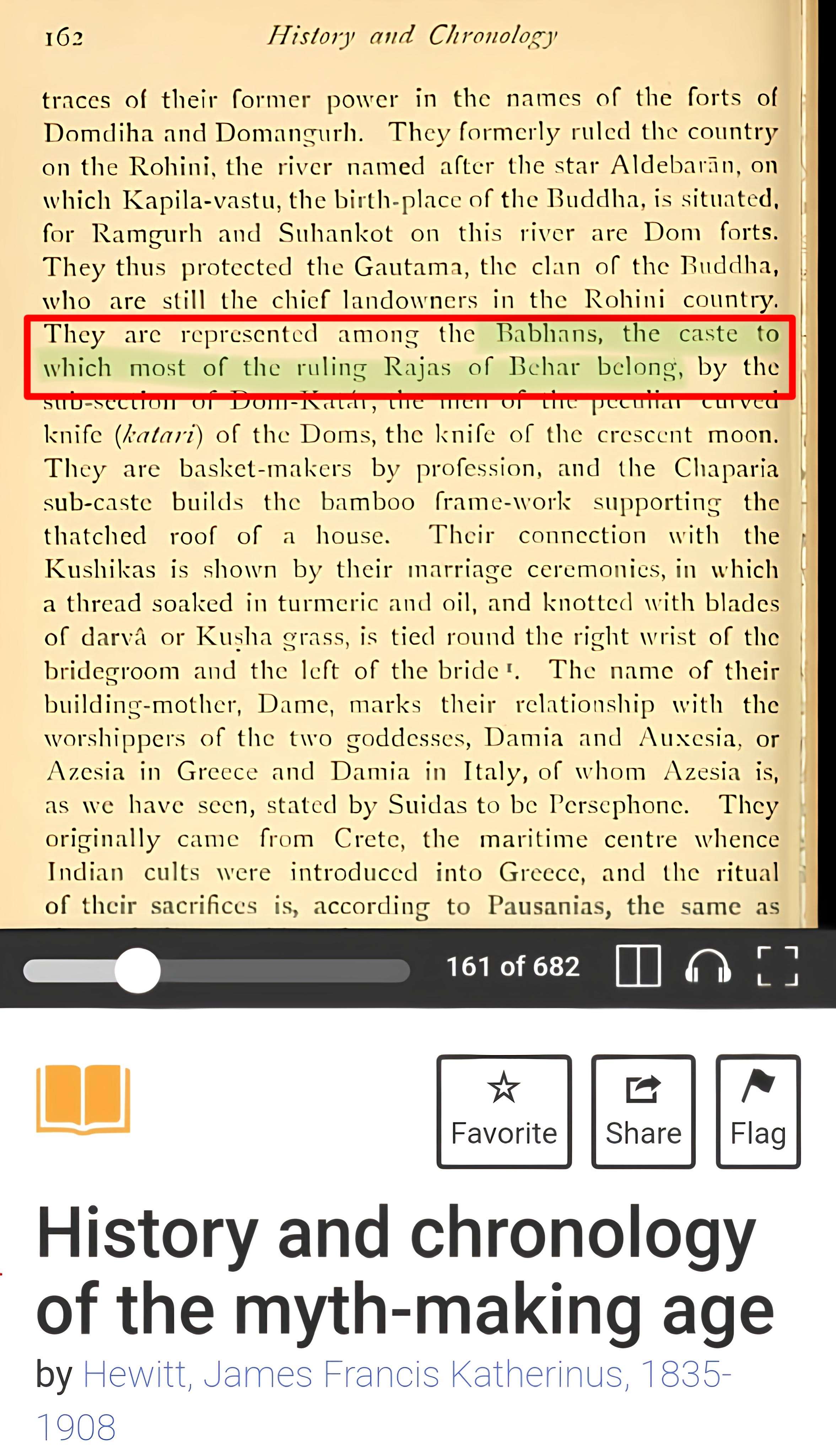
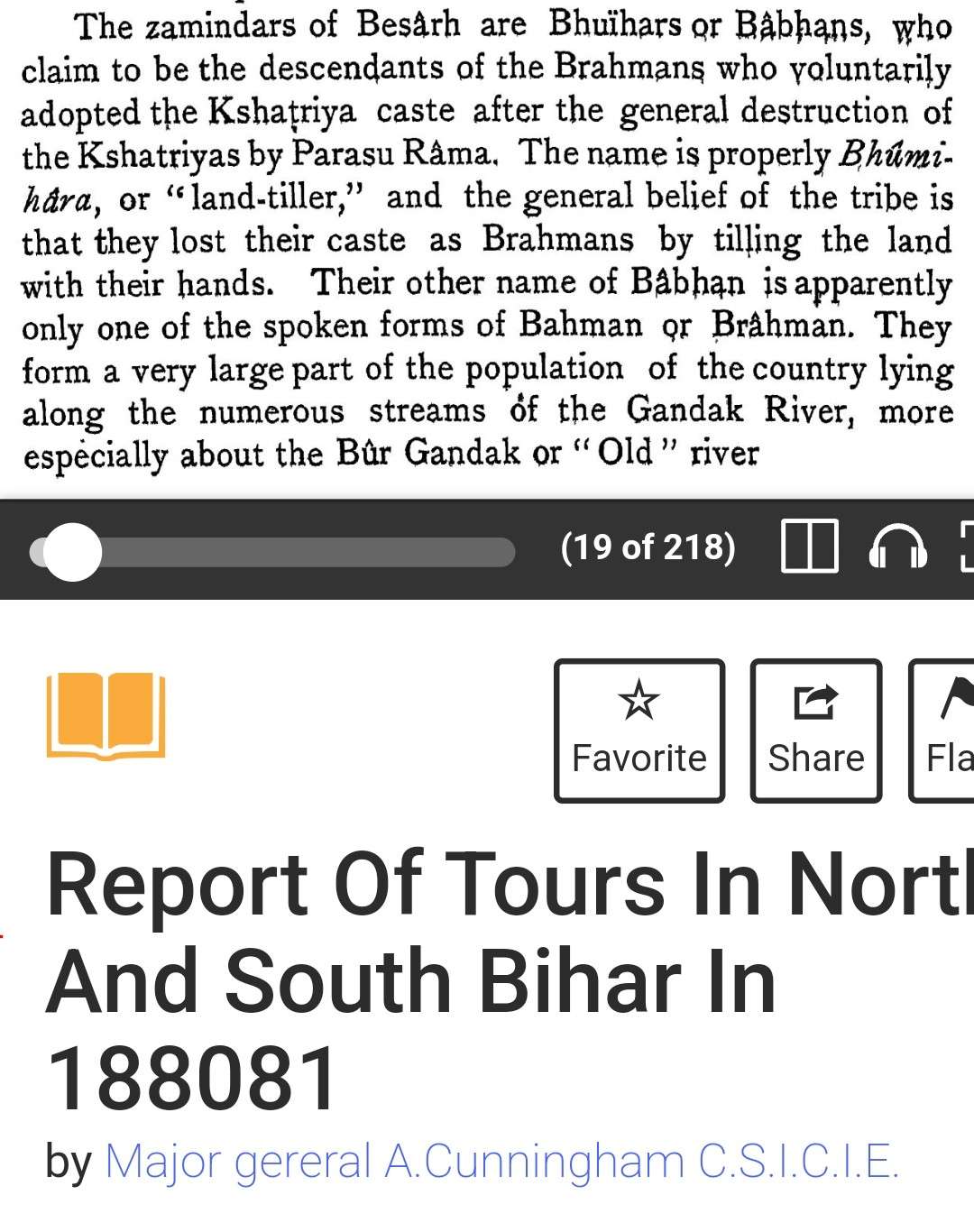
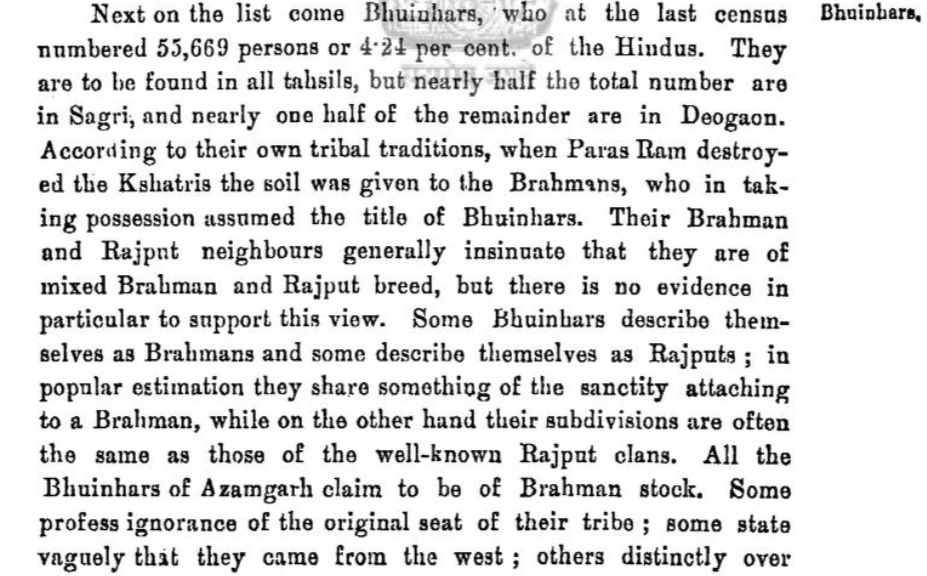
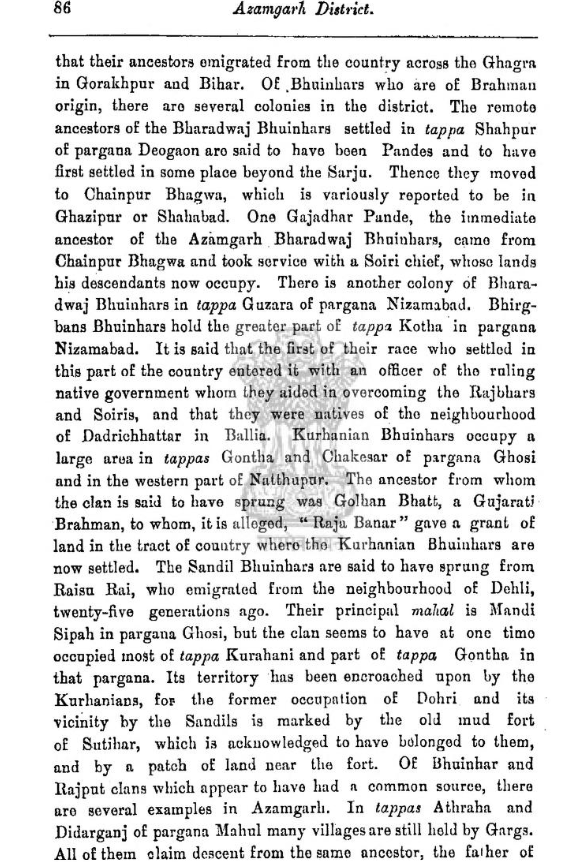
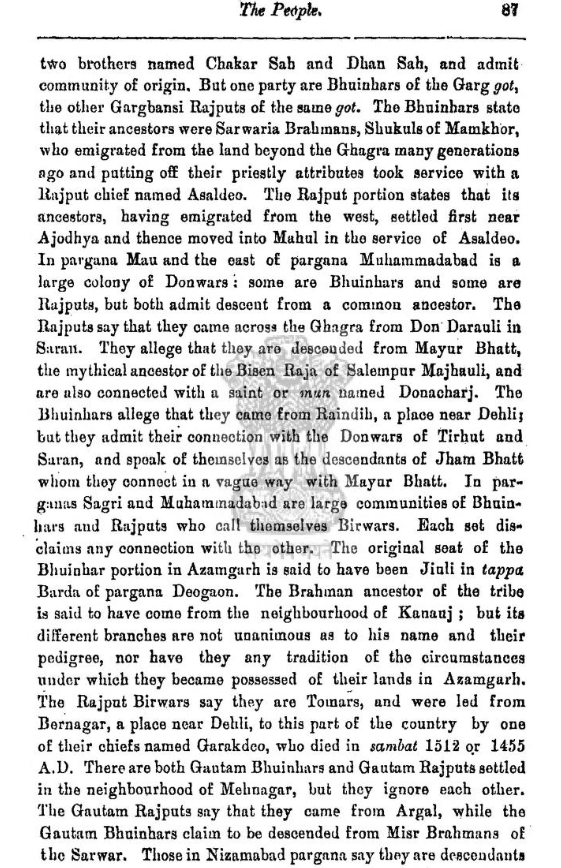
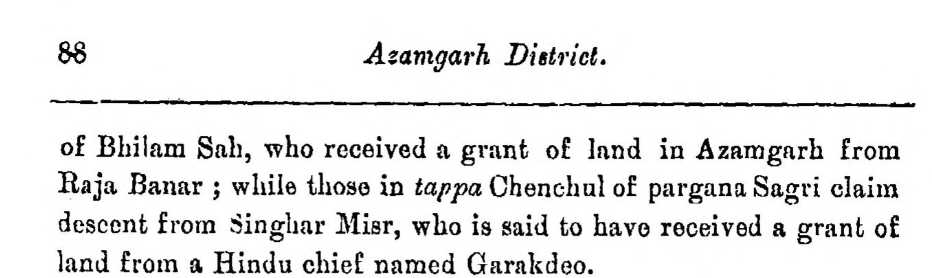
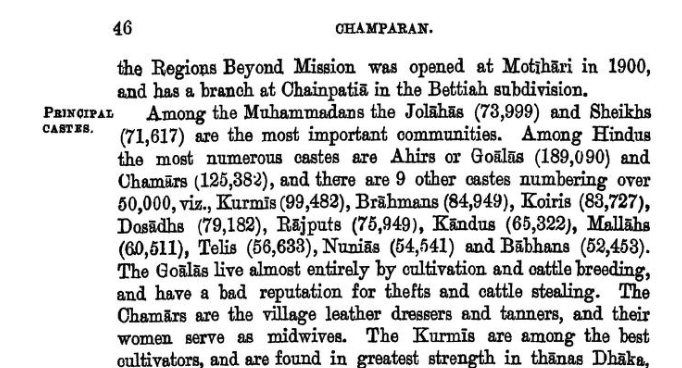
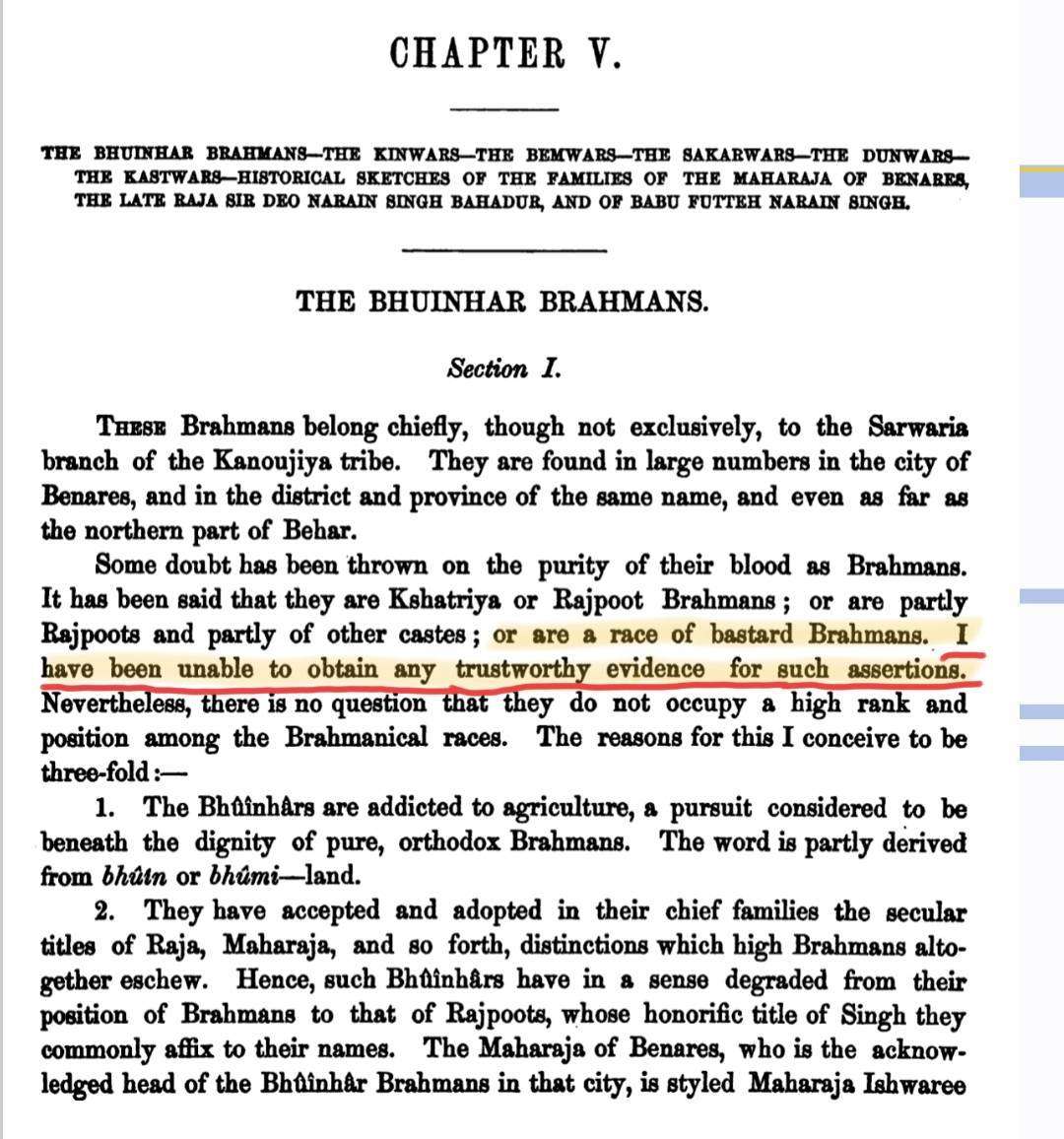
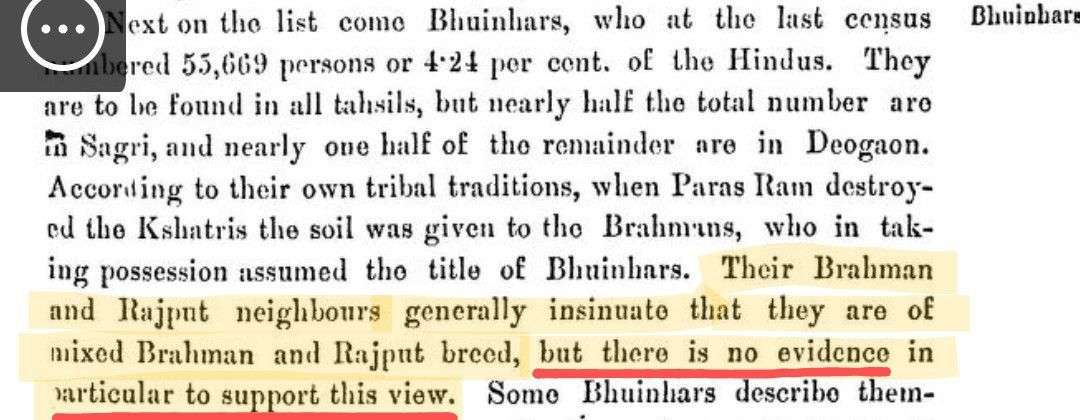
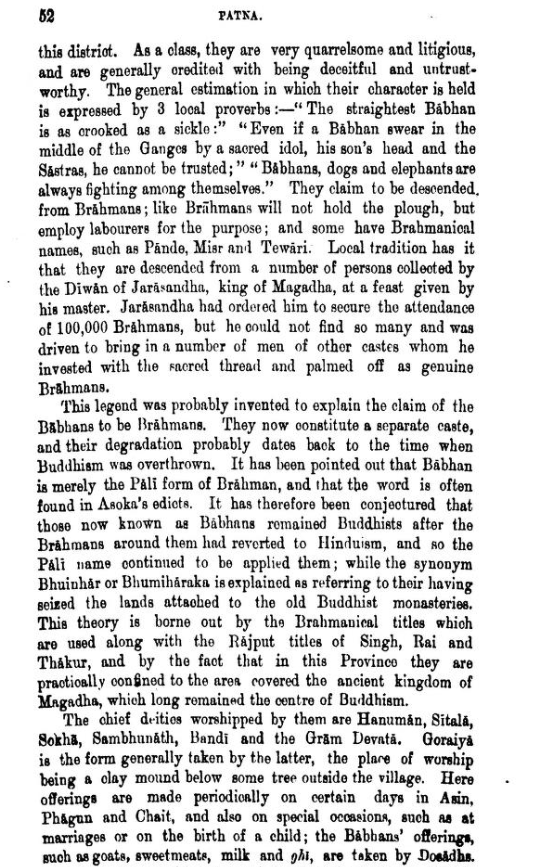
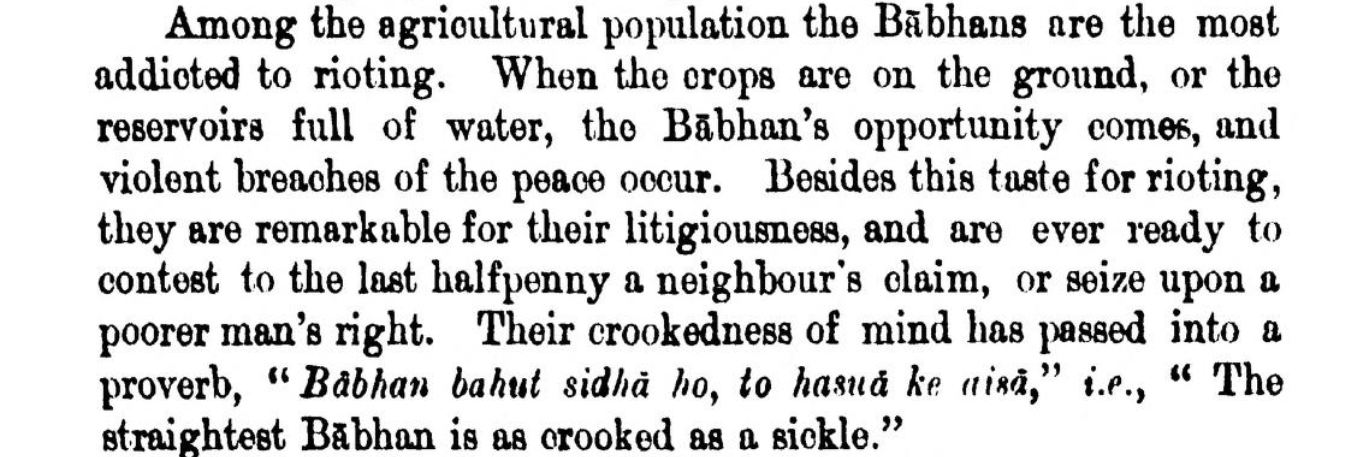
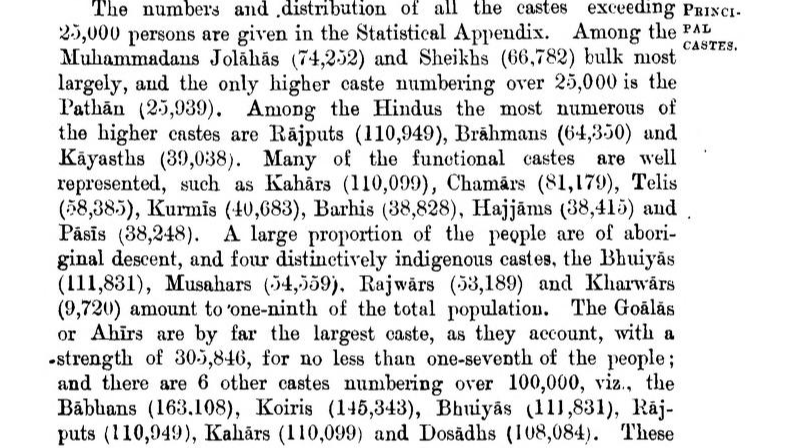
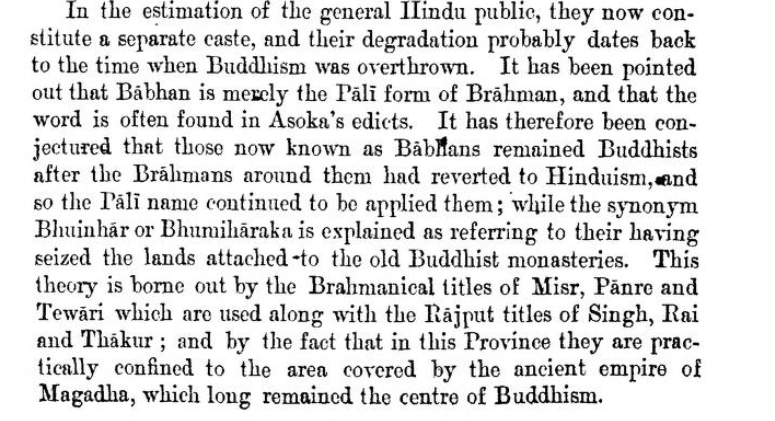
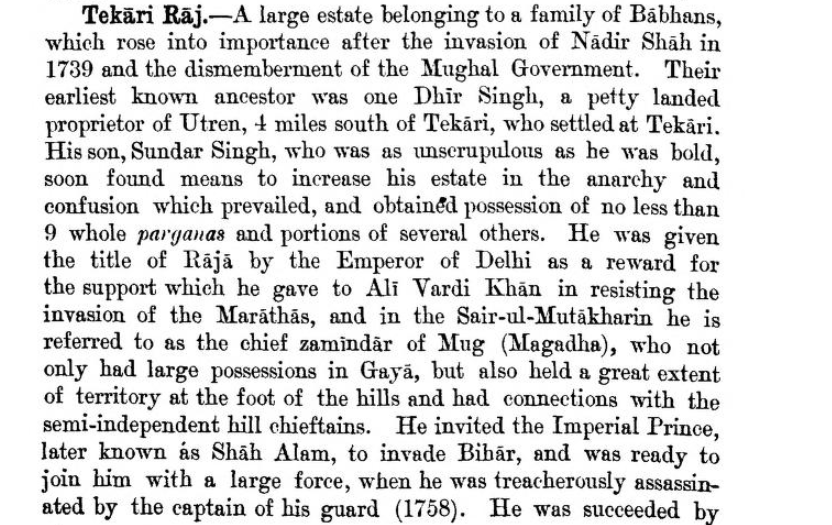
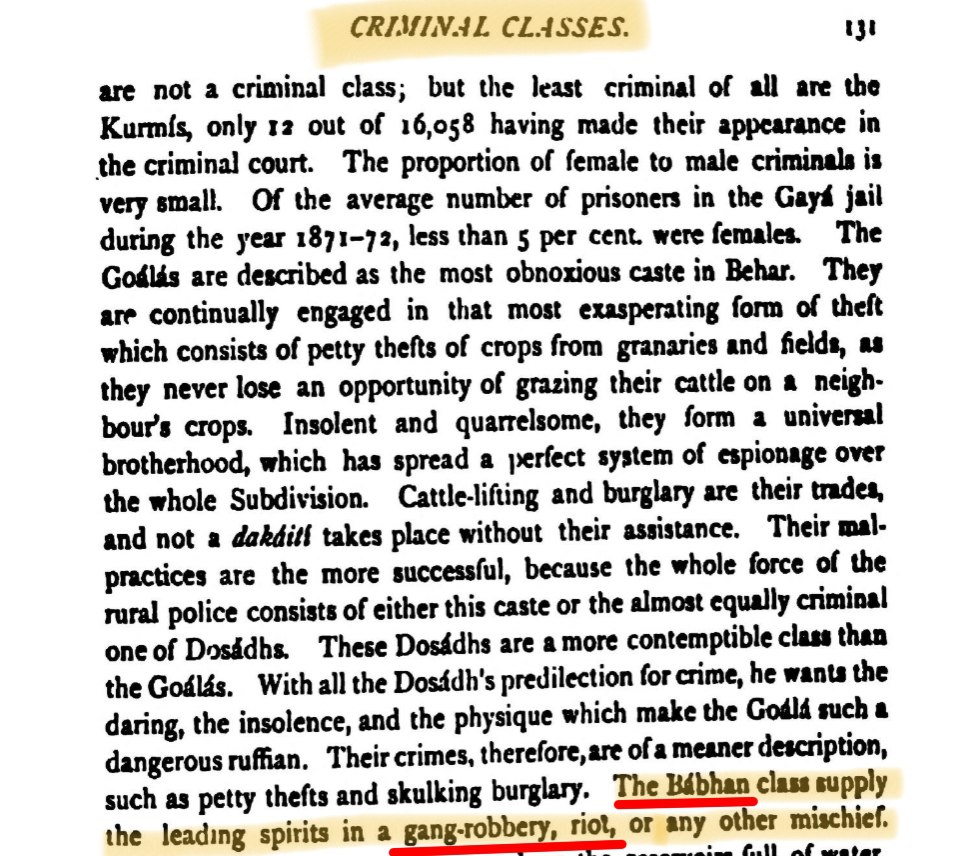
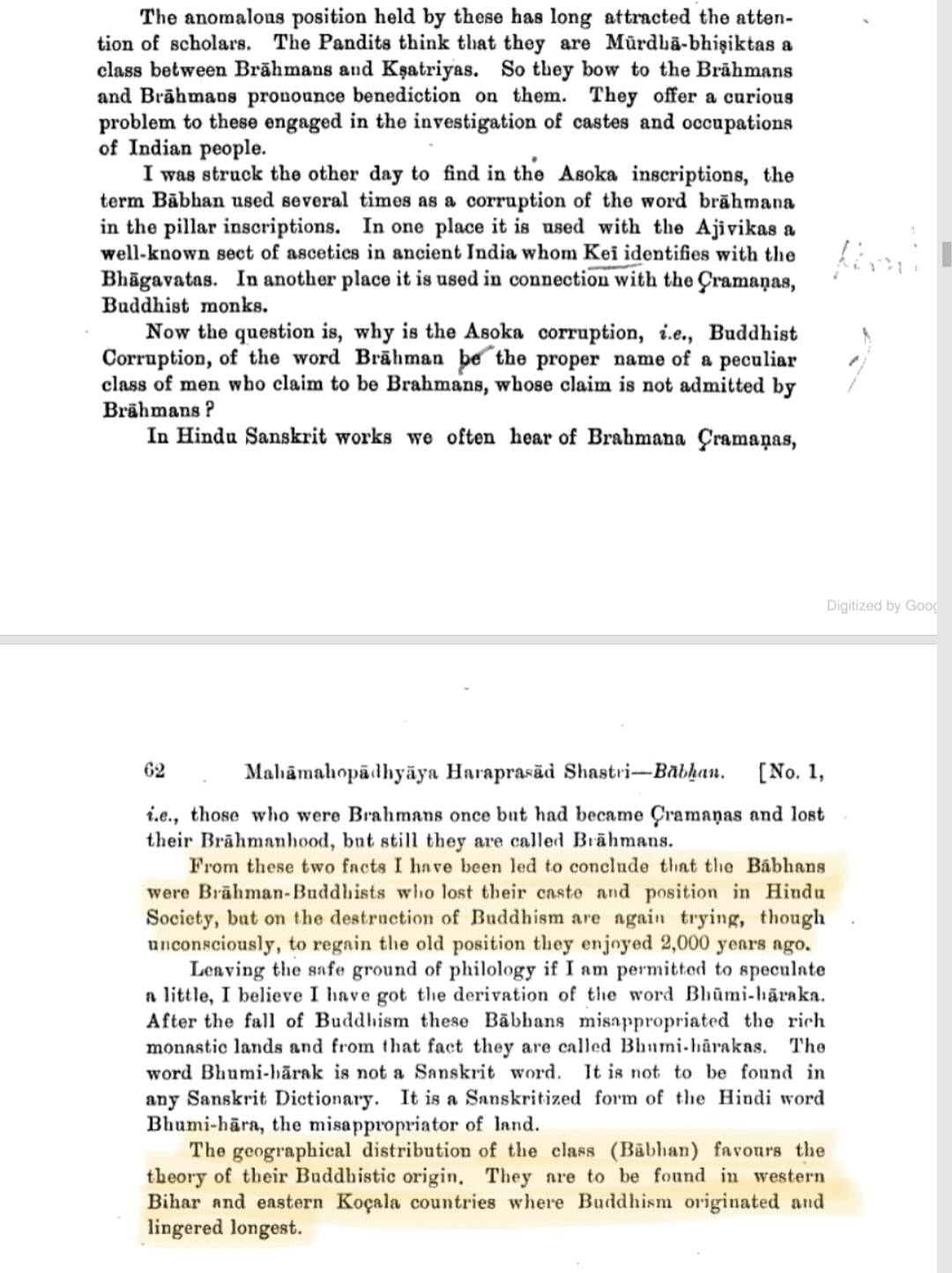
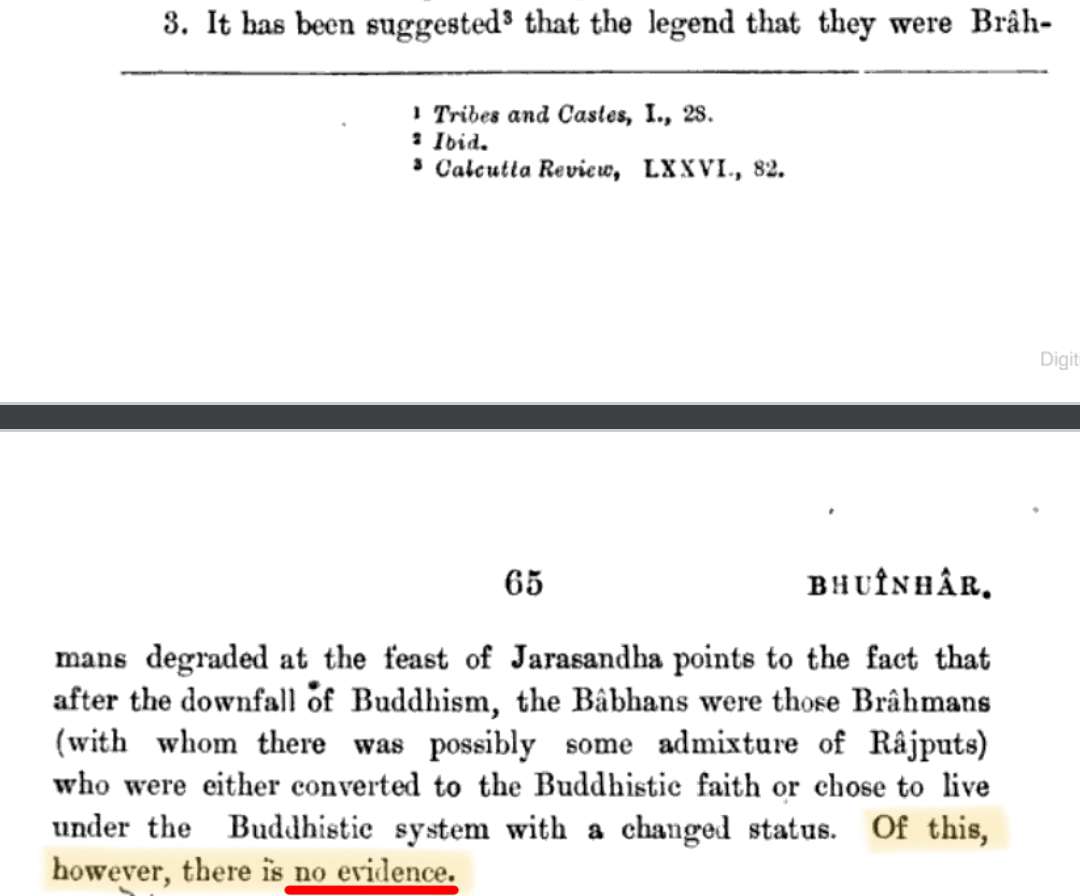
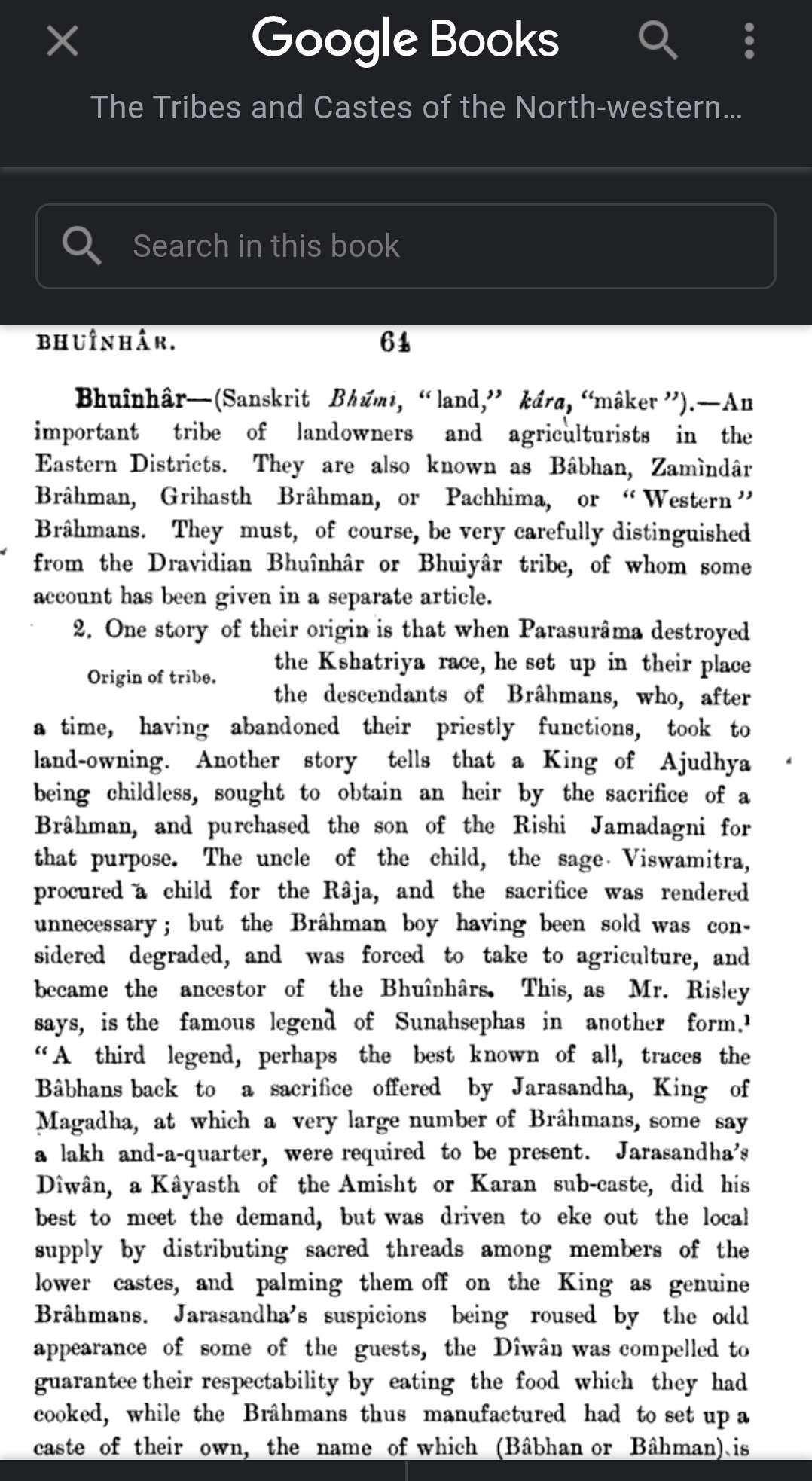
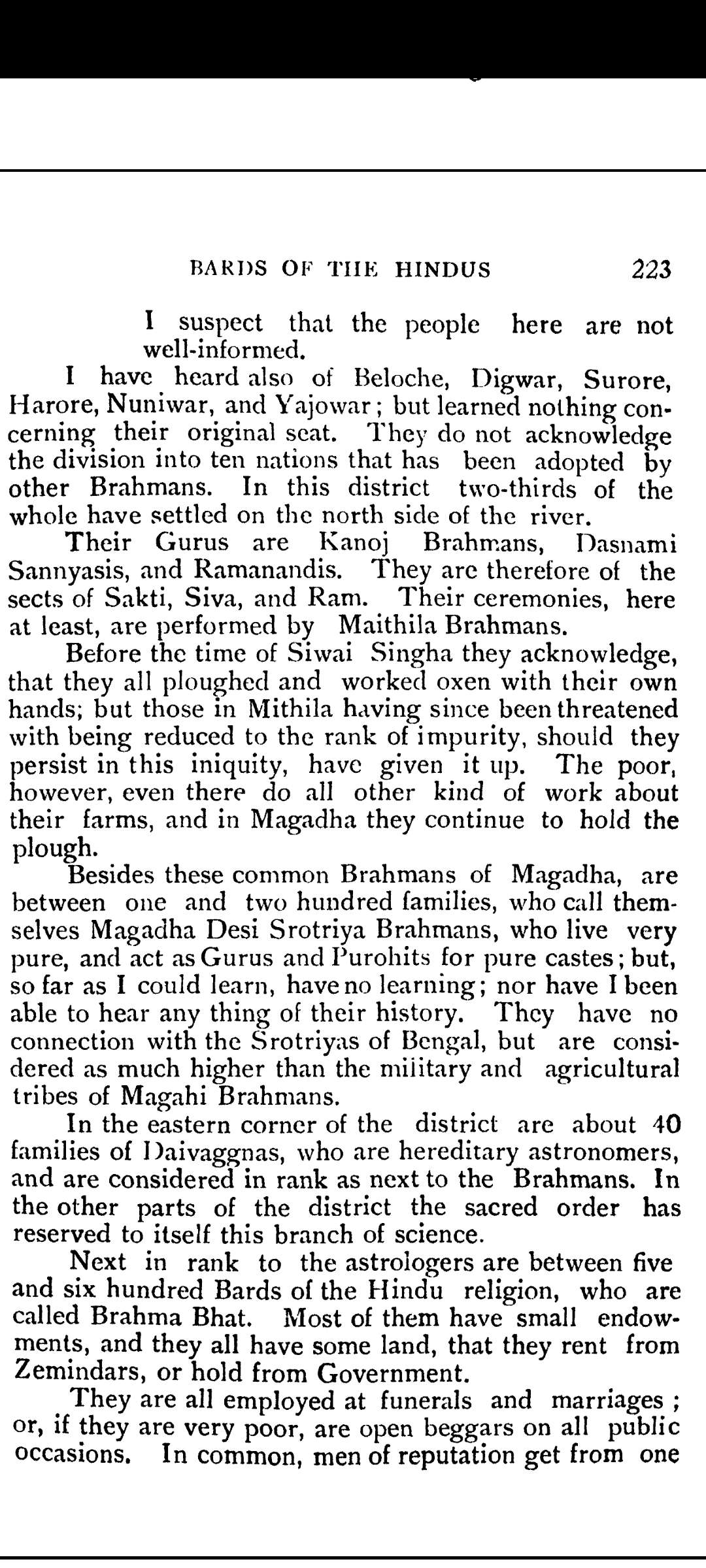
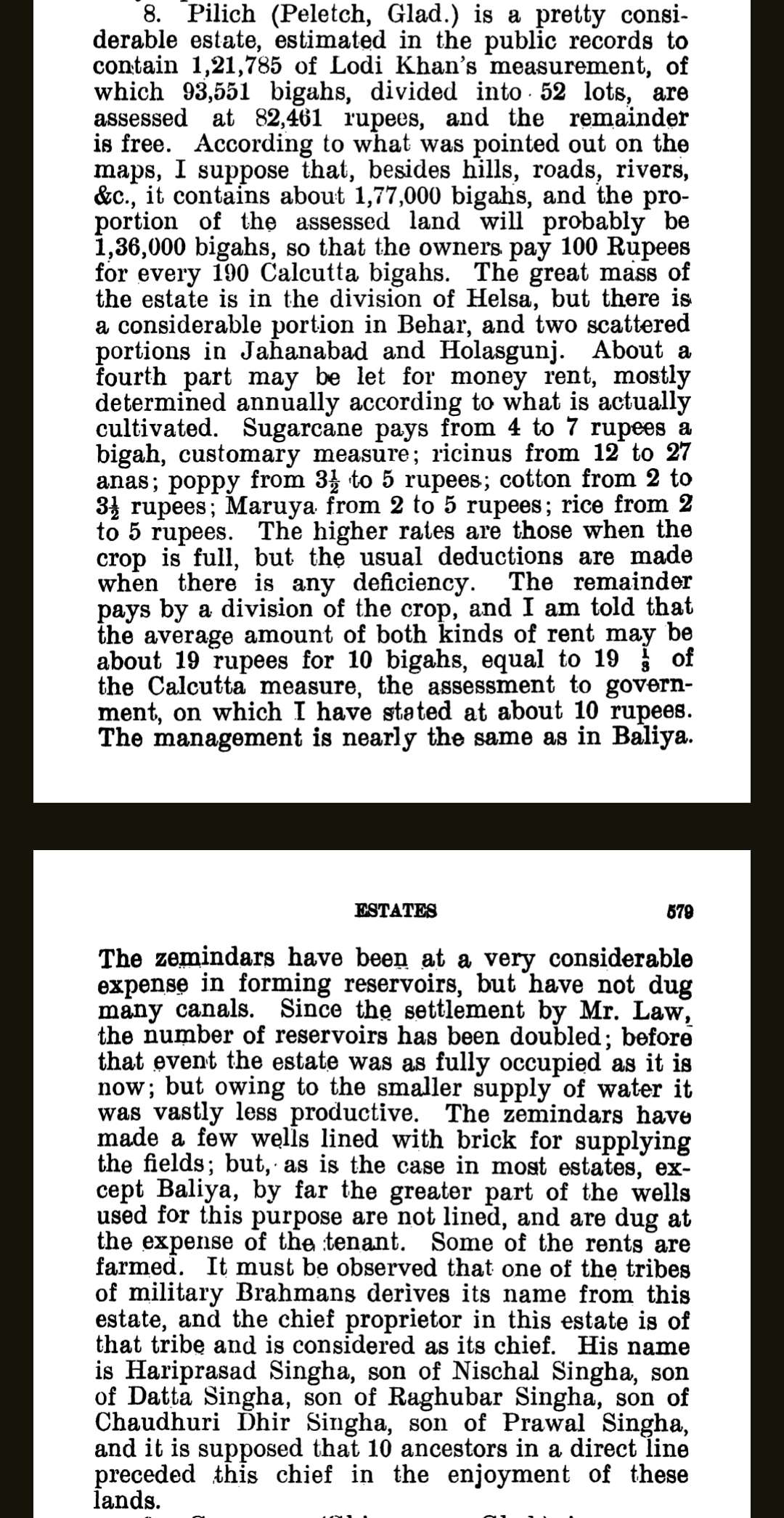
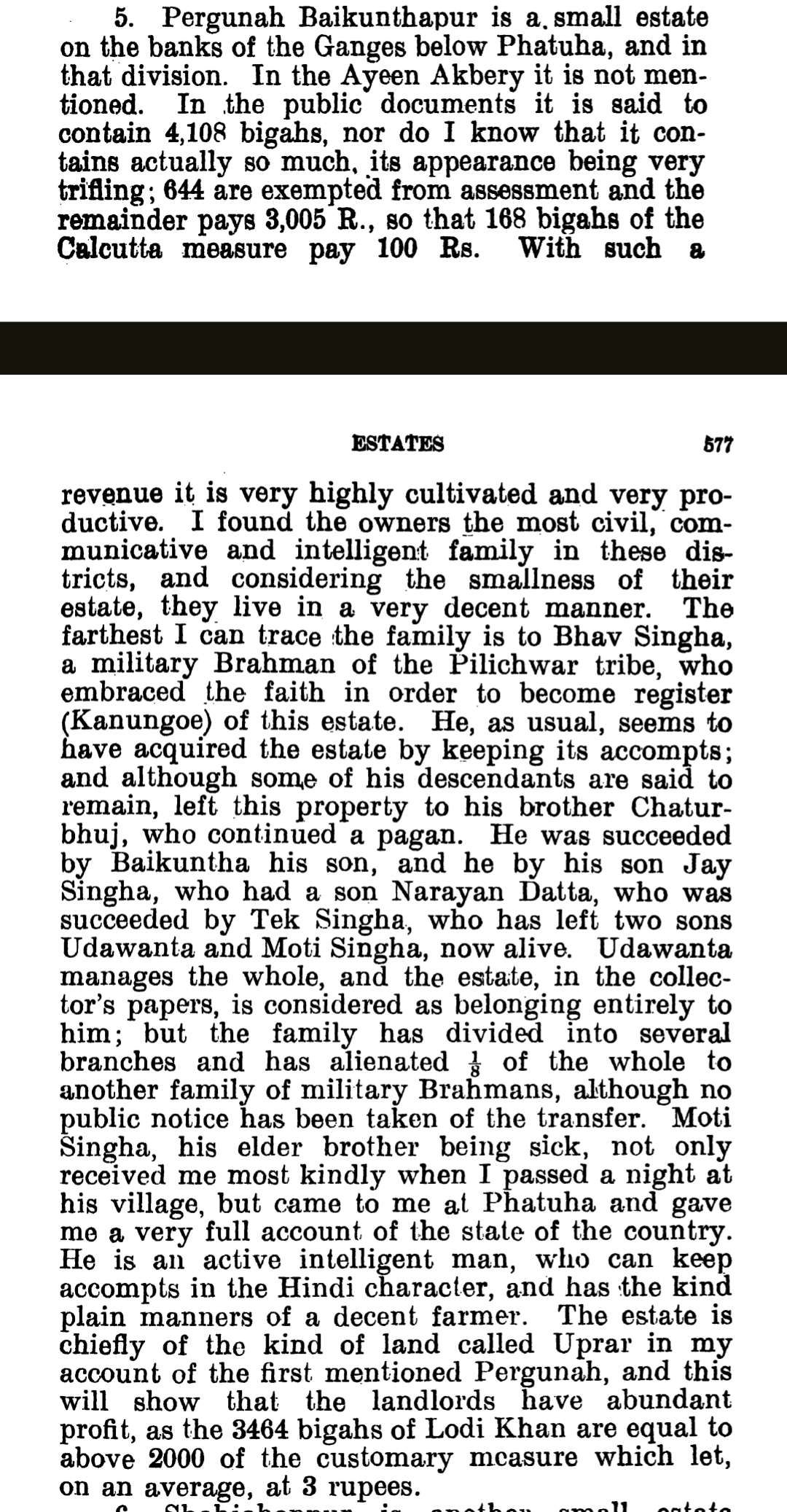
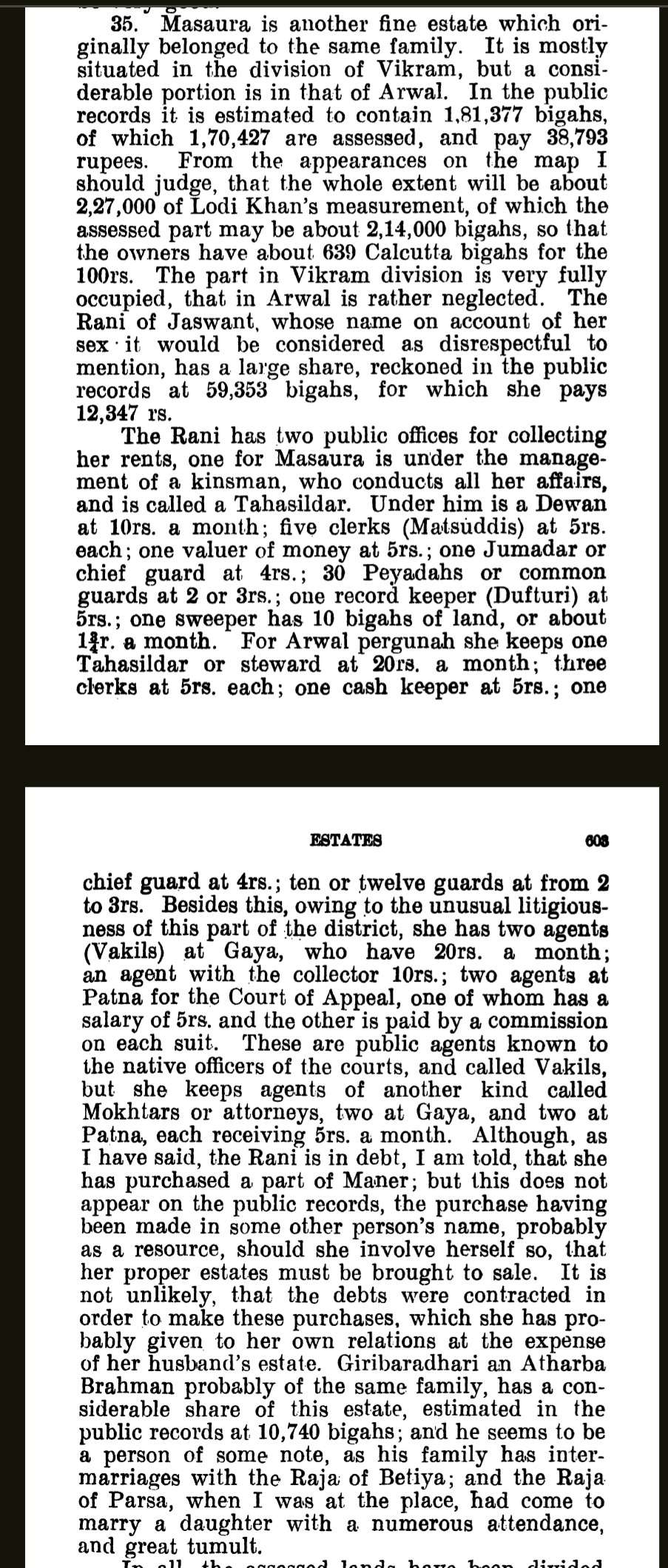
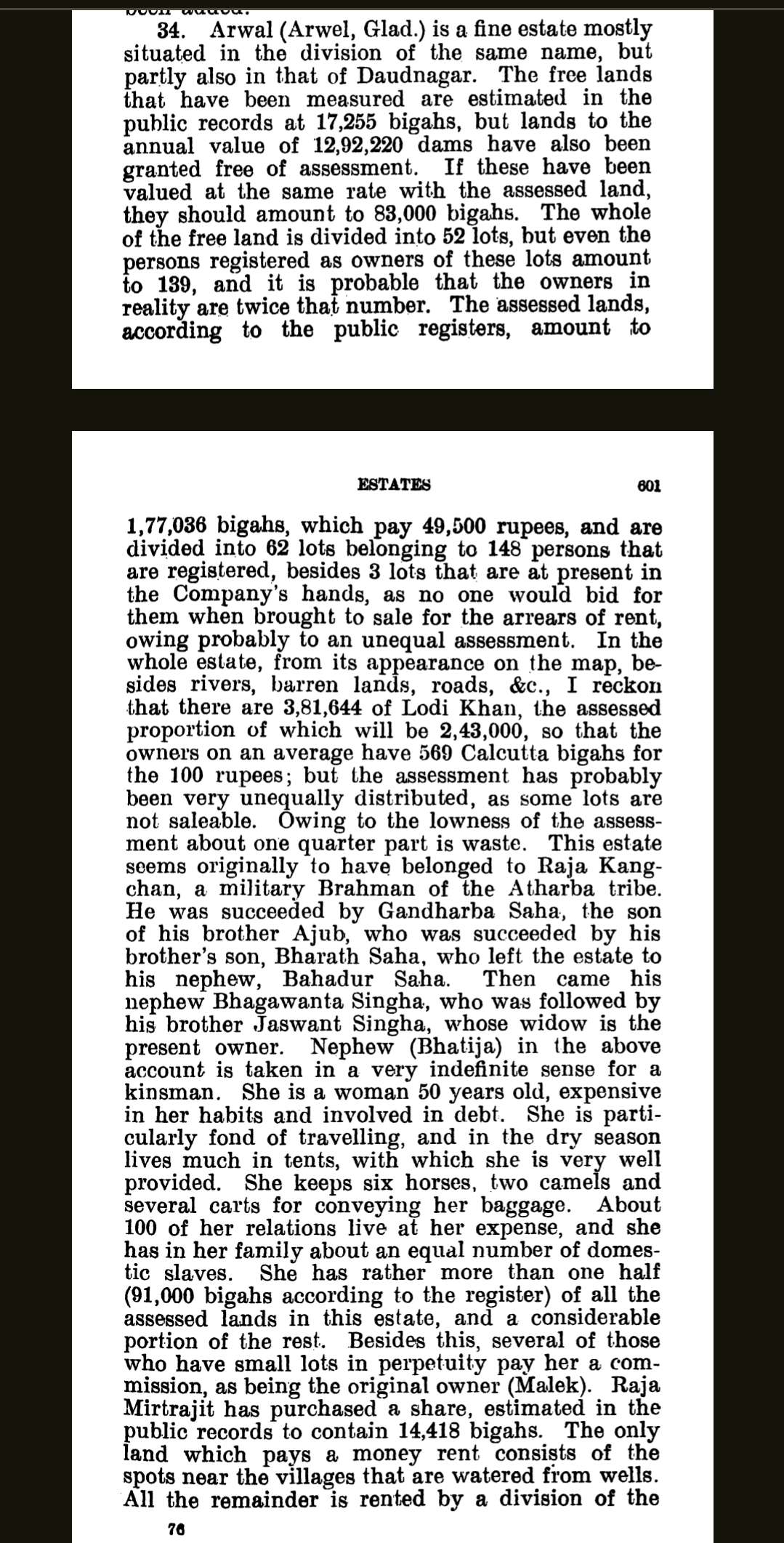
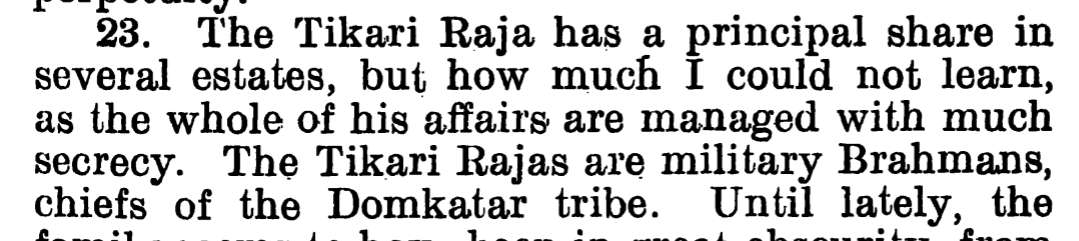
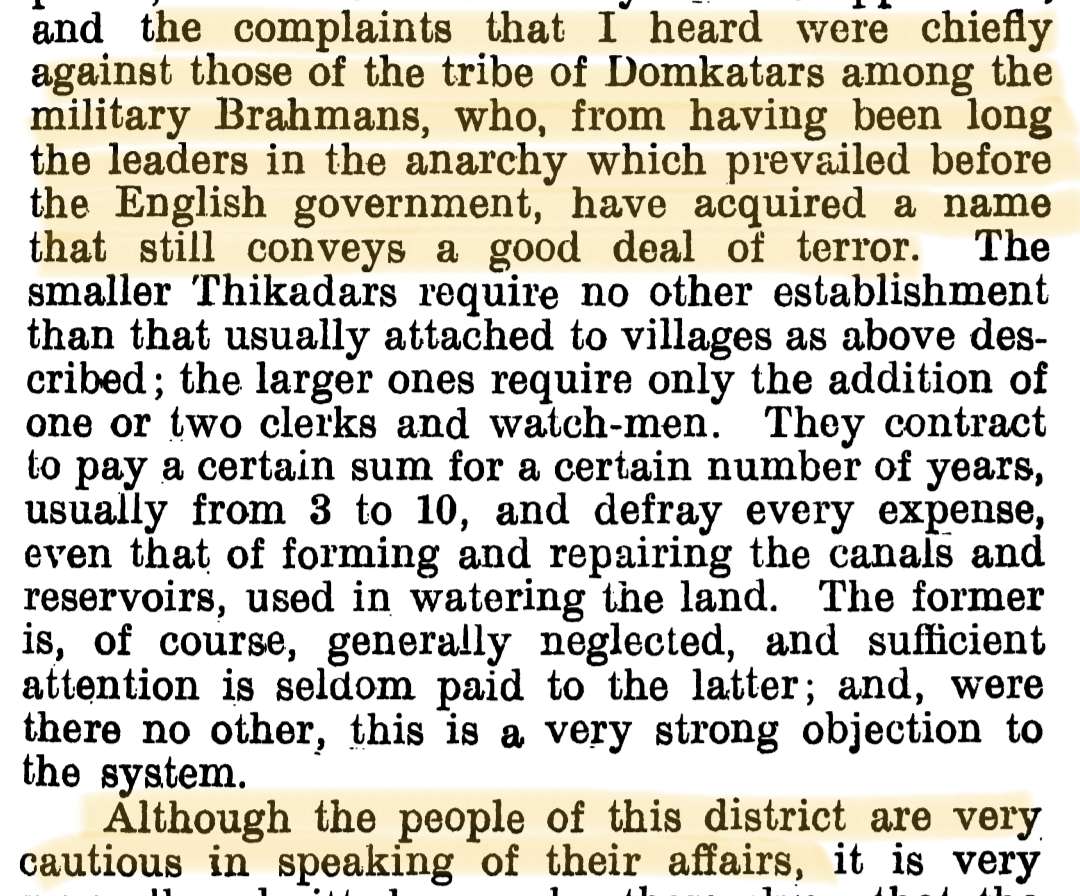
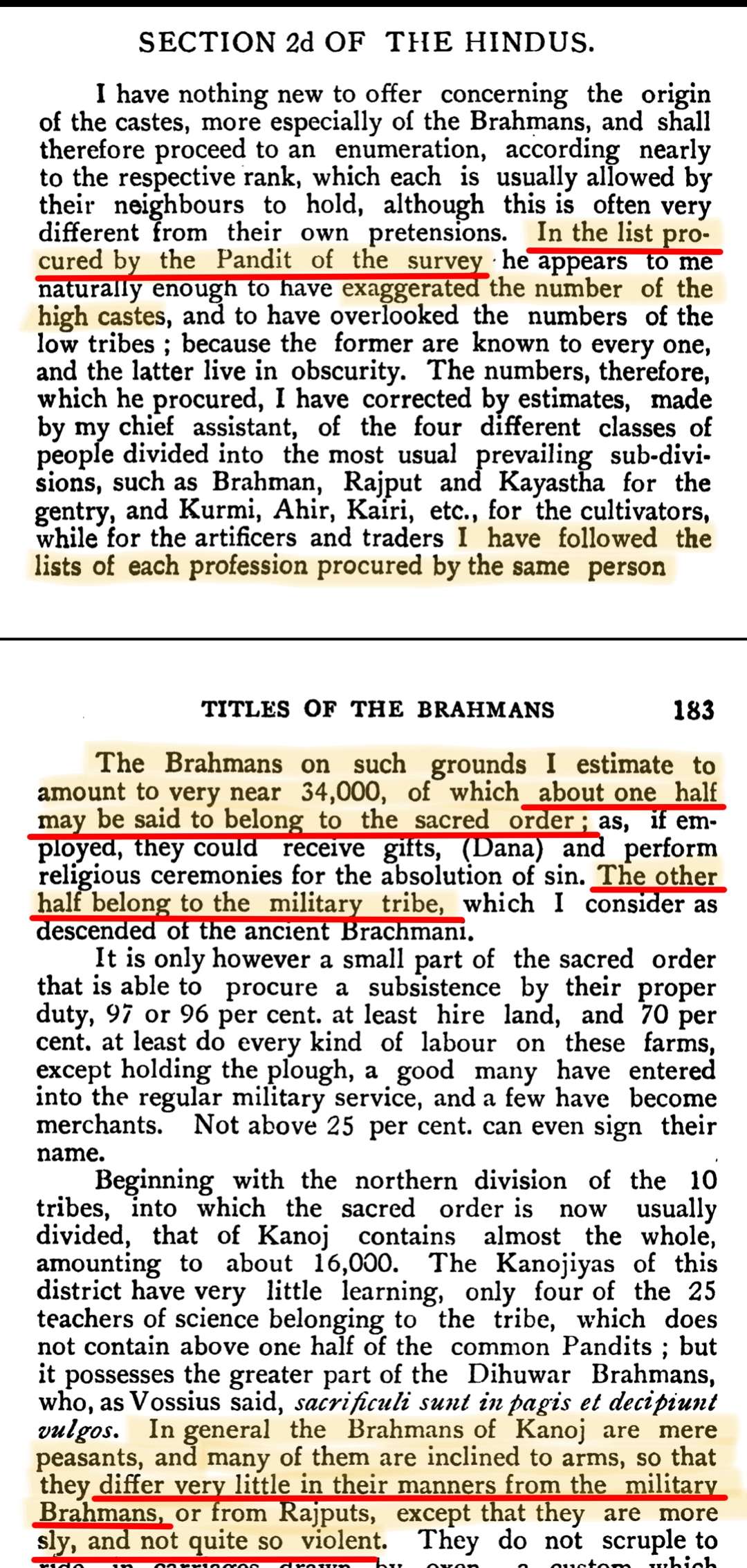
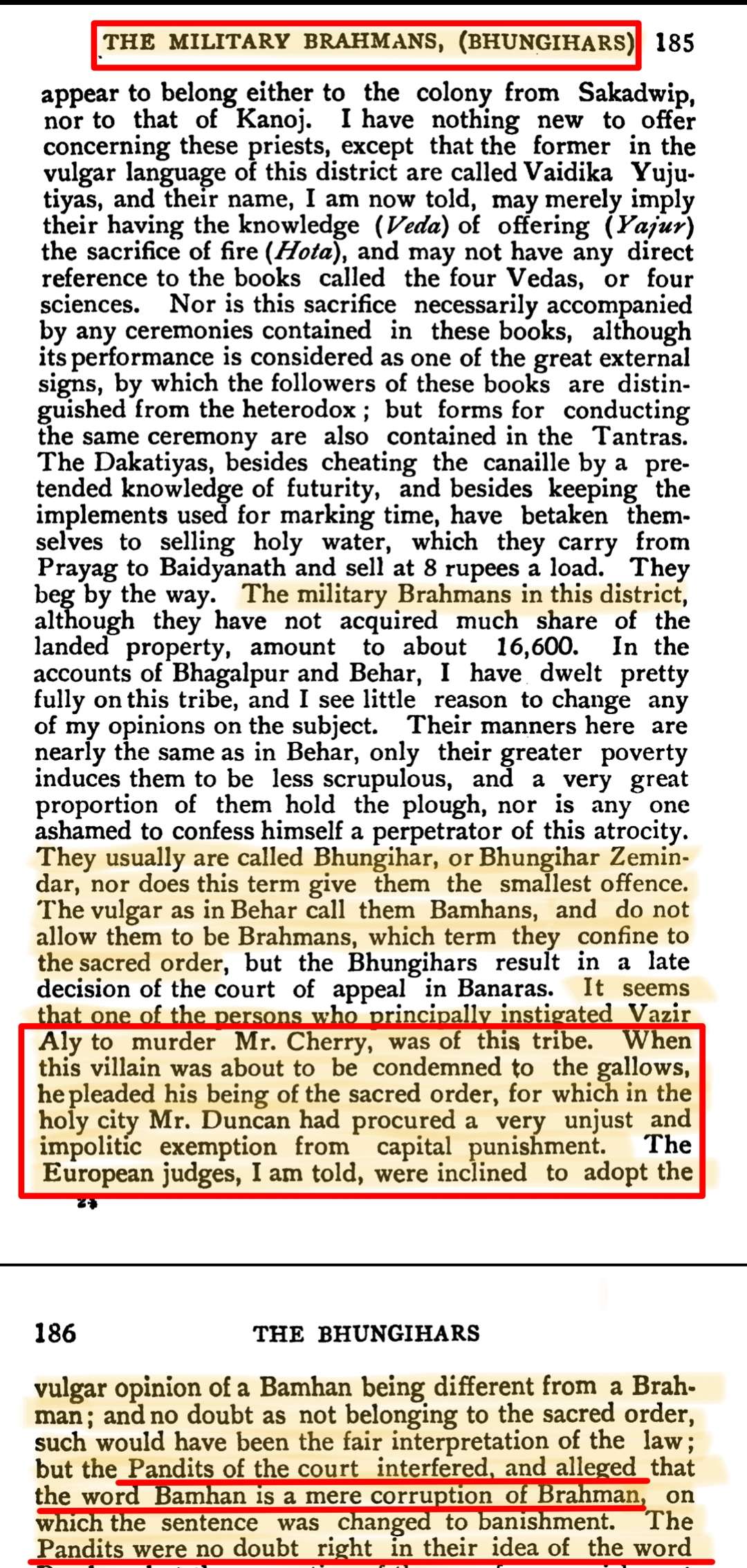
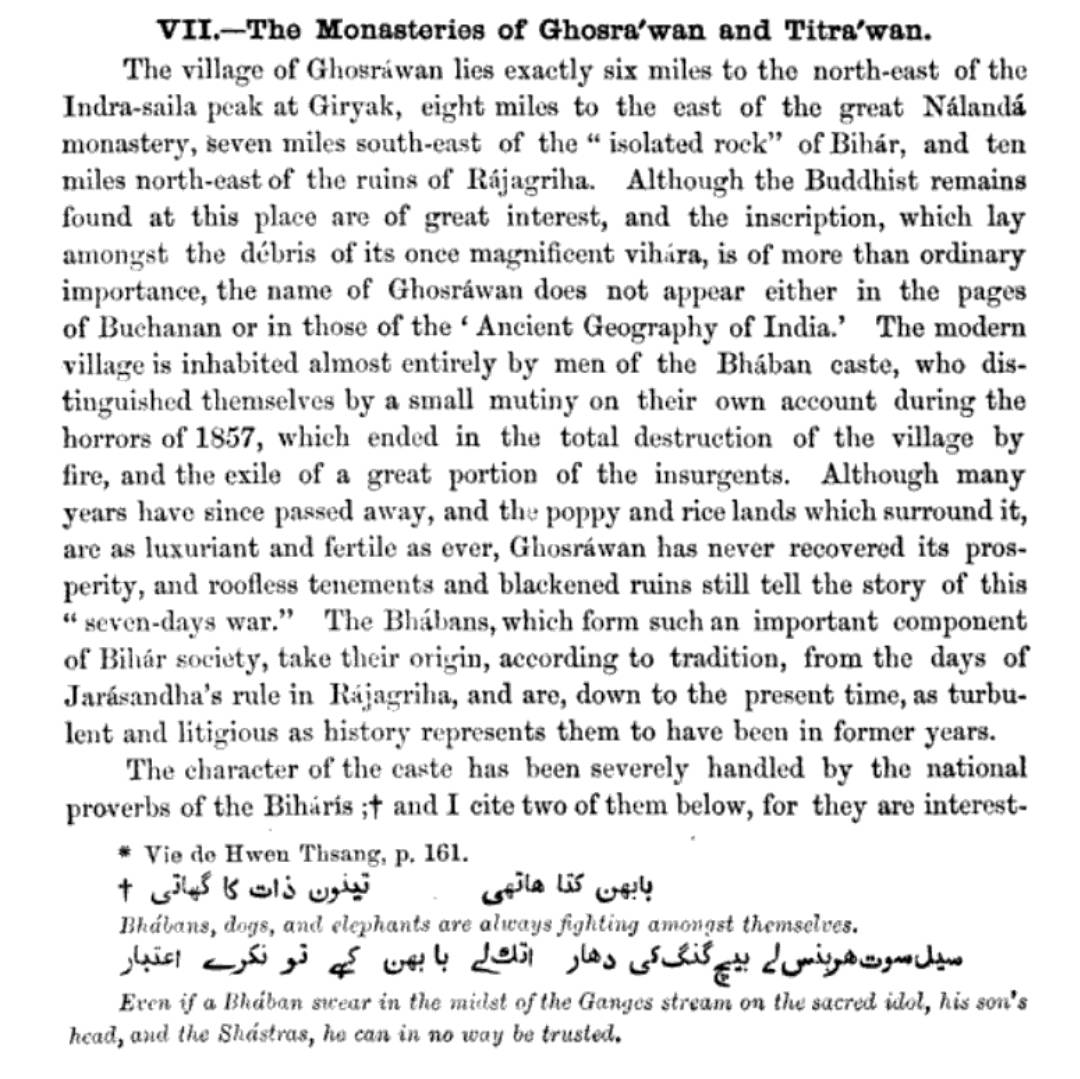
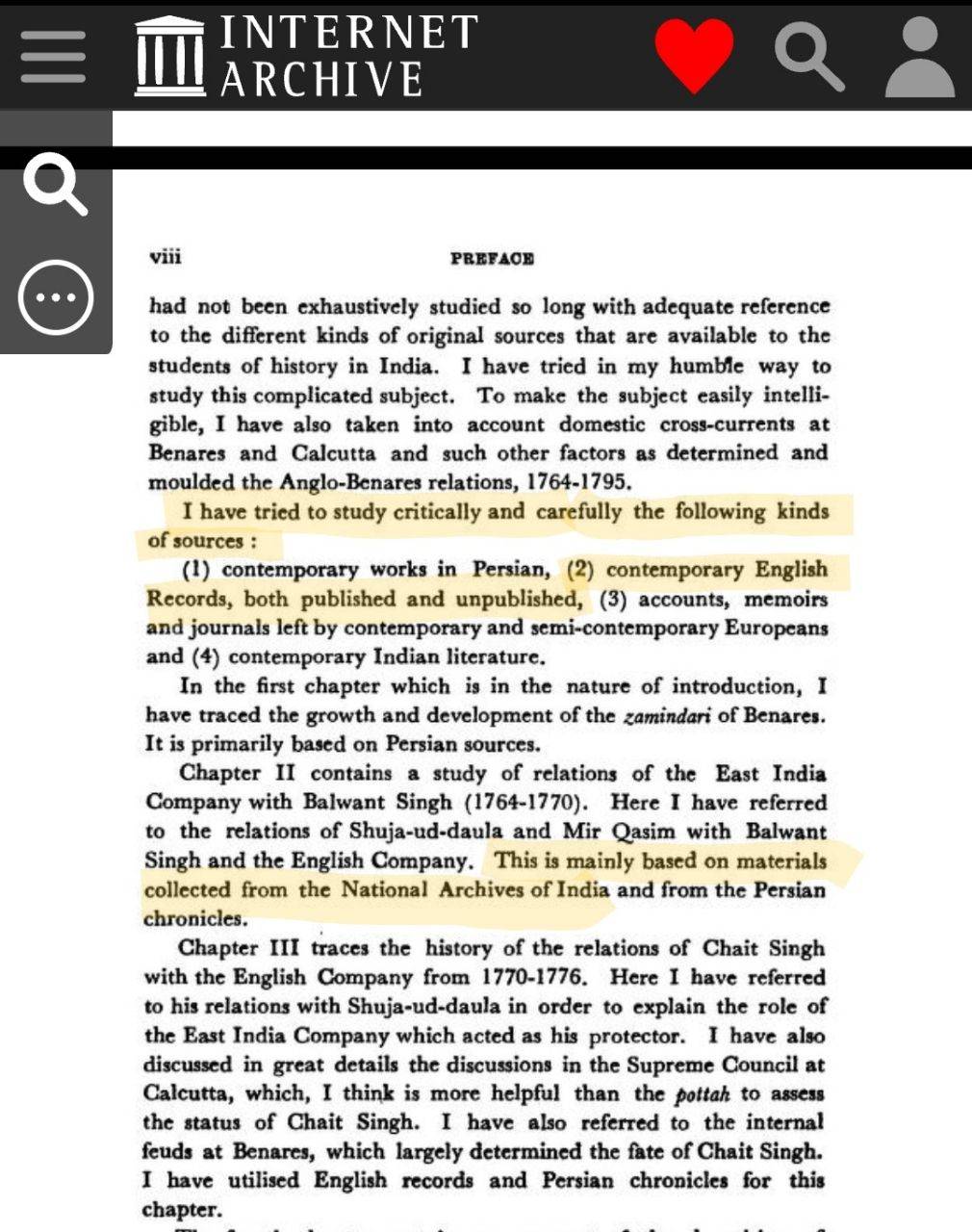
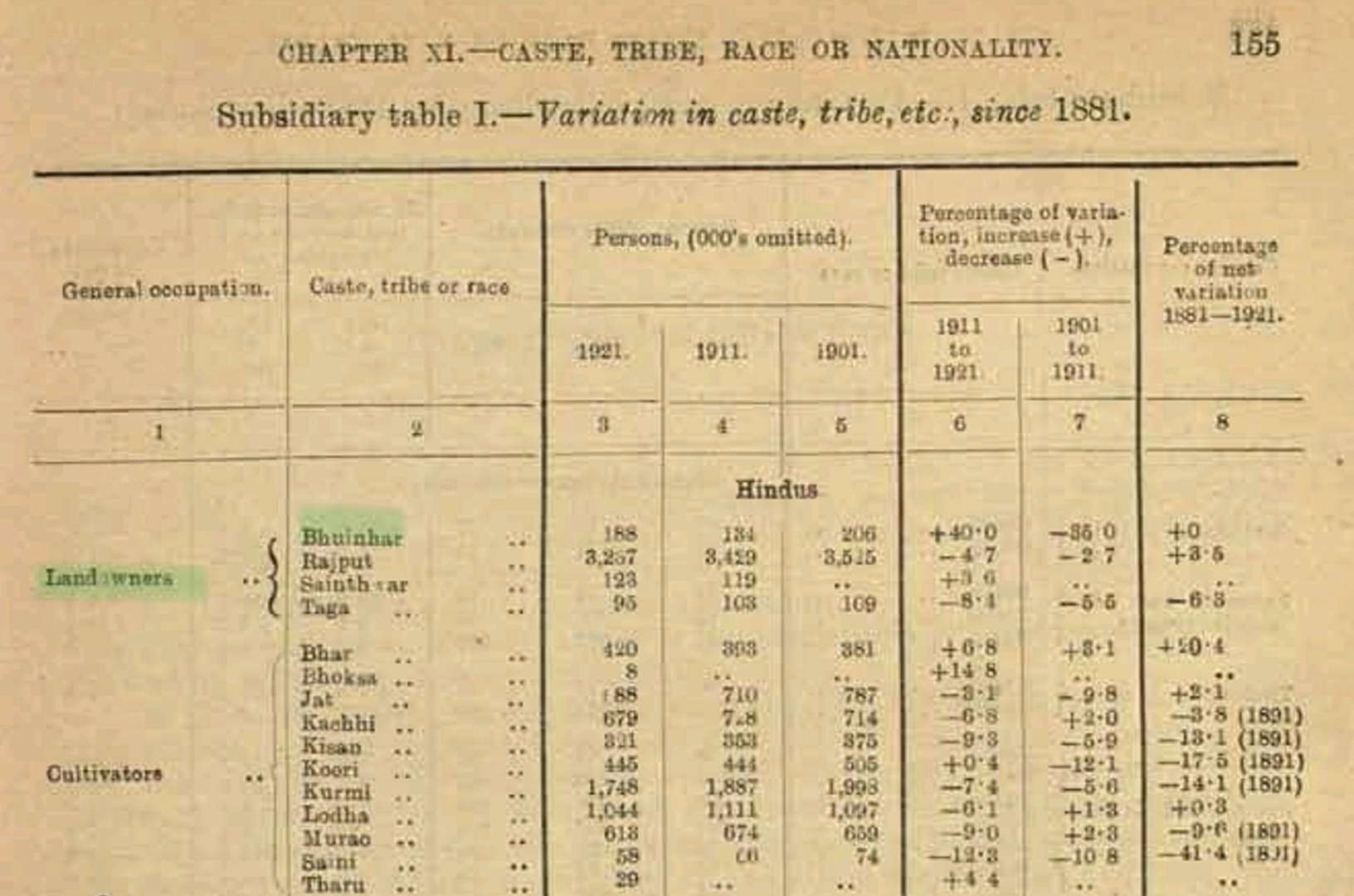
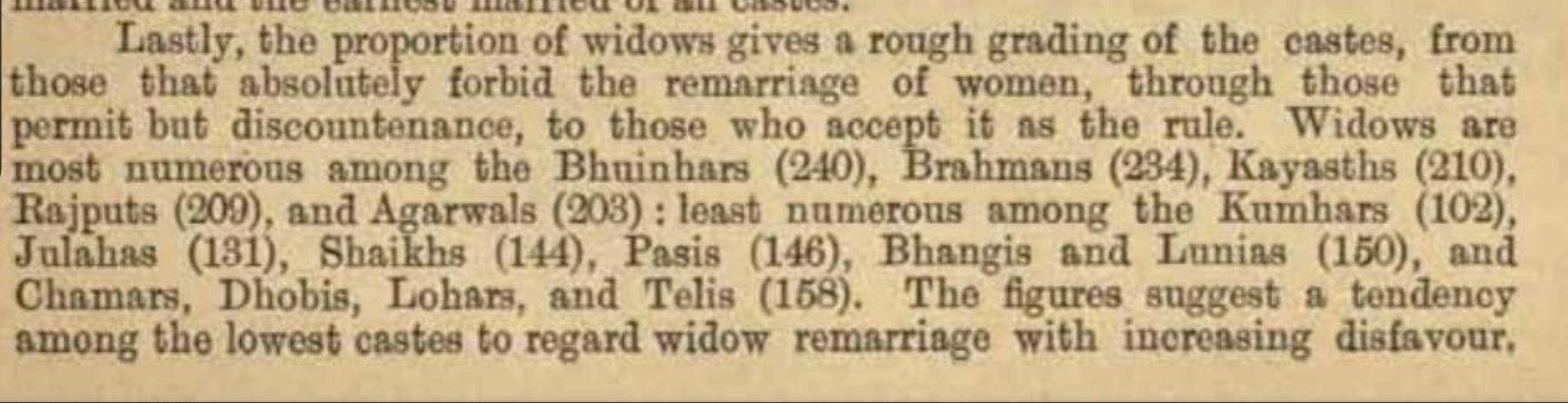
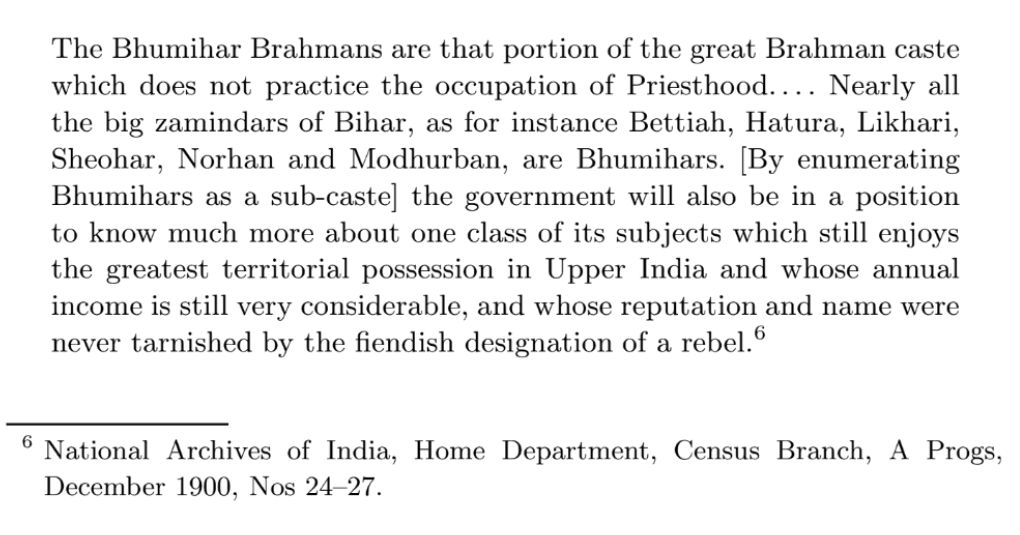
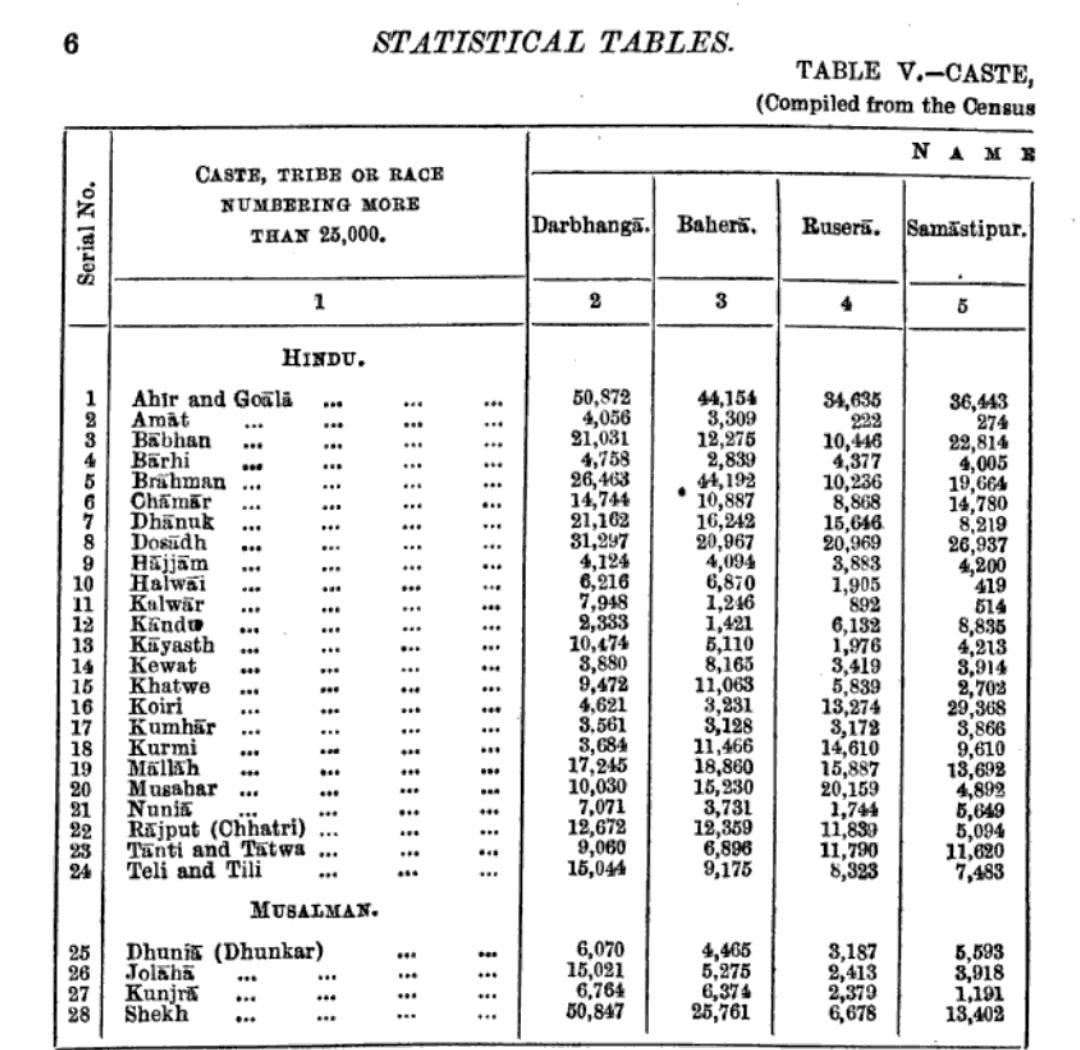
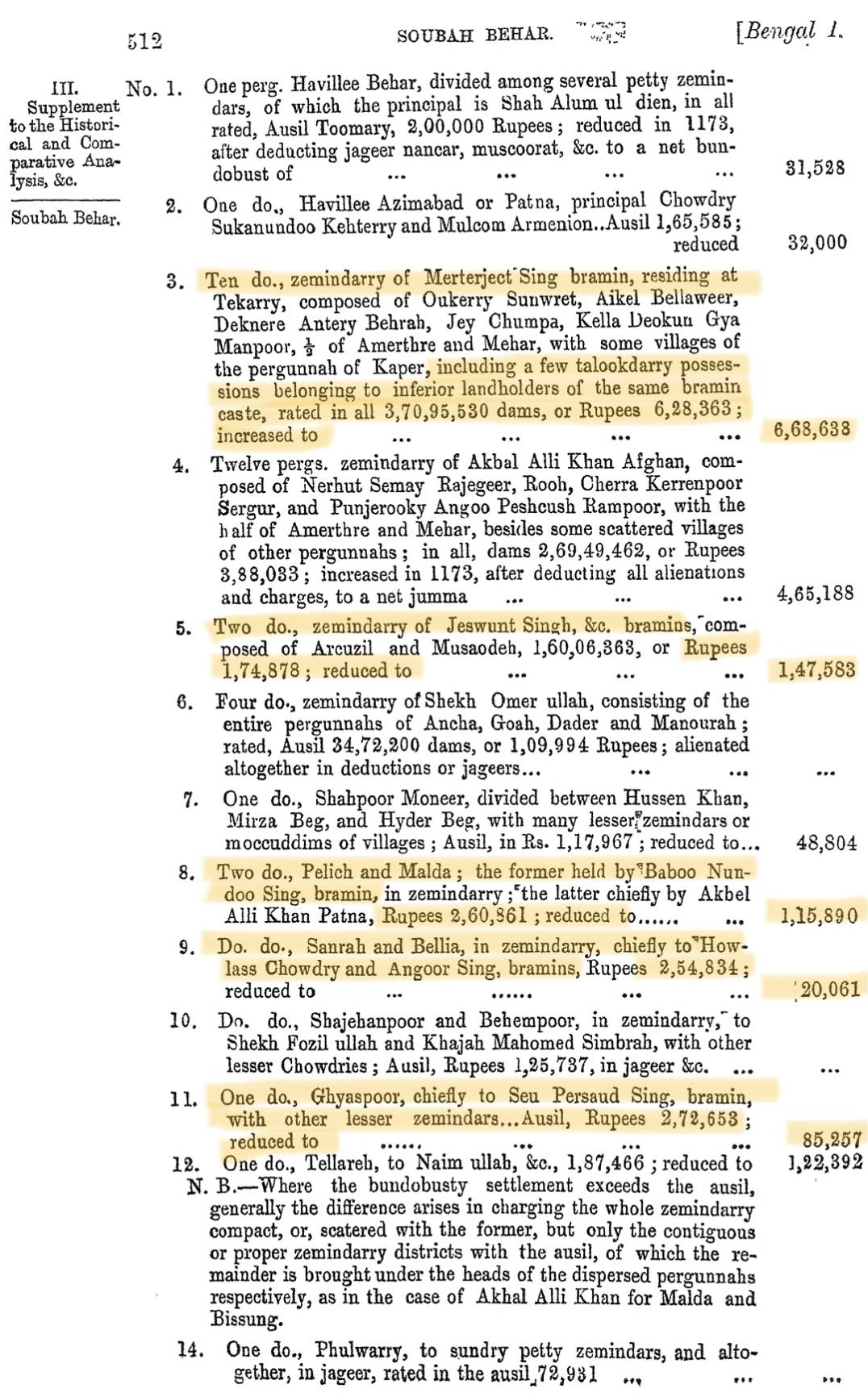
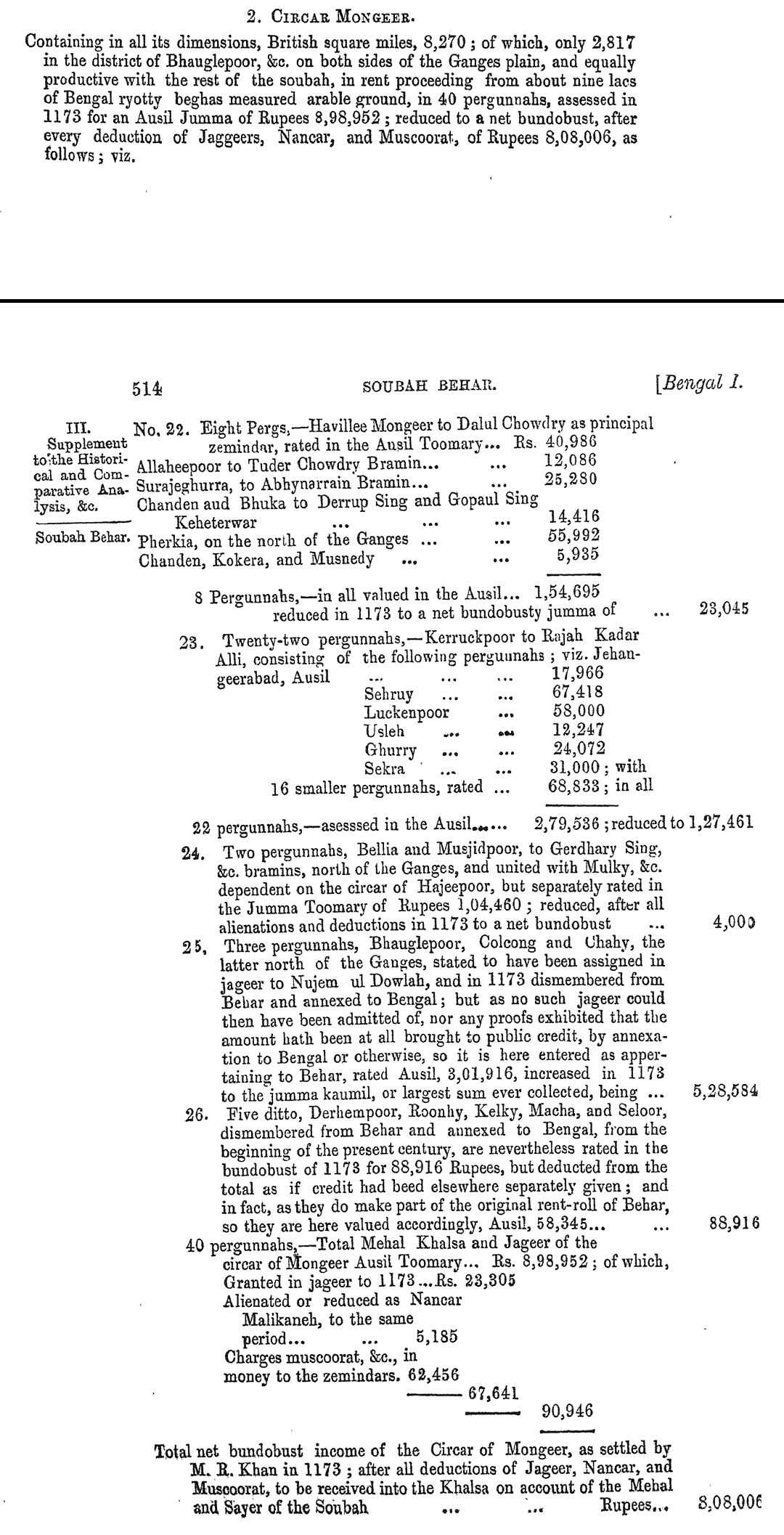
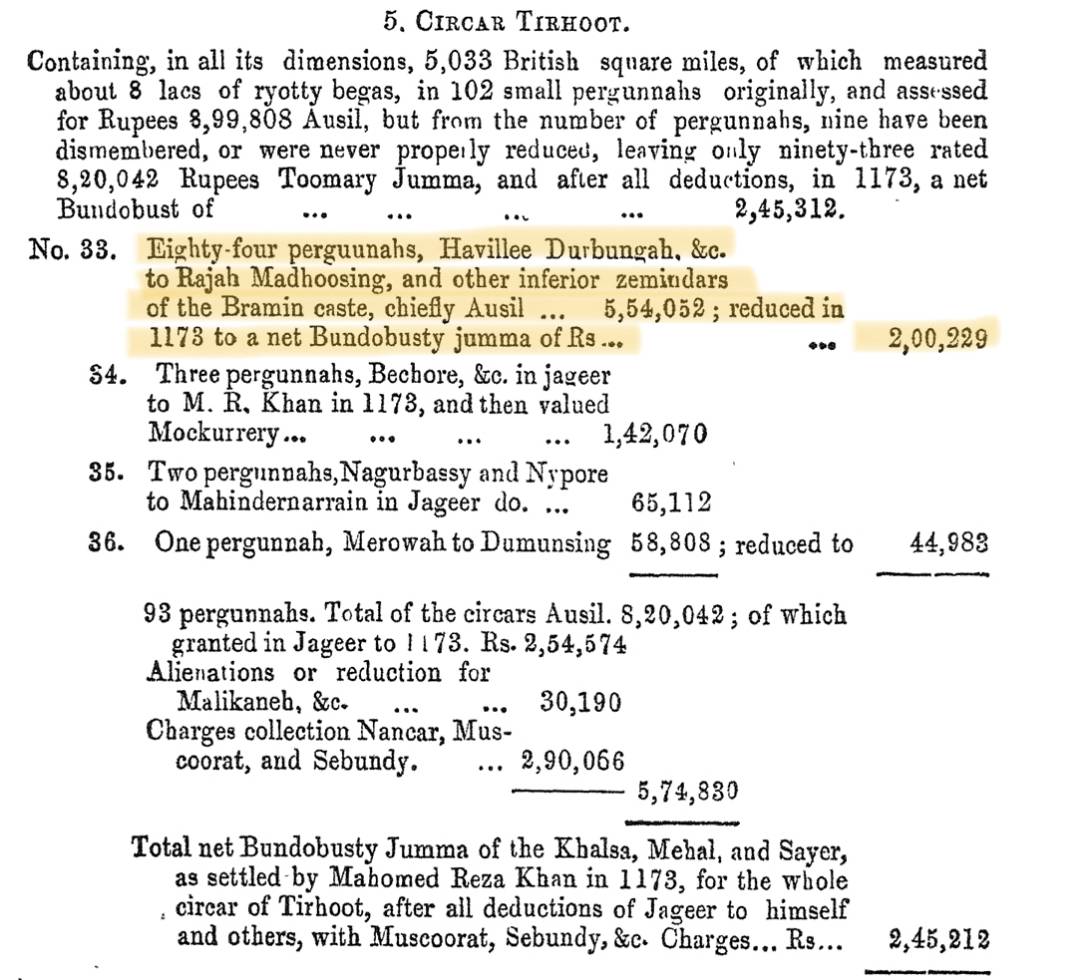
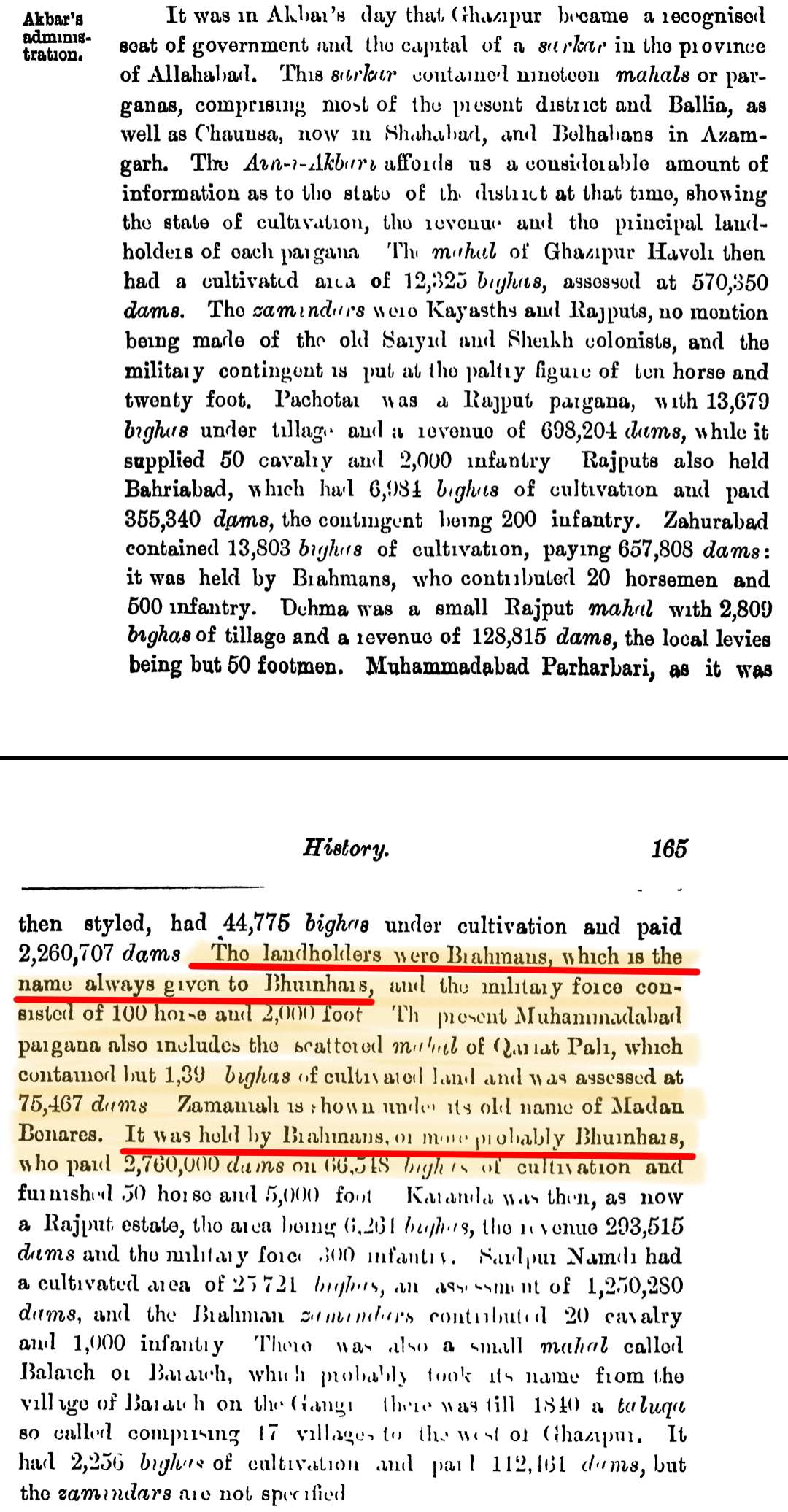
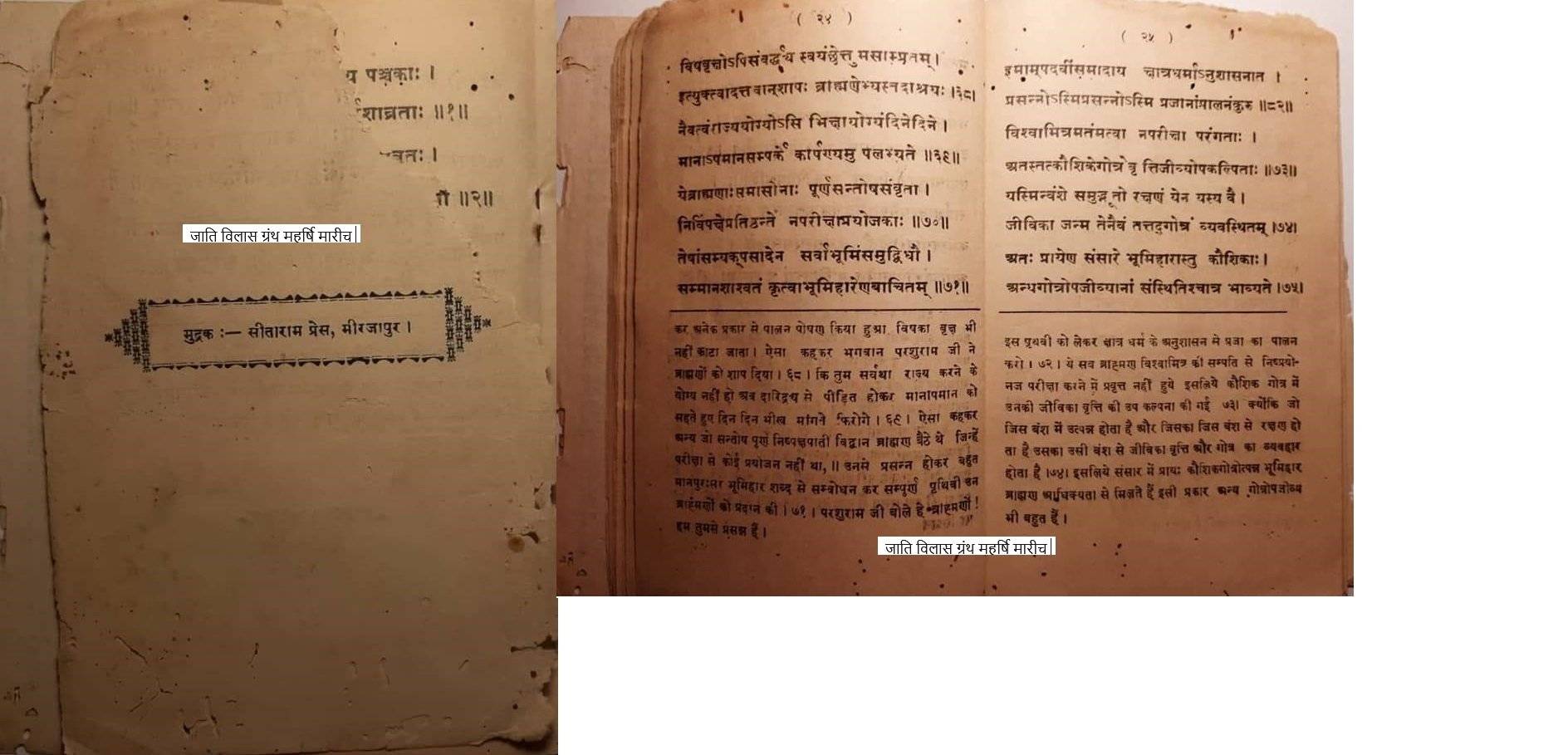
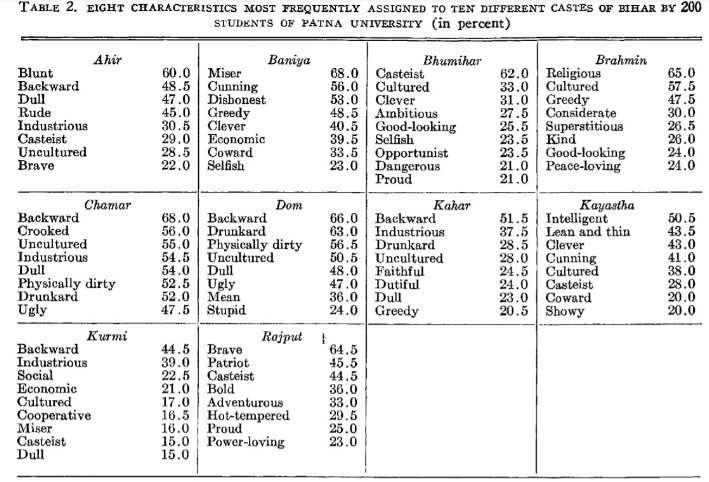
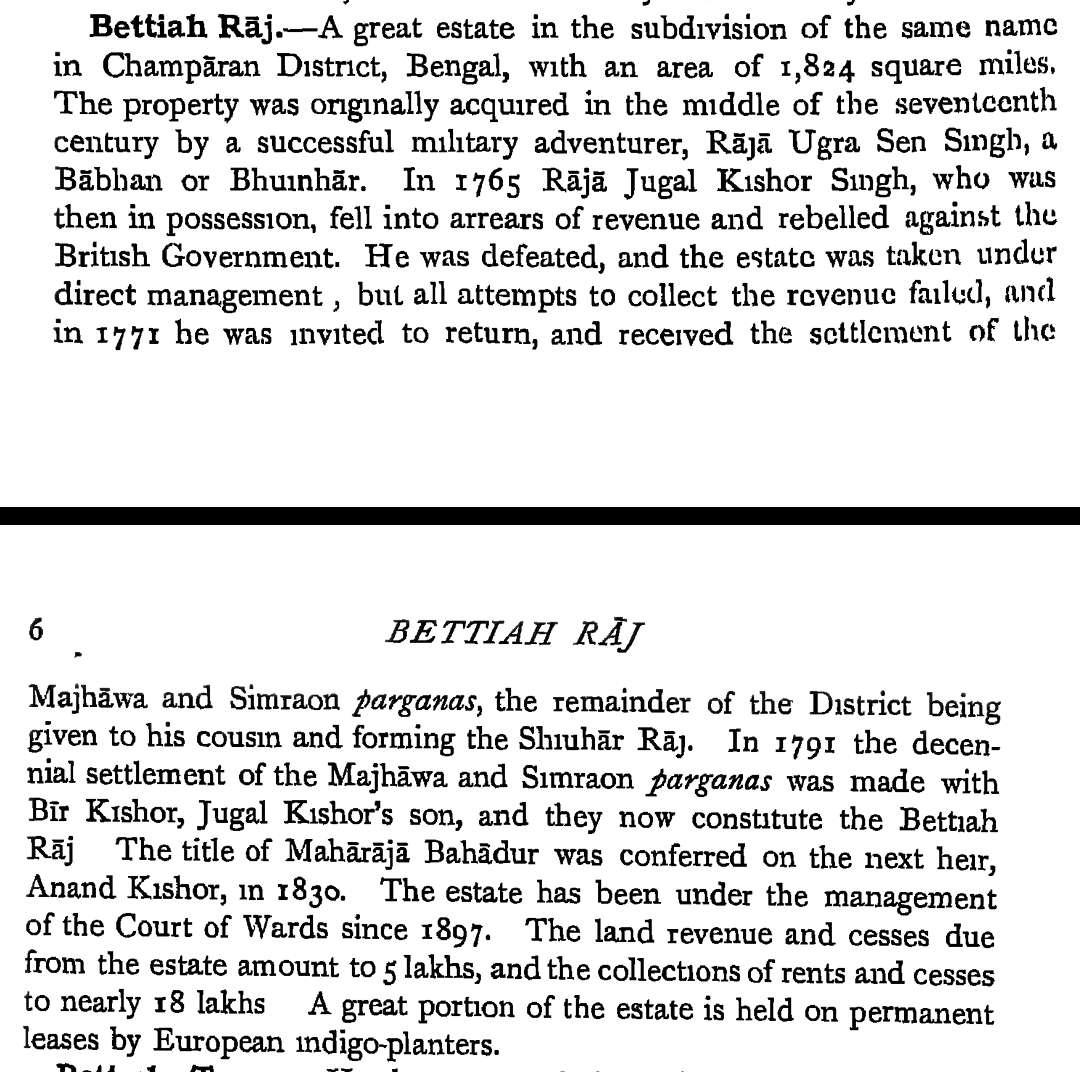
Debunking the lies about the history and lineage of the Bhumihars
Majmu'at ut-Tawarikh al-Bhunjahar
مجمع التواریخ، بکسر، بہار کے روی رائے اور غازی پور، اتر پردیش کے چوہدری جواد خان اور غلام رسول خان کی تاریخی معلومات جمع کرنے کا مشترکہ اقدام ہے۔ اپنے روزمرہ کے معمولات میں سے وقت نکال کر، وہ برطانوی راج دور کی پرانی کتابوں، مردم شماریوں اور نسلیات کے ساتھ ساتھ اسلامی دور کے فارسی اور عربی اکاؤنٹس کو تلاش کر رہے ہیں جو موجودہ بہار اور
پردیش سے متعلق ہیں، اور بھومیہار/بابھانوں کے حوالے سے ہر ممکن حوالہ تلاش کر رہے ہیں۔ ان کا مقصد کمیونٹی کی حقیقی تاریخ سے پردہ اٹھانا اور سماج کے بعض طبقوں کی طرف سے ان کے خلاف پروپیگنڈہ کیے جانے والے غلط فہمیوں اور جھوٹوں کو دور کرنا ہے جو بھومیہار/بابھانوں کی بے داغ شہرت اور میراث سے حسد کرتے ہوئے، انہیں بدنام اور بدنام کرنے کی کوشش کرتے ہیں۔
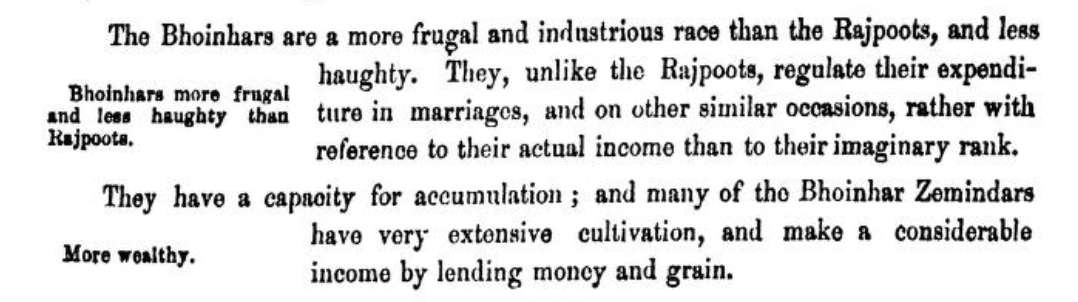
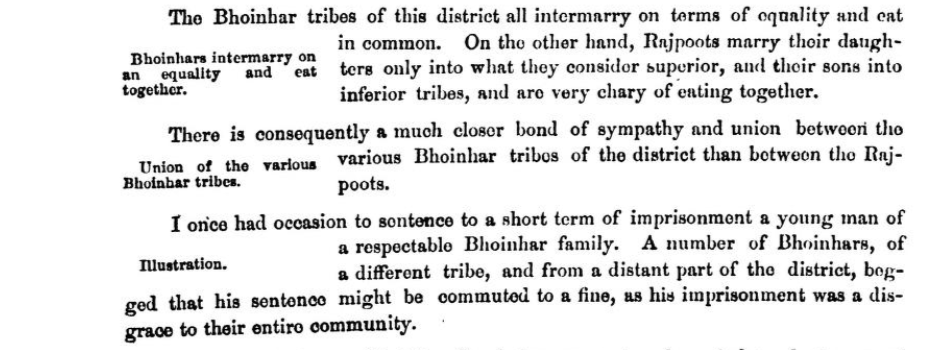


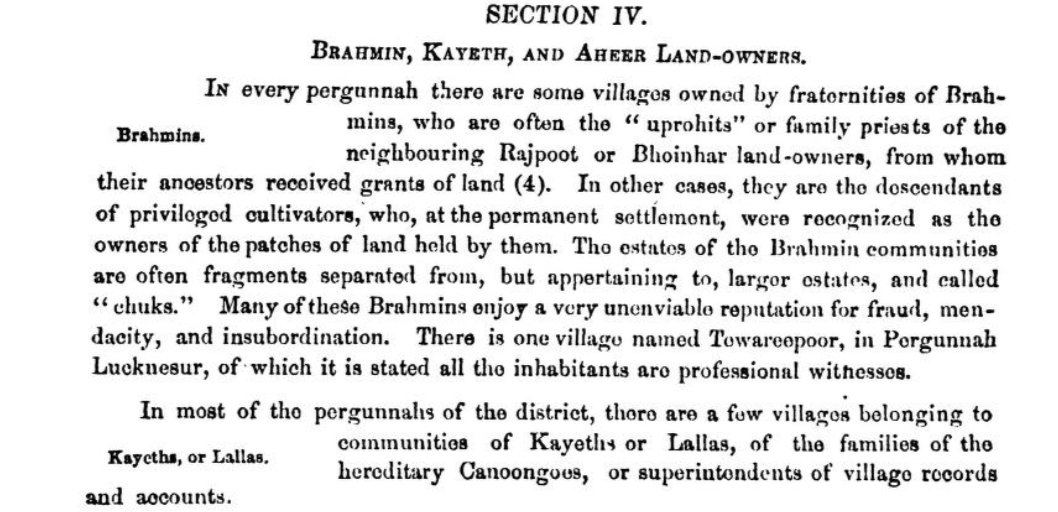
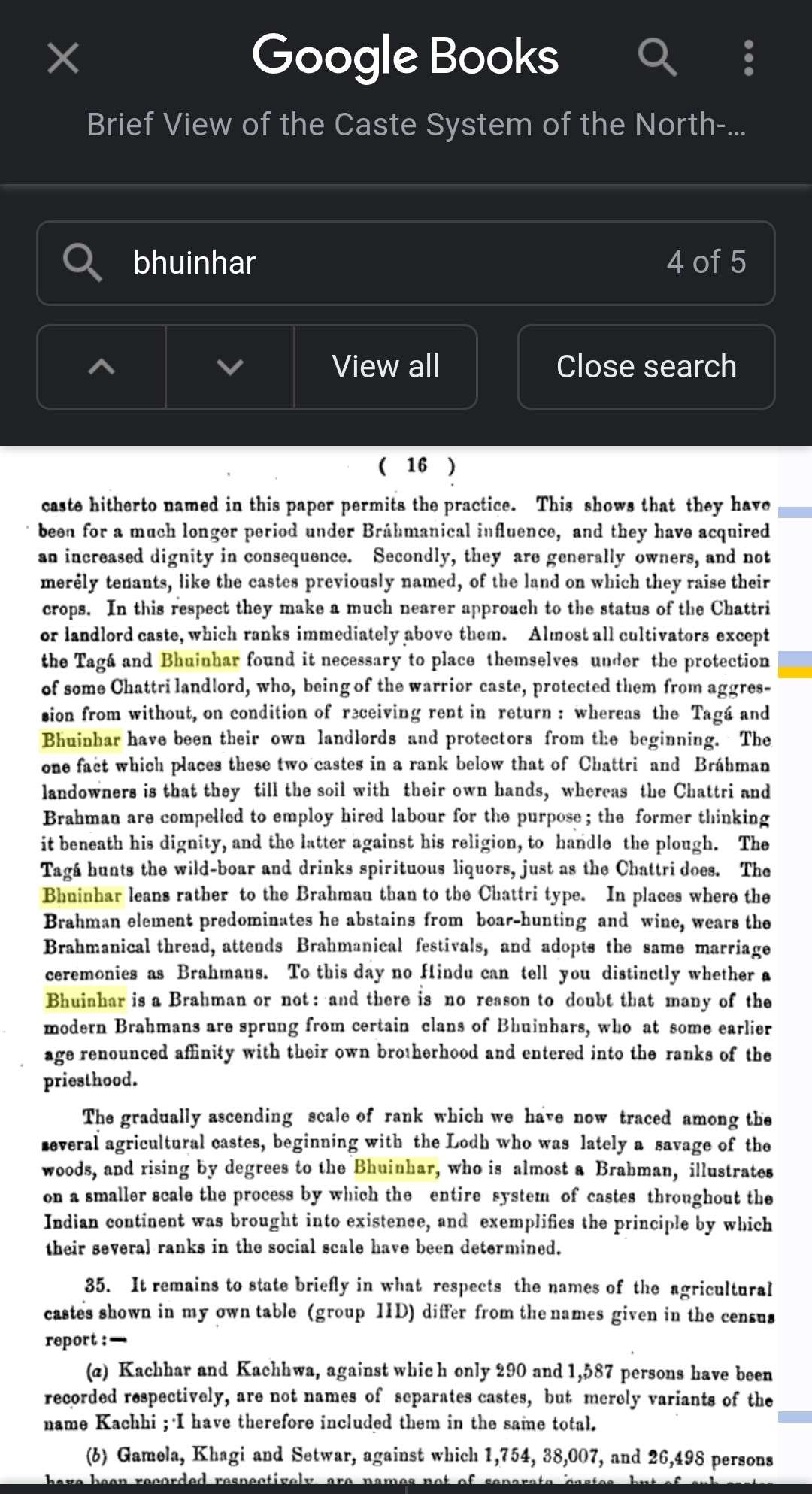
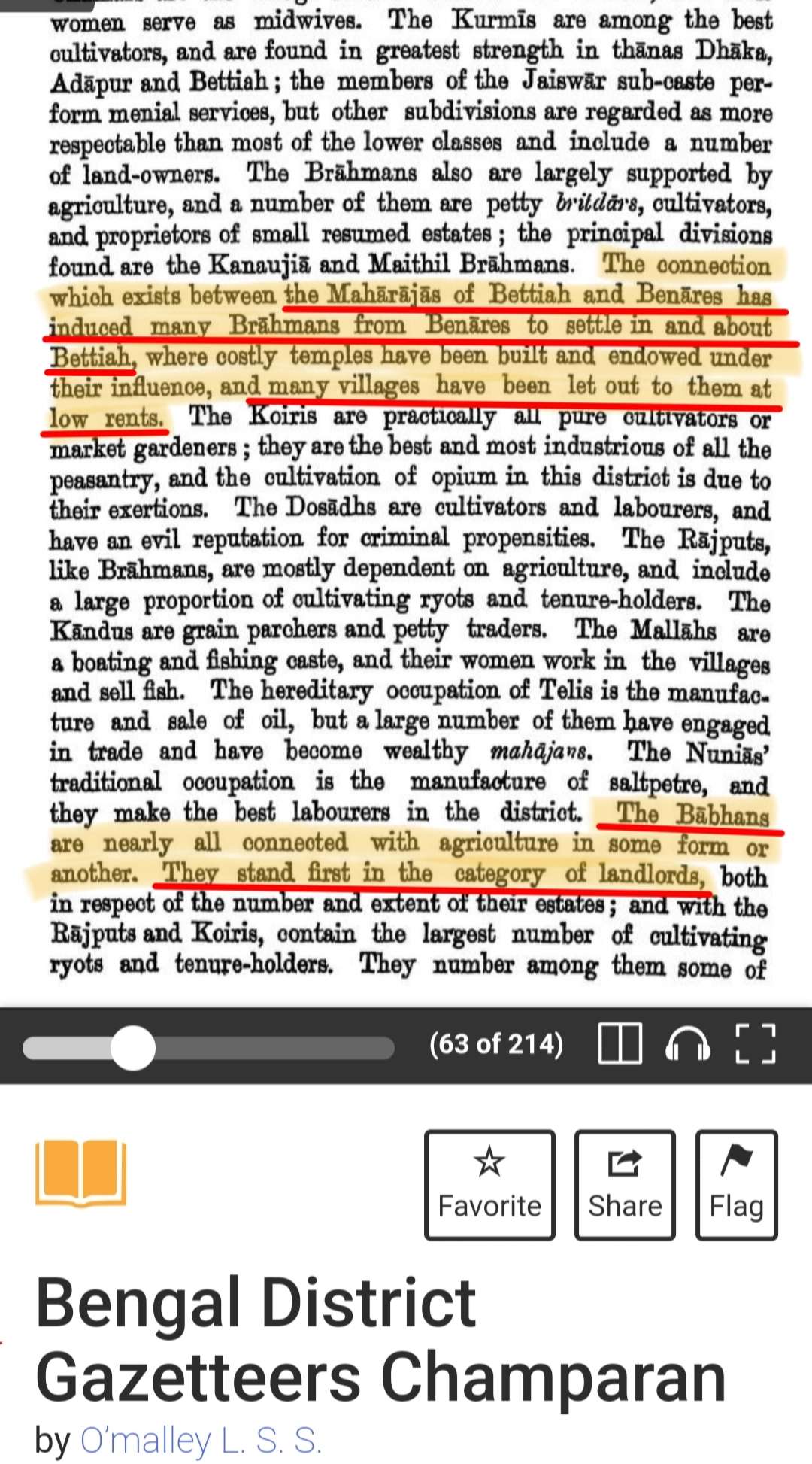
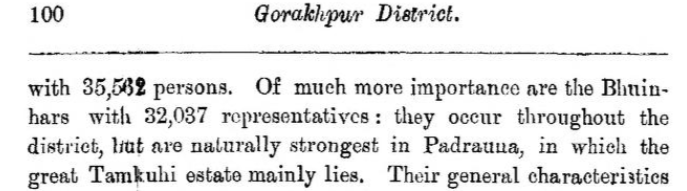
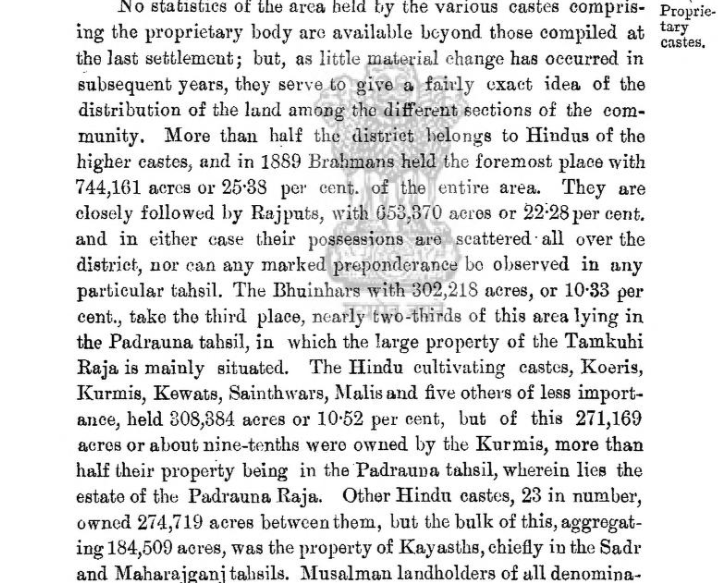
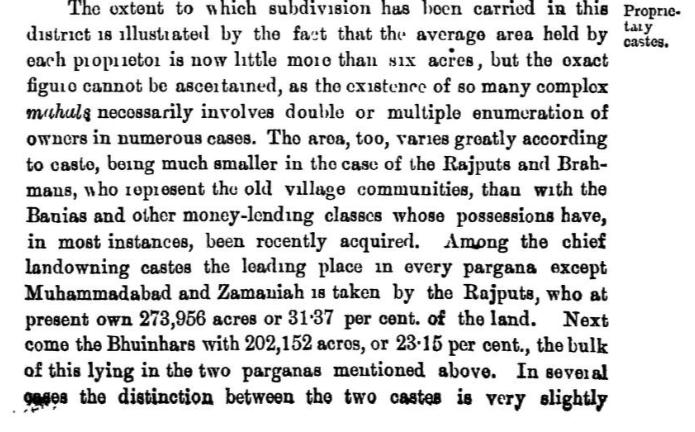


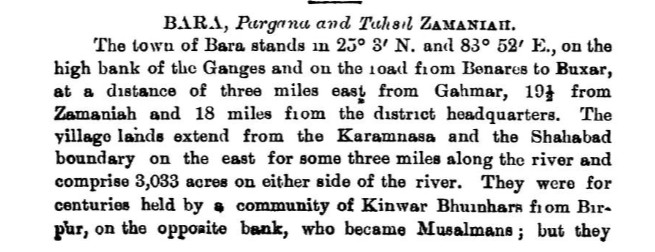

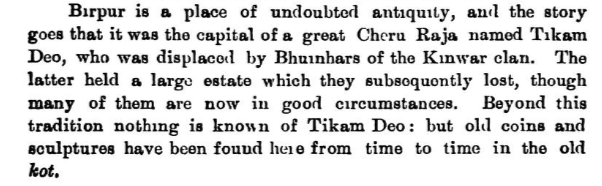
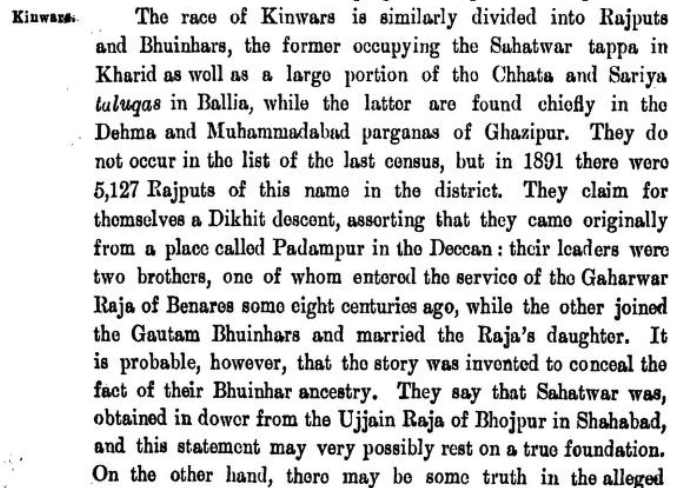
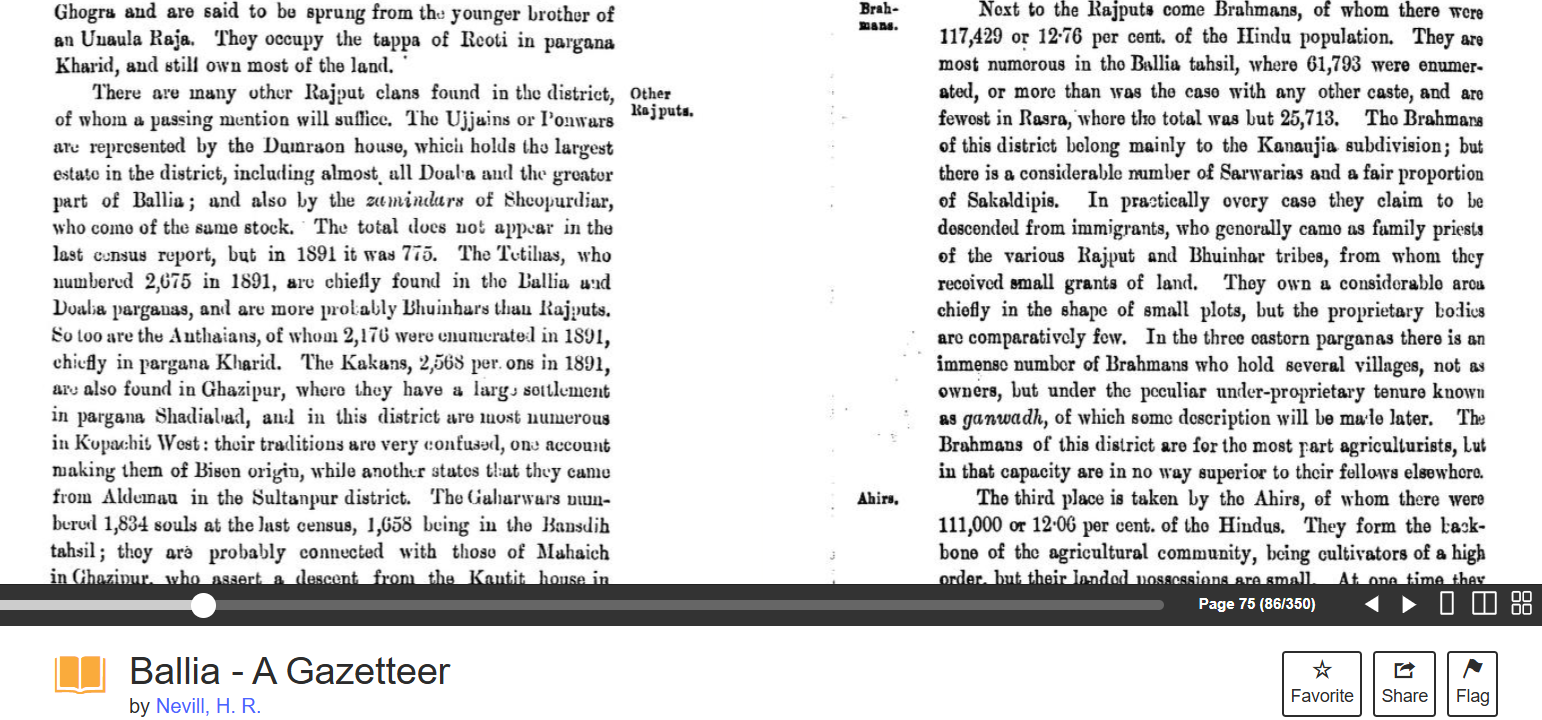
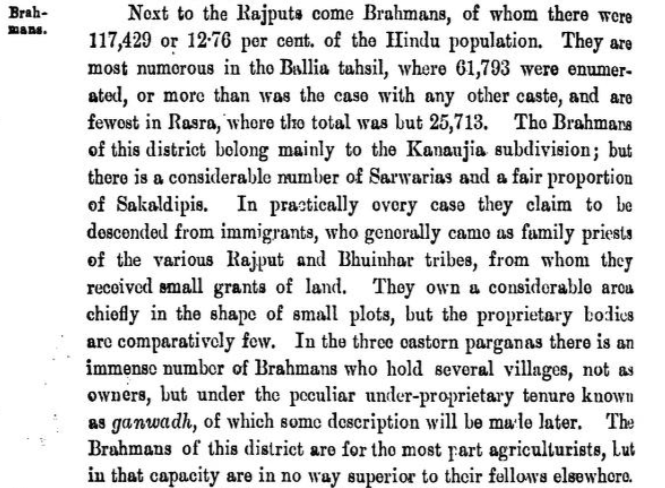
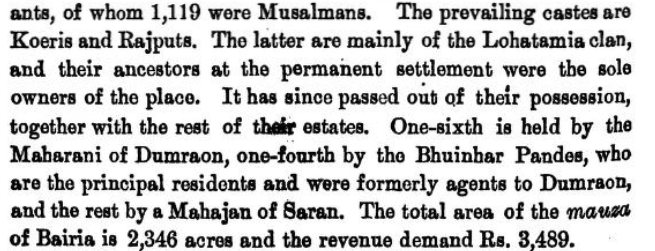
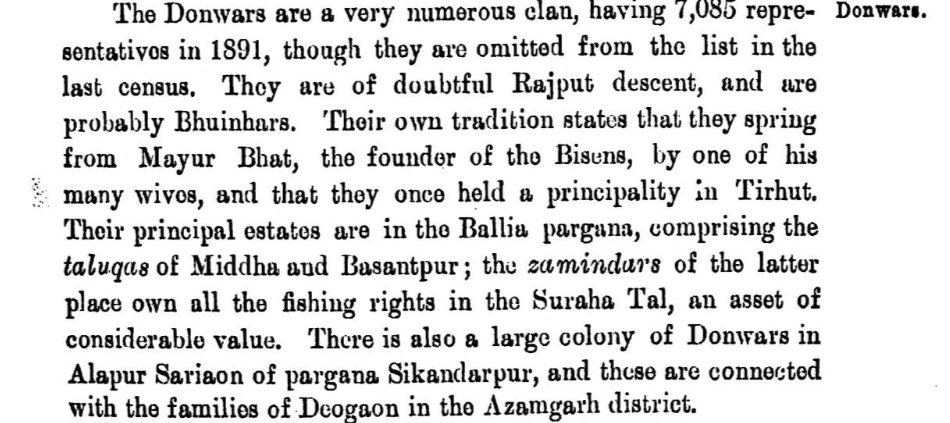
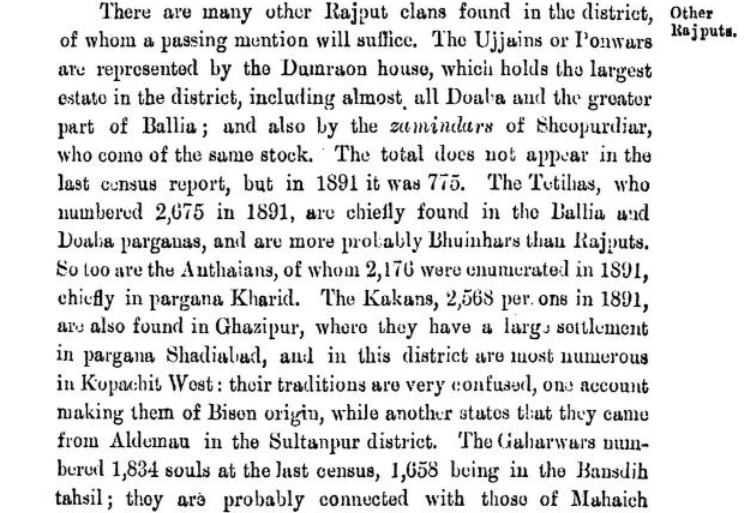

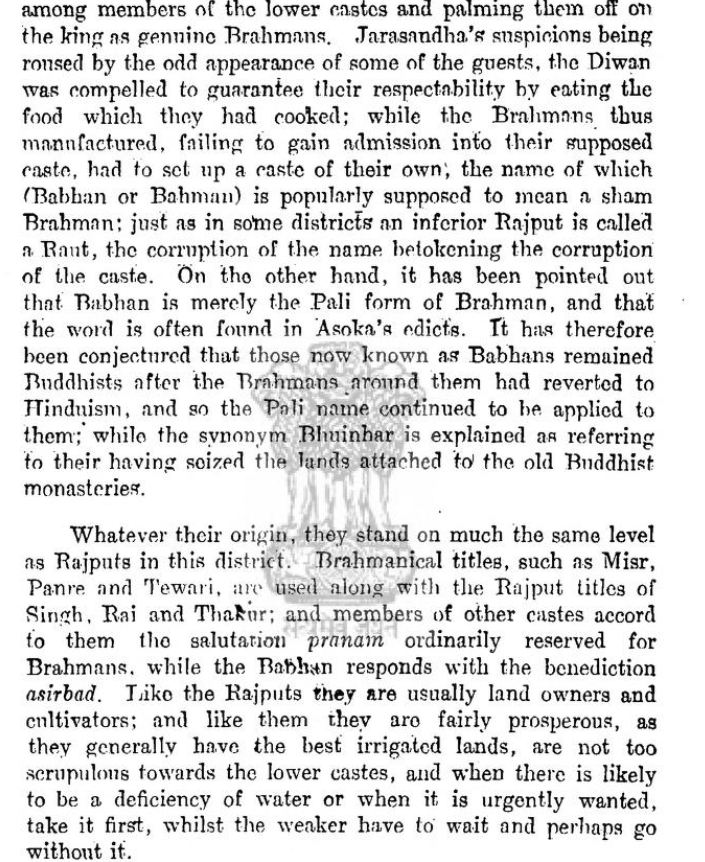
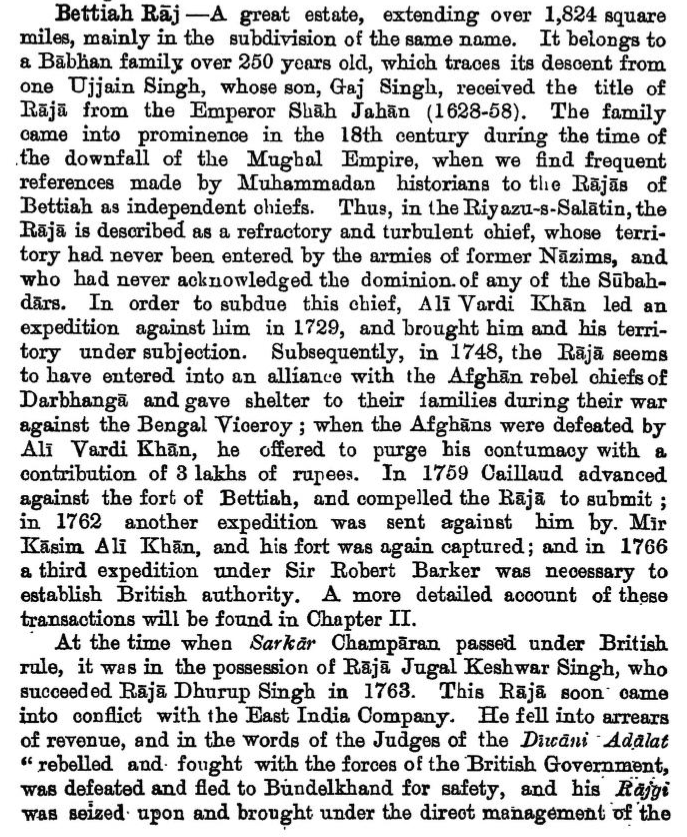
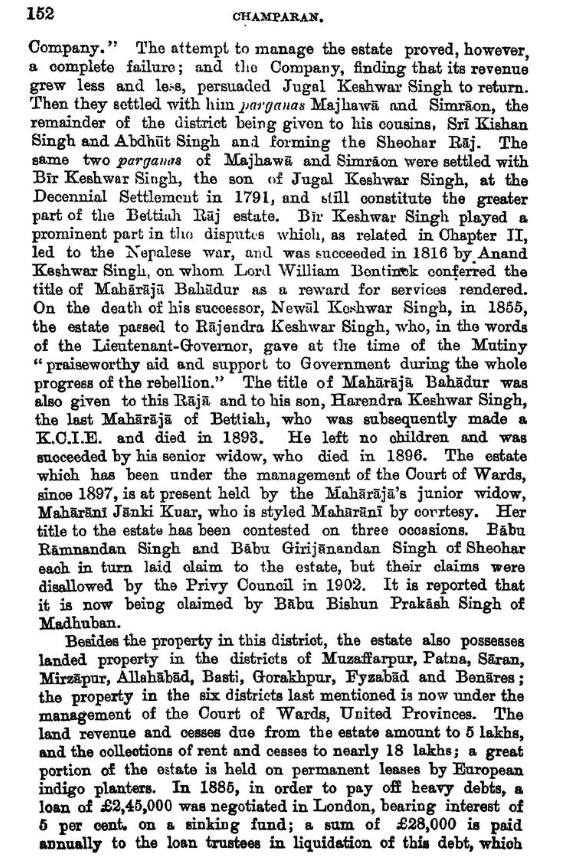

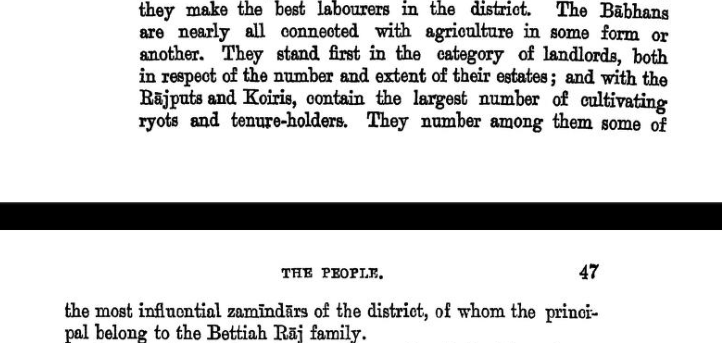

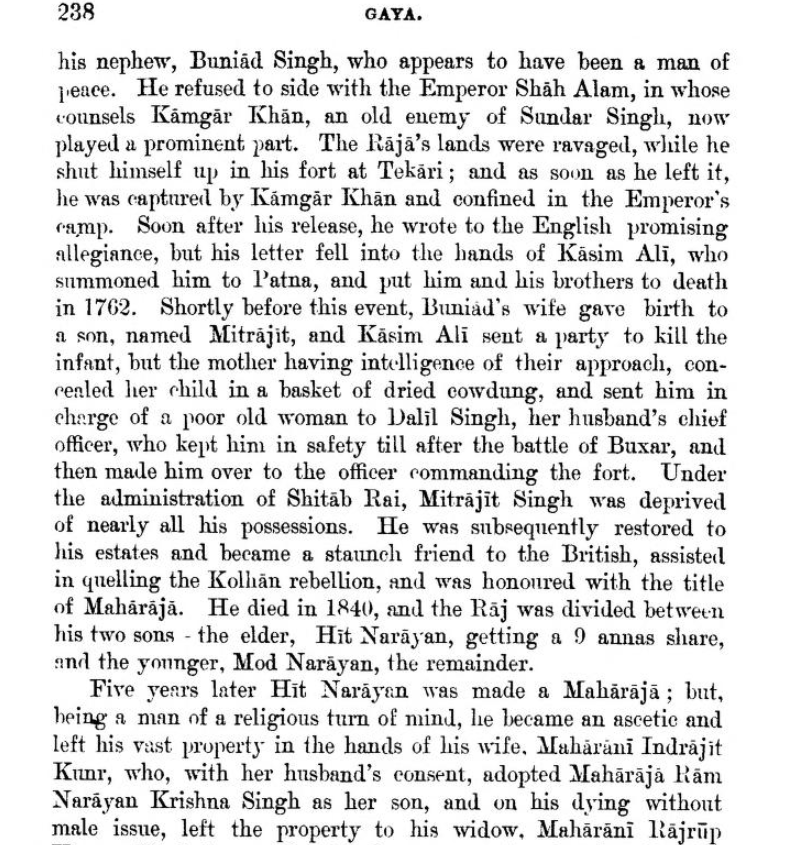
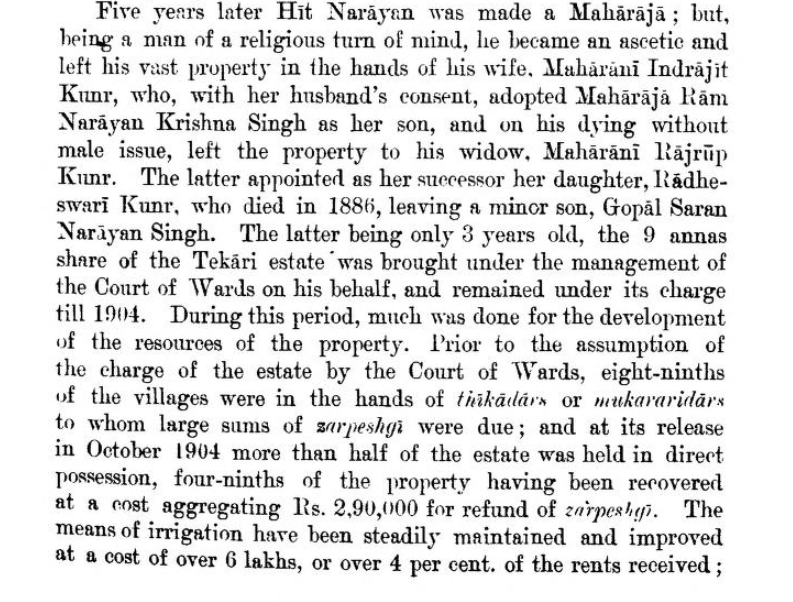
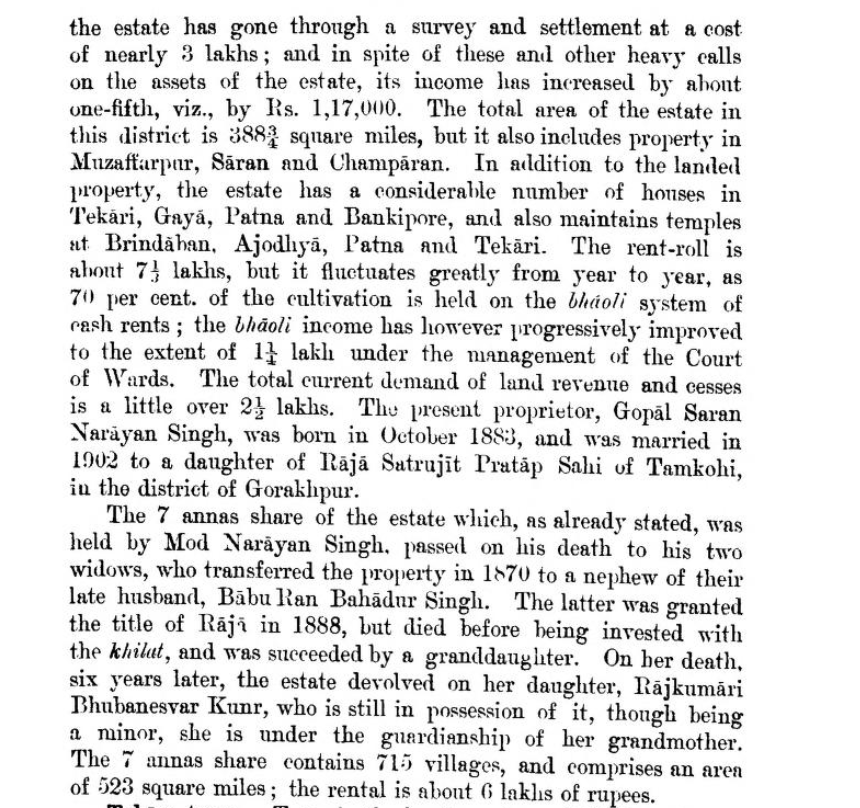
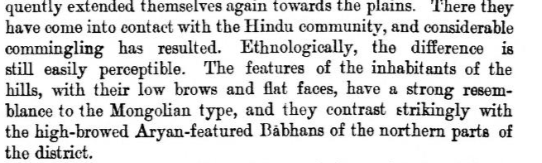
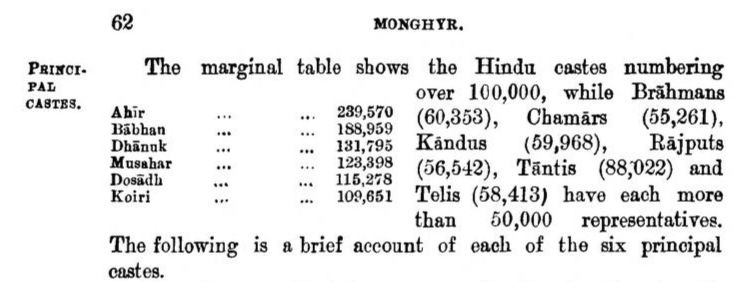
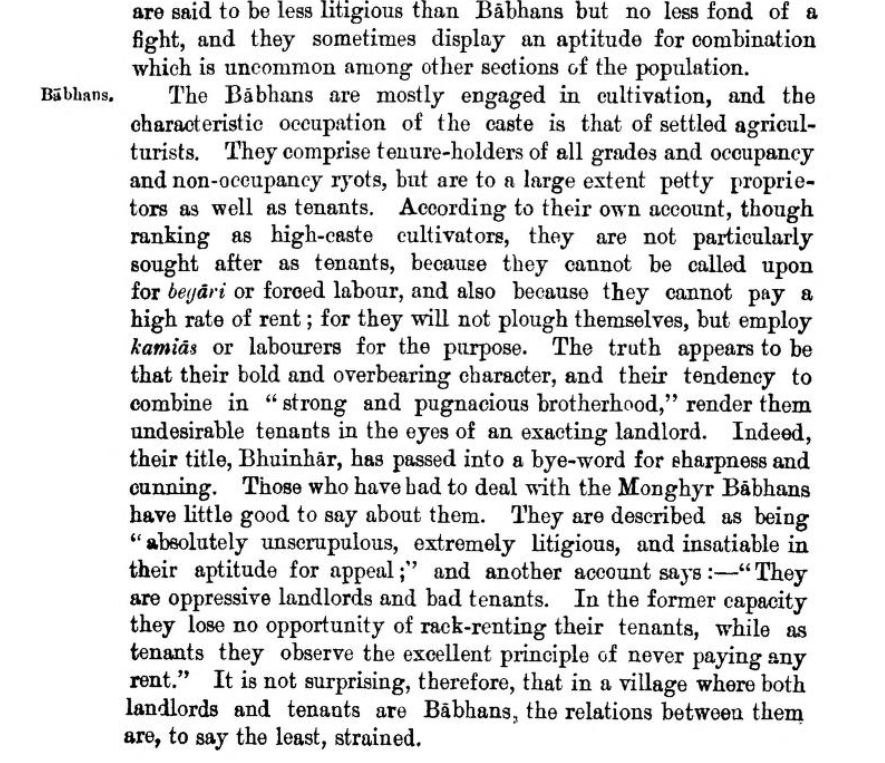
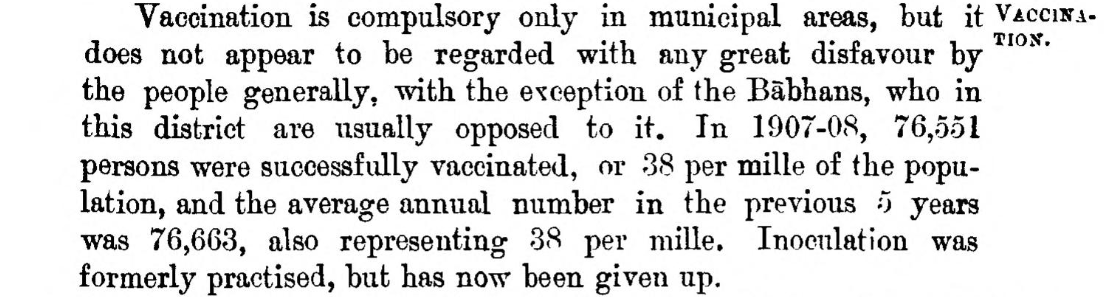
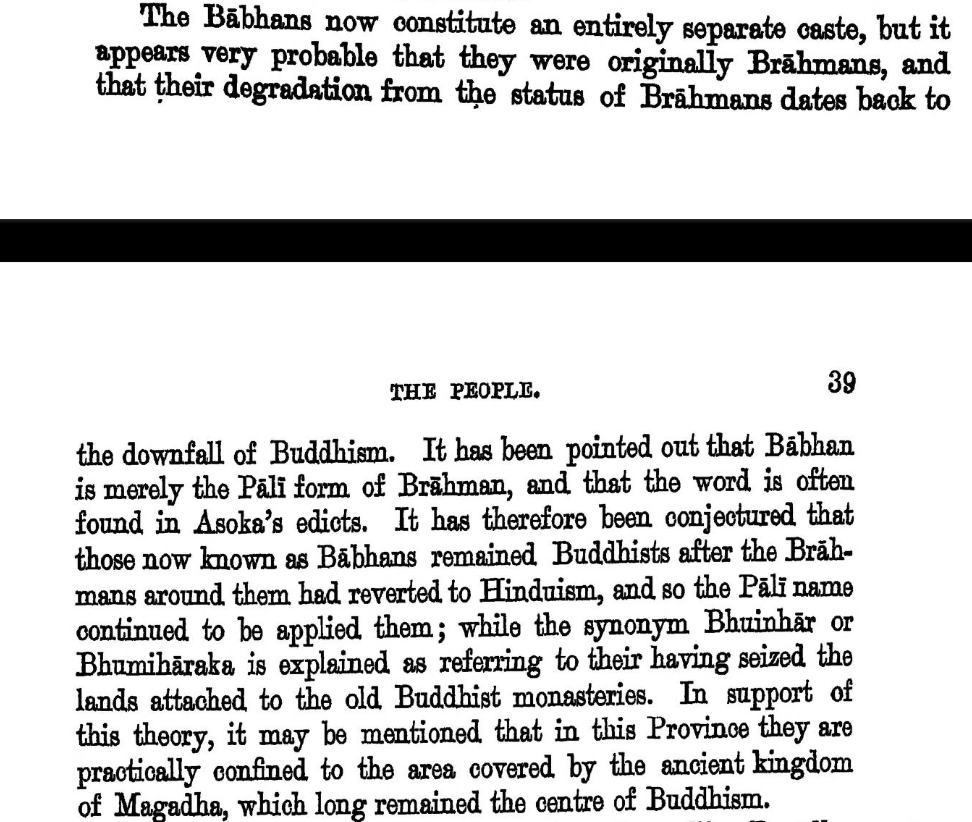

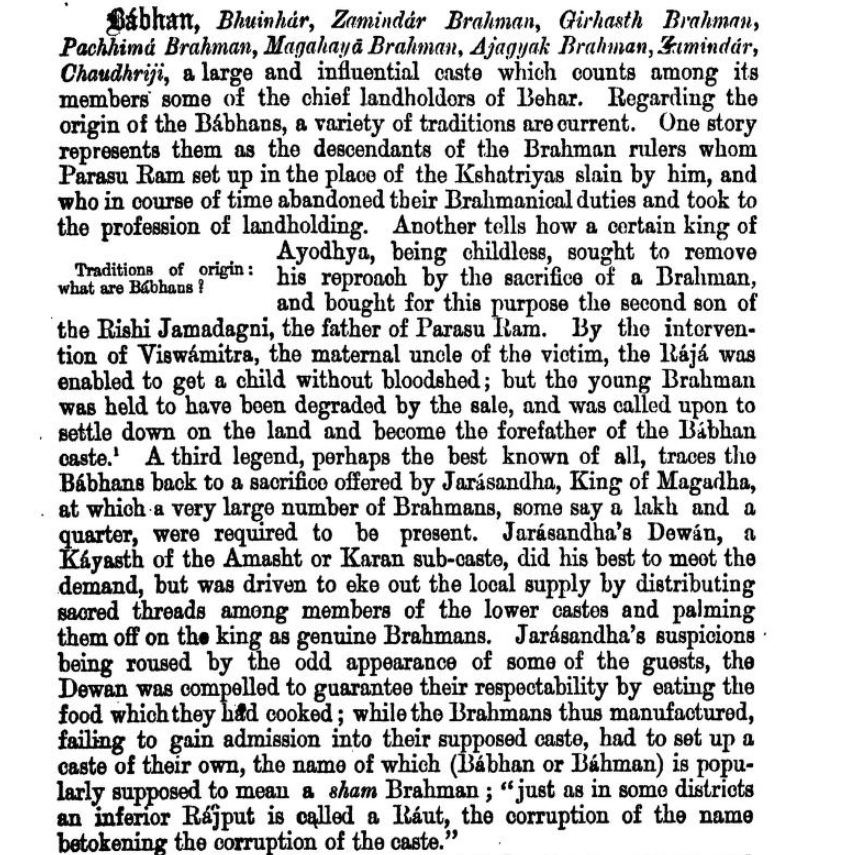
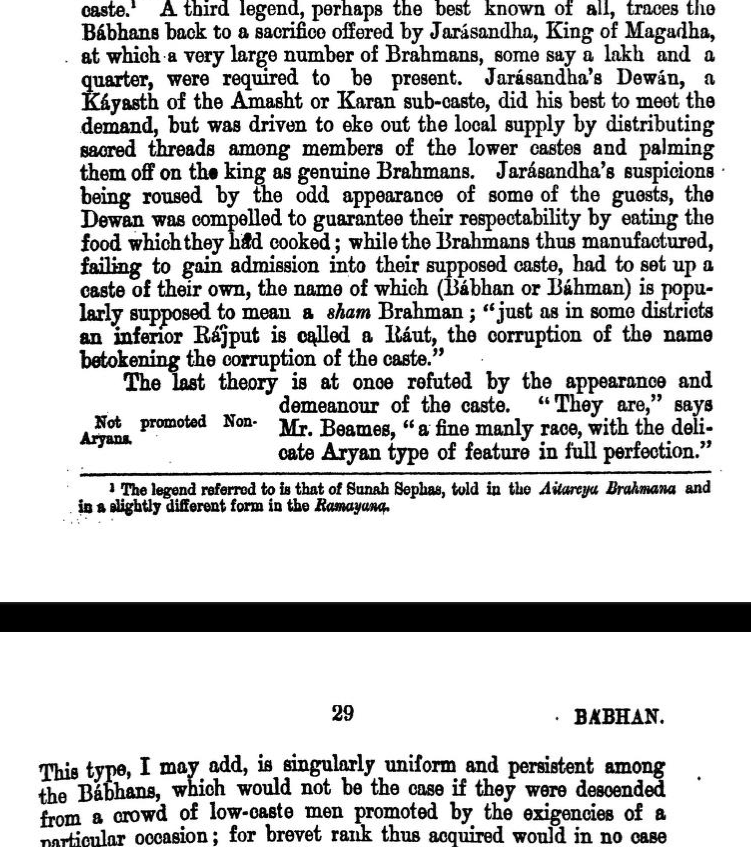
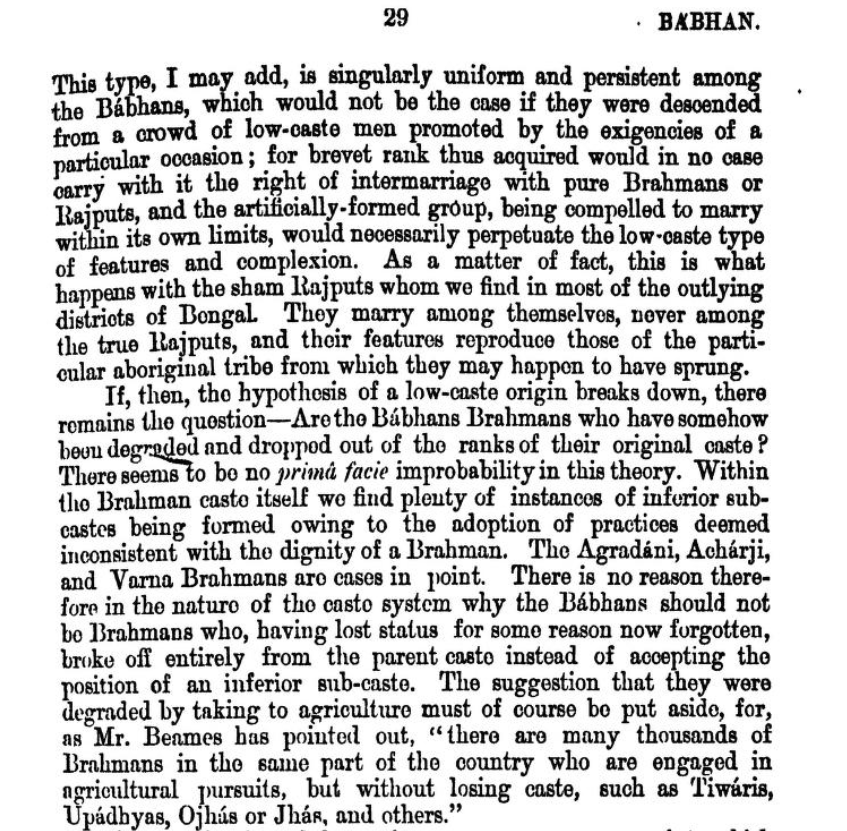
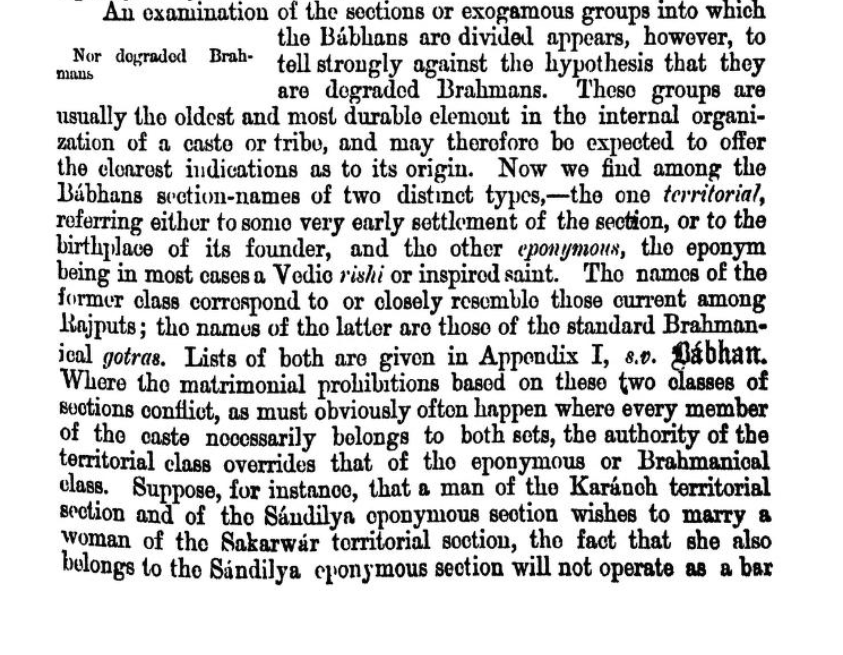
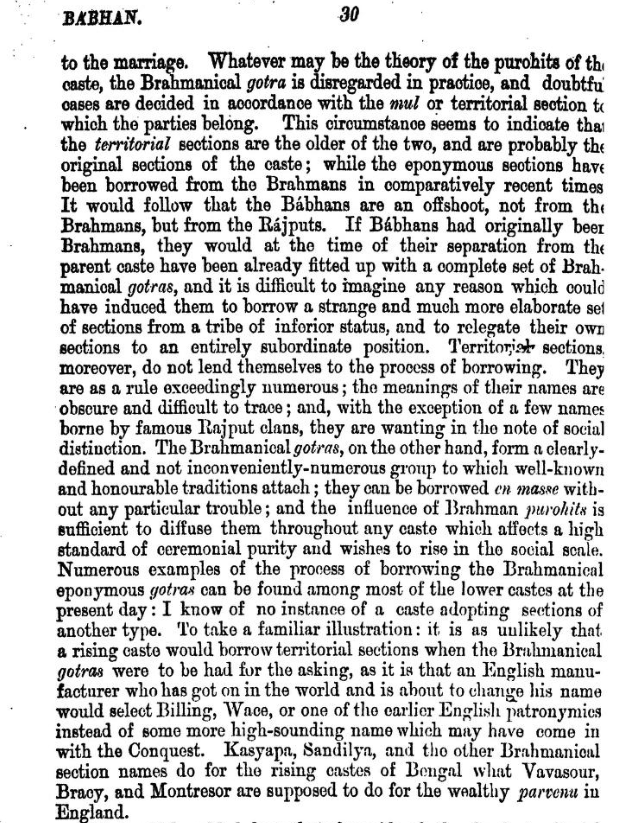
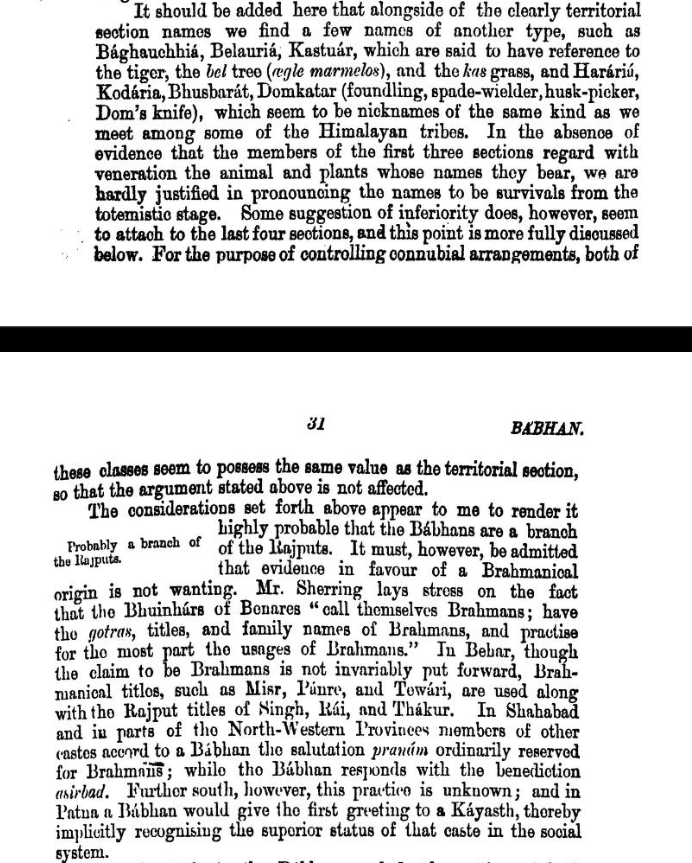
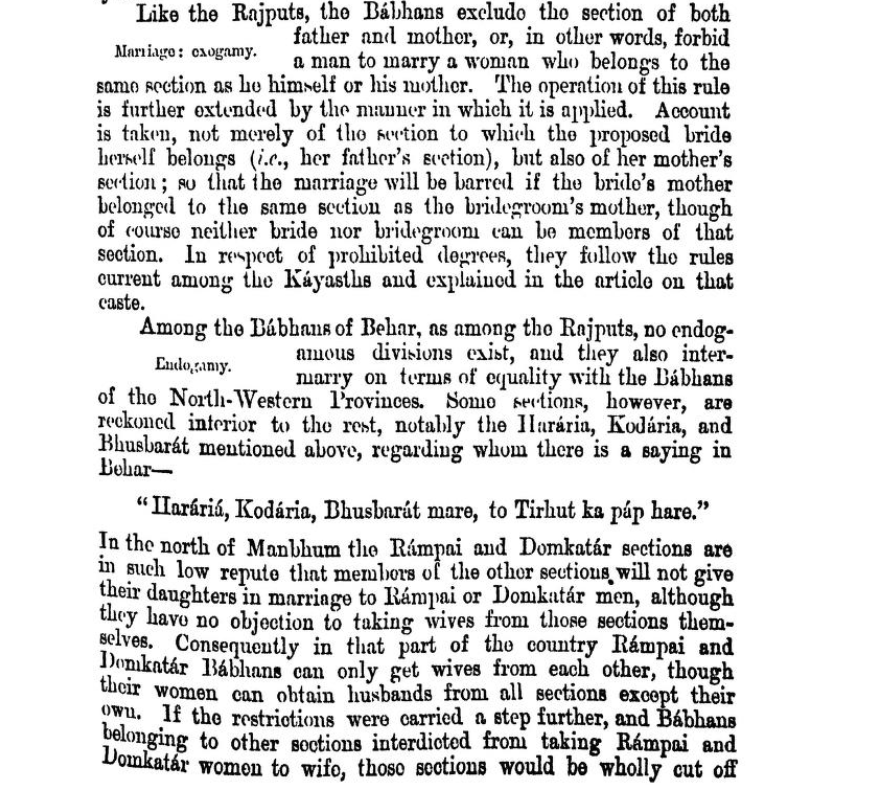
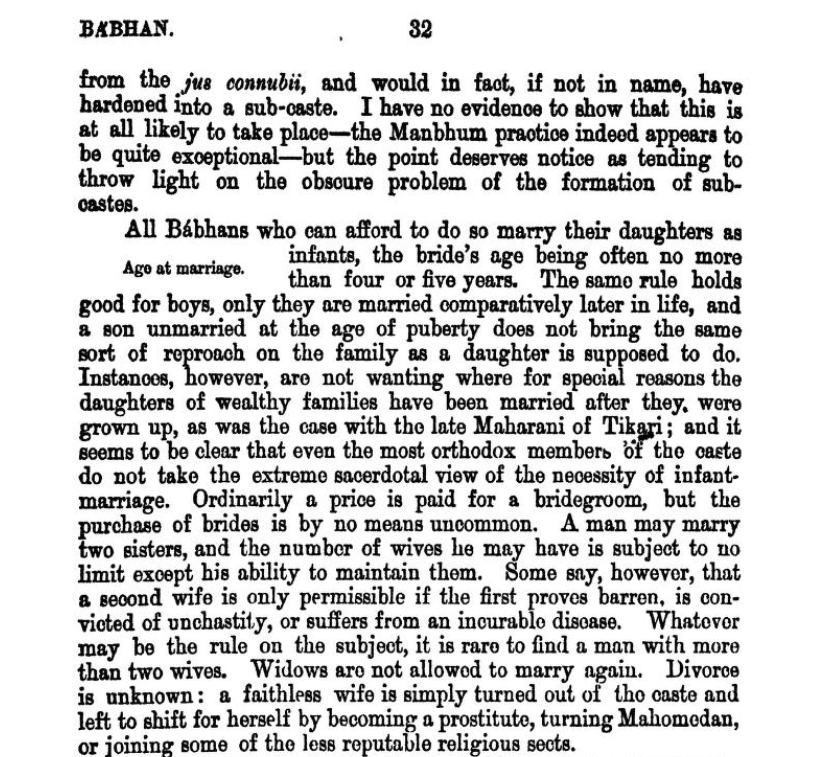
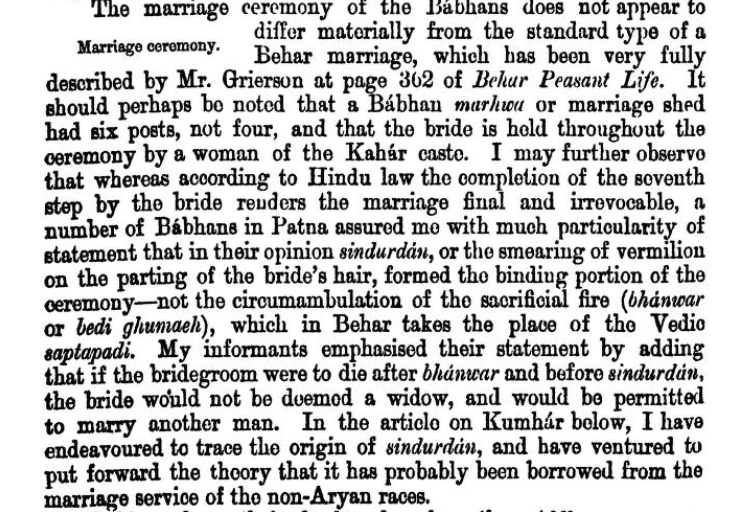
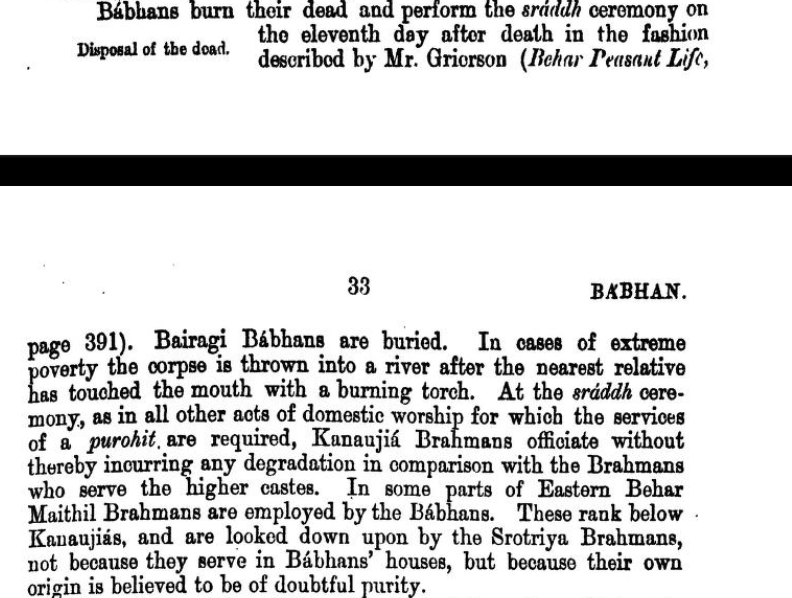
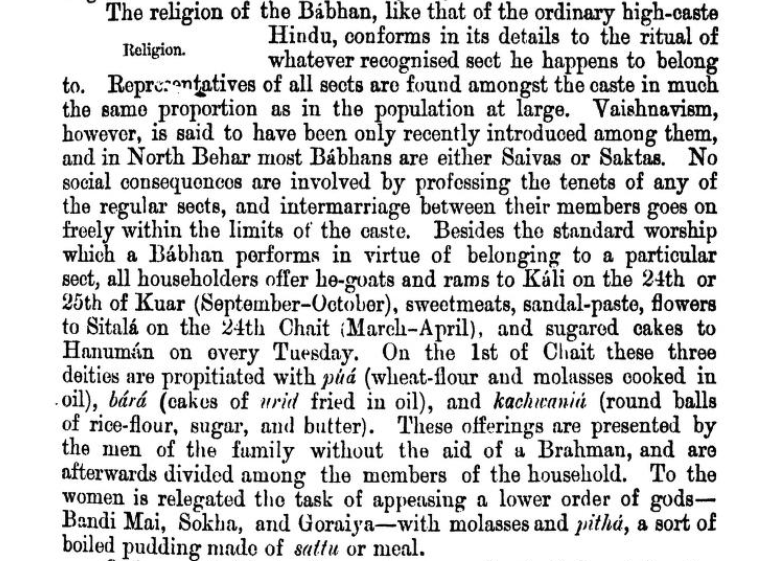
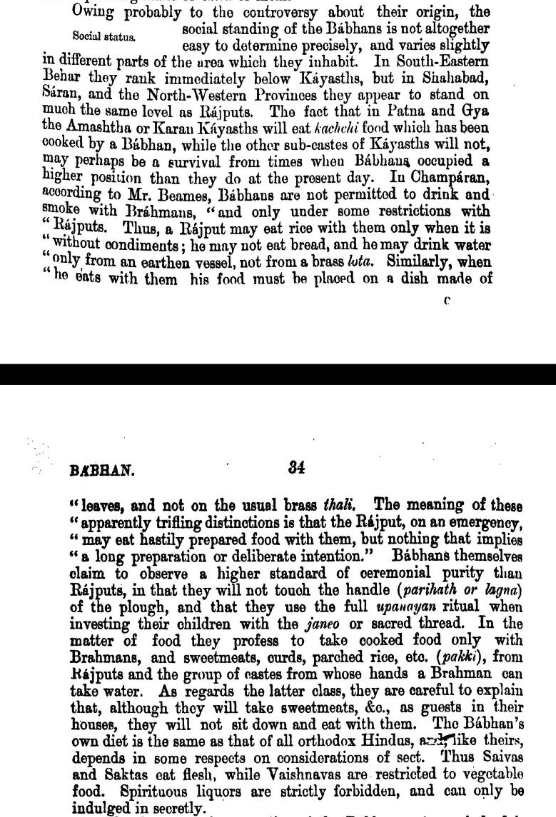
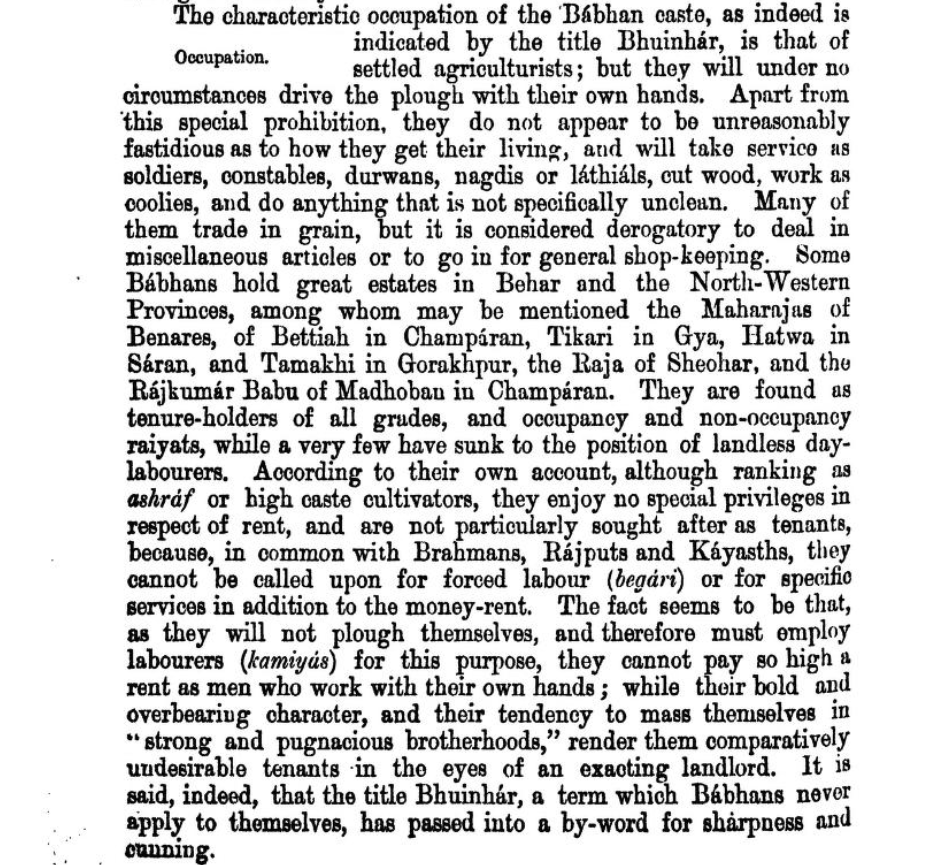

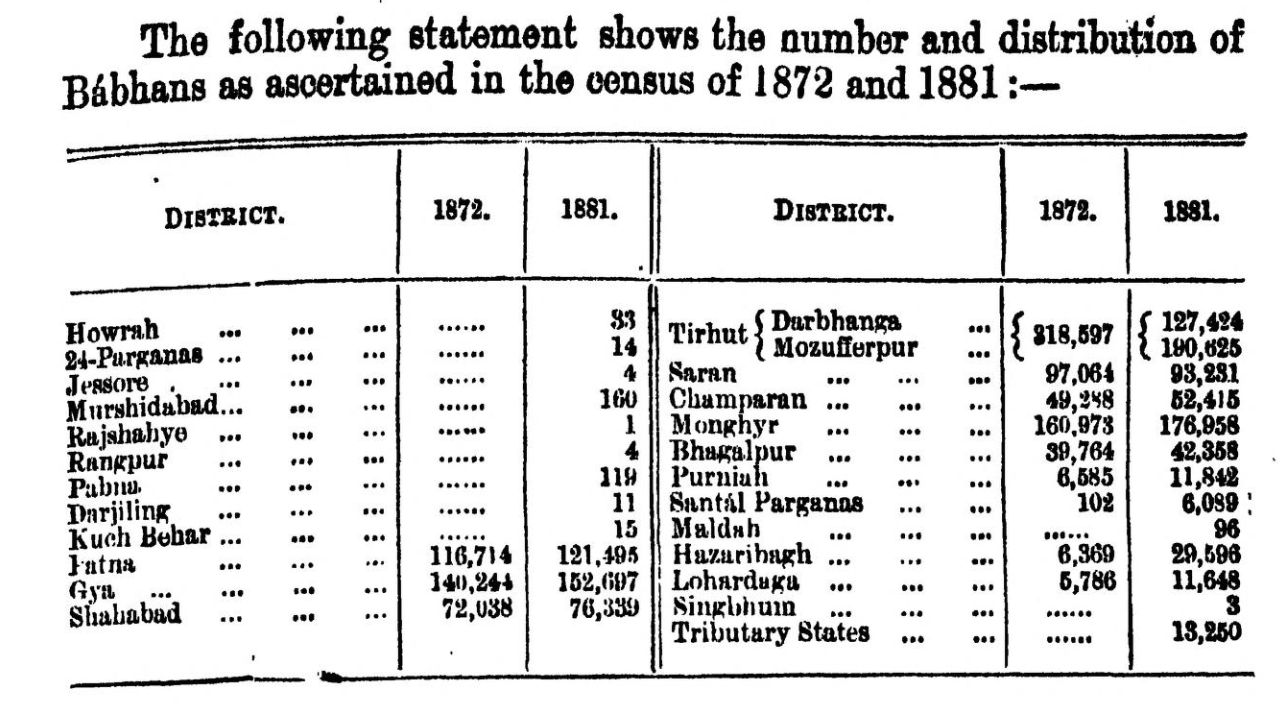
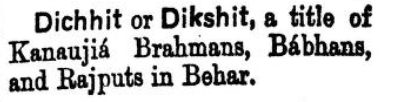
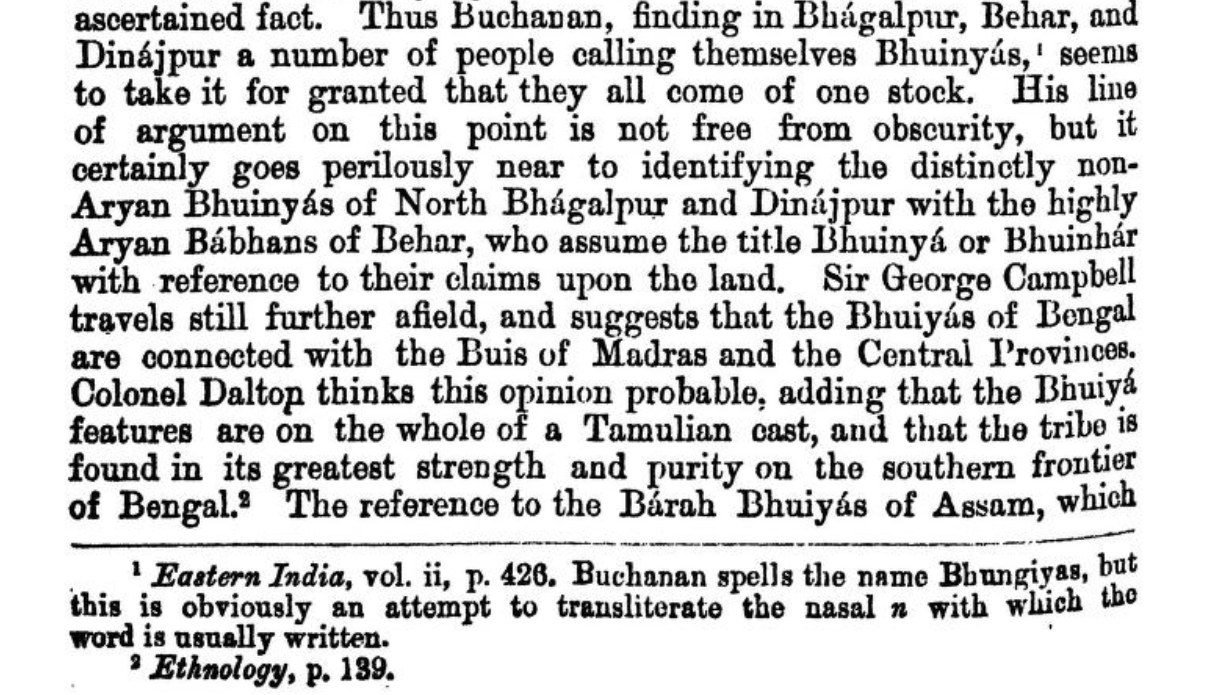
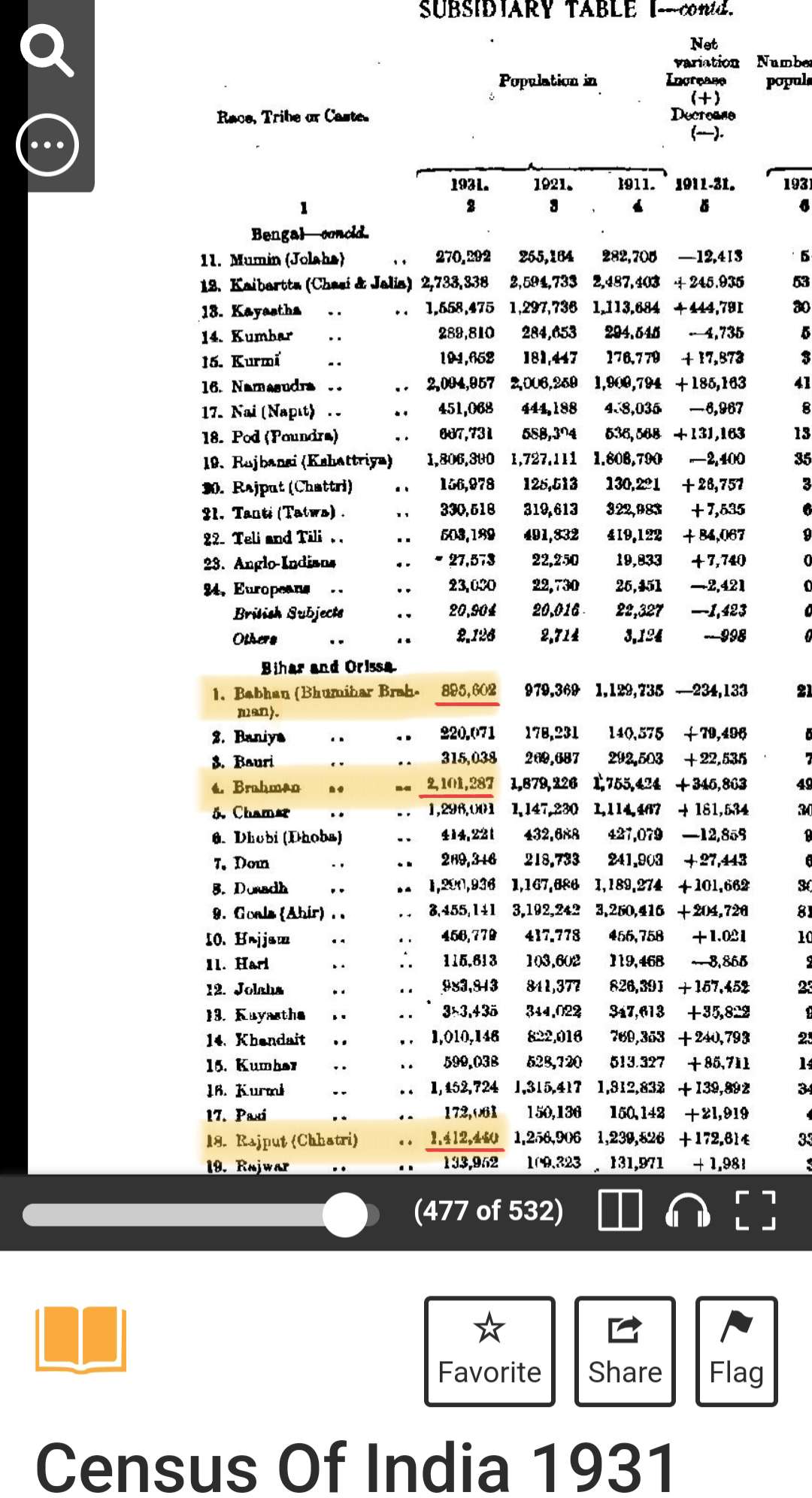
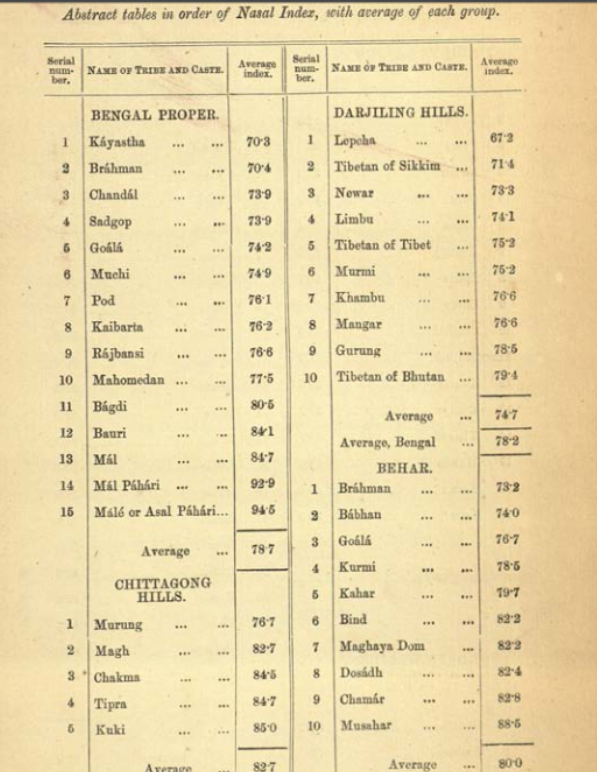
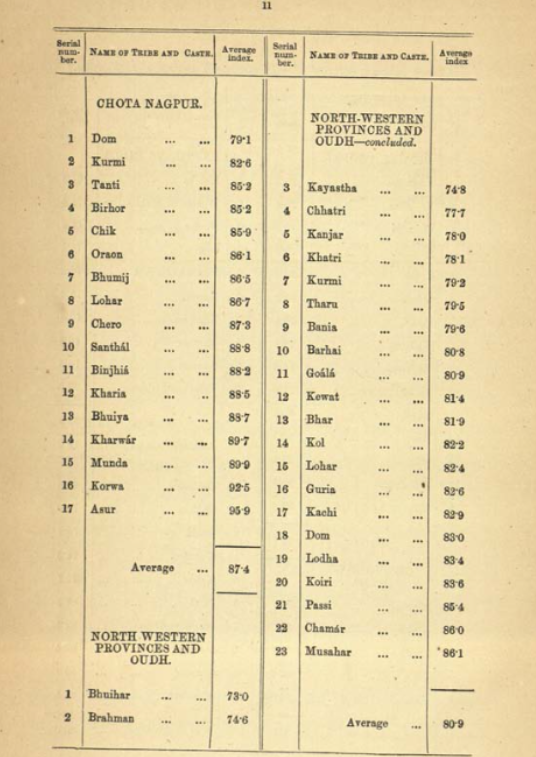
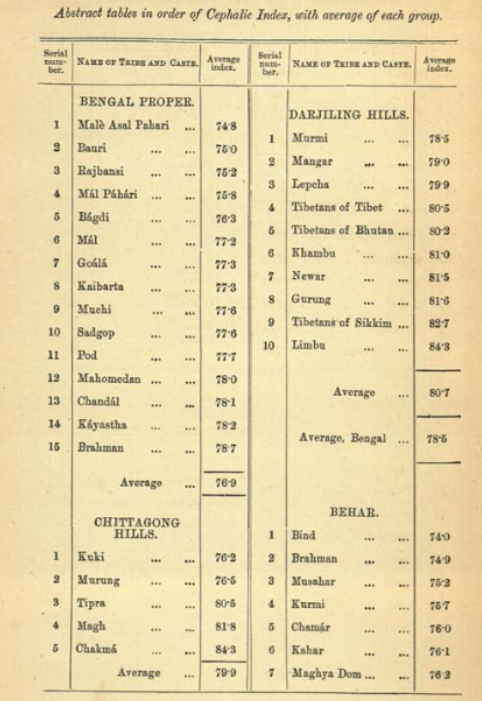
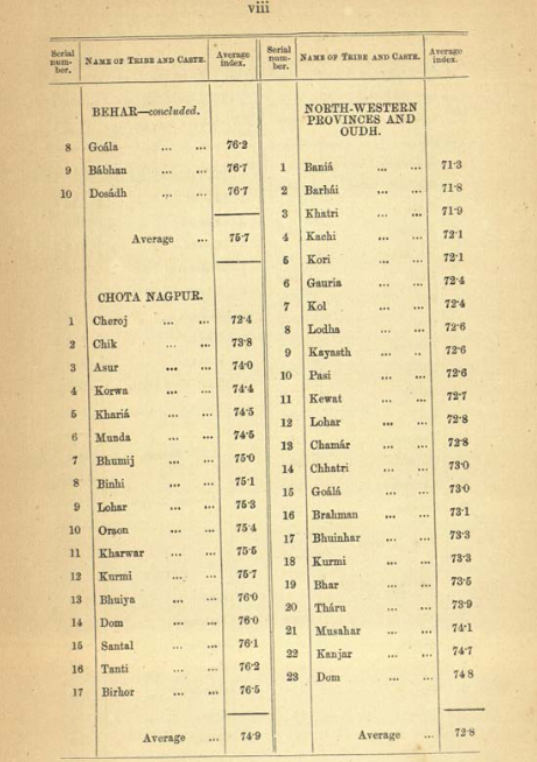
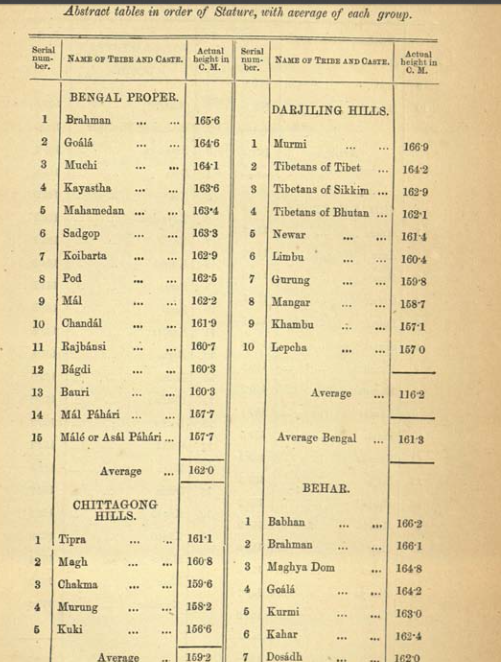
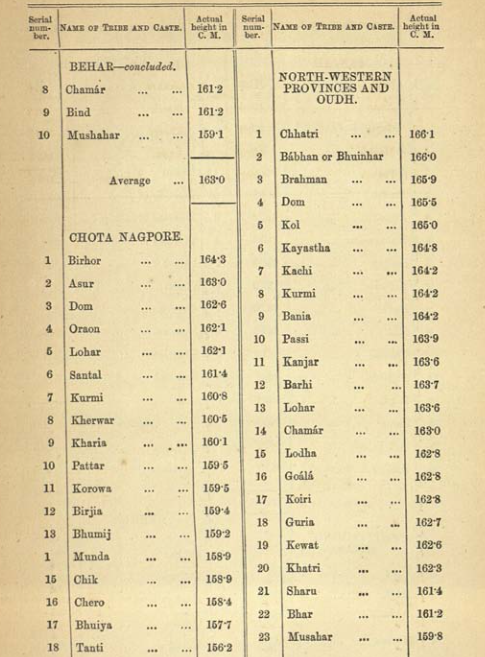
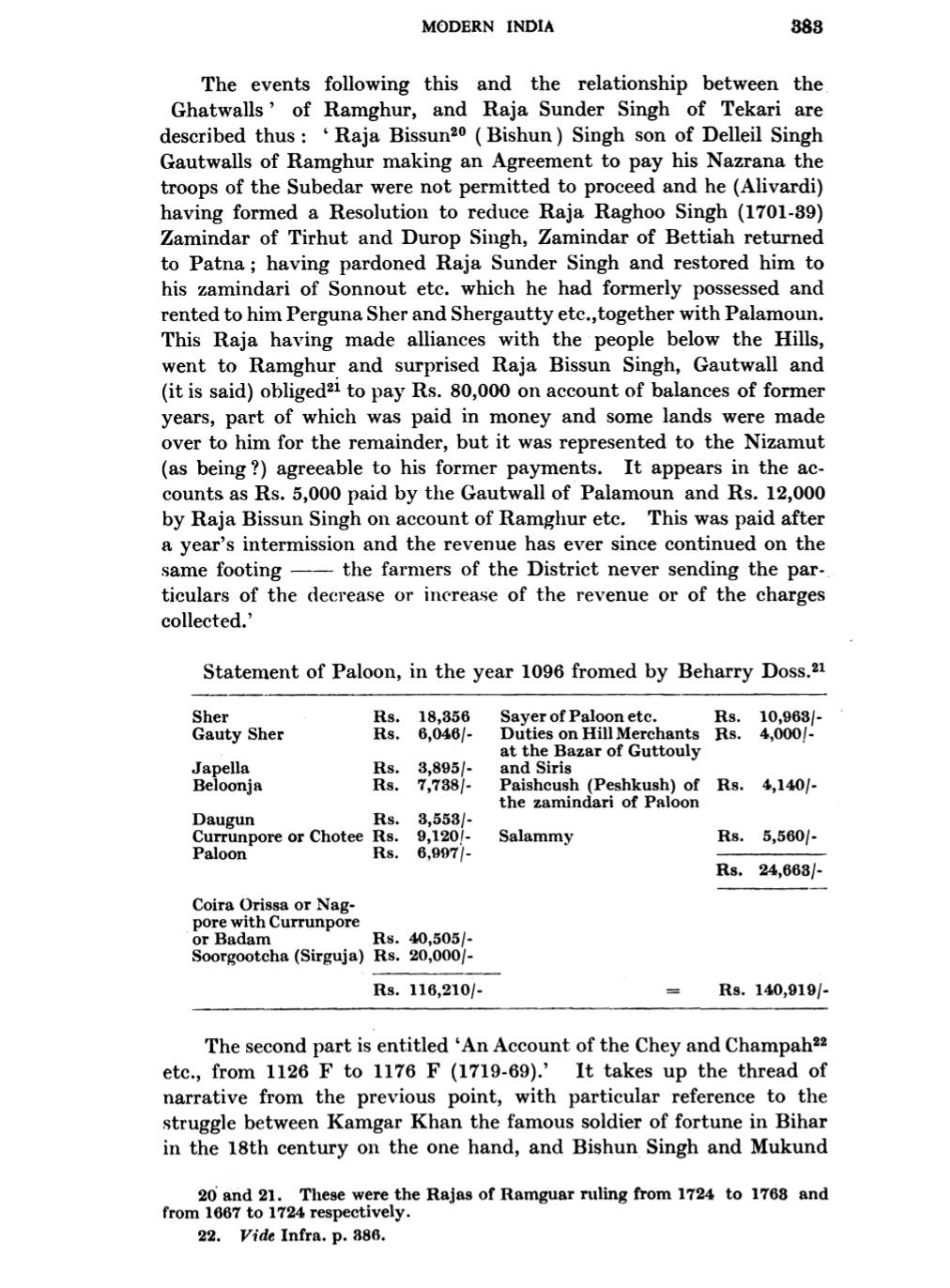
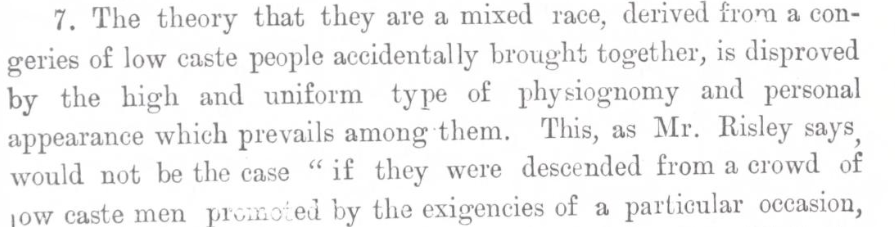
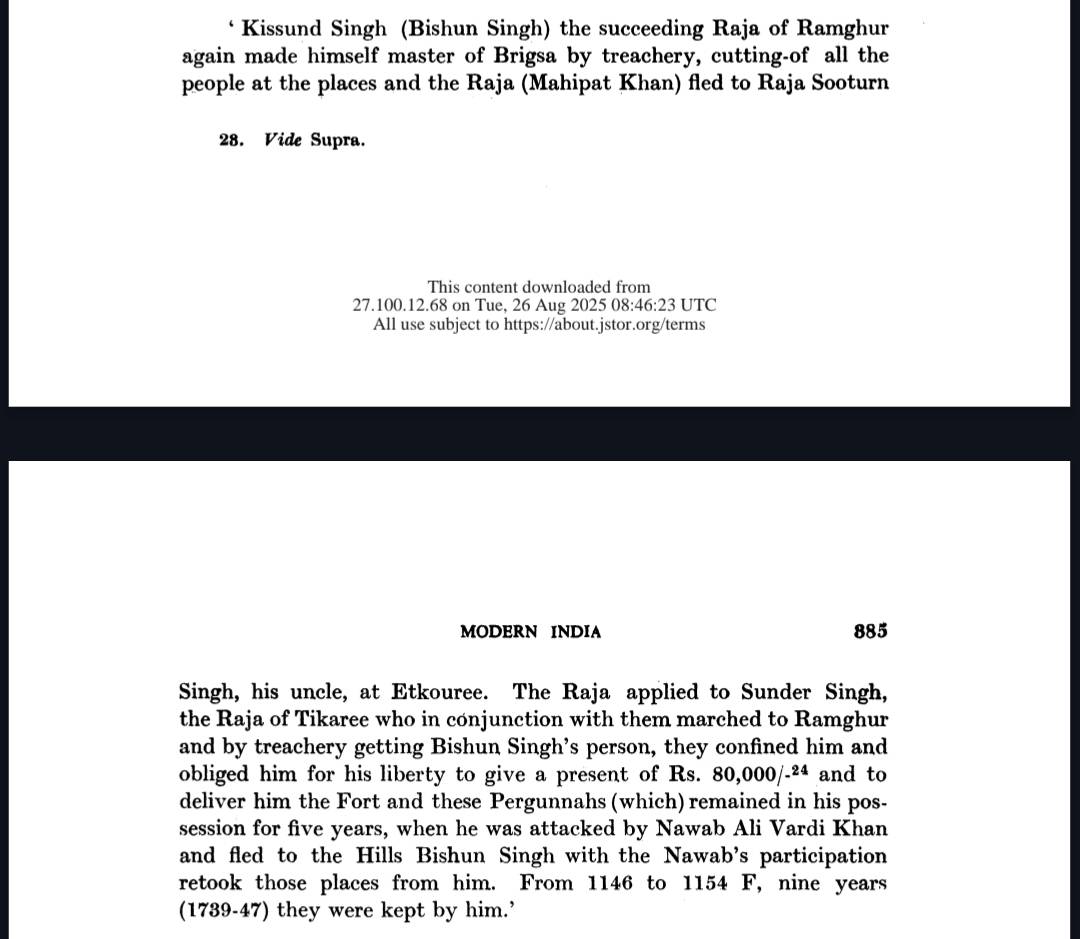

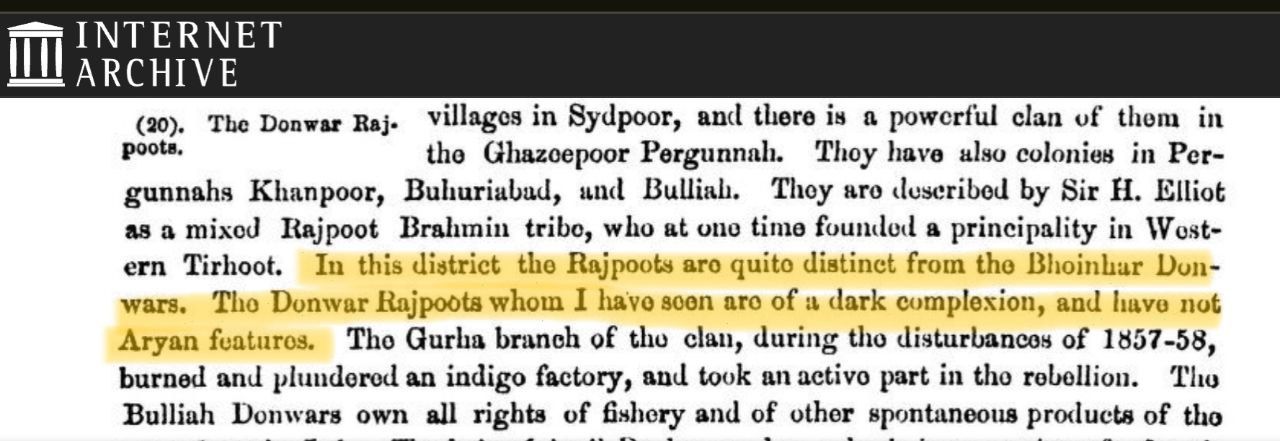

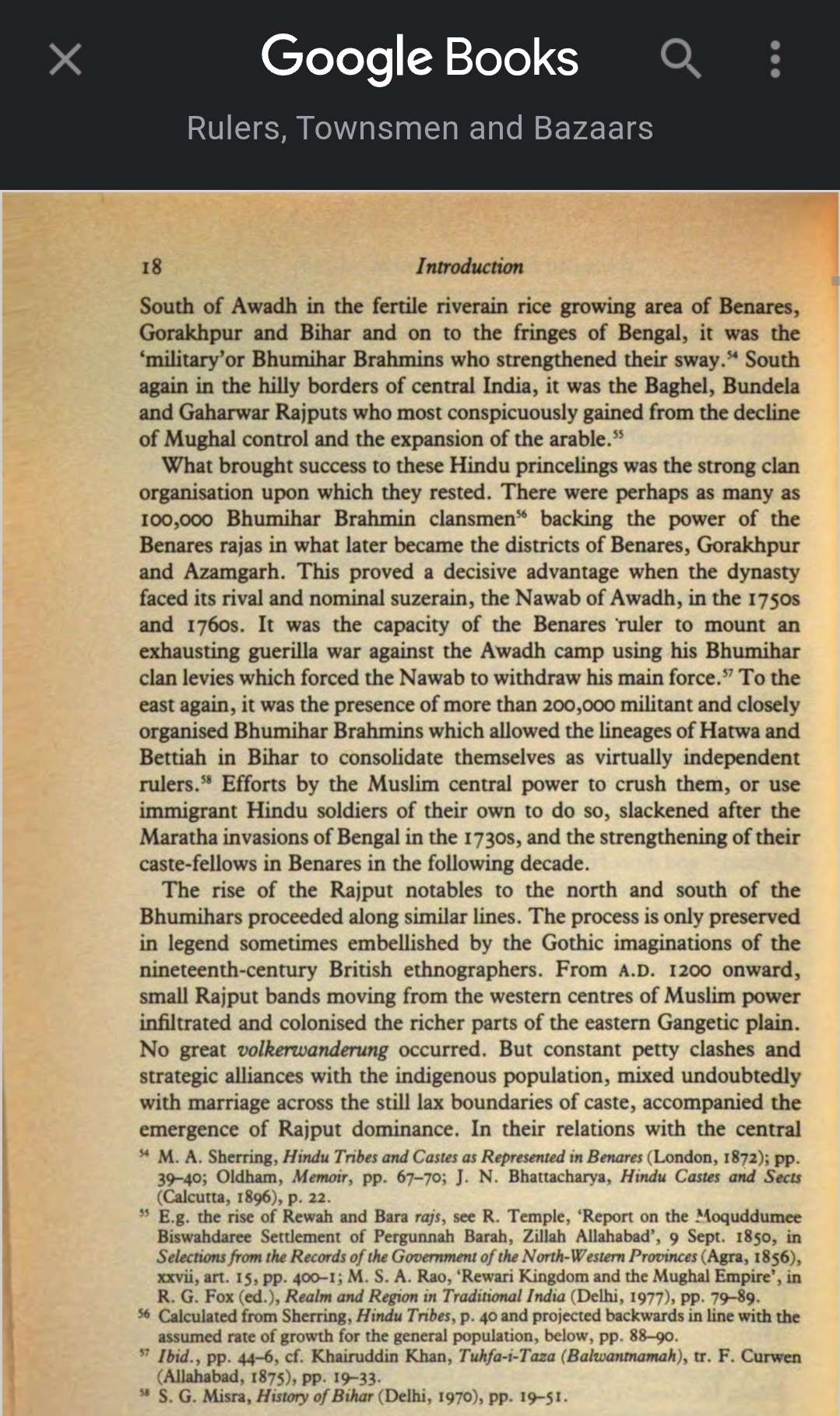
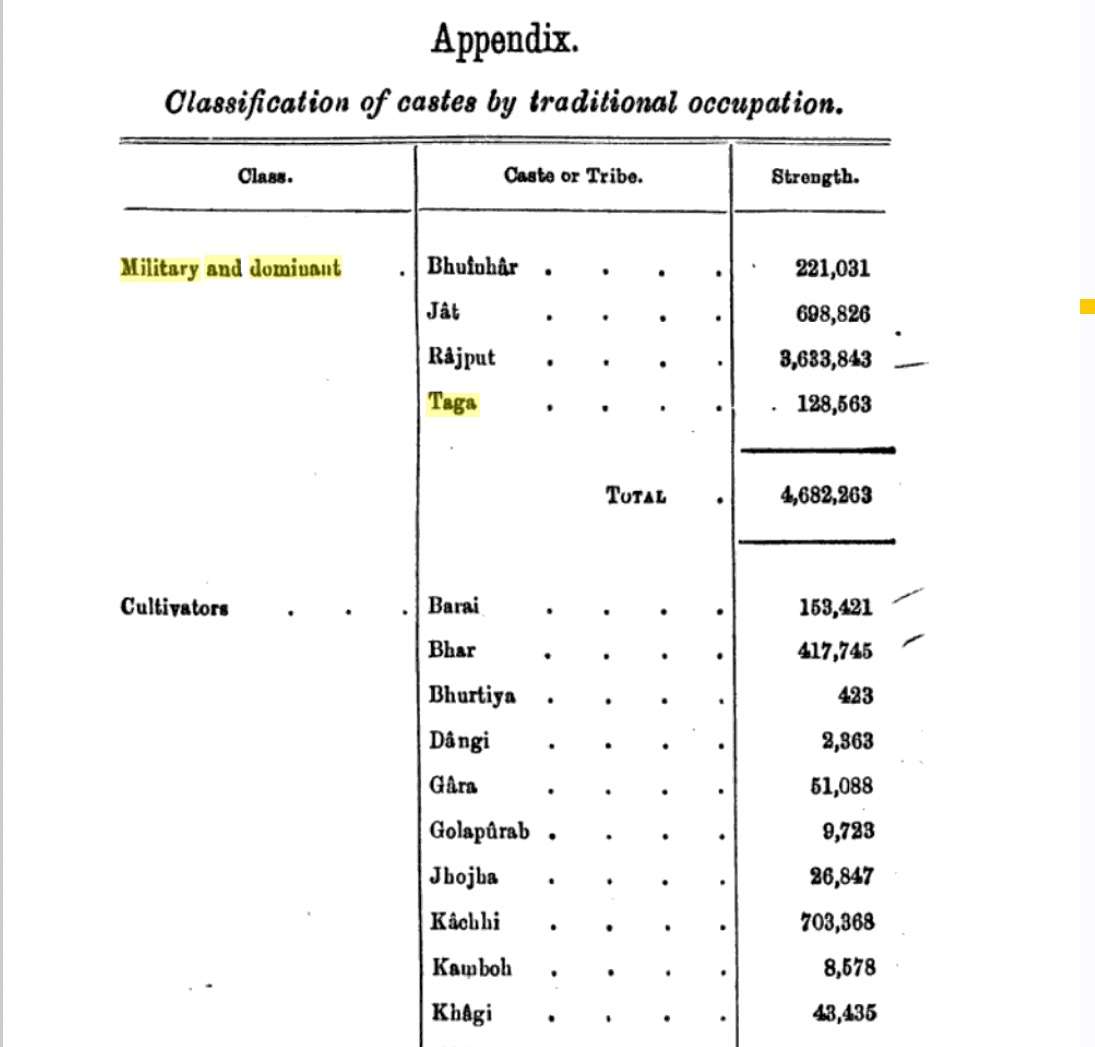
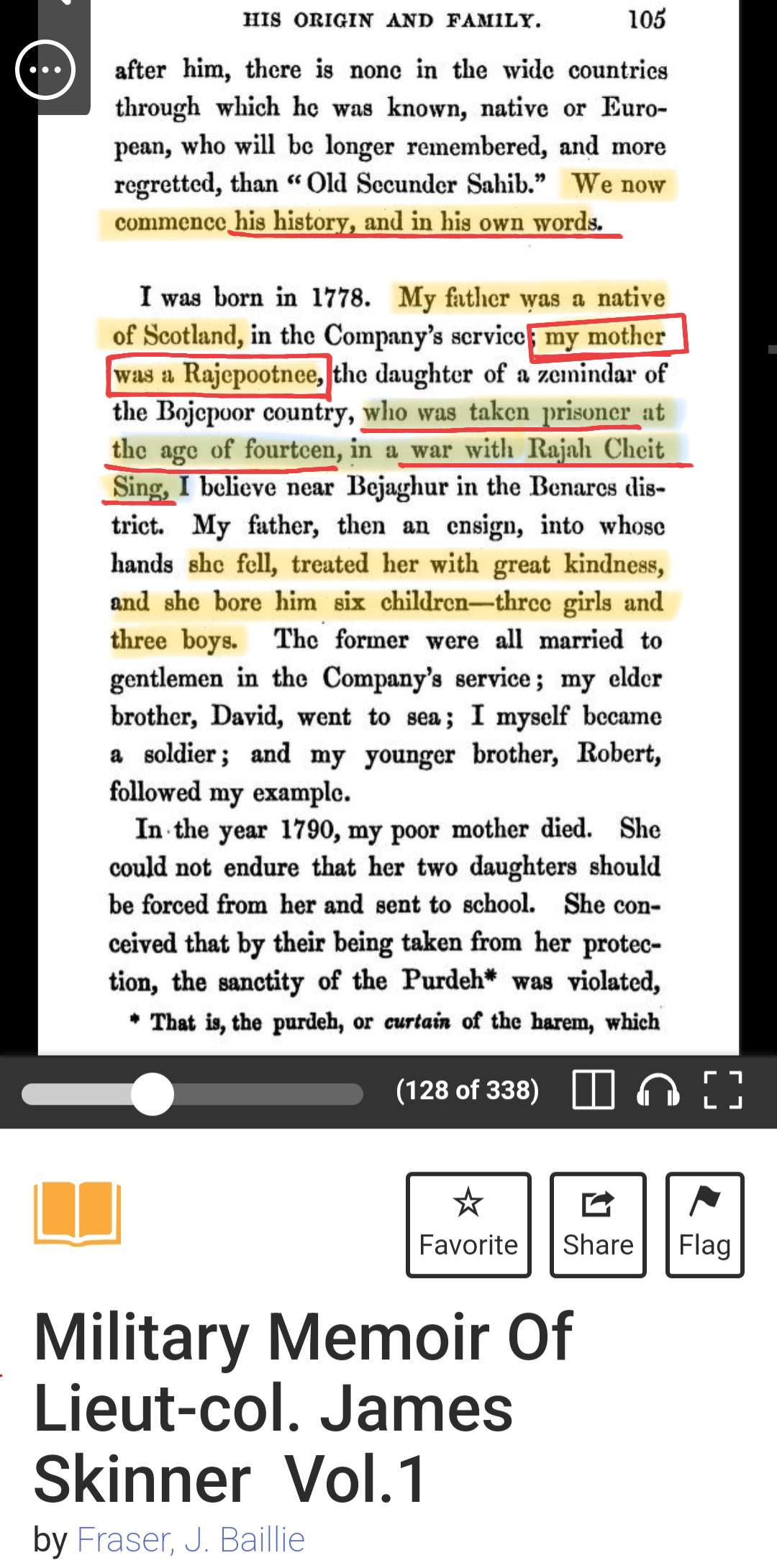
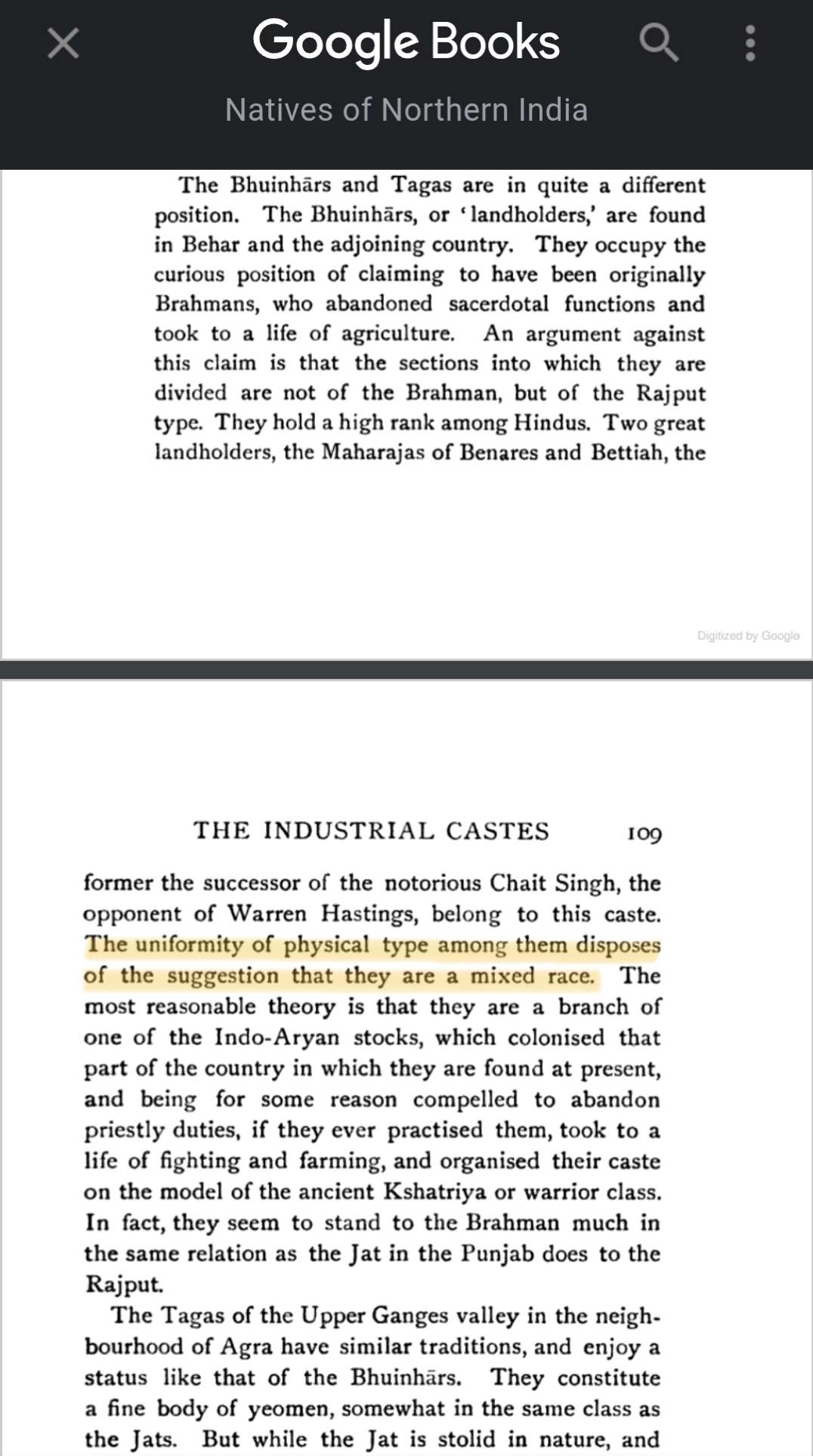
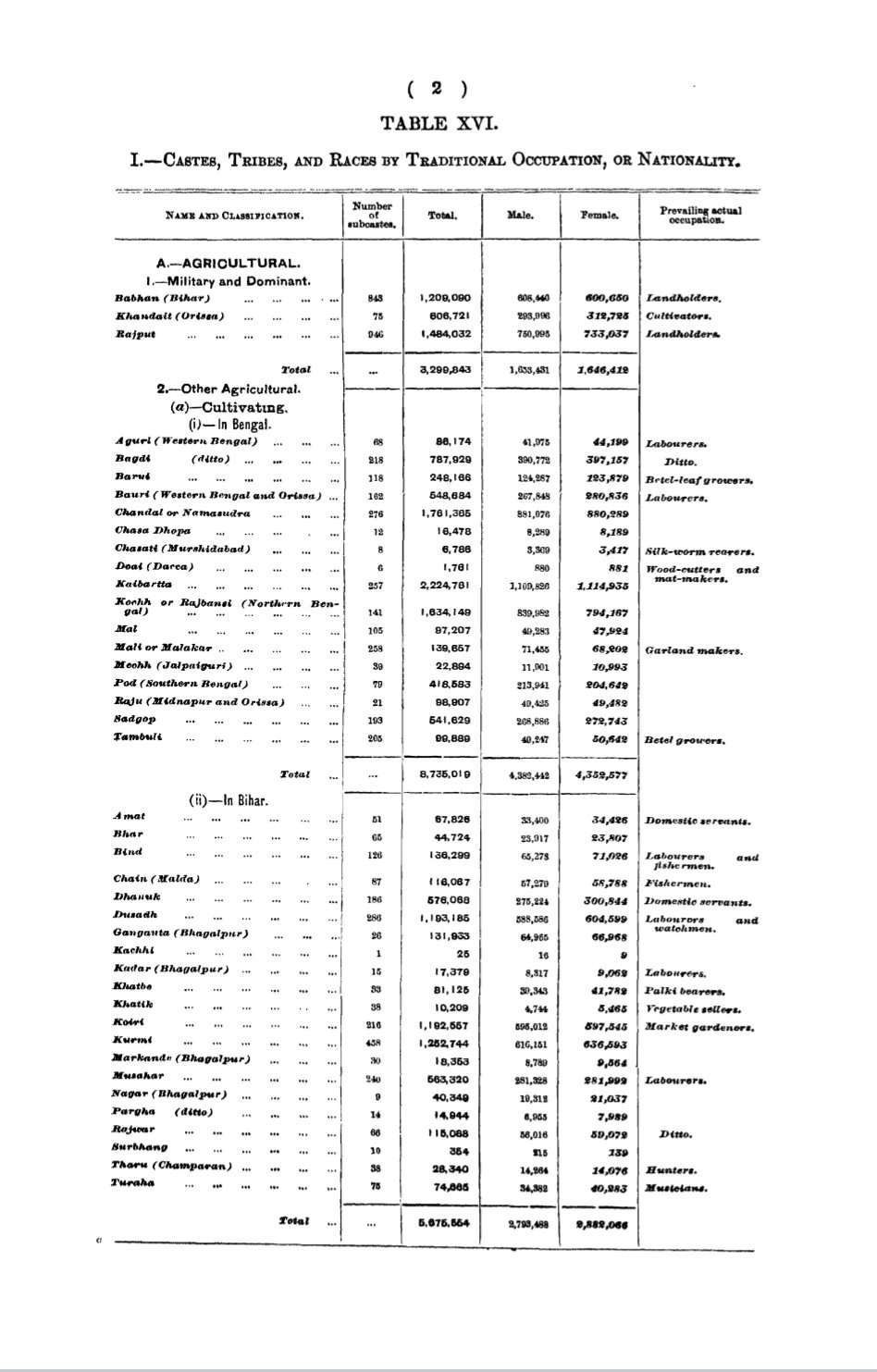

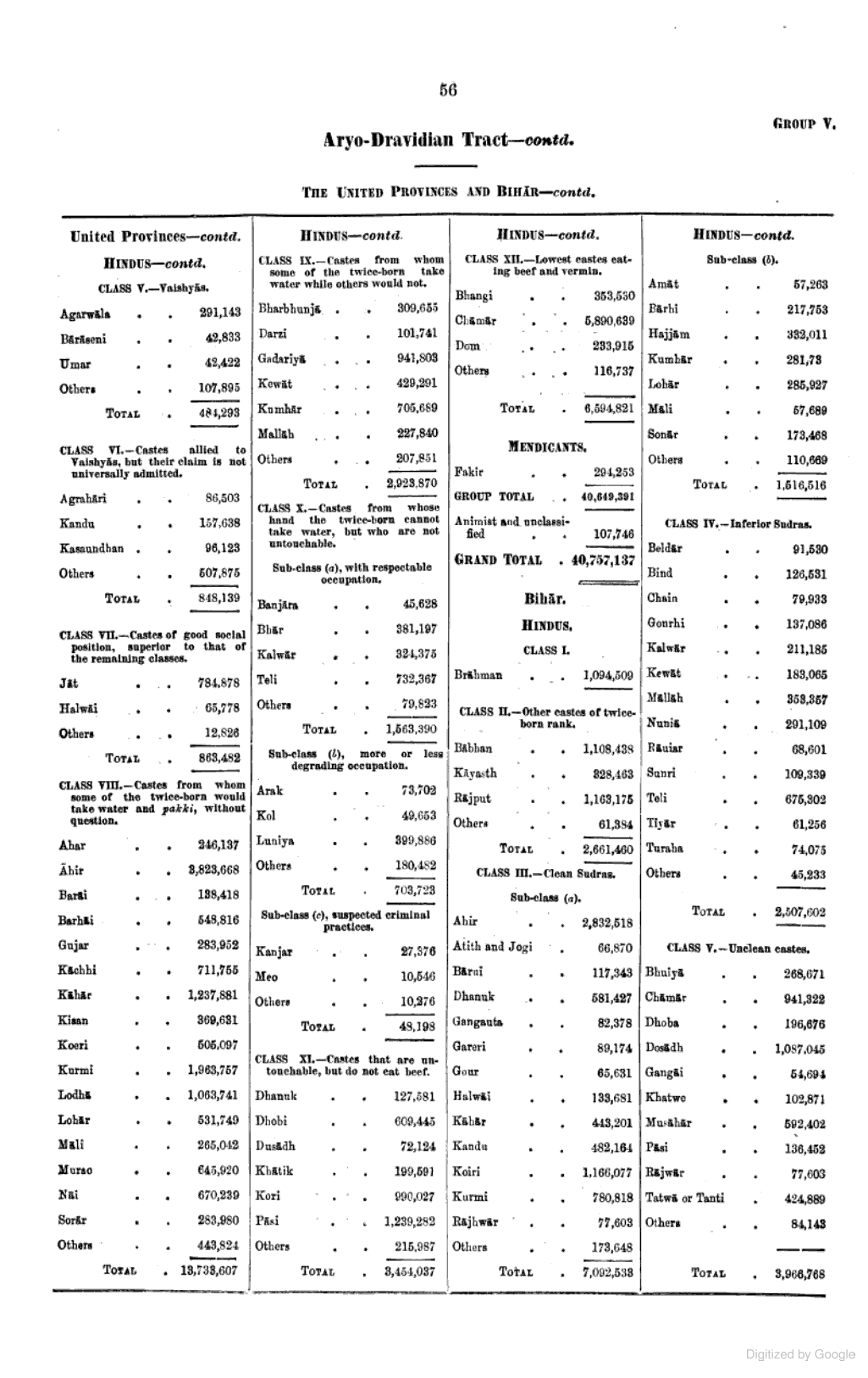
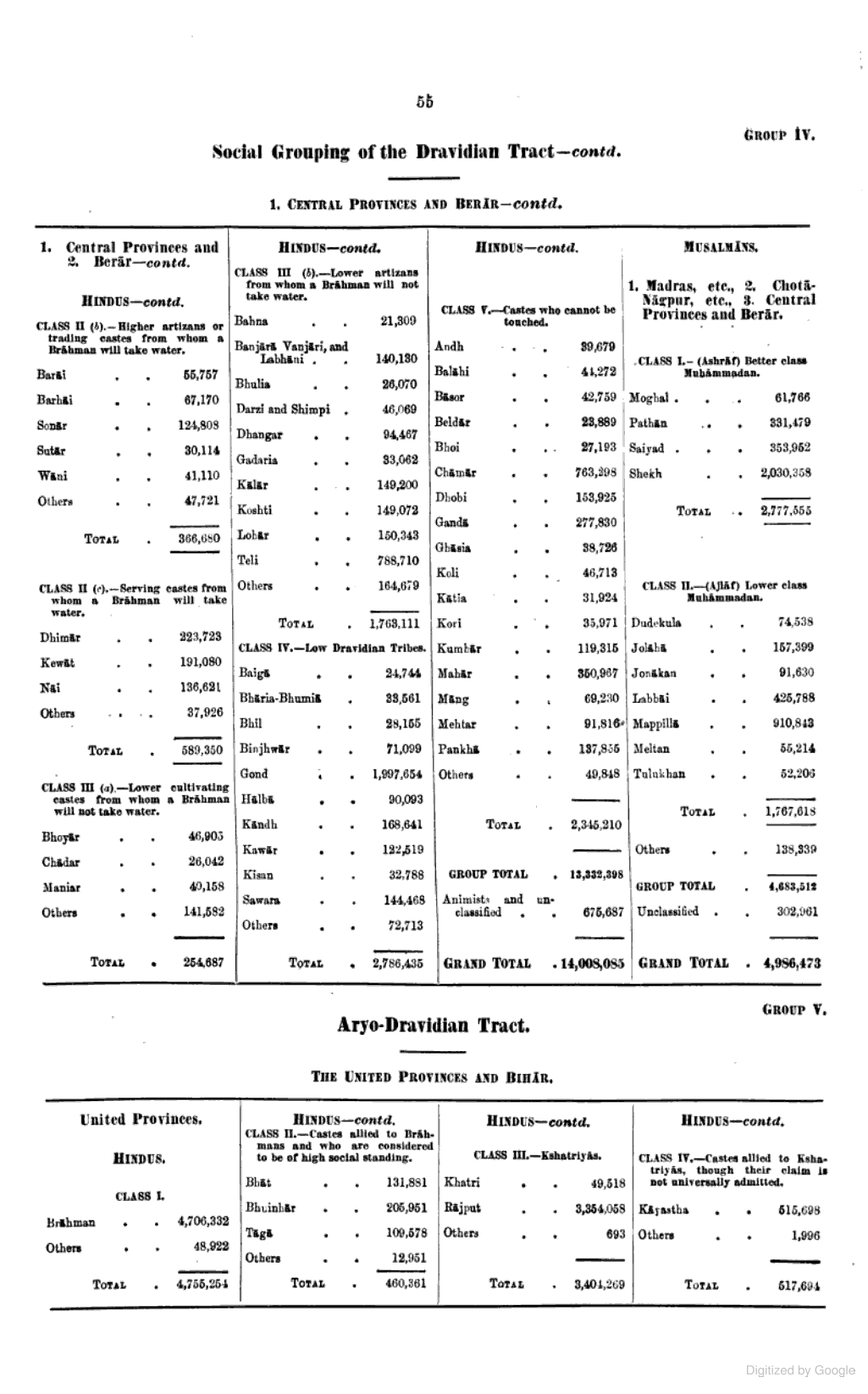
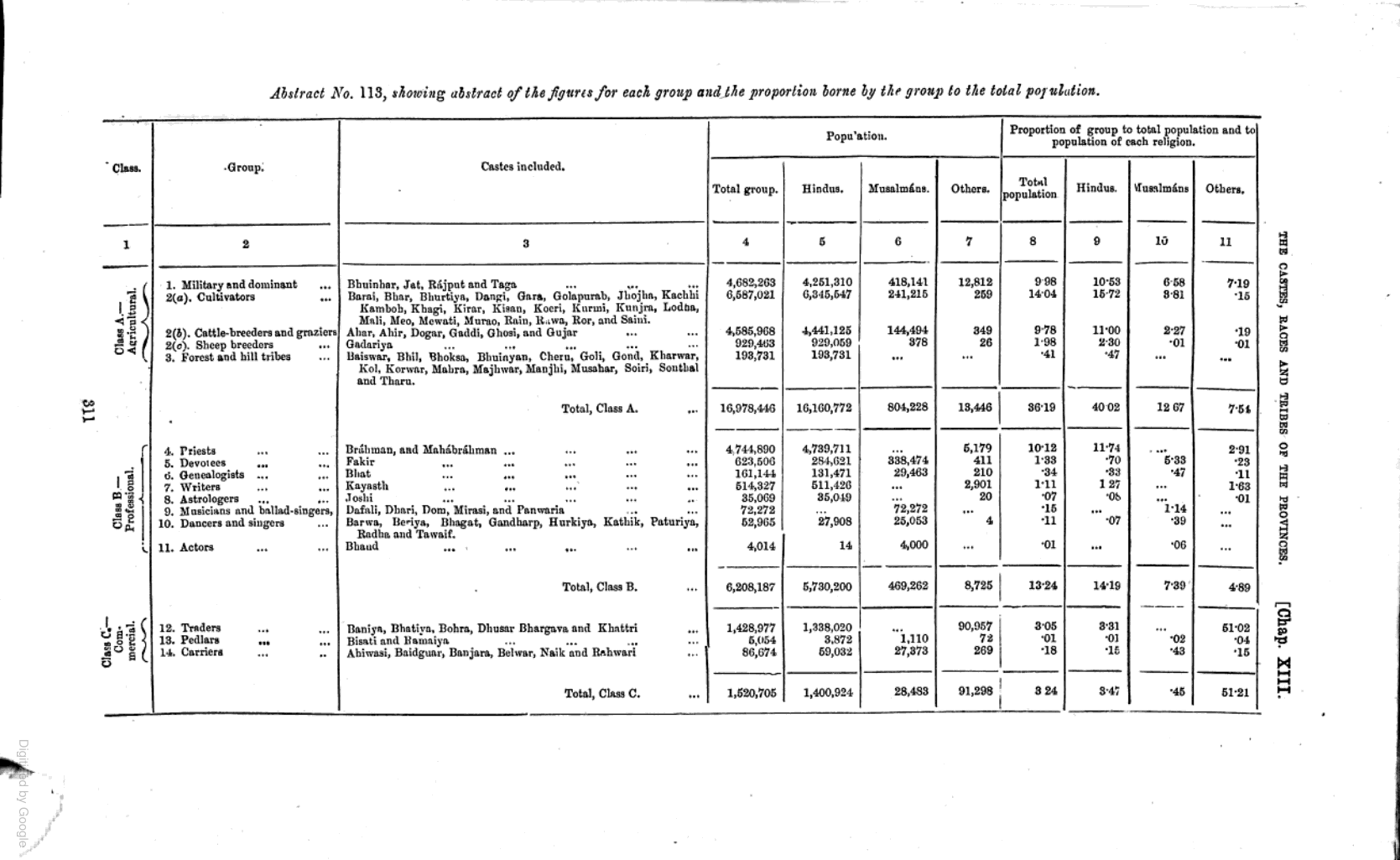
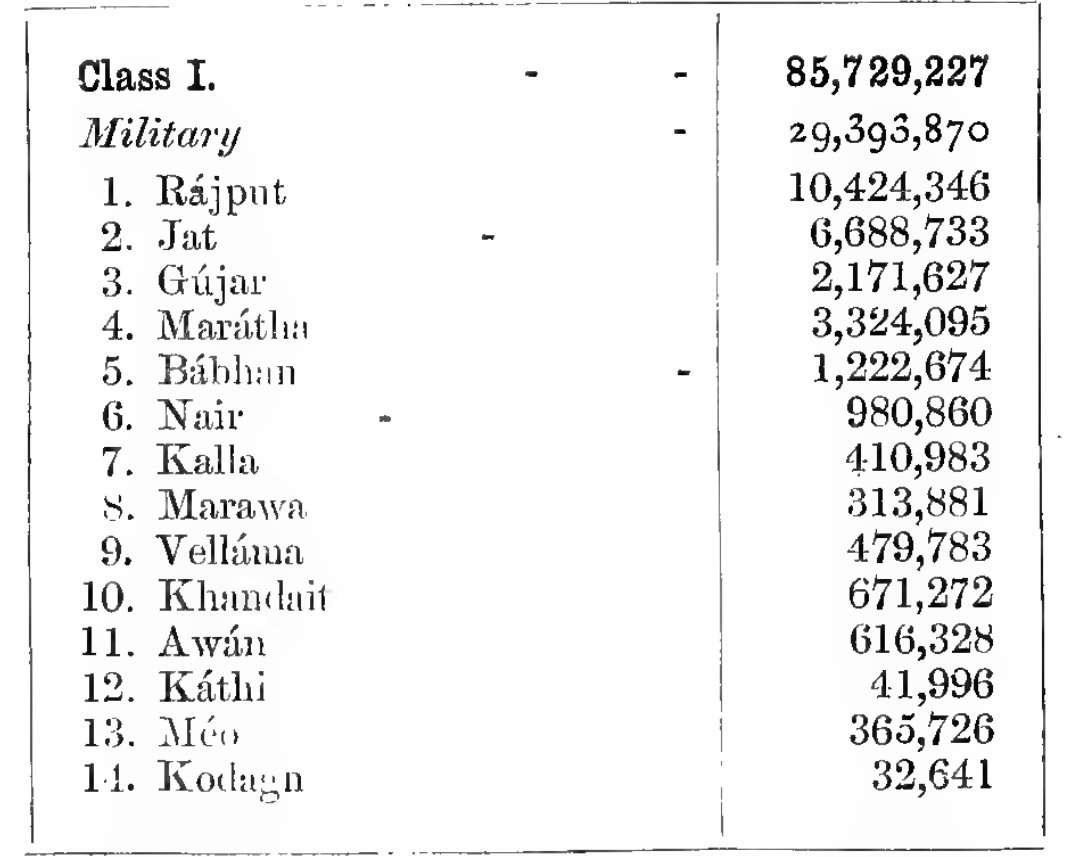
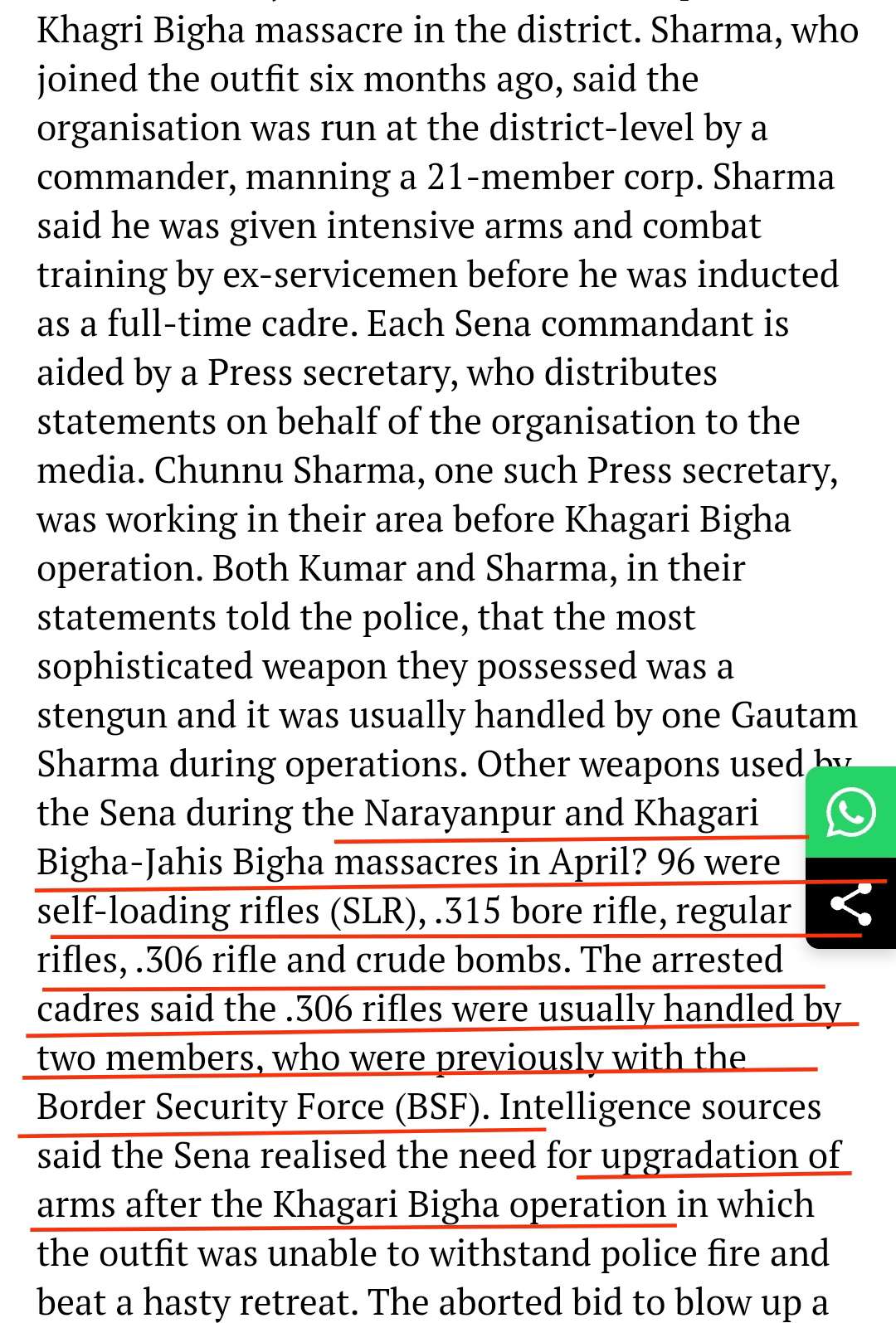
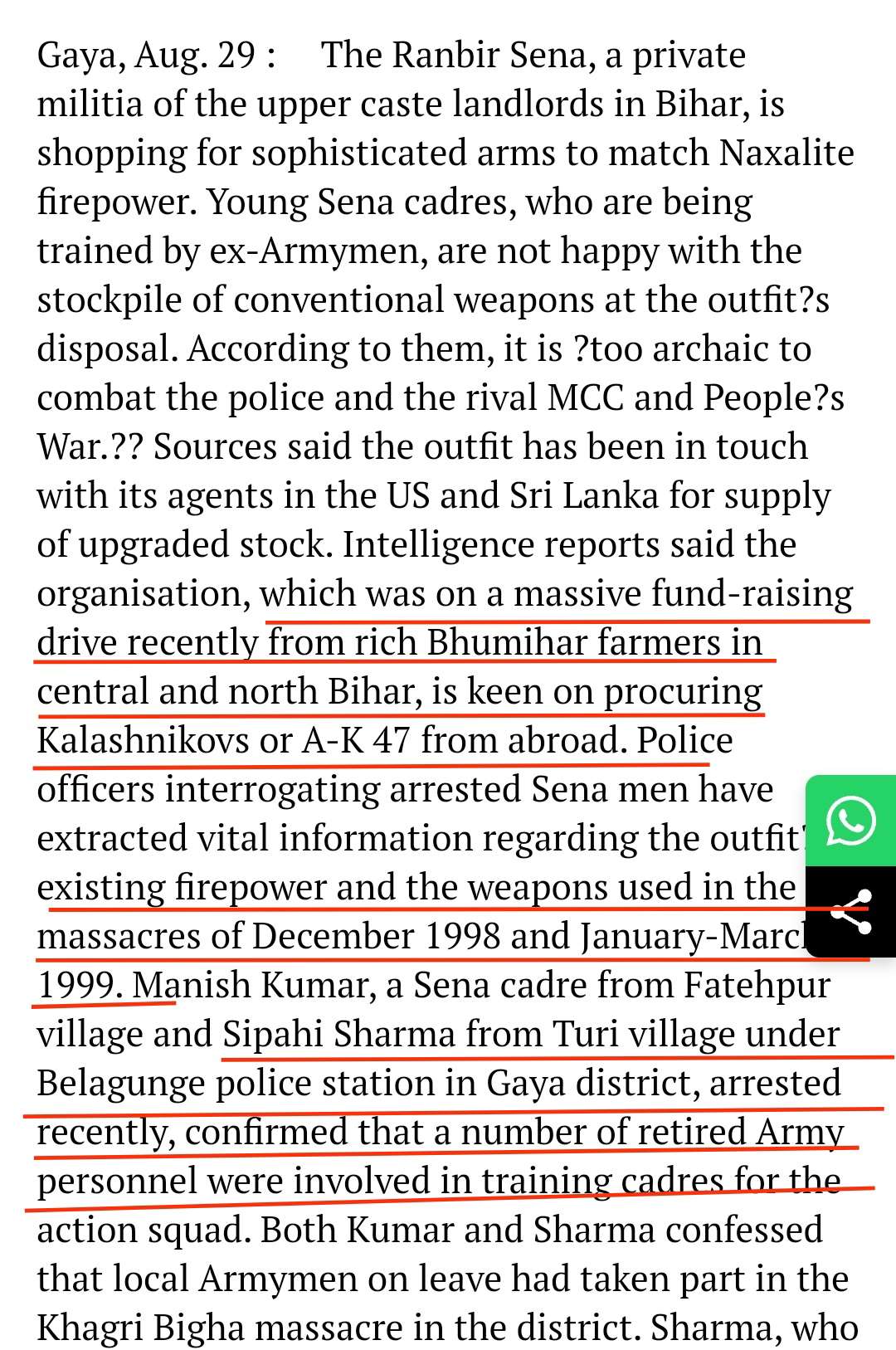
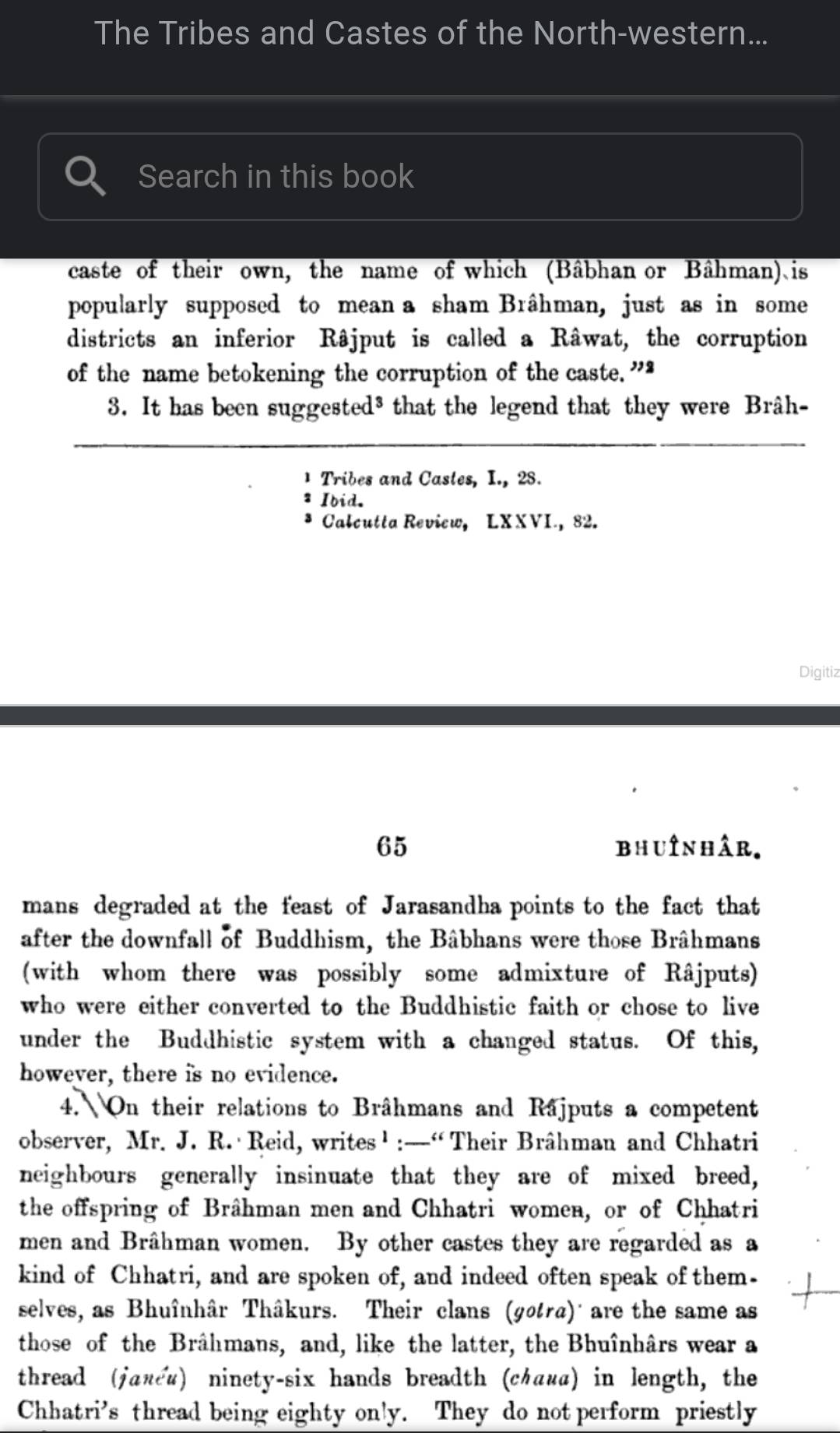
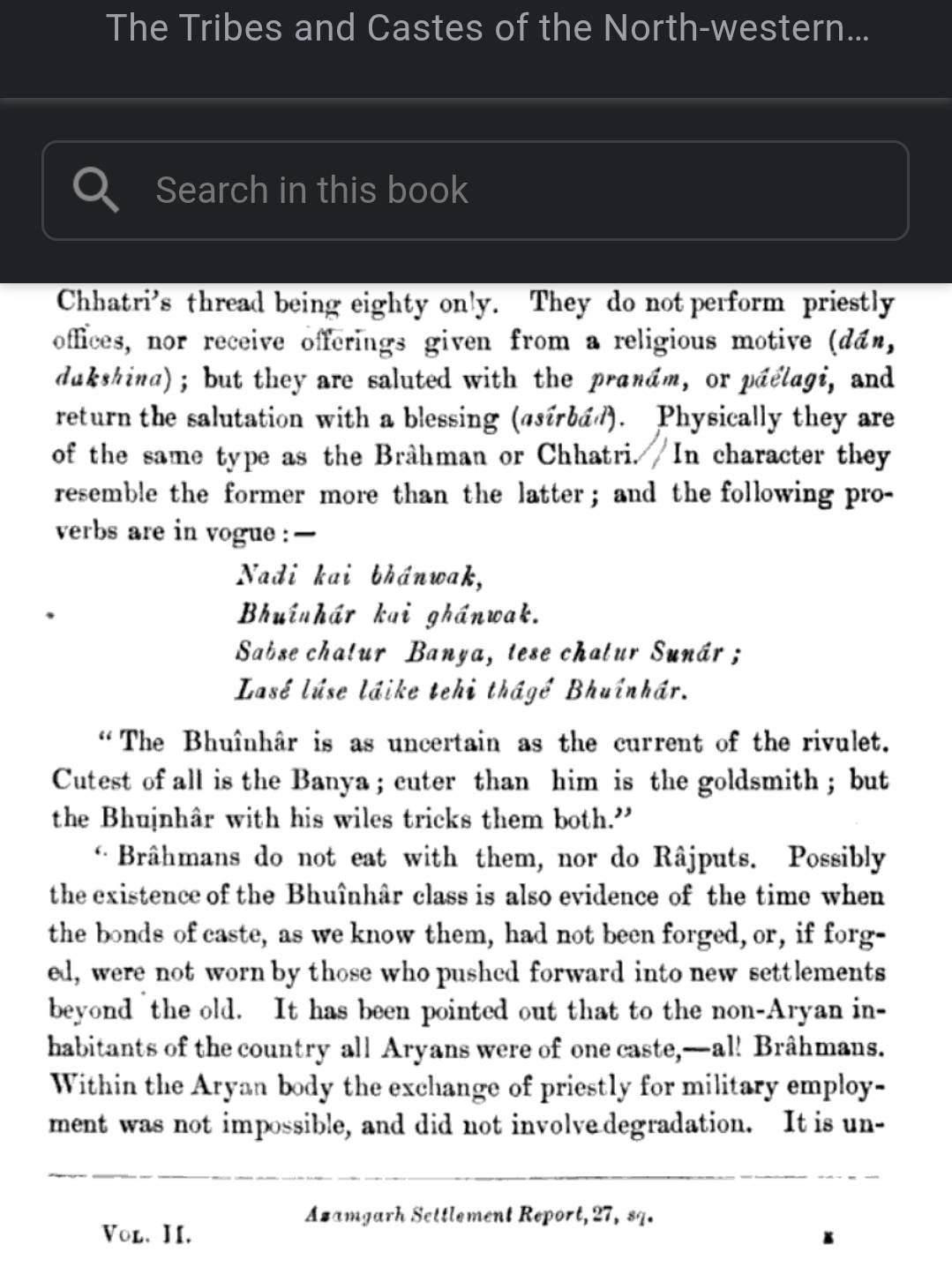
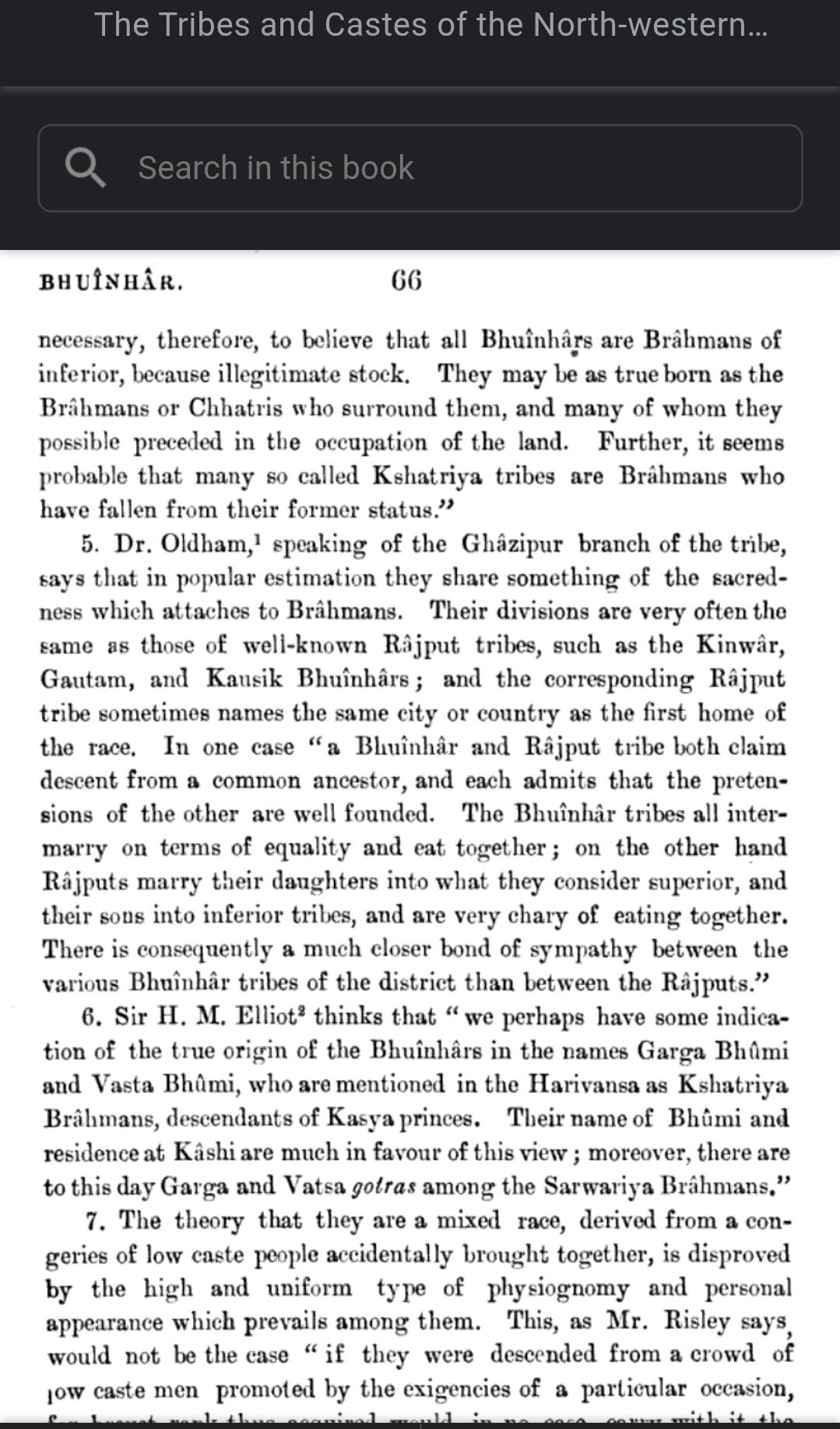
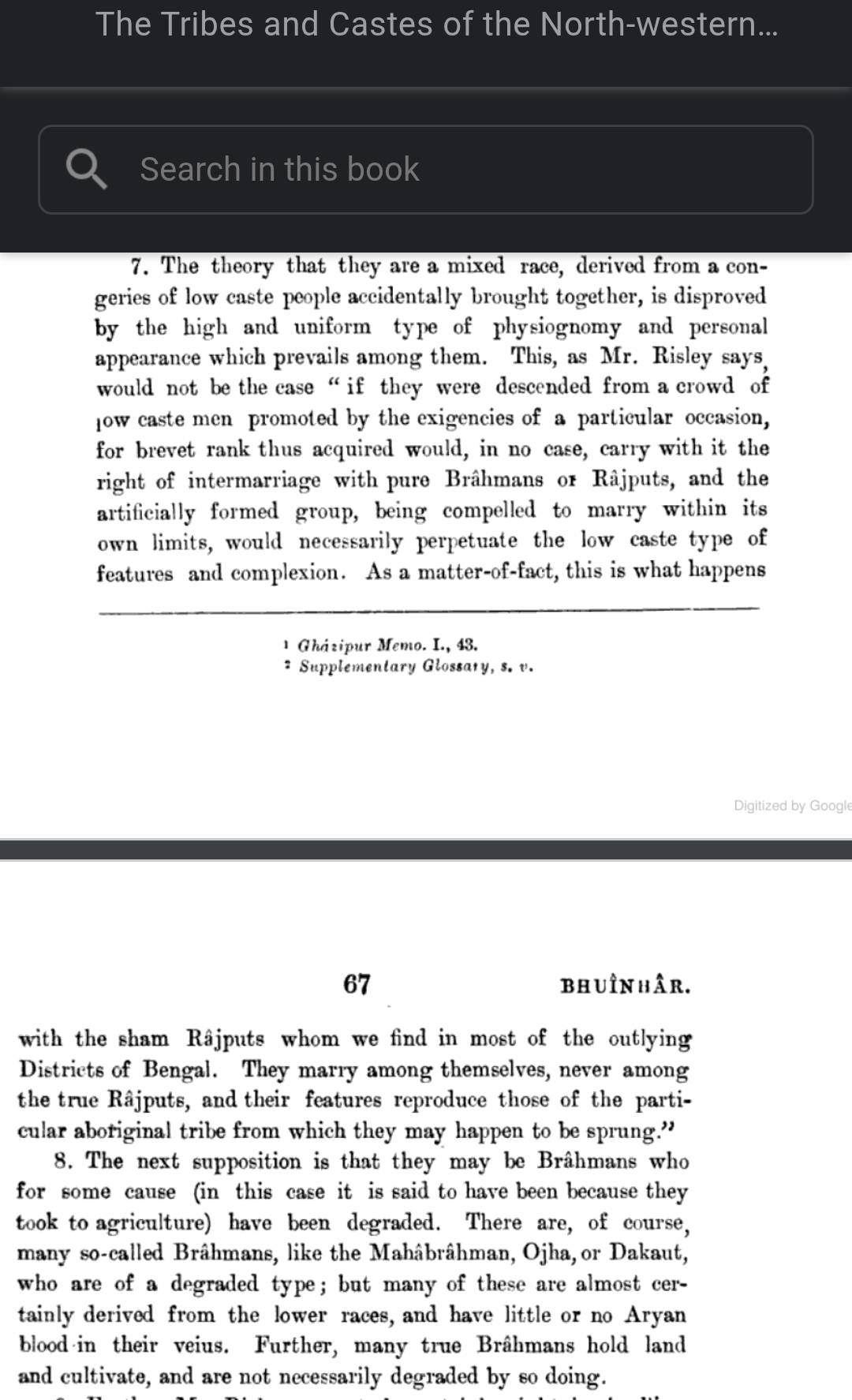
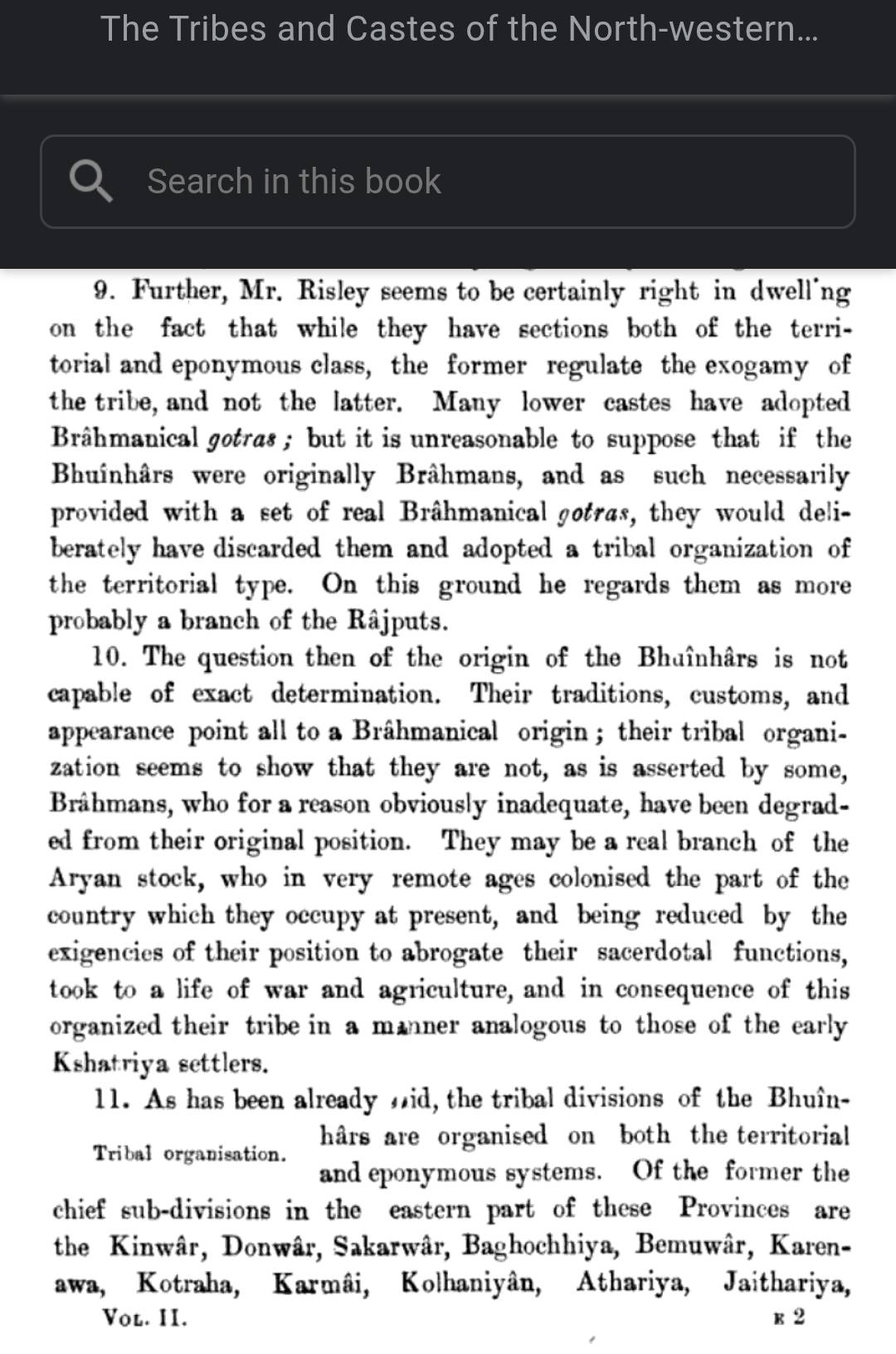
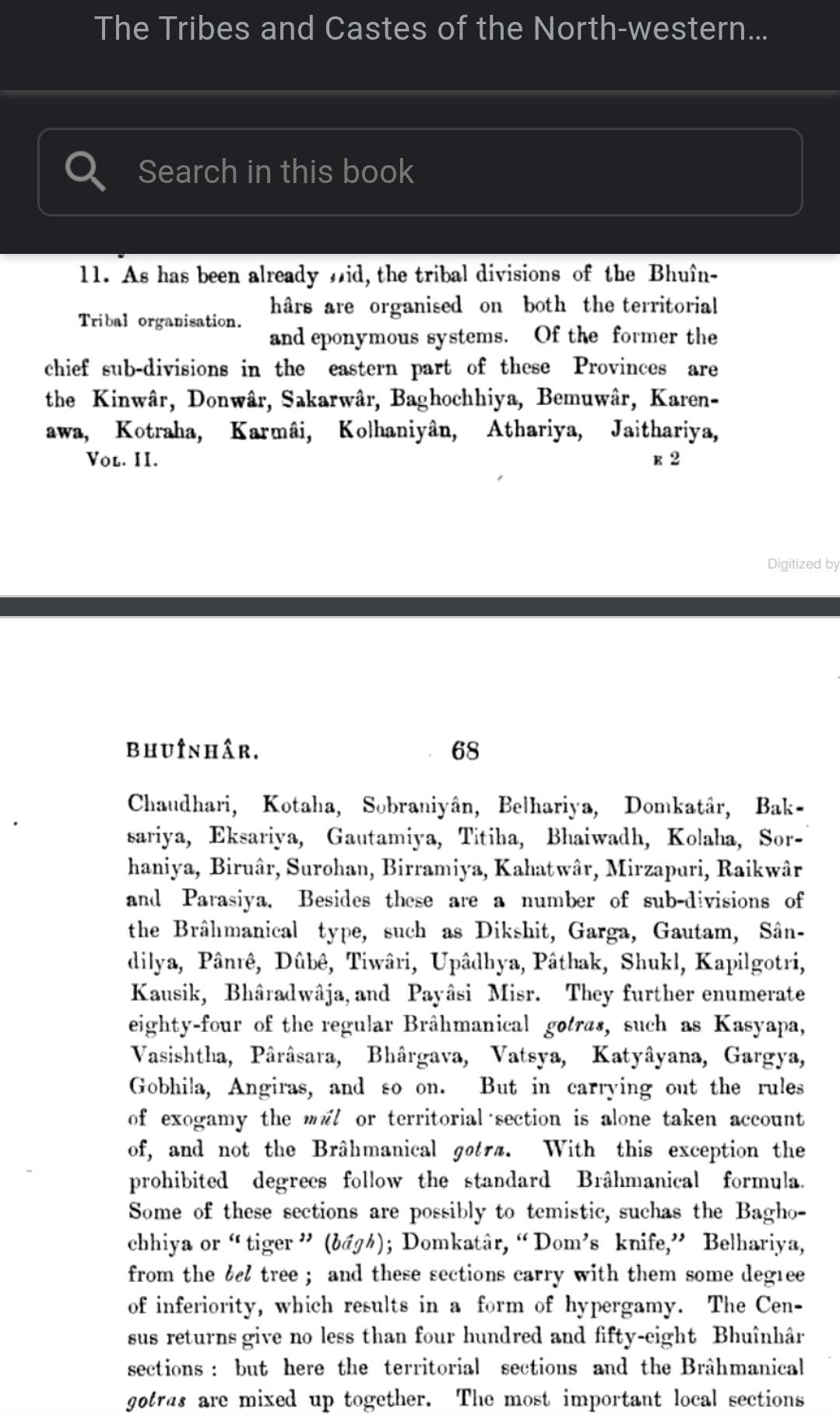
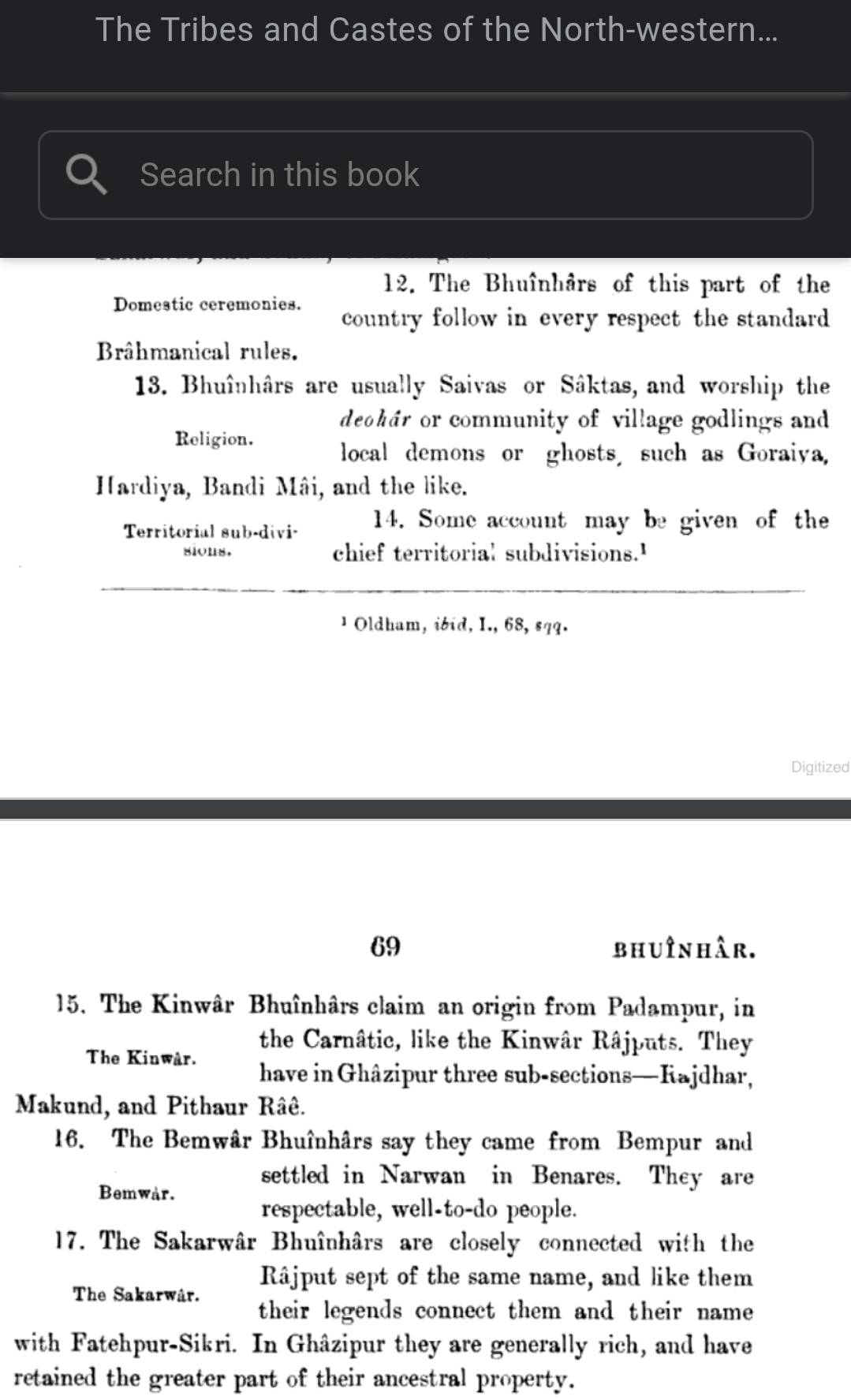
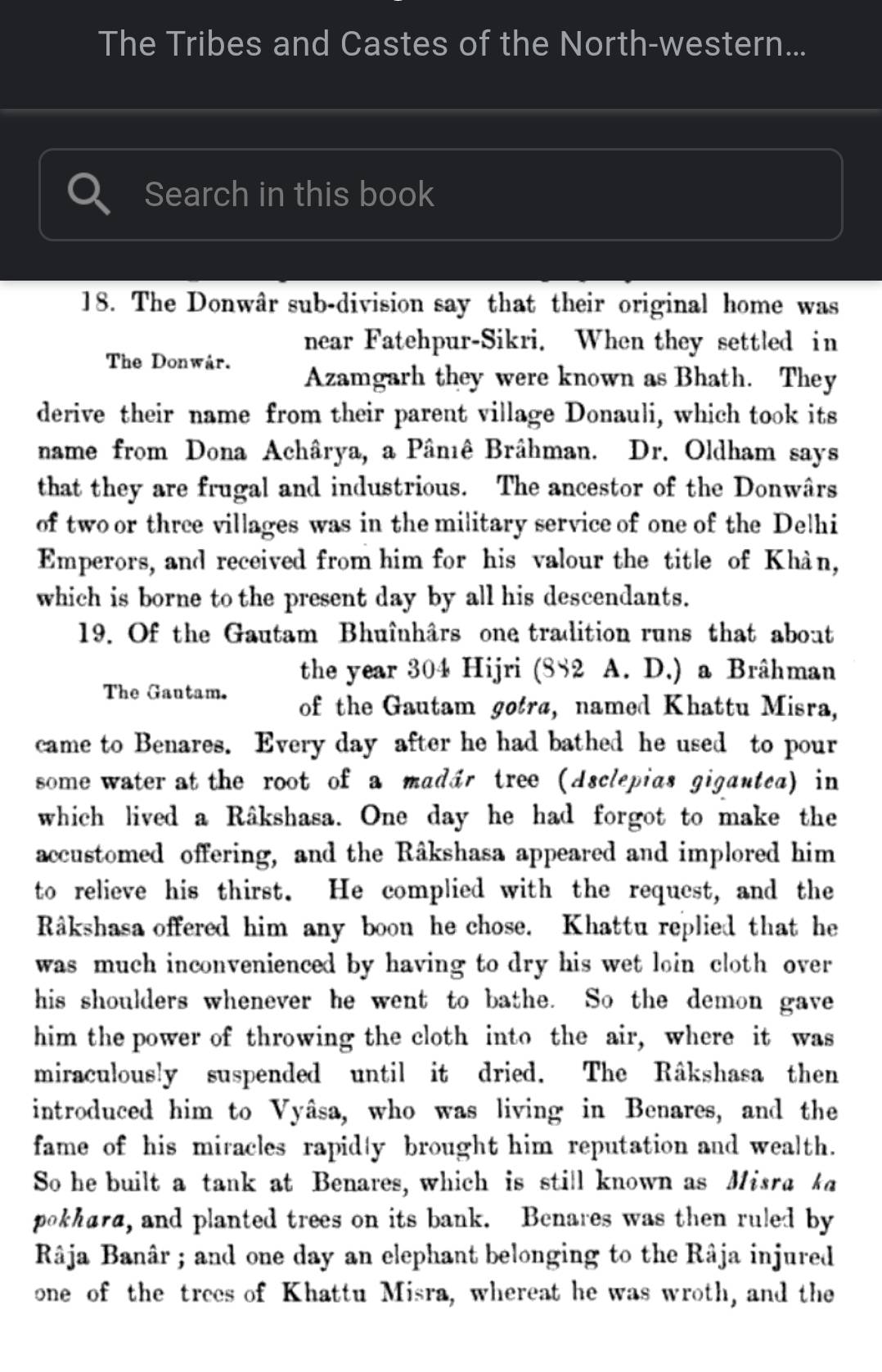
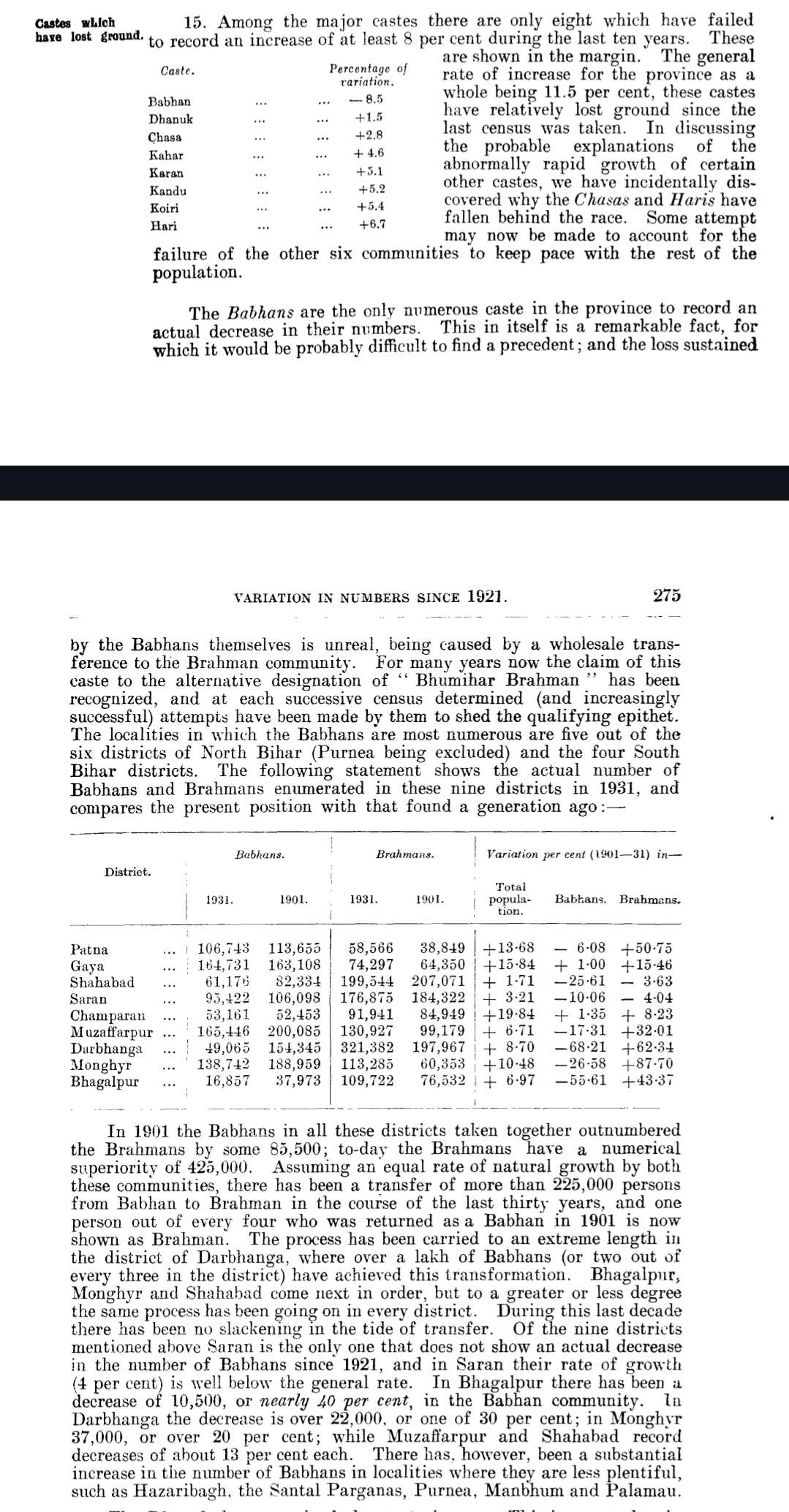
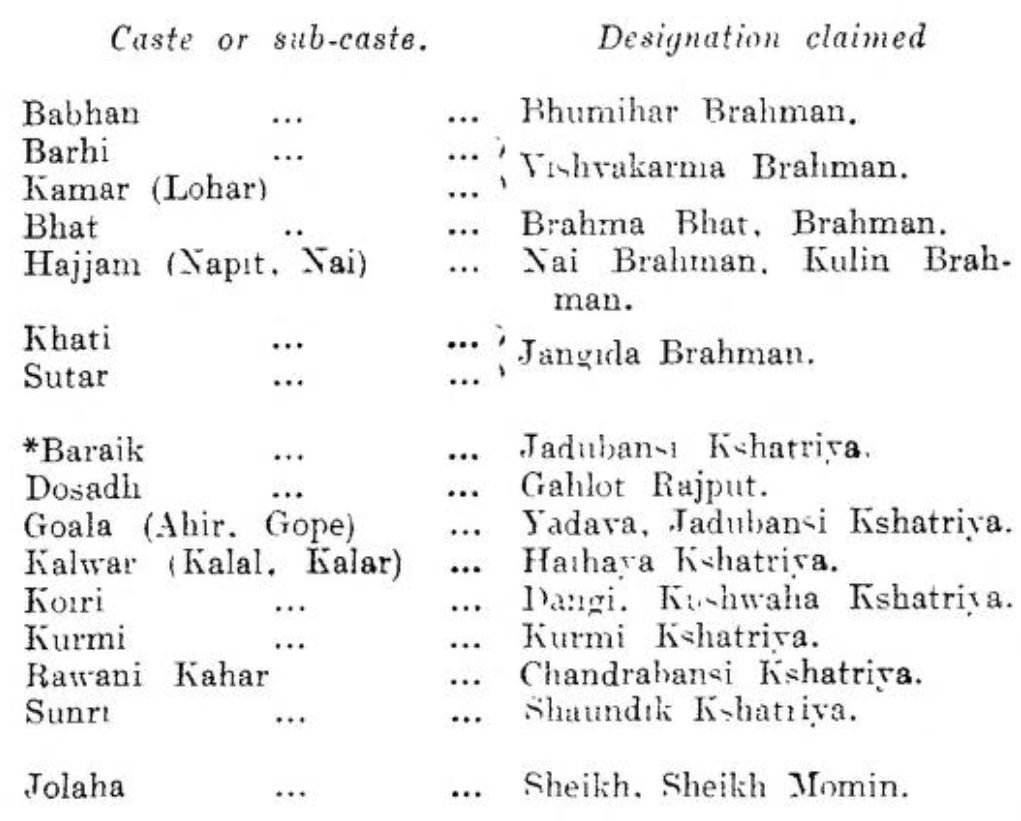

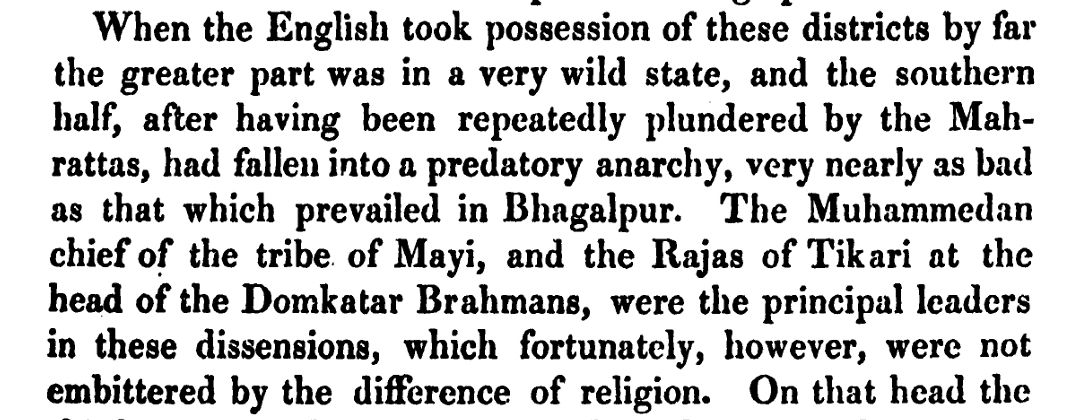
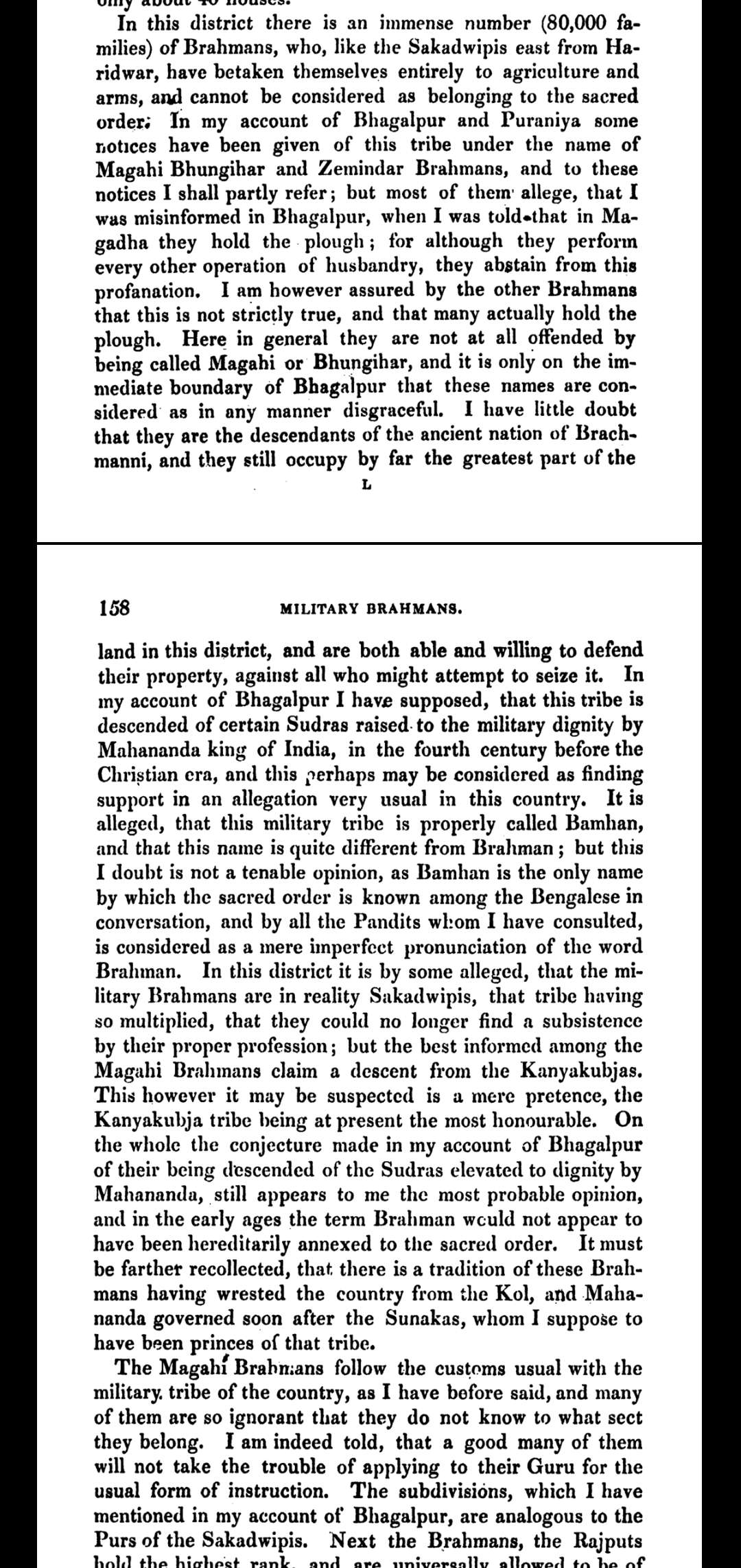
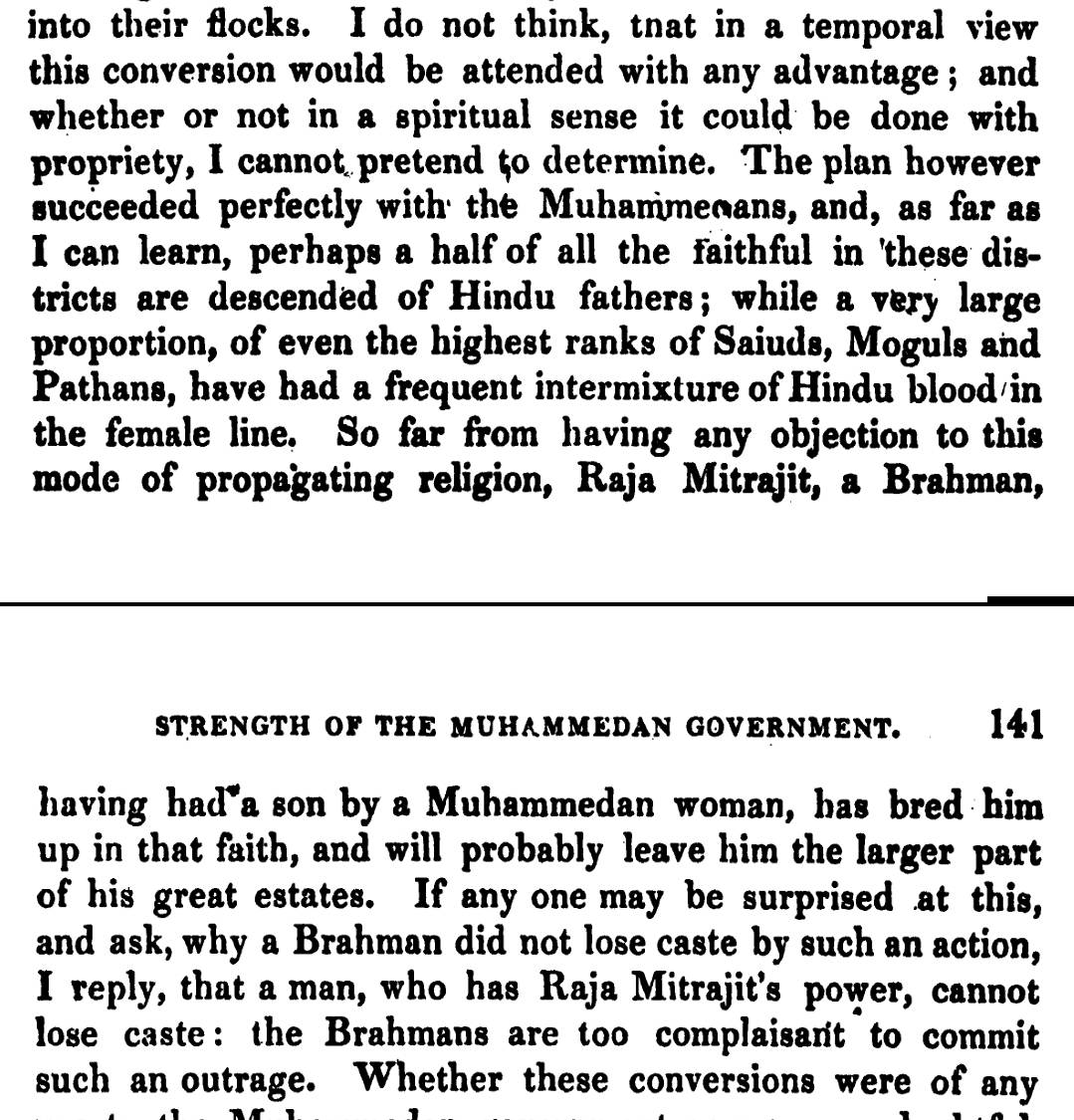
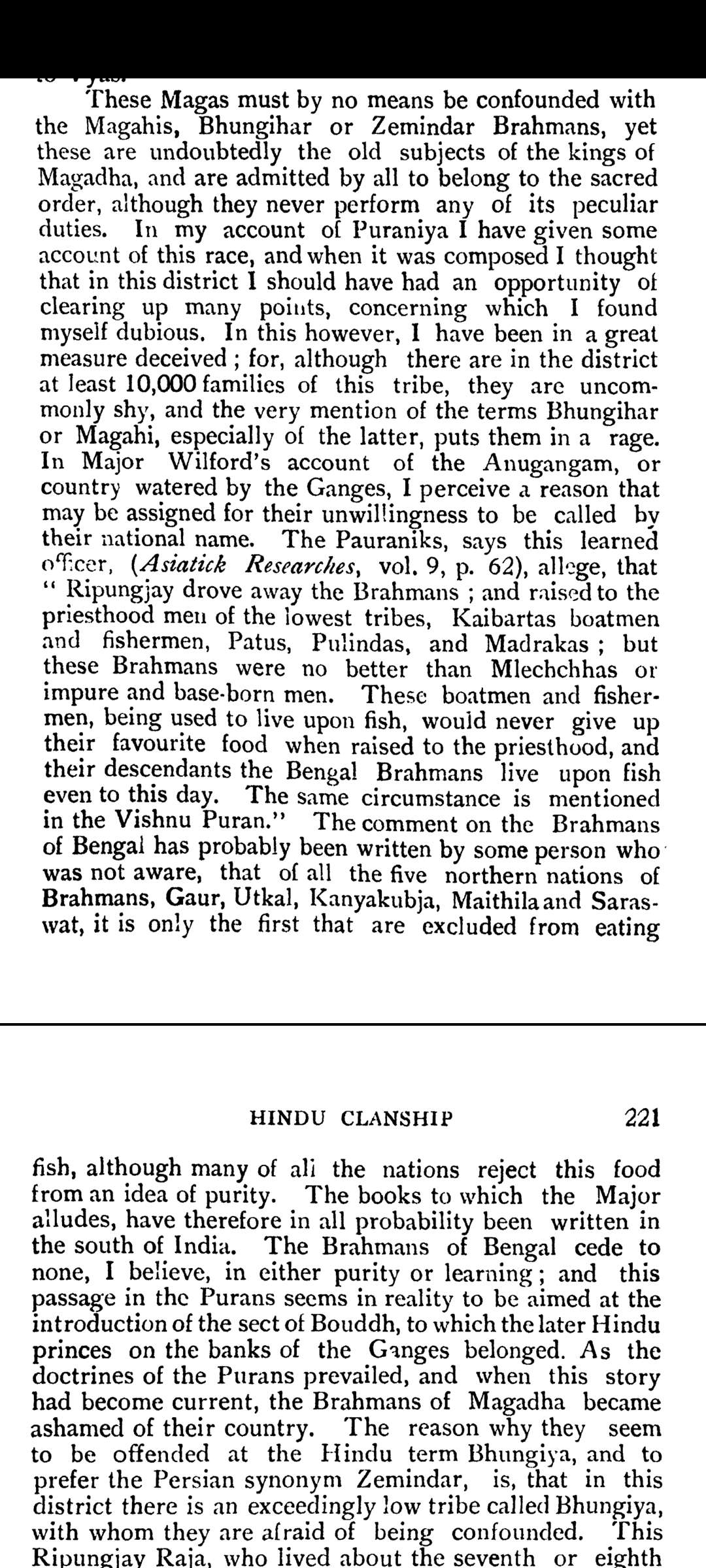
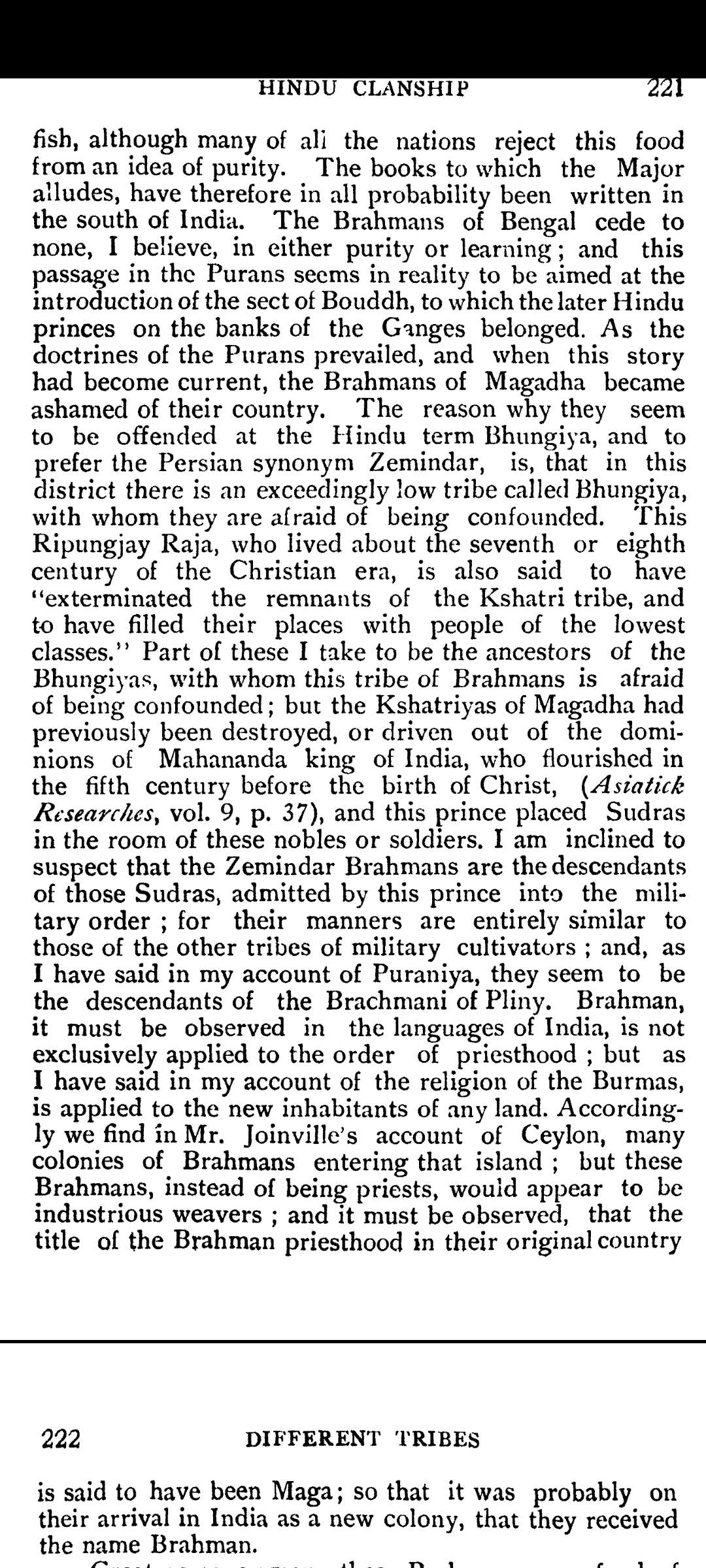
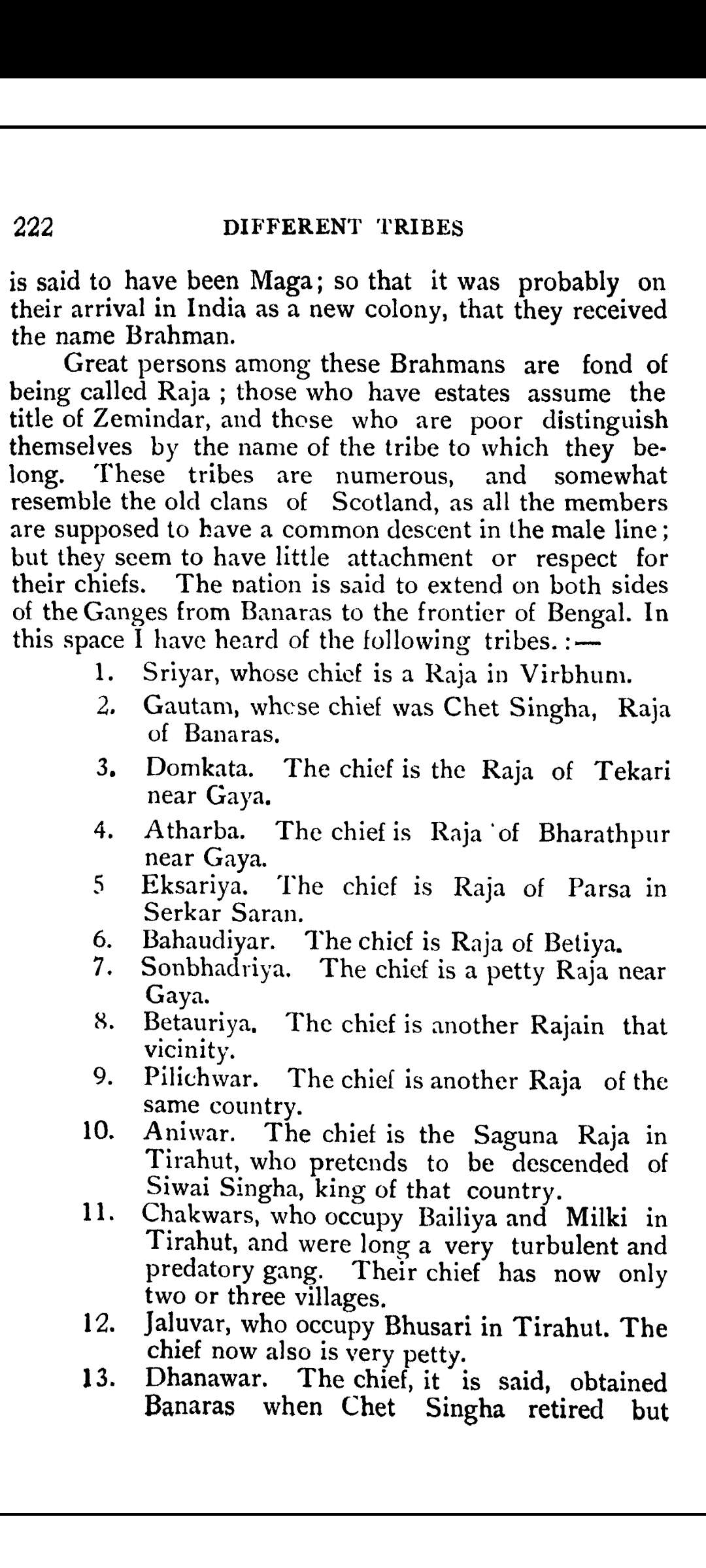

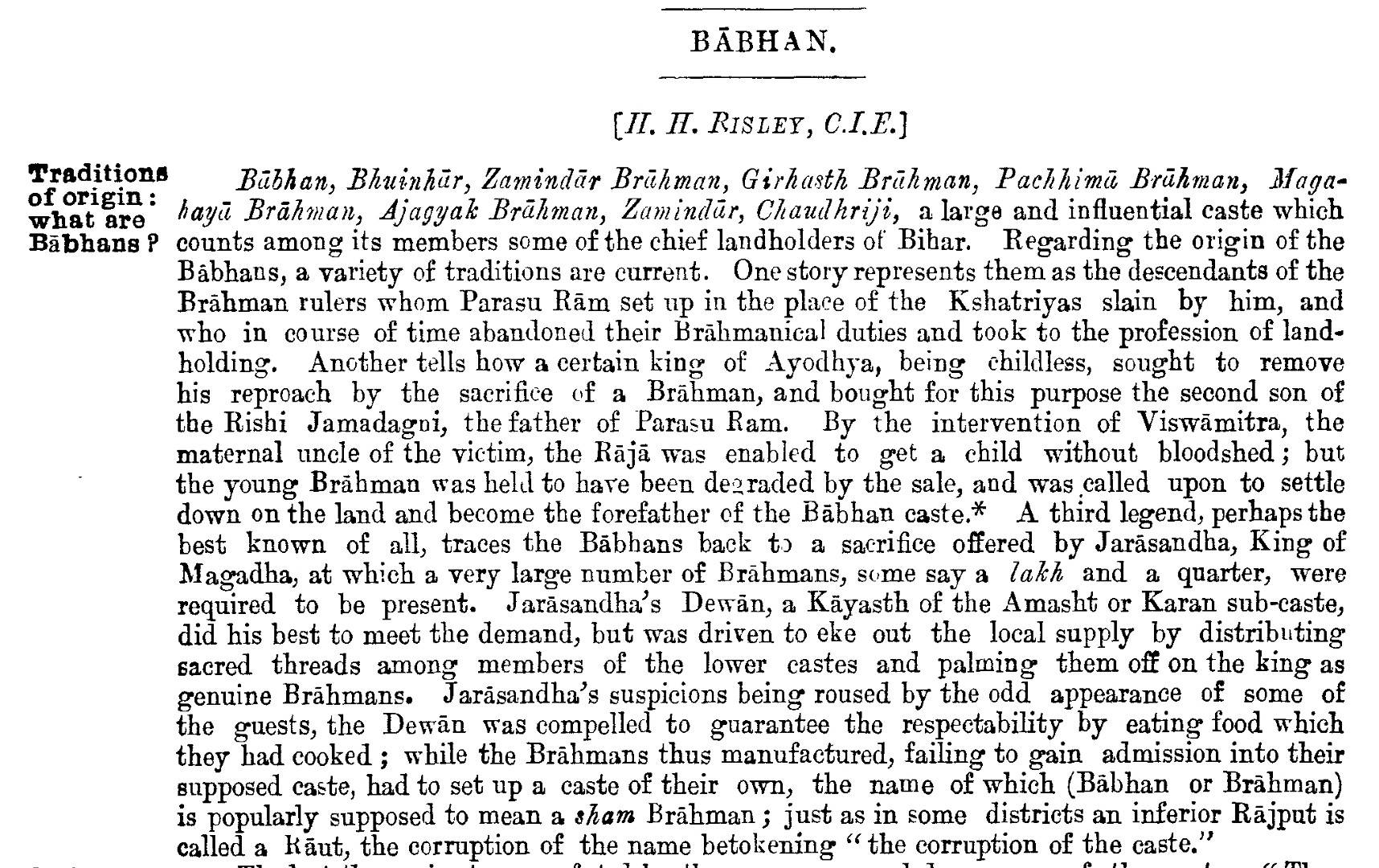
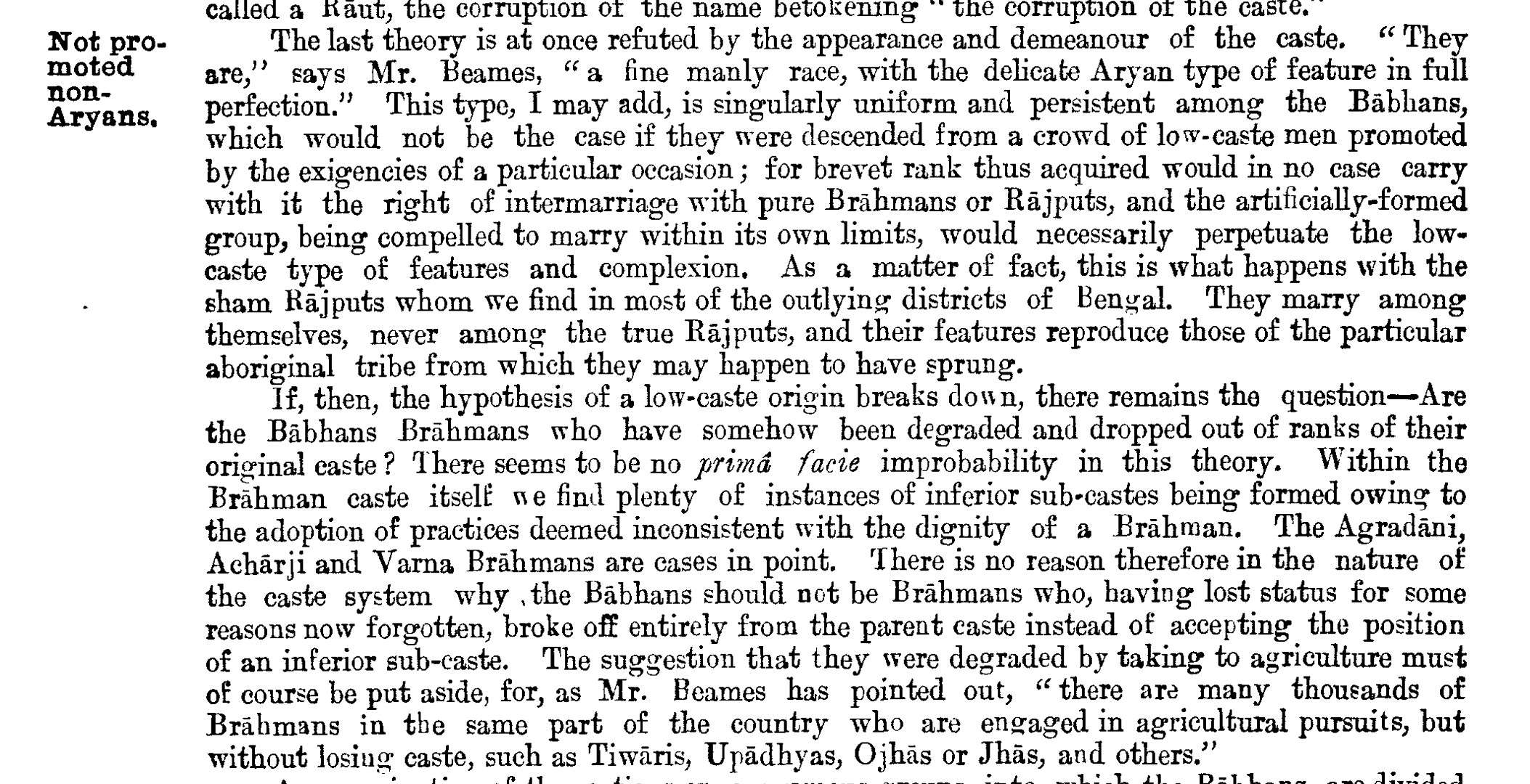
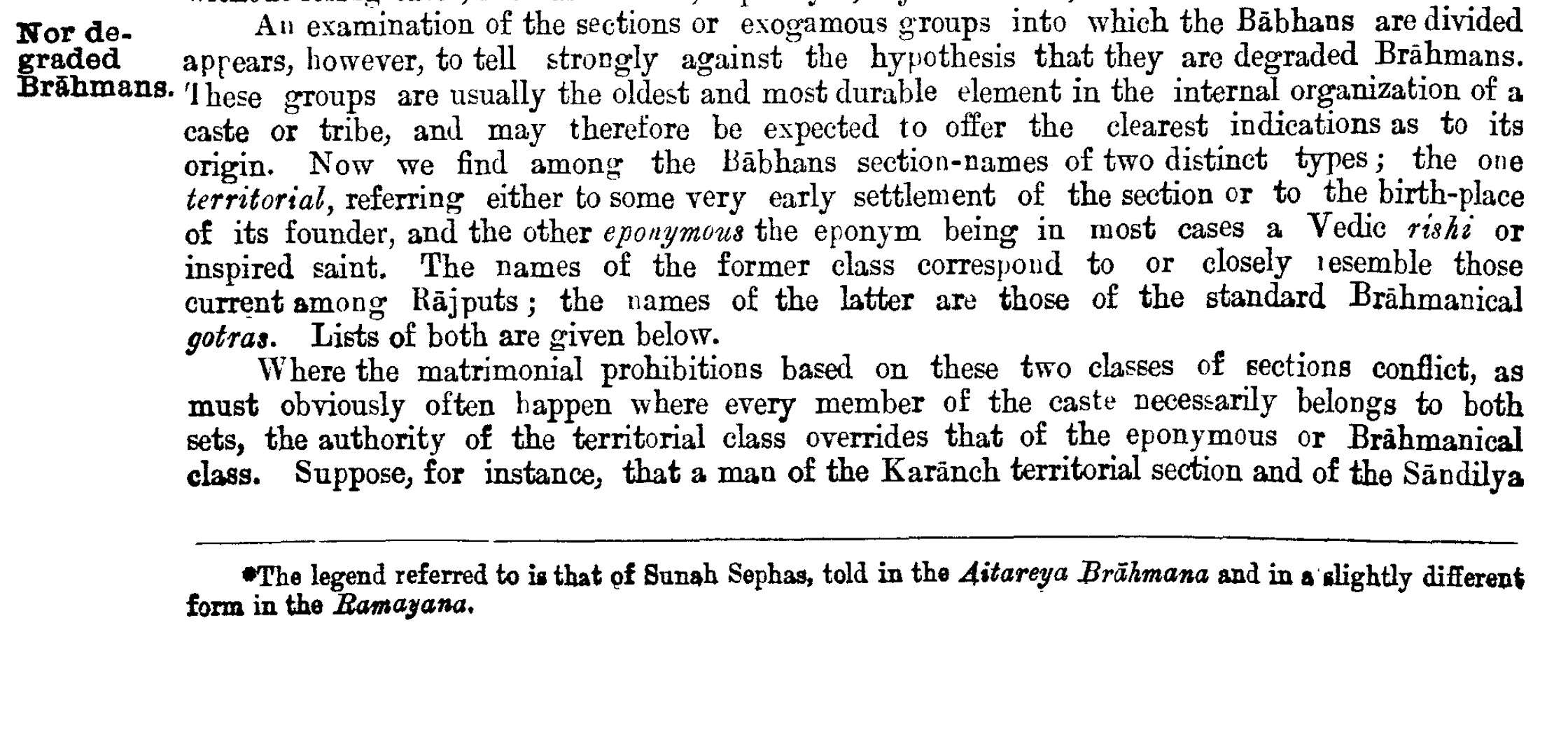
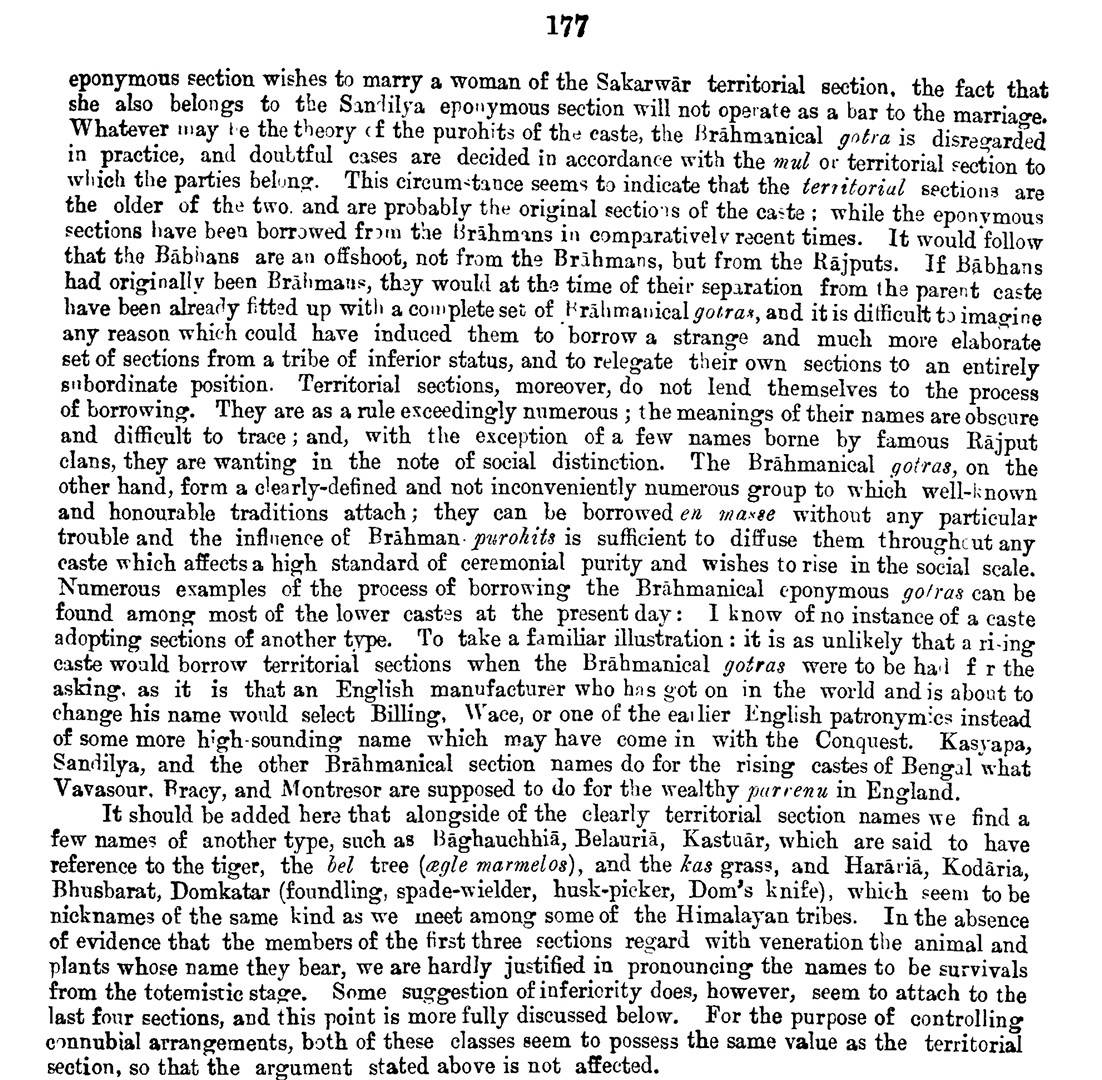
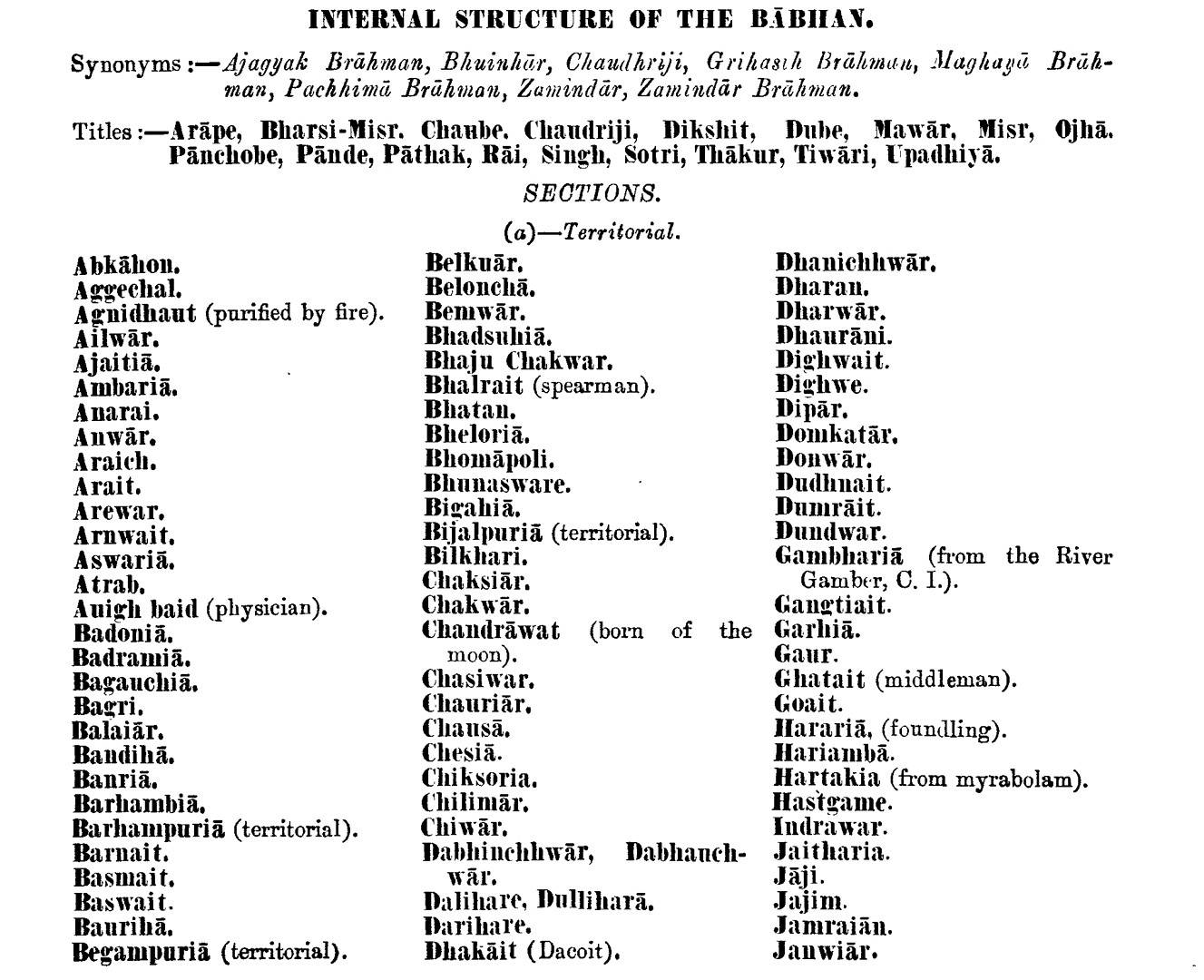
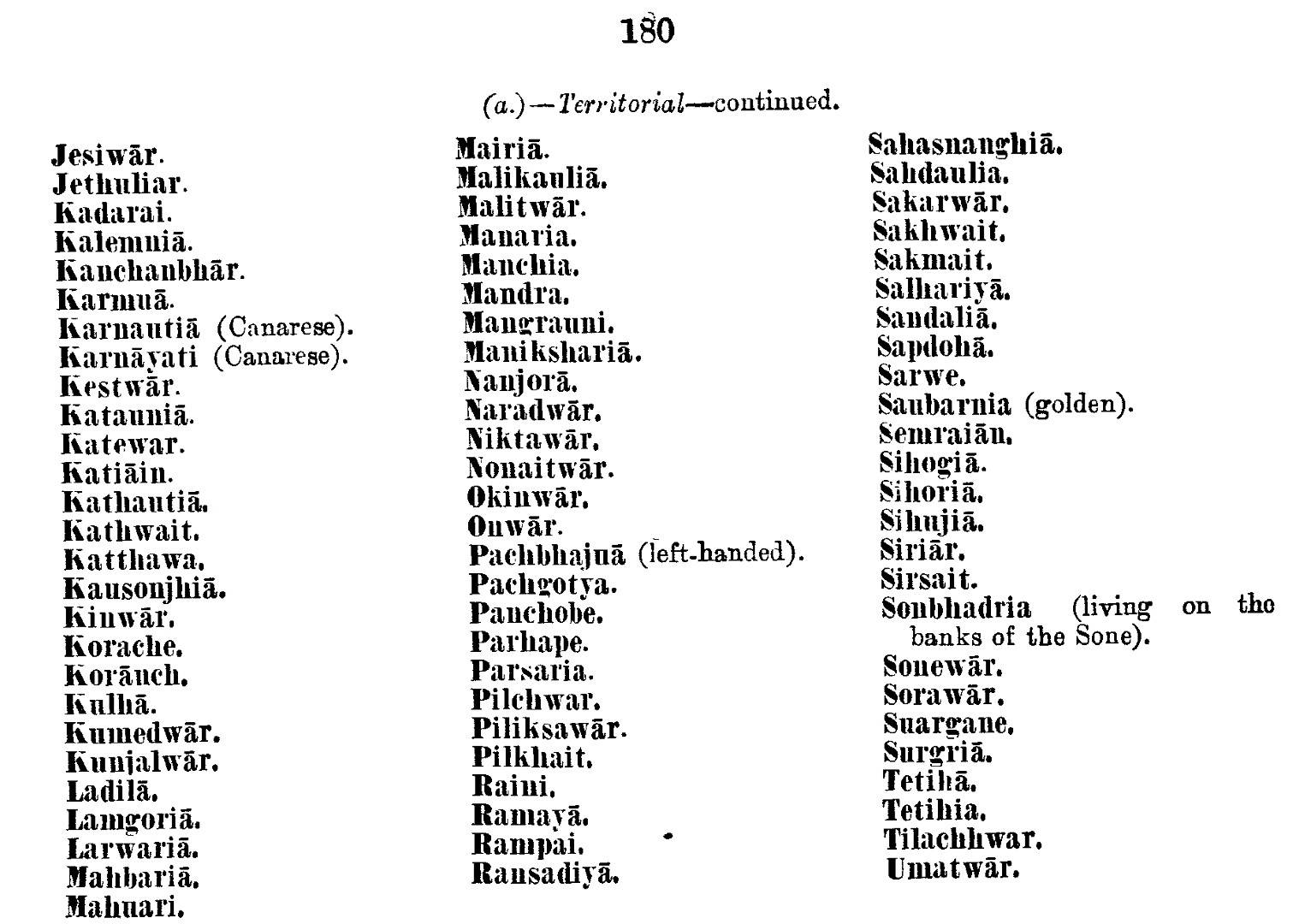
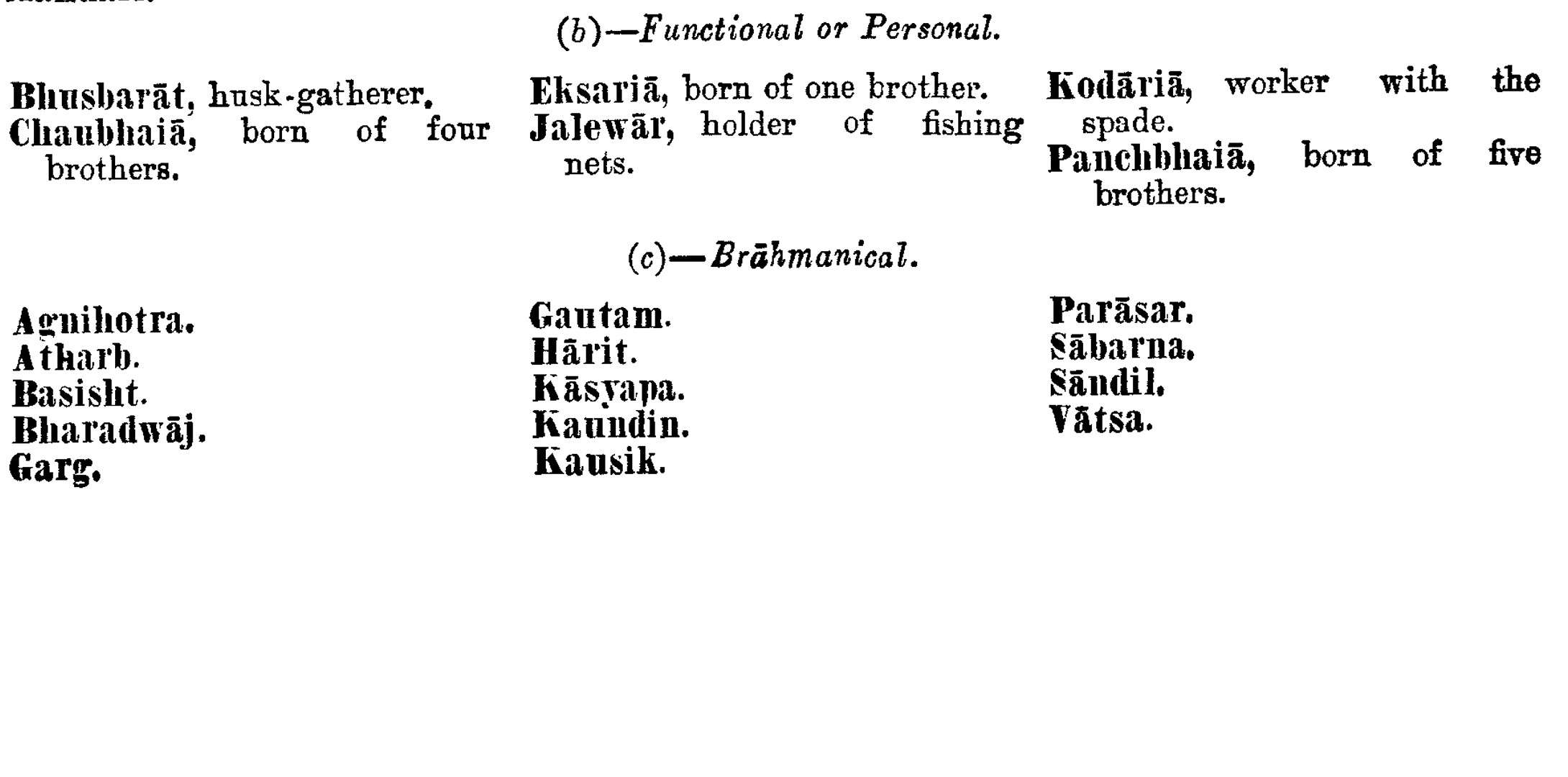
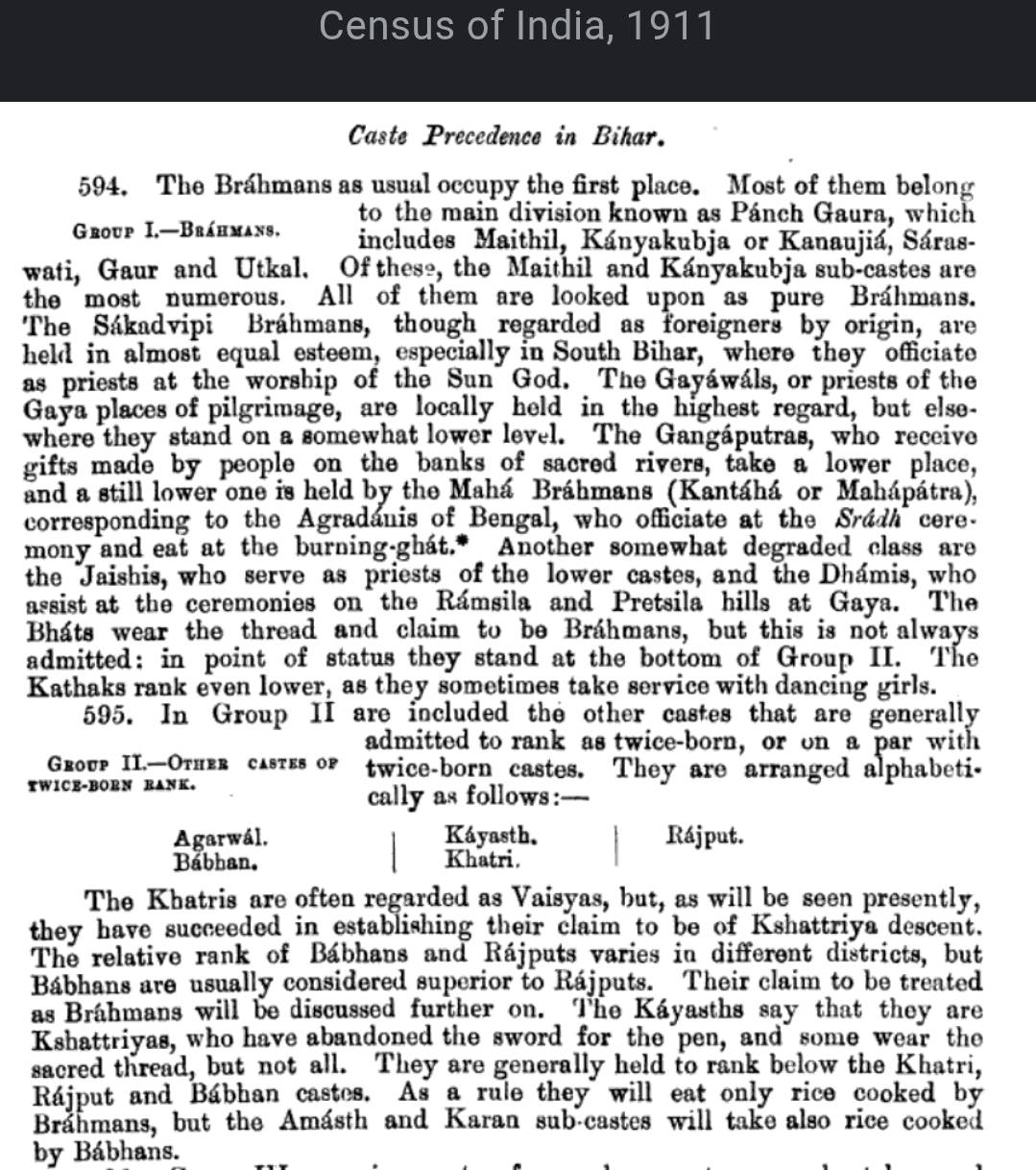
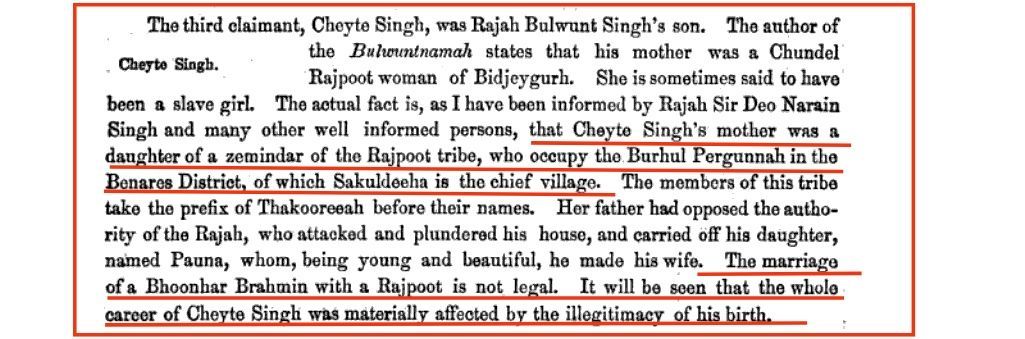
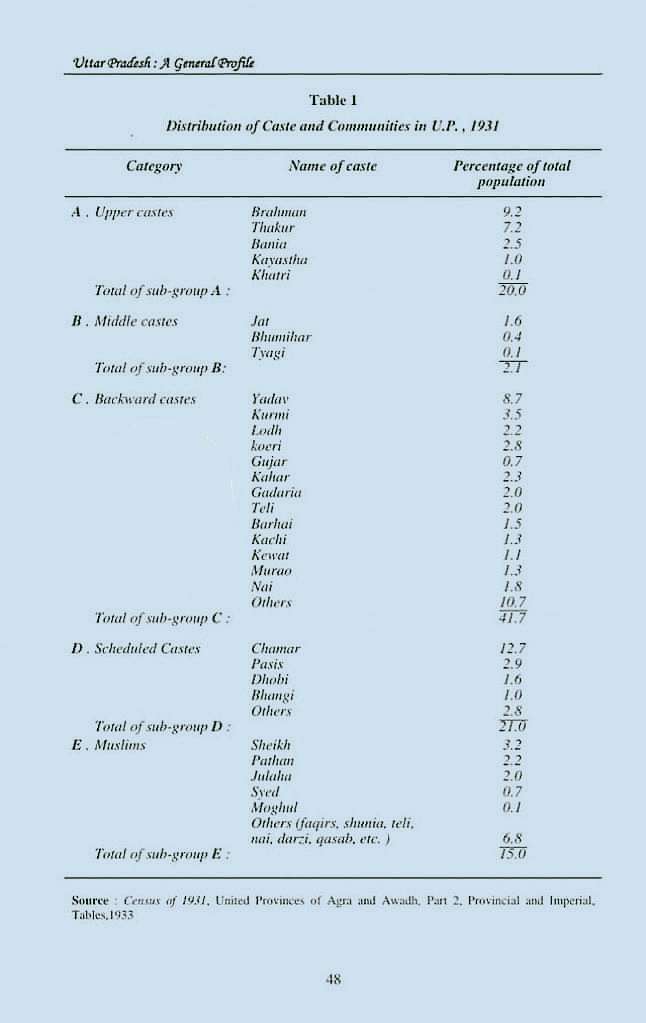
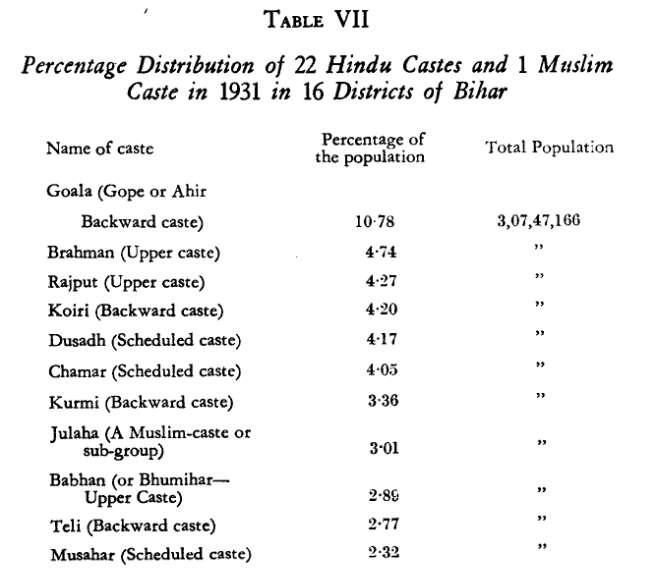

Go to References
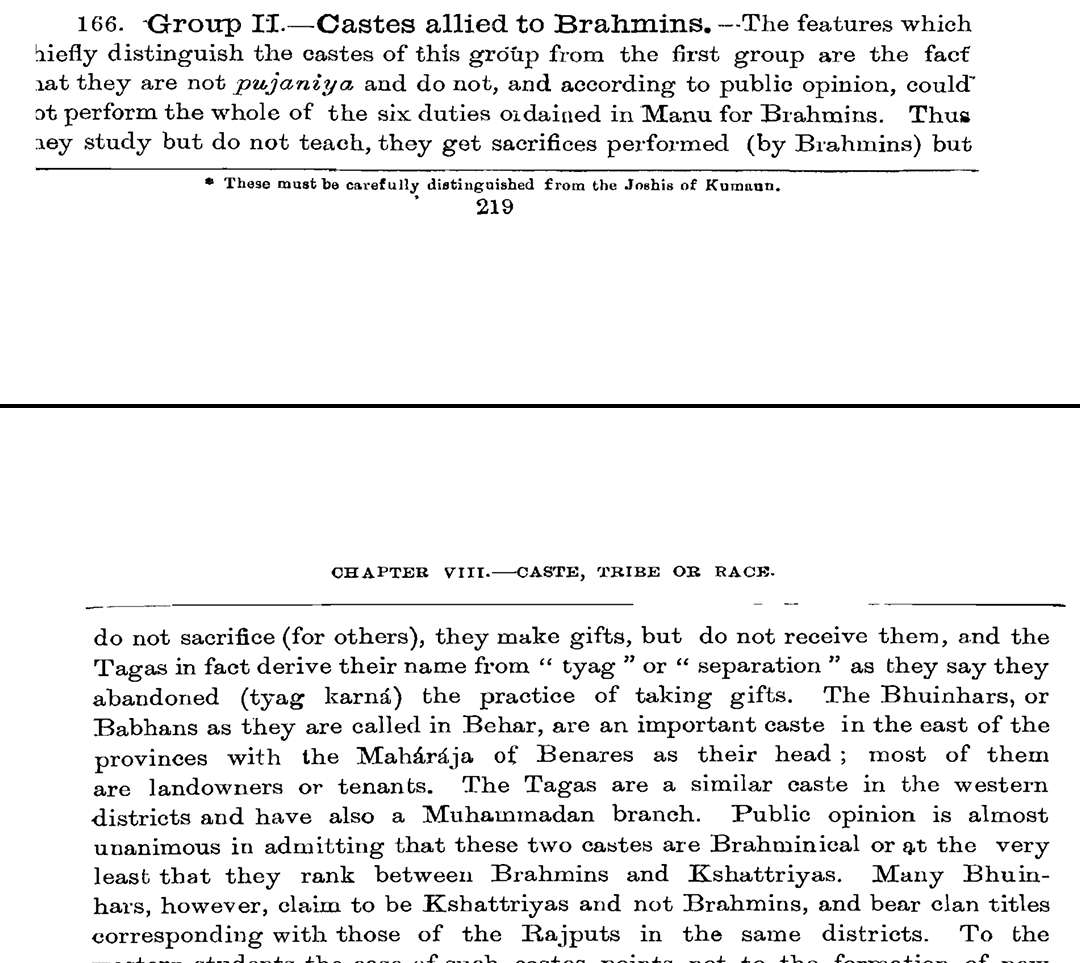
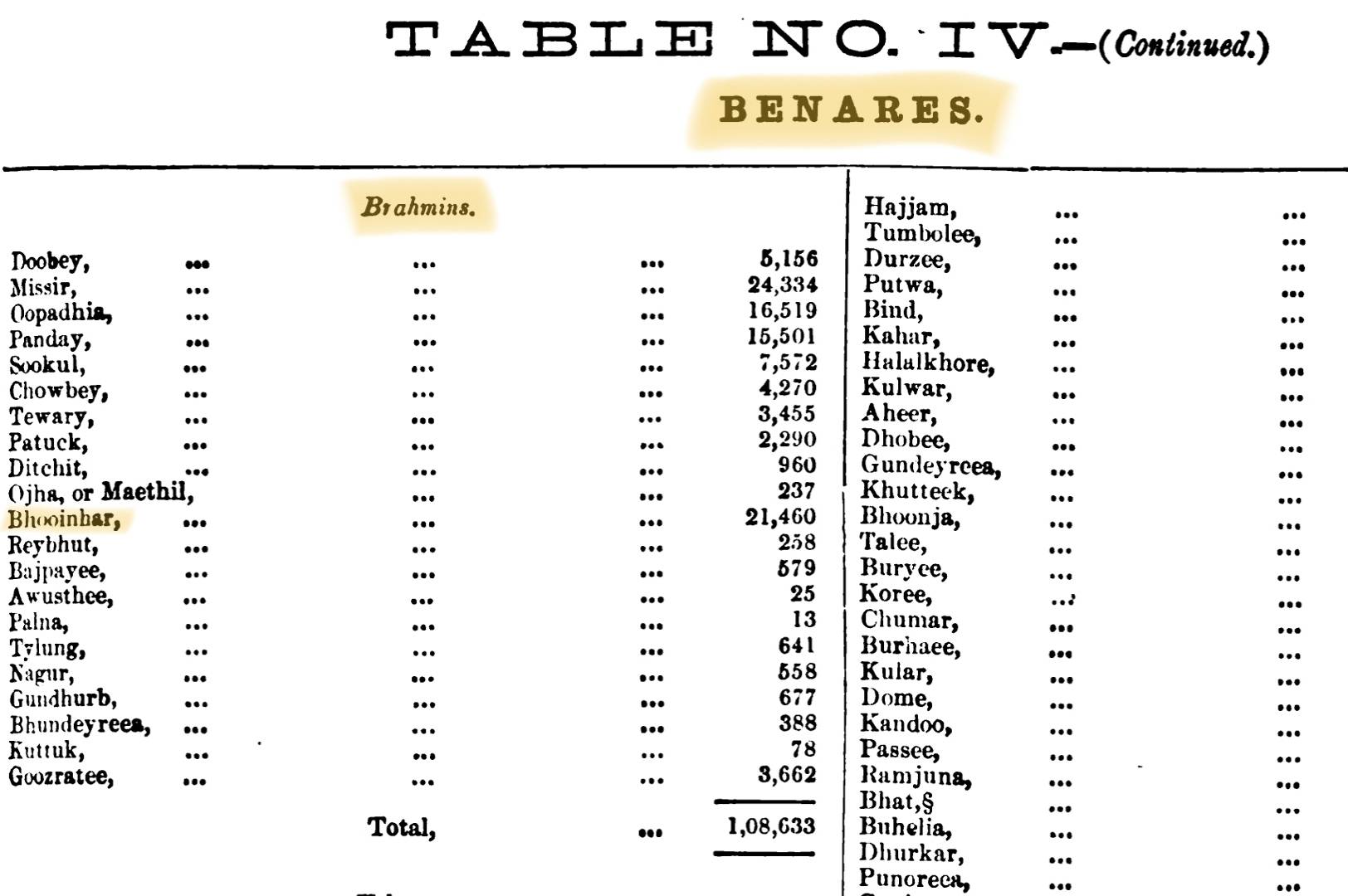
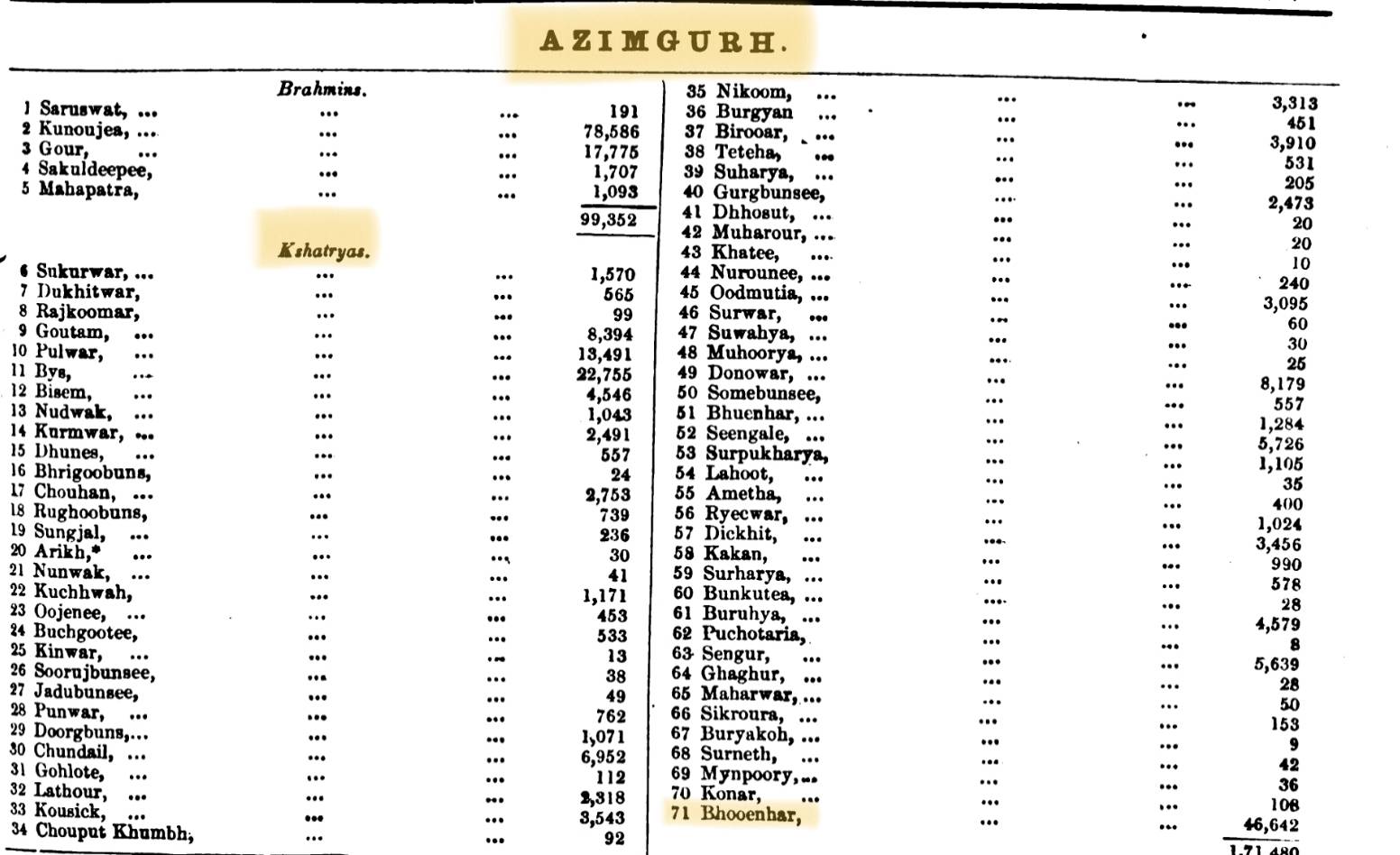
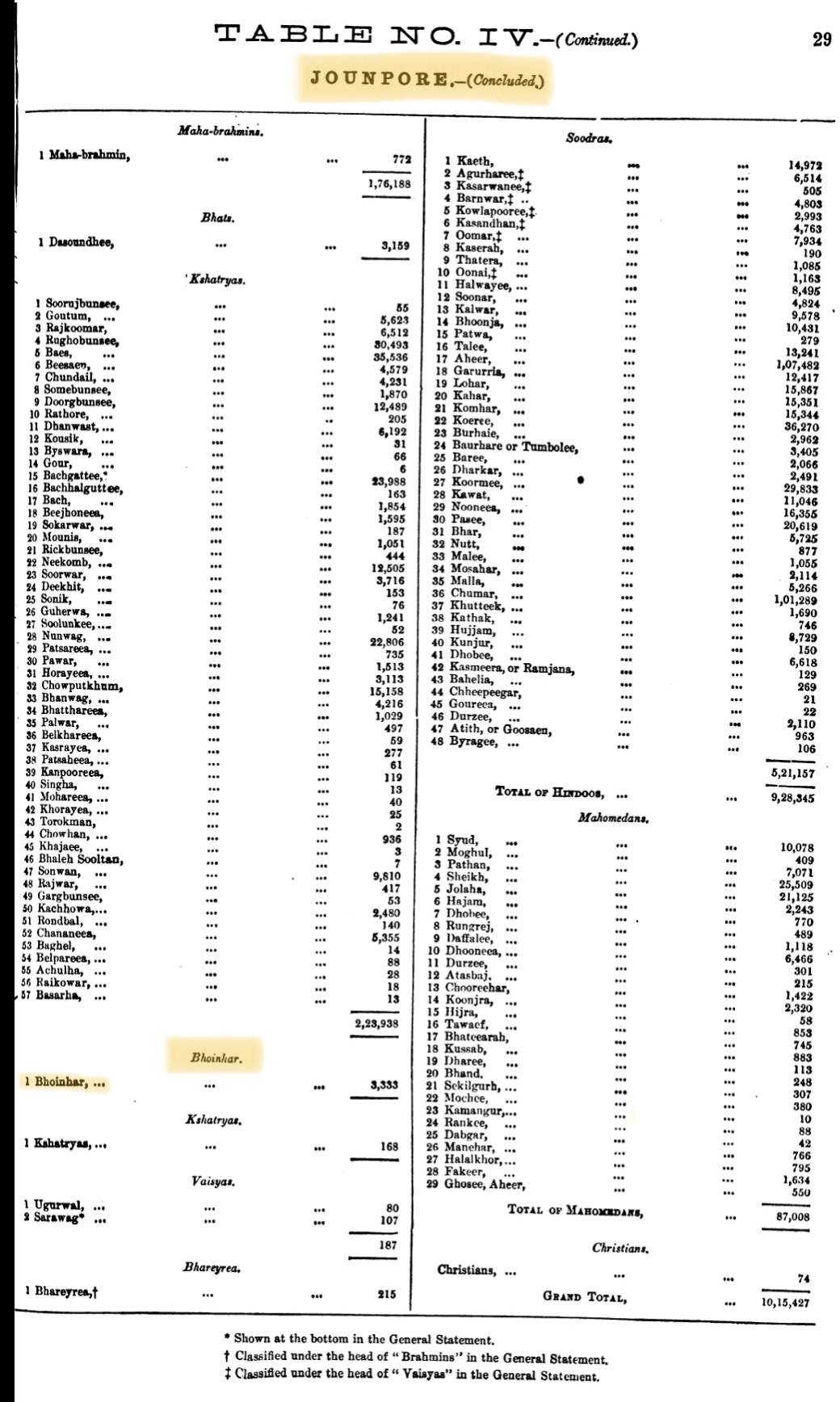
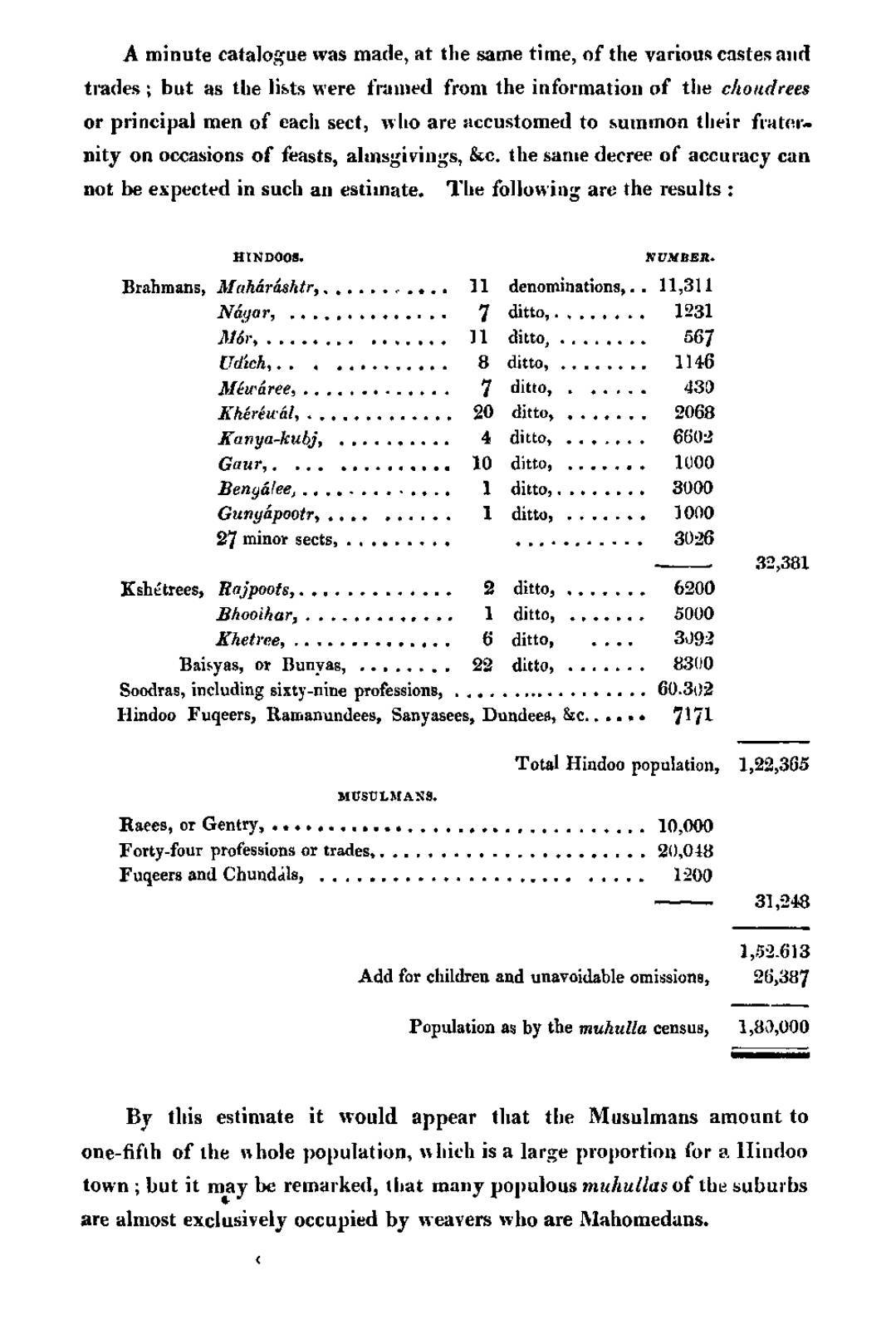
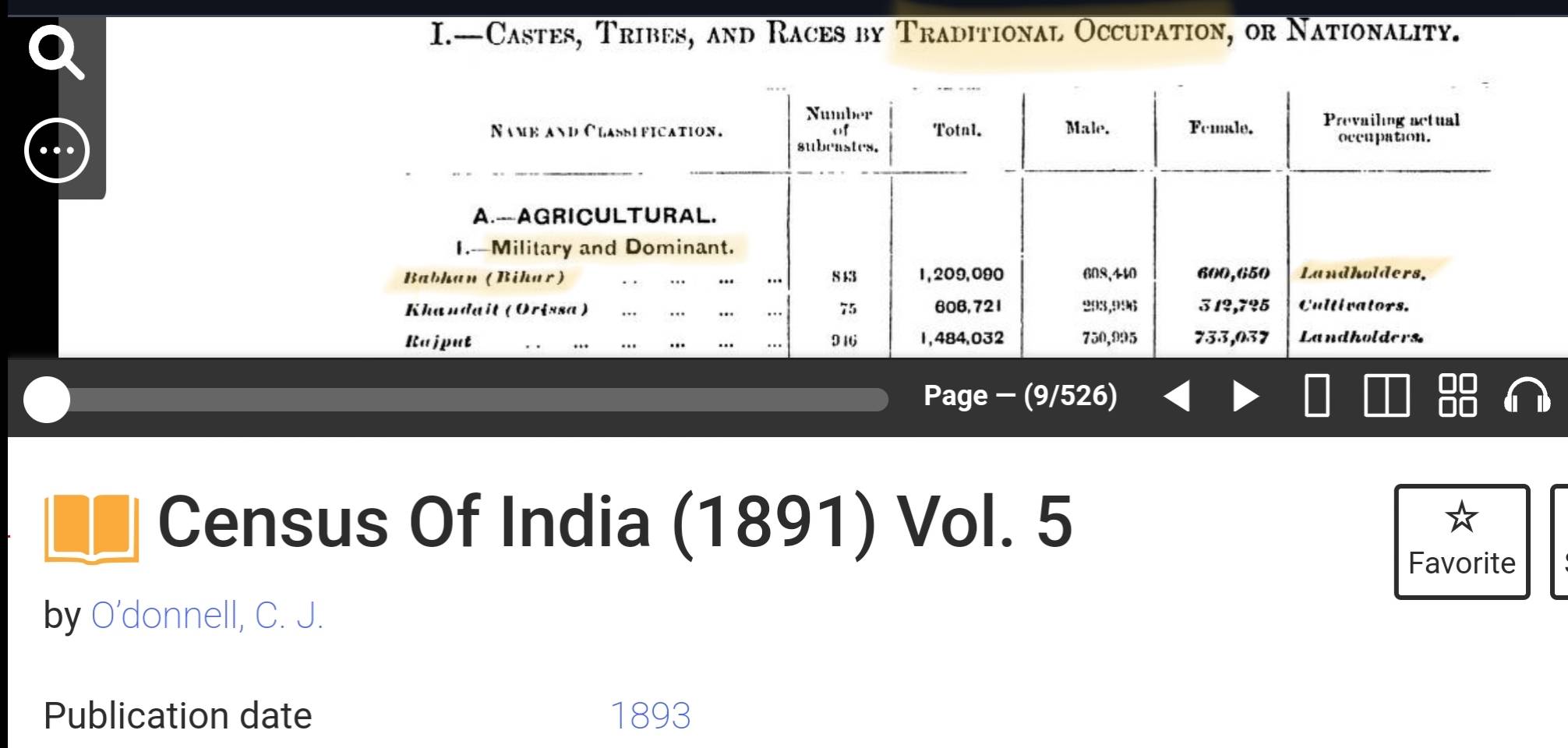
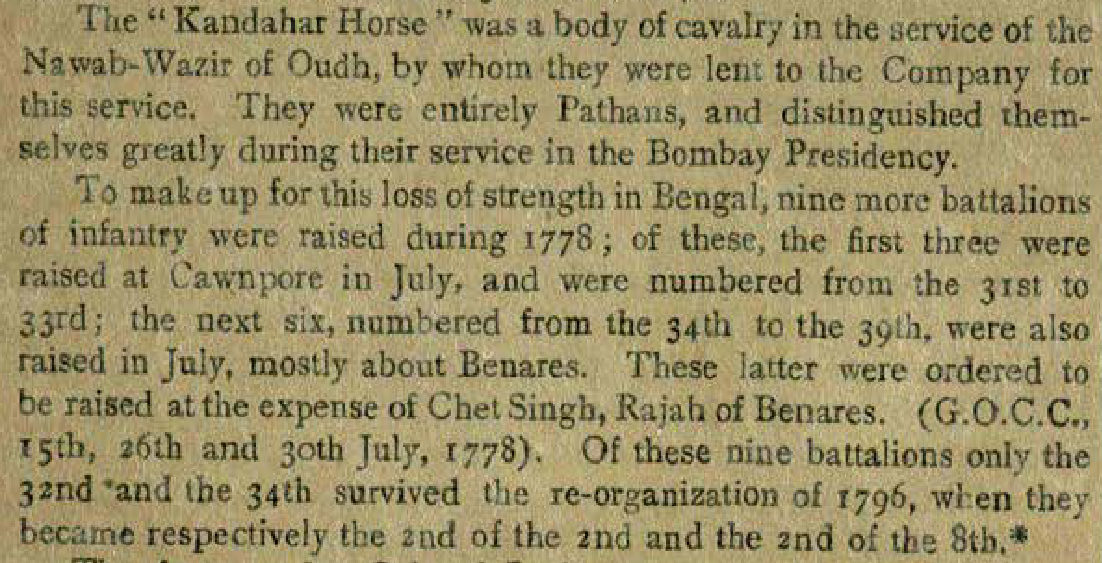
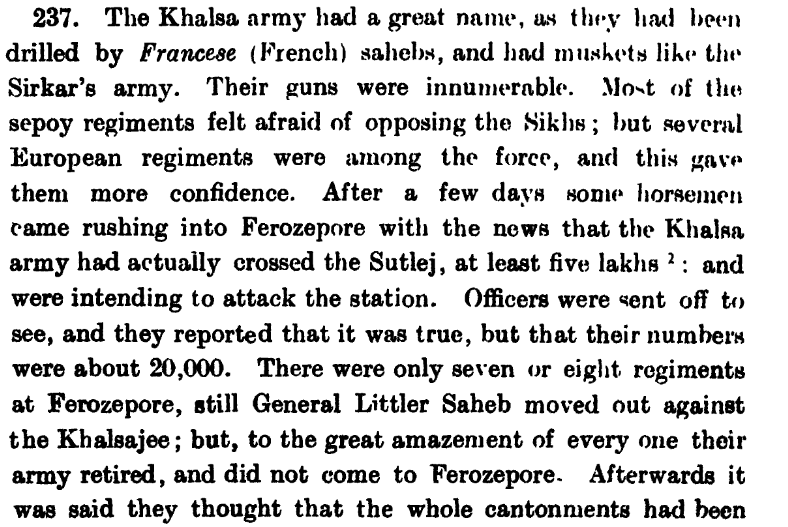
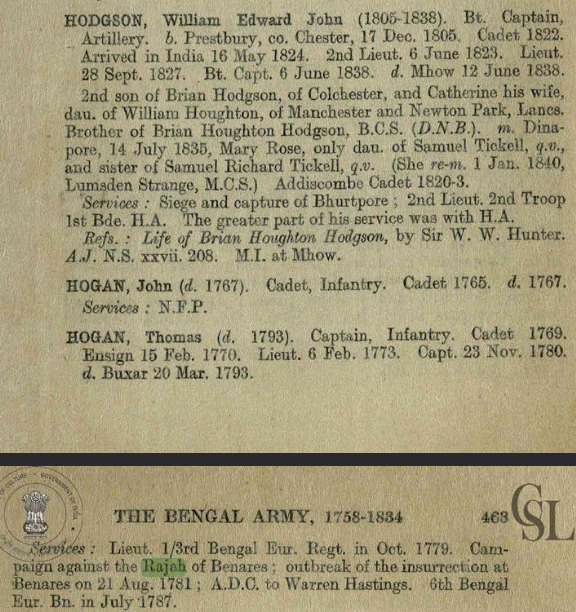
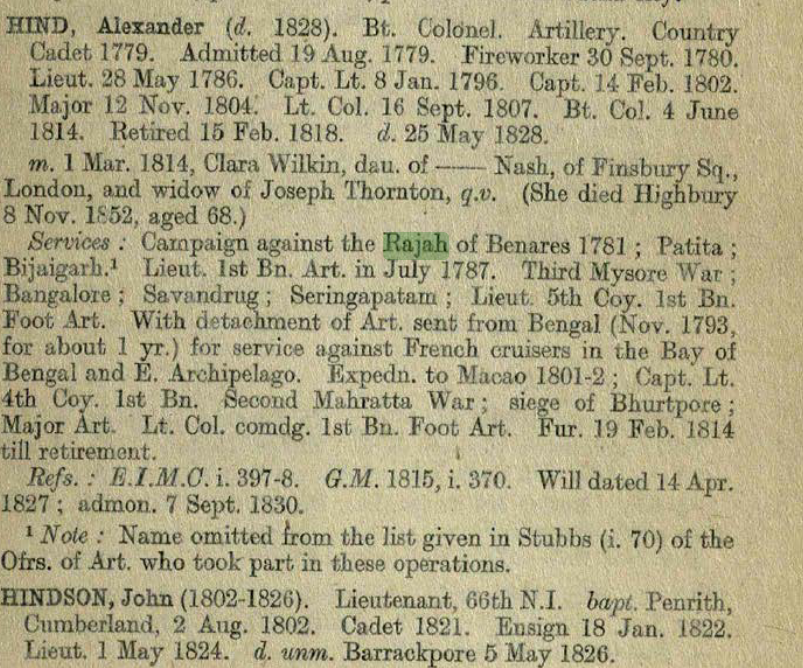
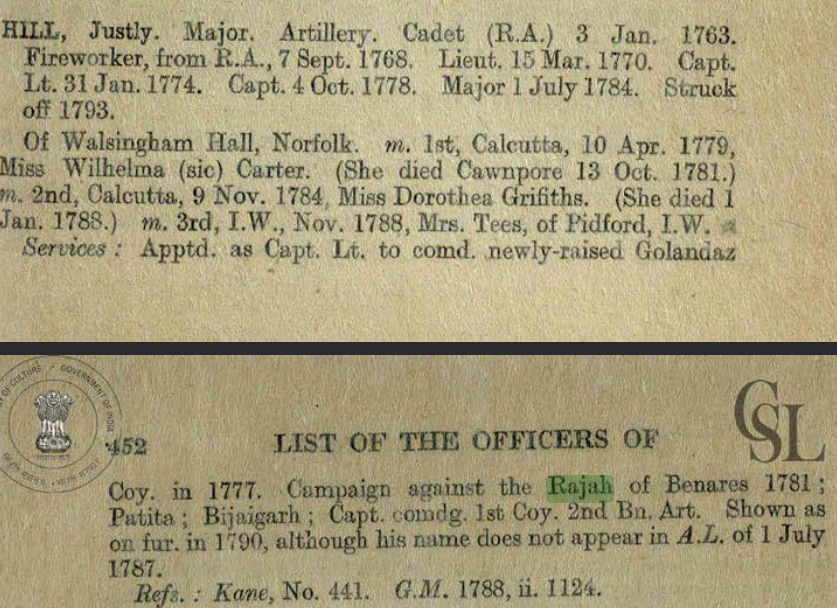
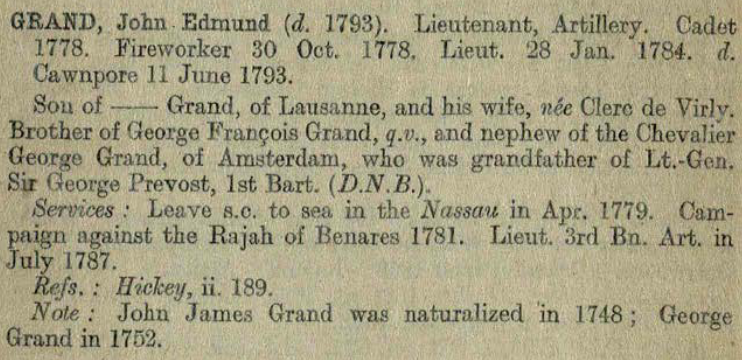

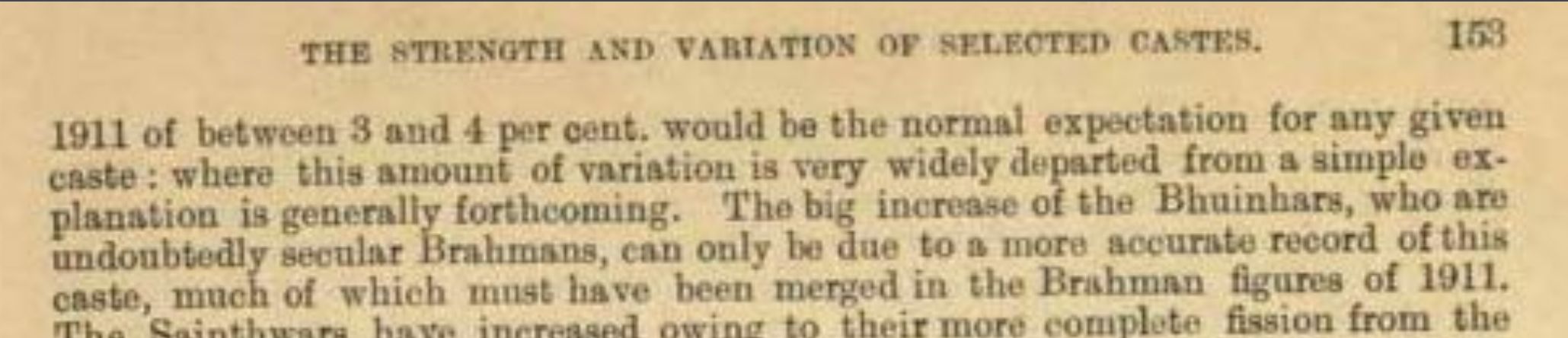
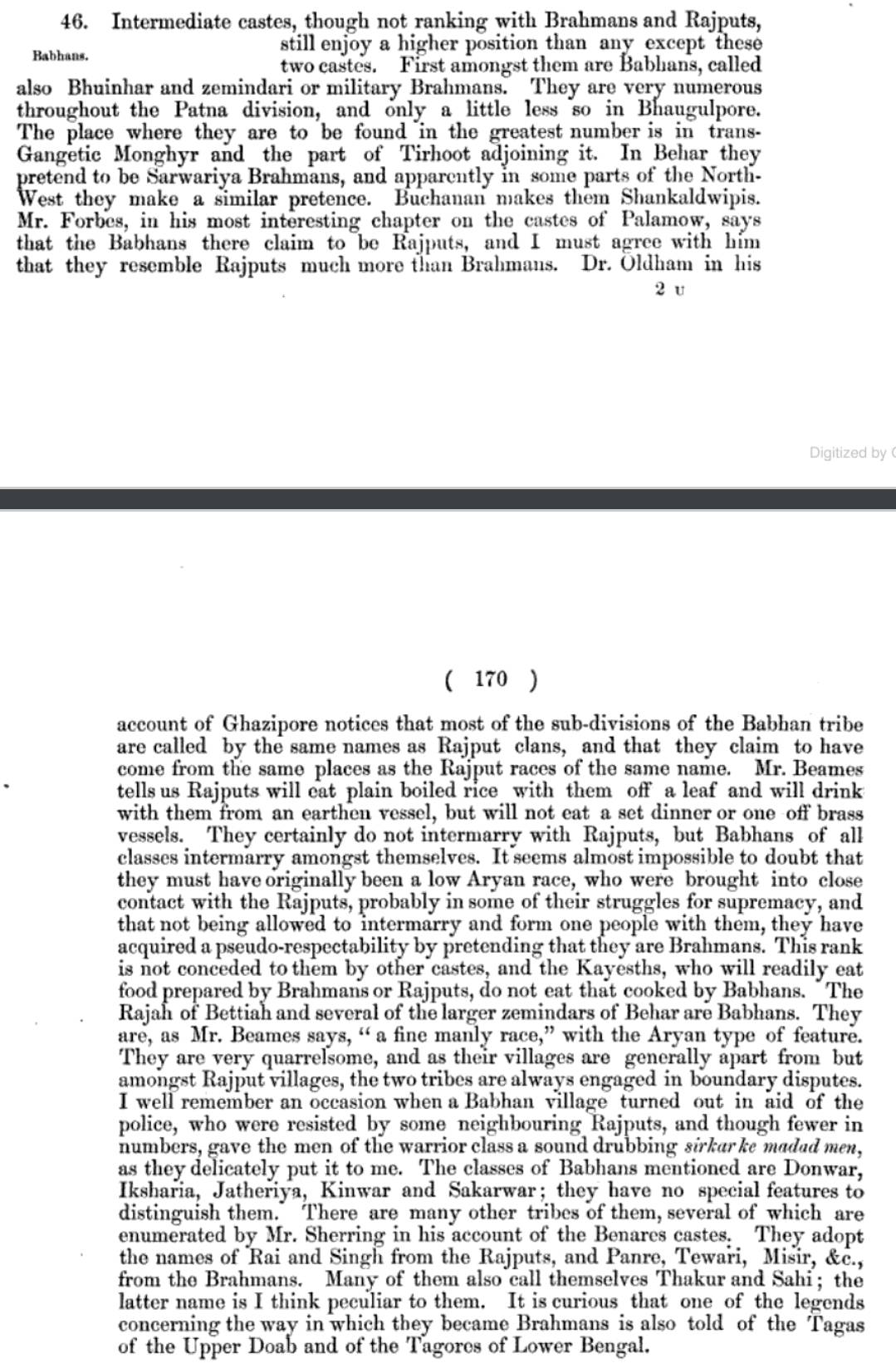
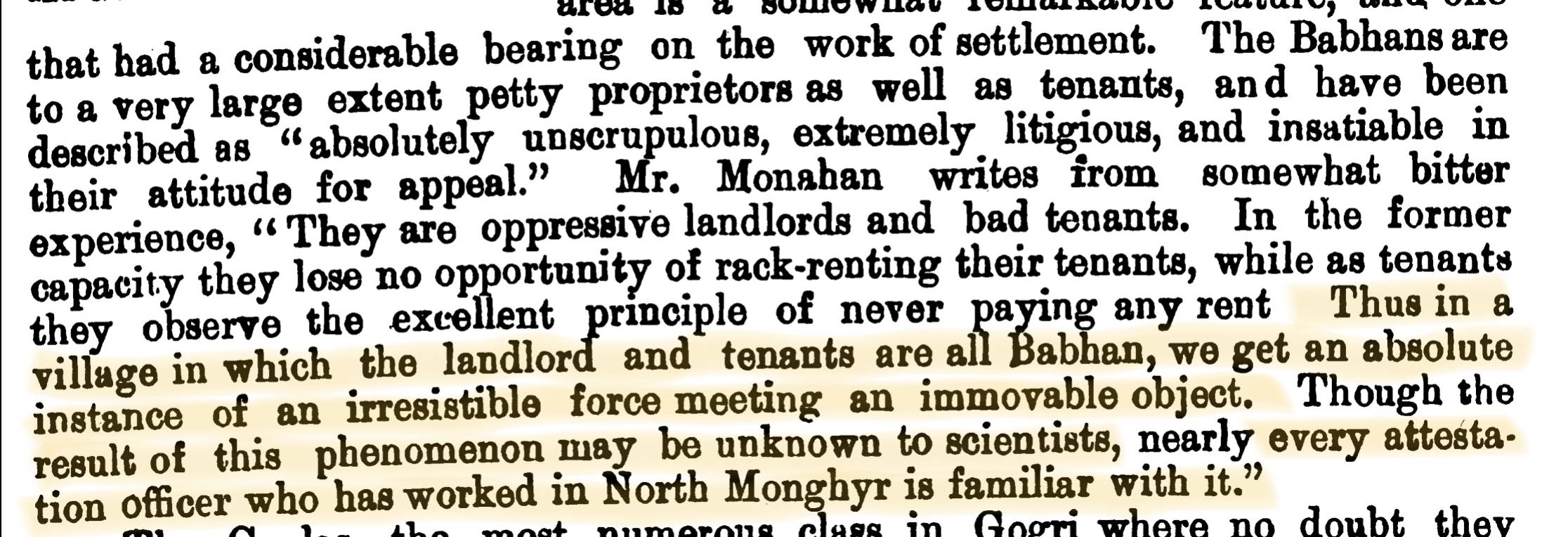
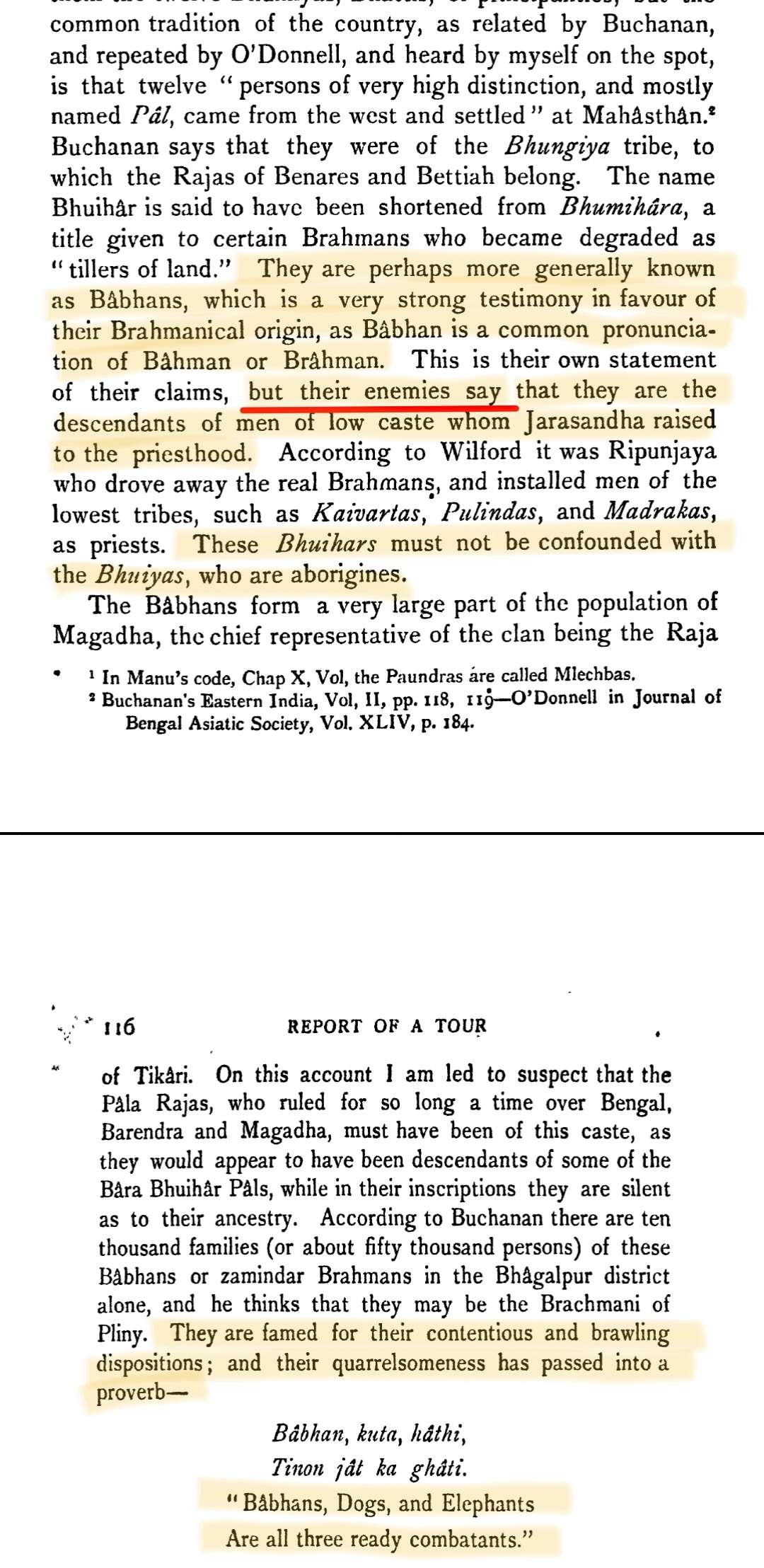
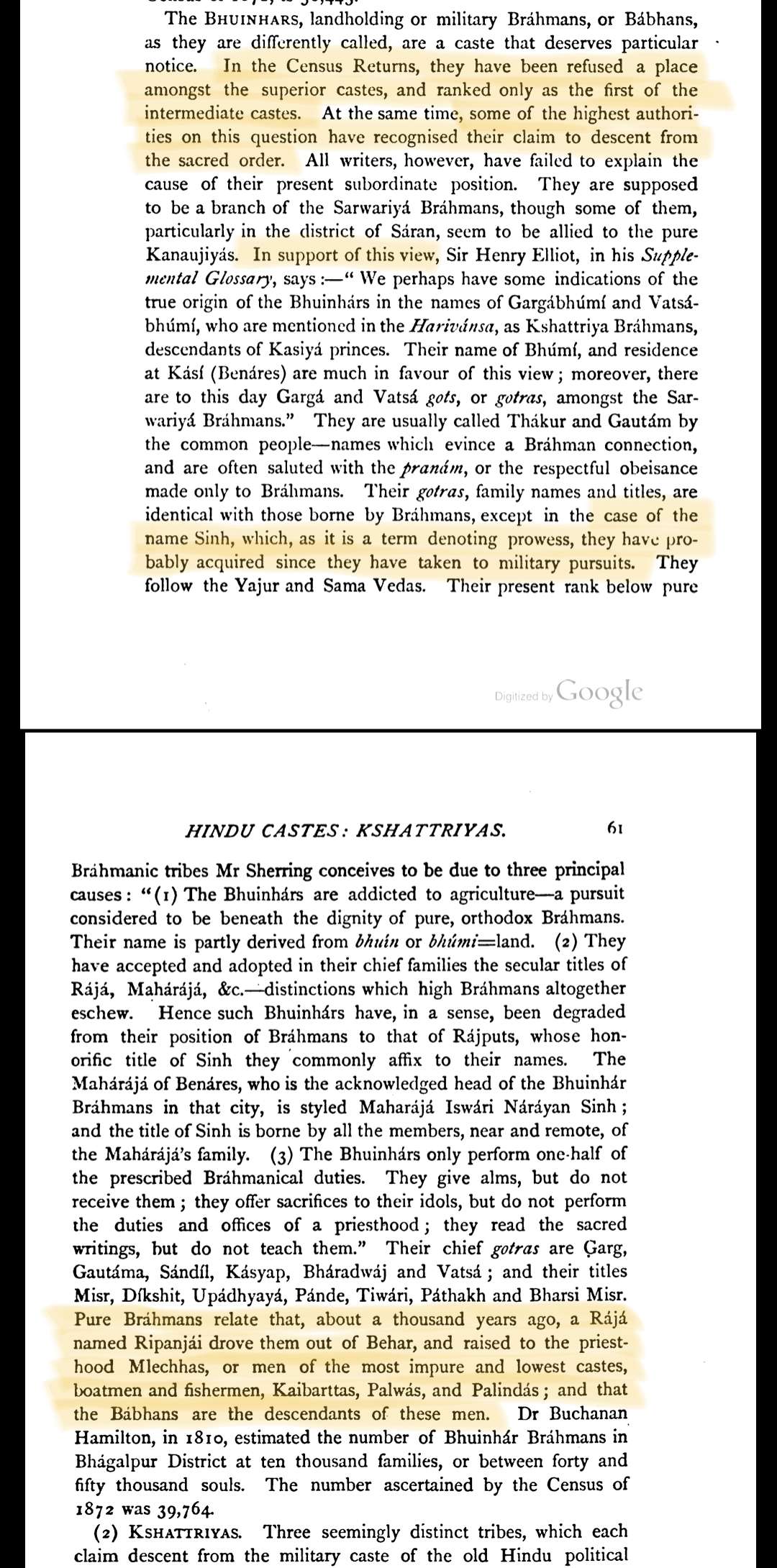


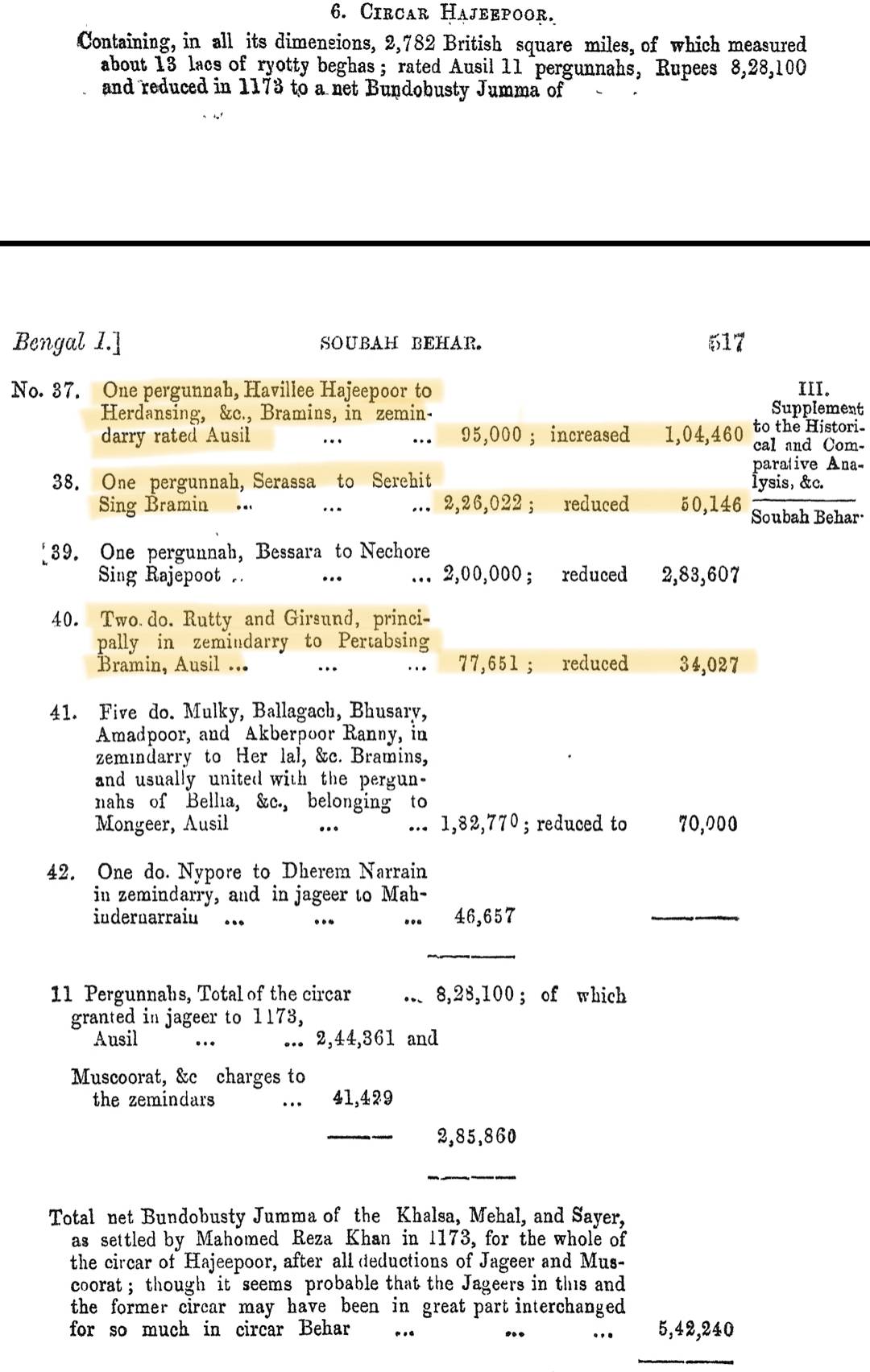
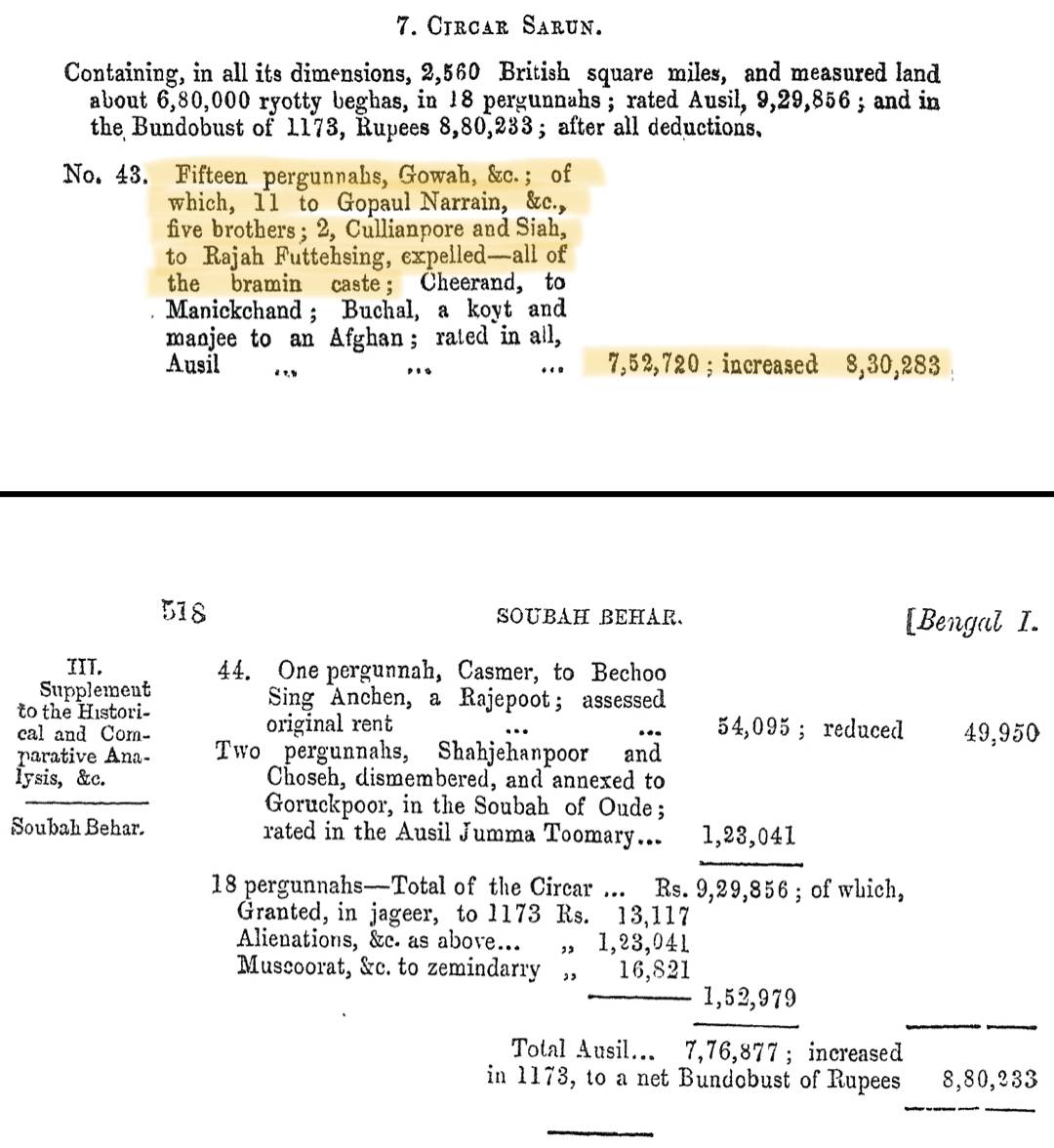
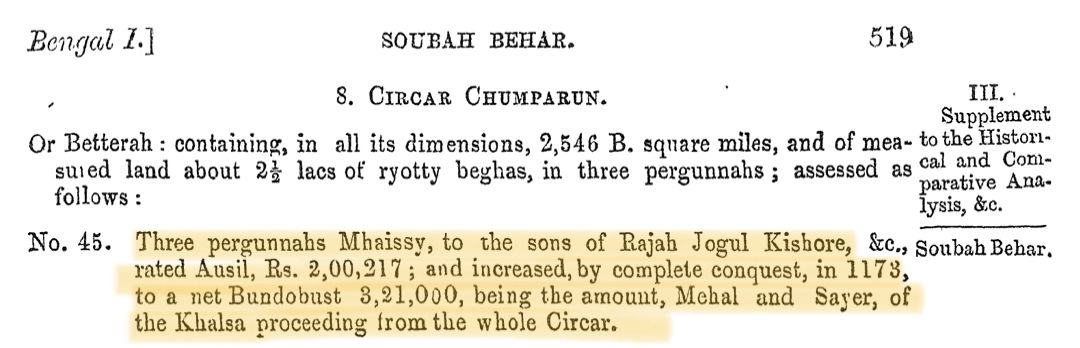
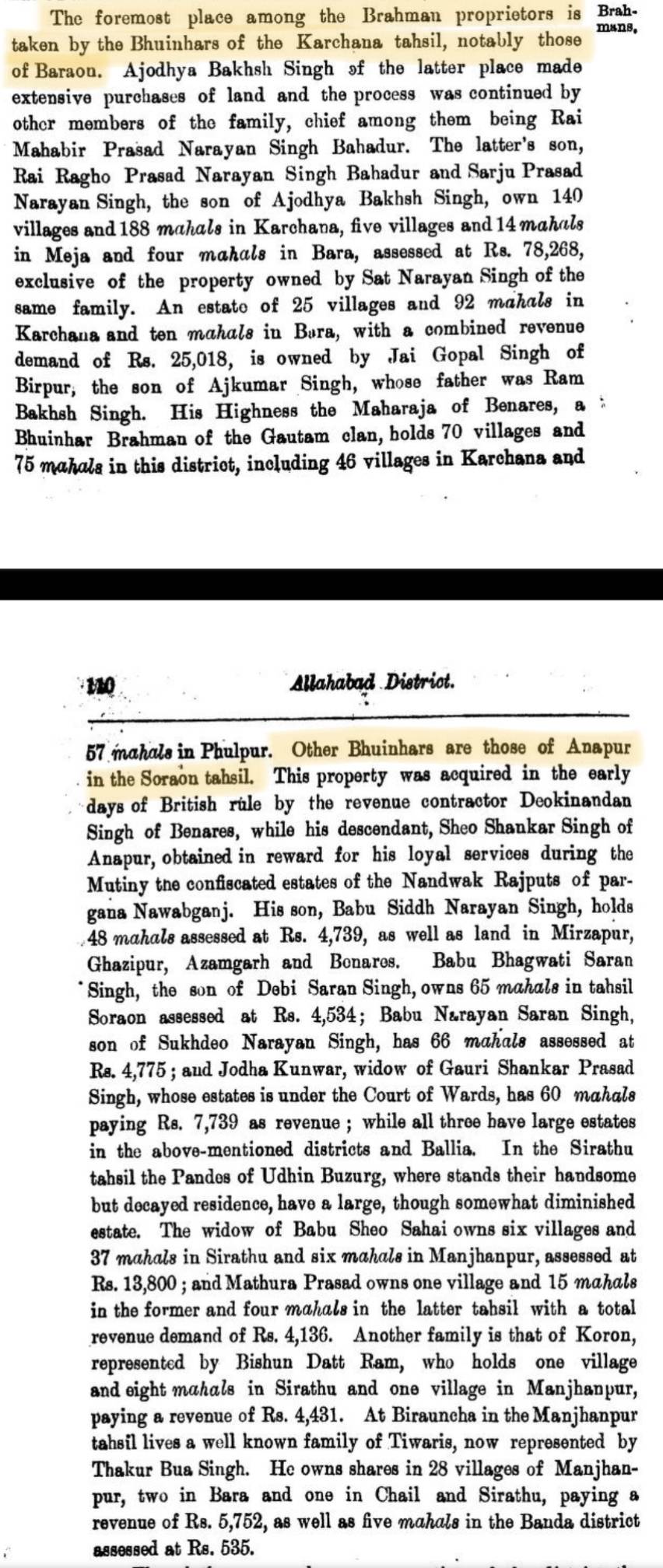
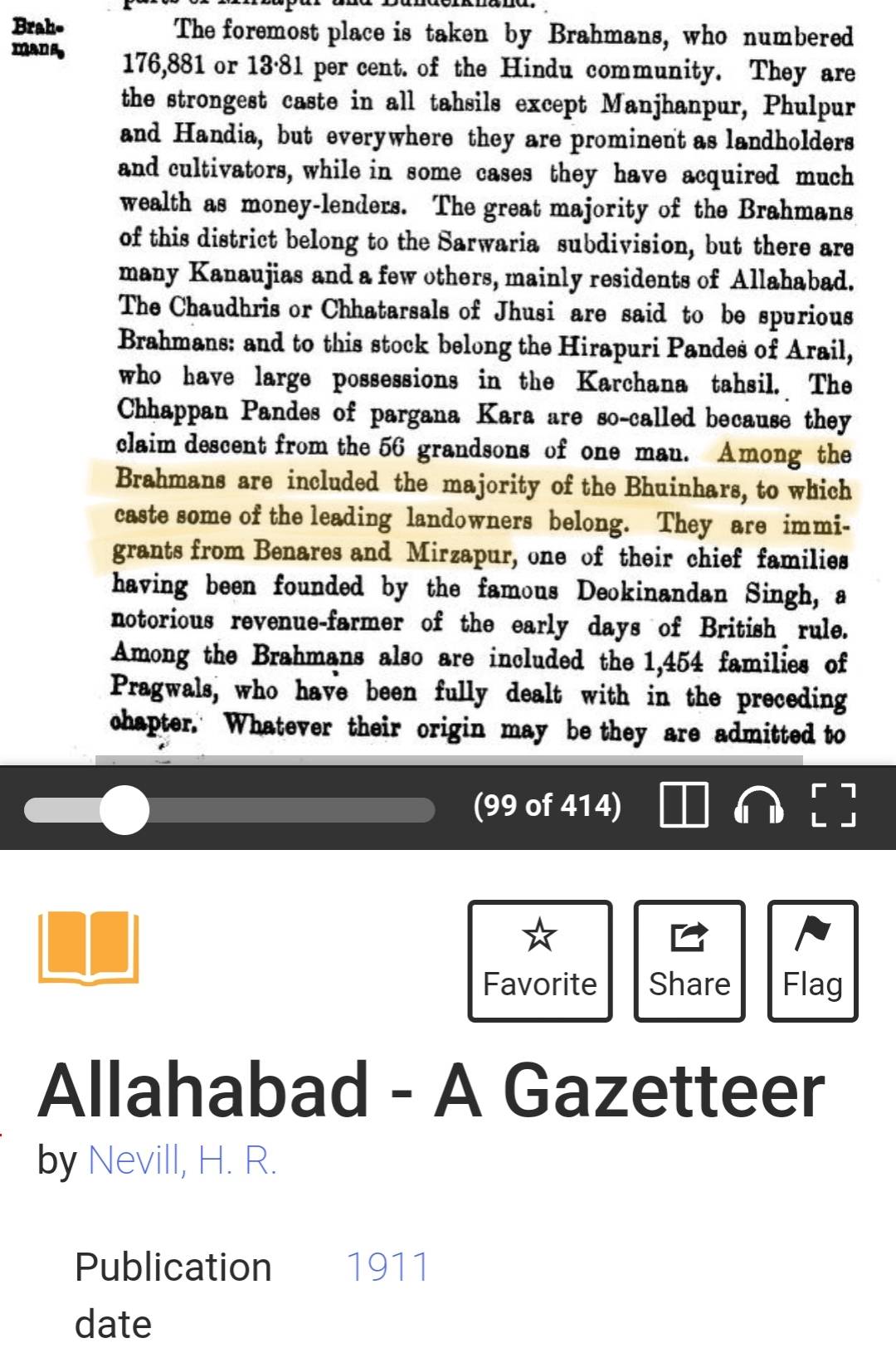
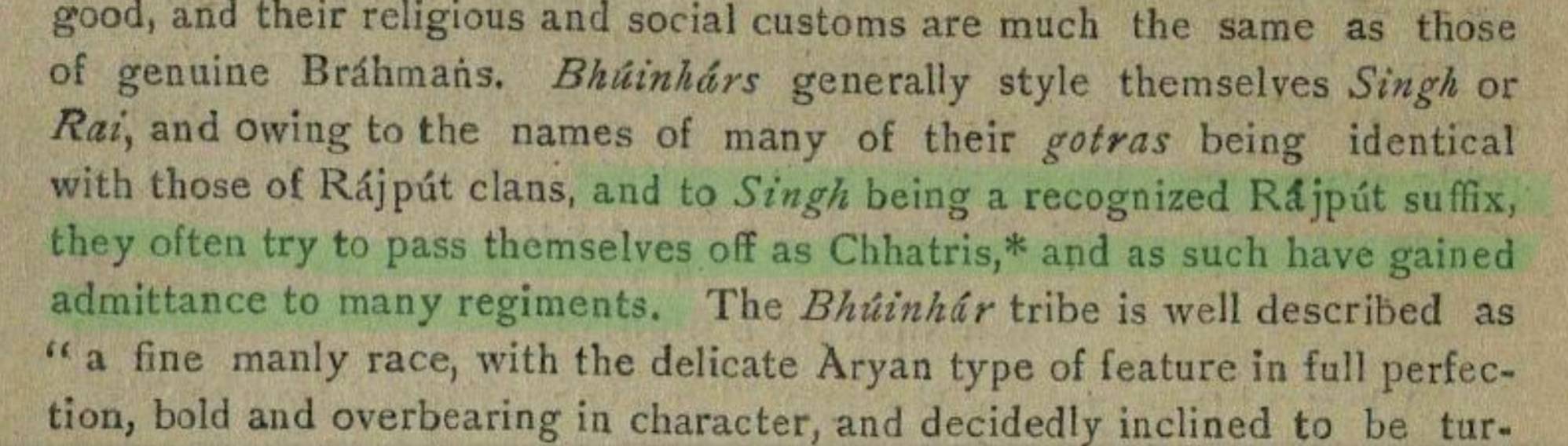
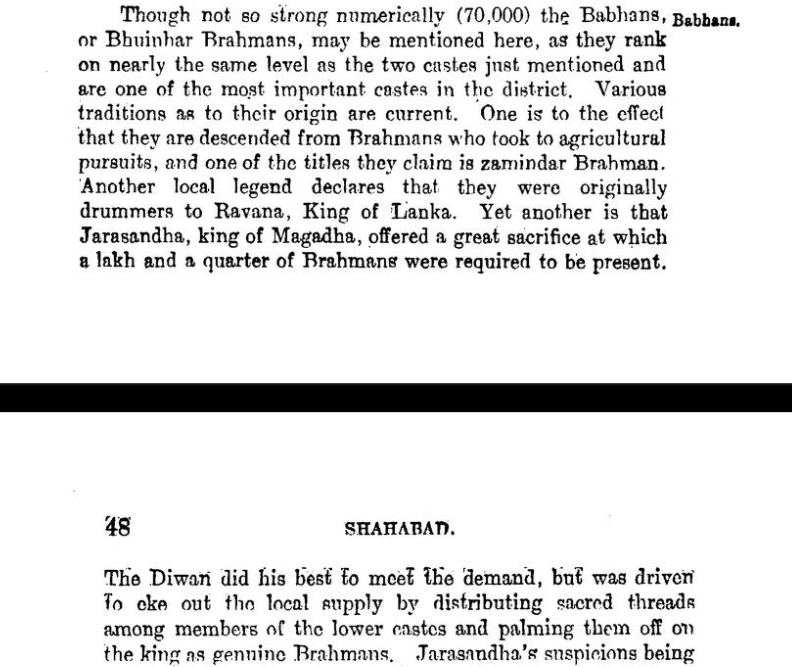
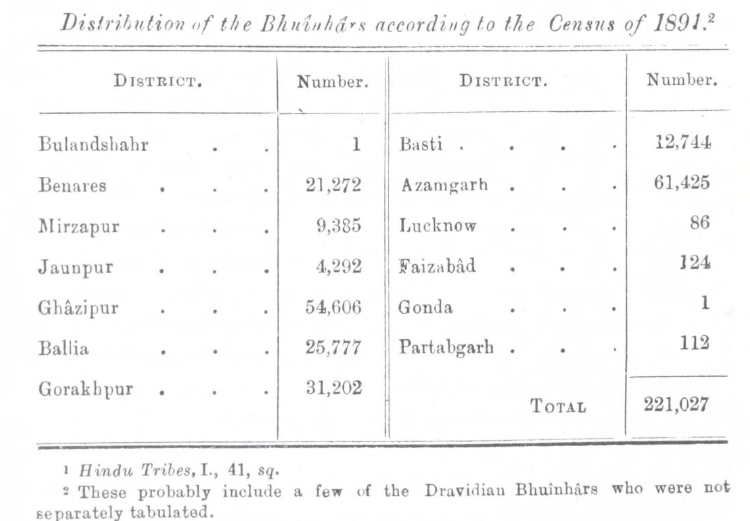
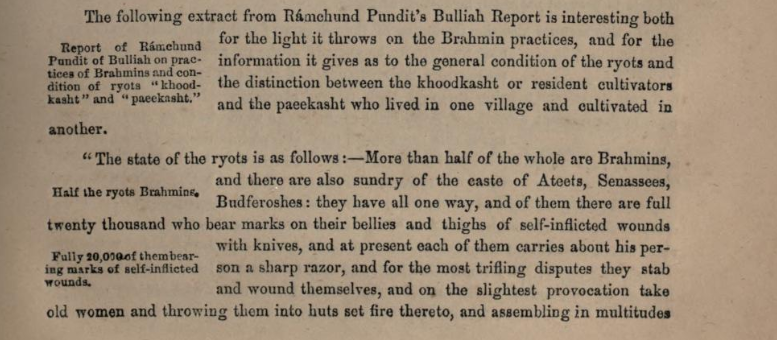
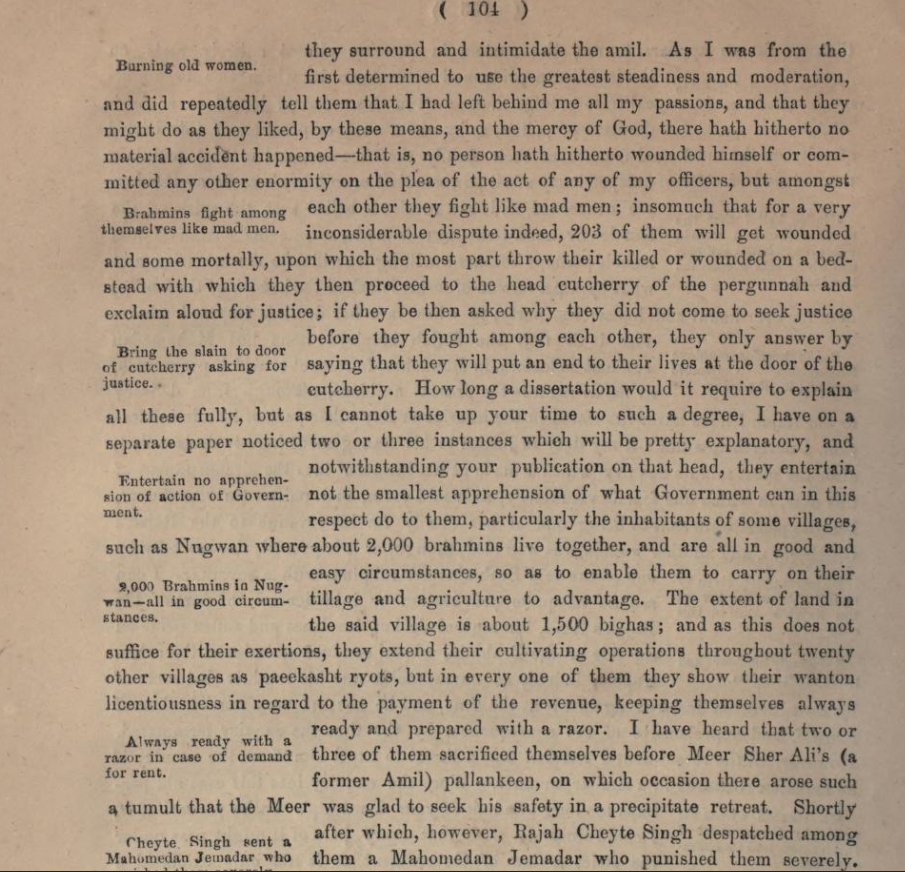
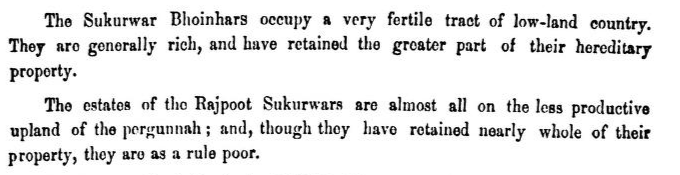
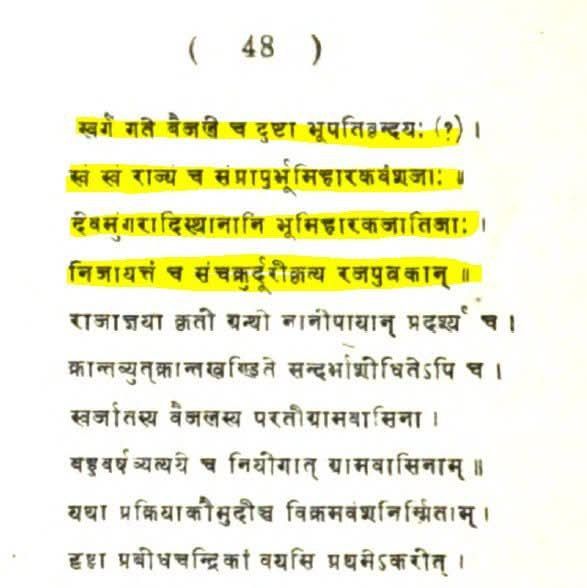
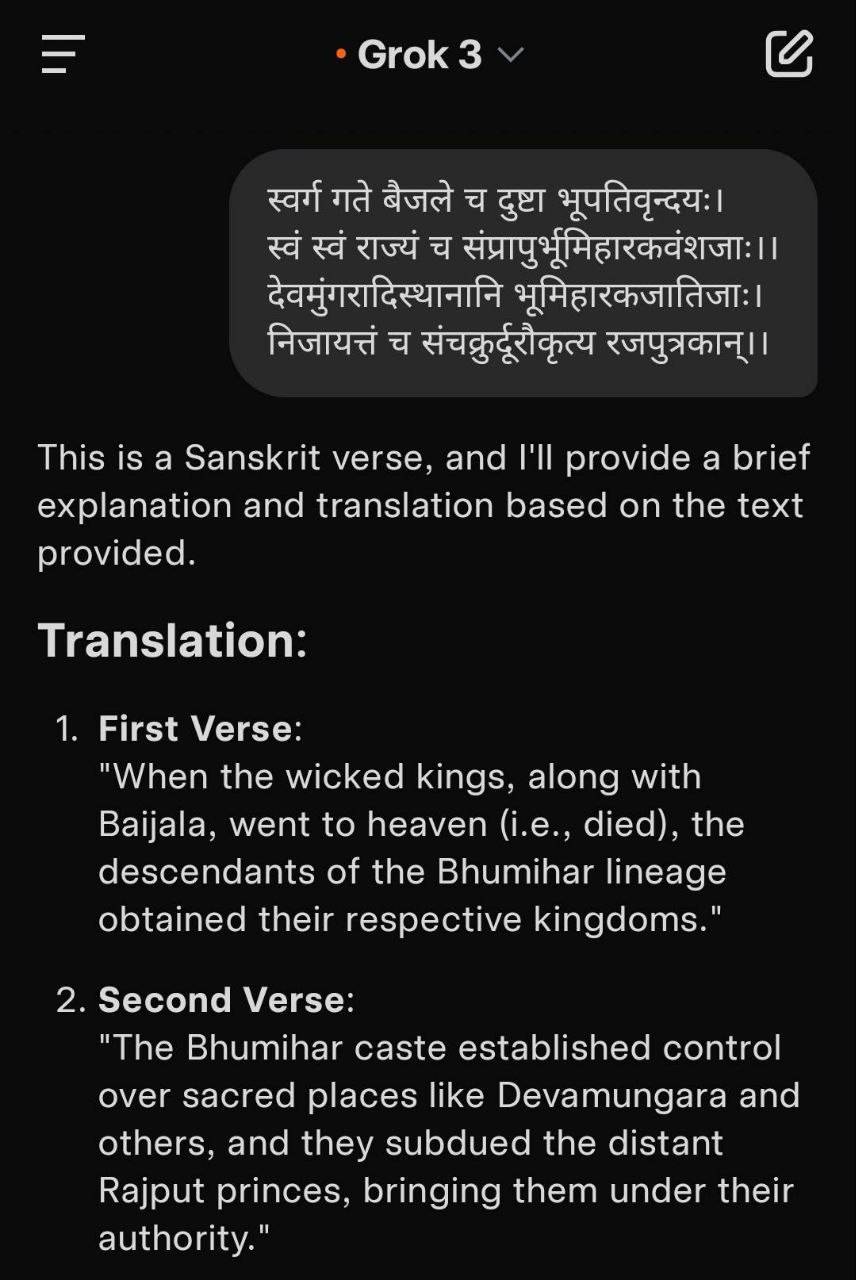
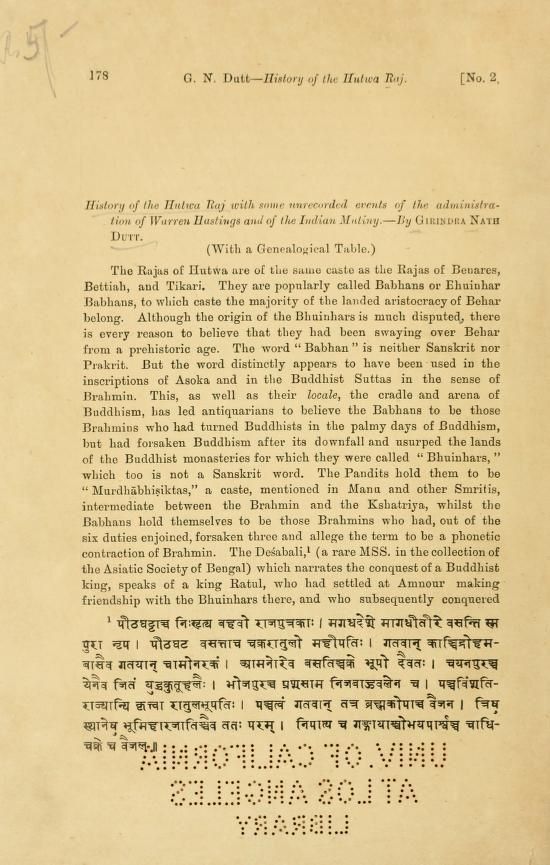
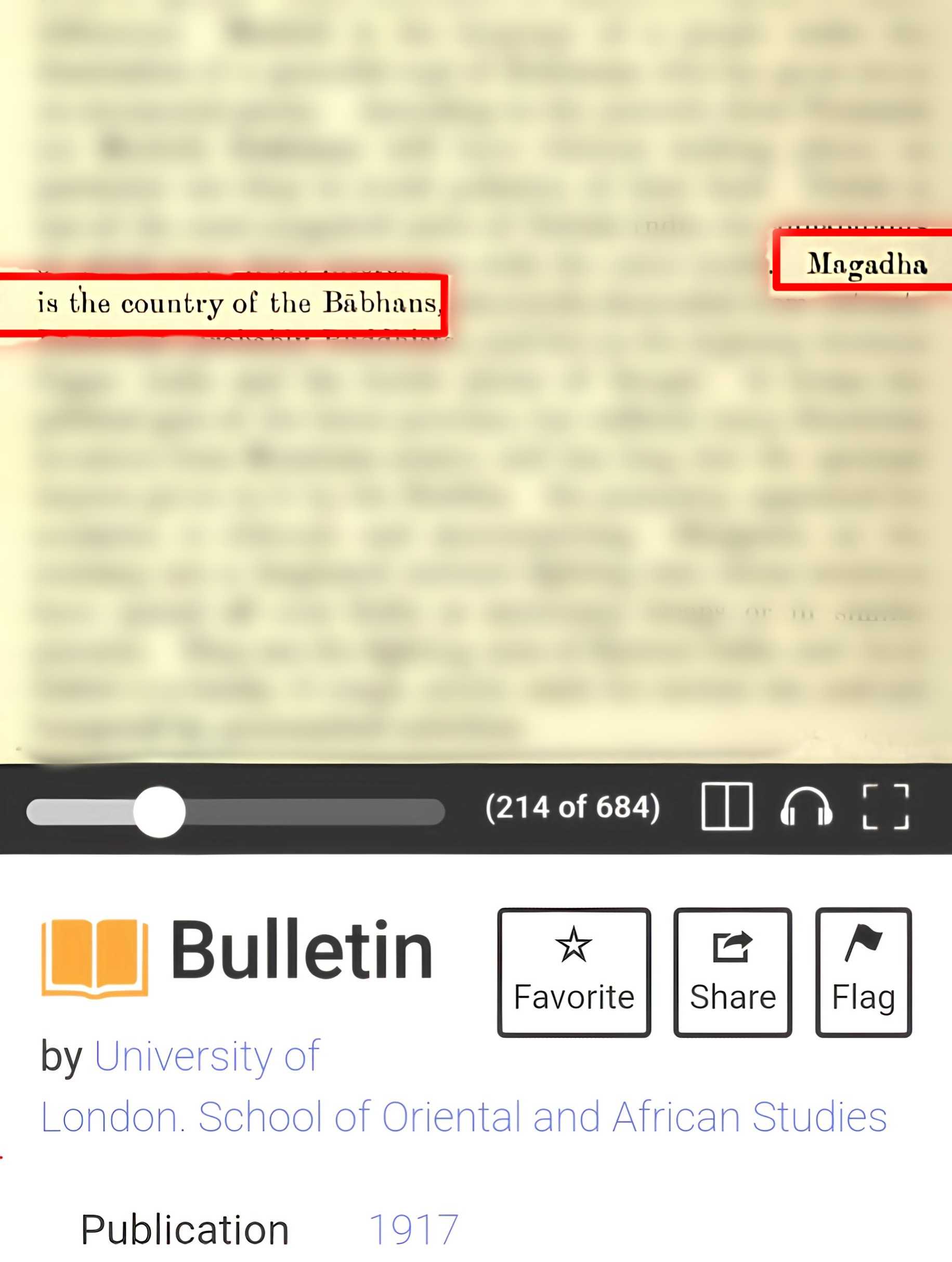
The specific Parts of Deshāvali Vivṛiti that particularly talk about Bhumihars is preserved as images of the shlokas in the book, commissioned by the British Government named "A Descriptive Catalogue of Sanskrit Manuscripts".
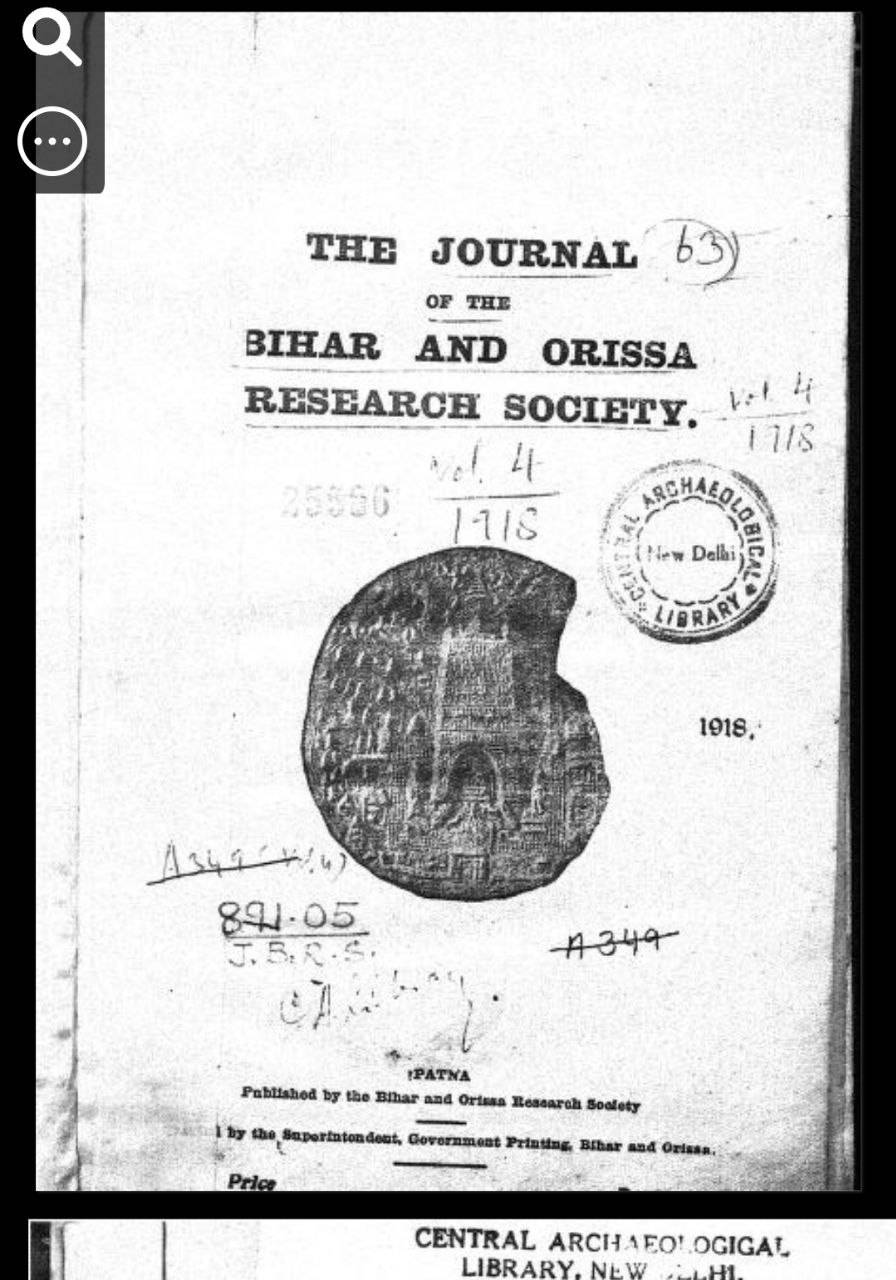
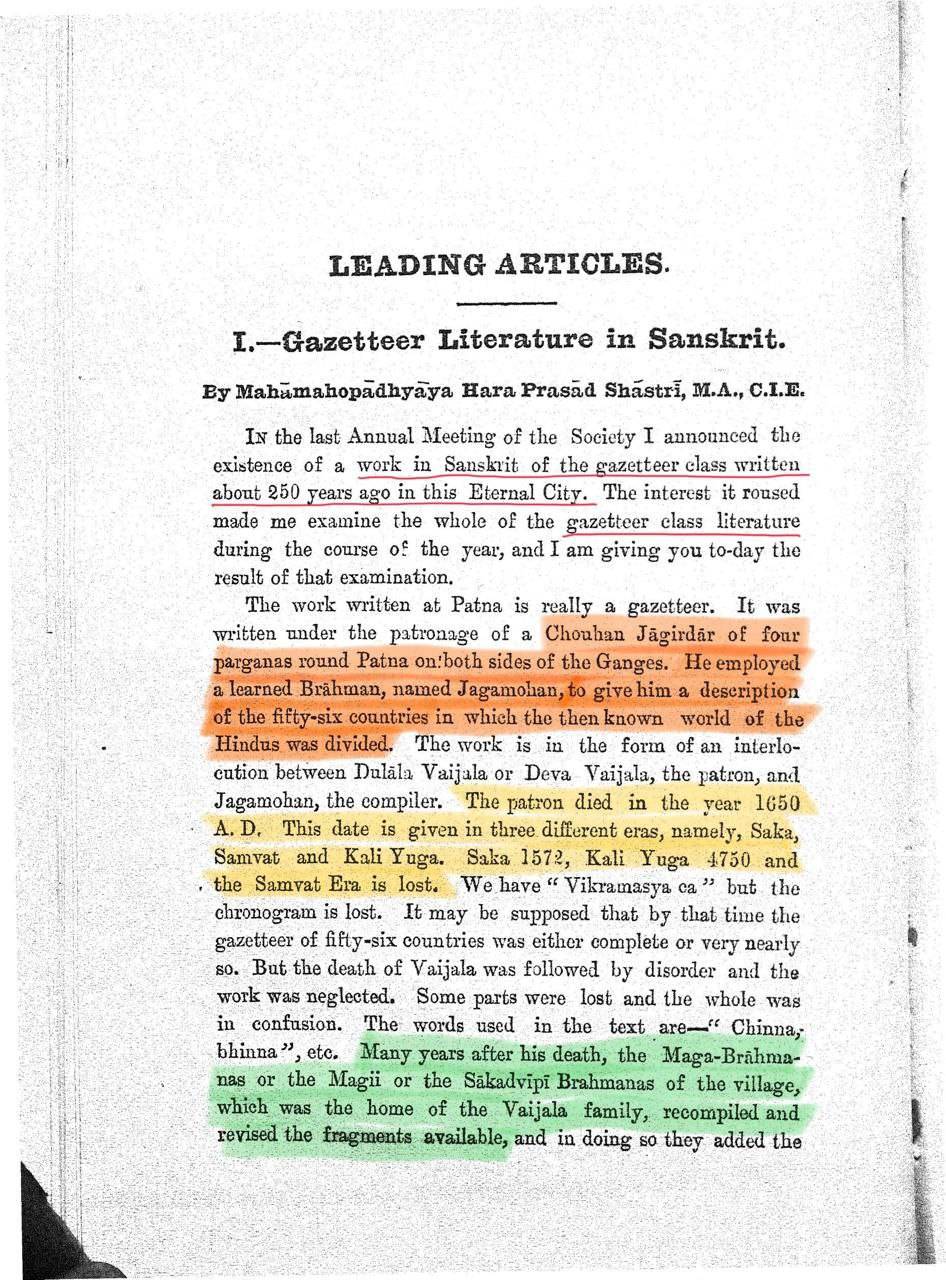
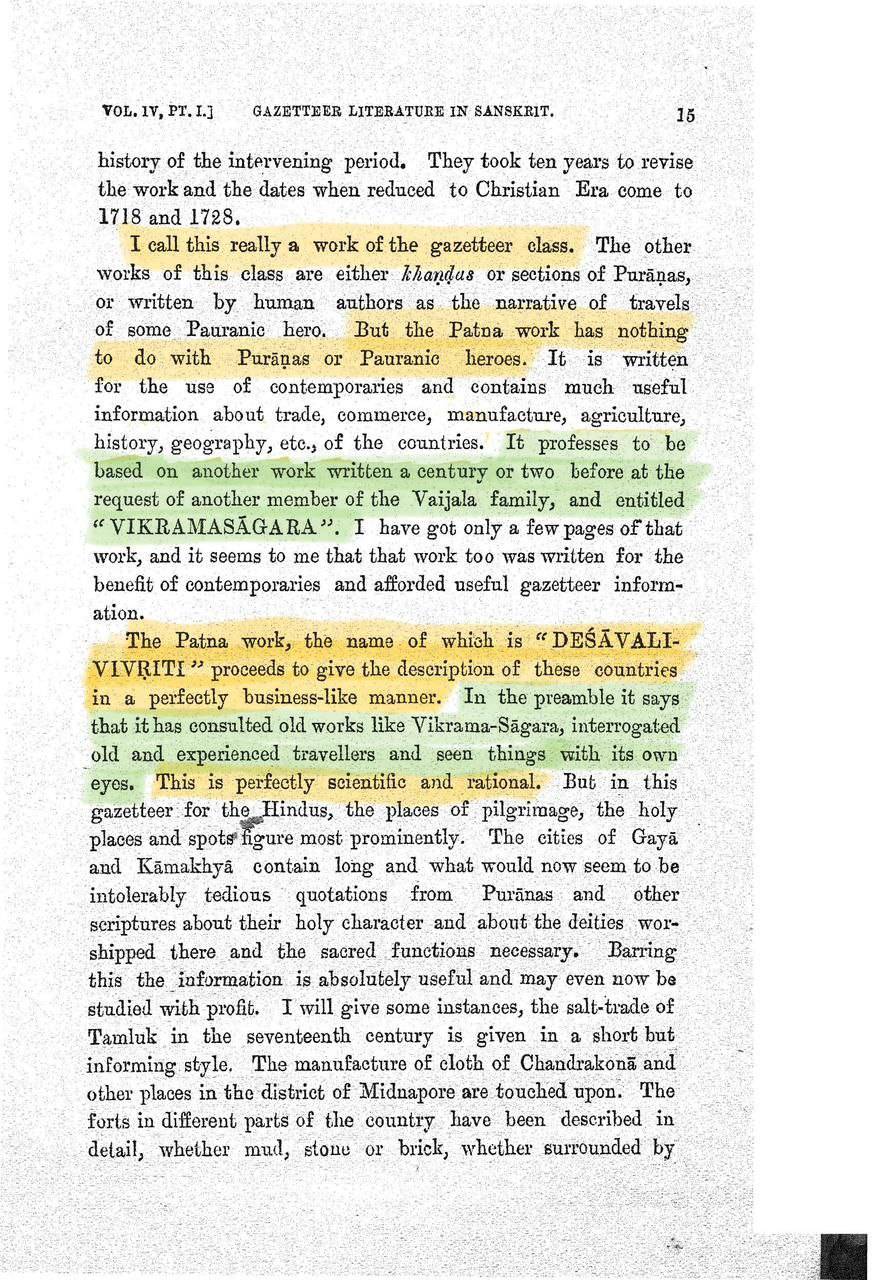
Information regarding the timeline, commission and composition of Deshāvali Vivṛiti is found in the British Raj Government commissioned book "The Journal of the Bihar and Orissa Research Society (1918, Vol. 4)".
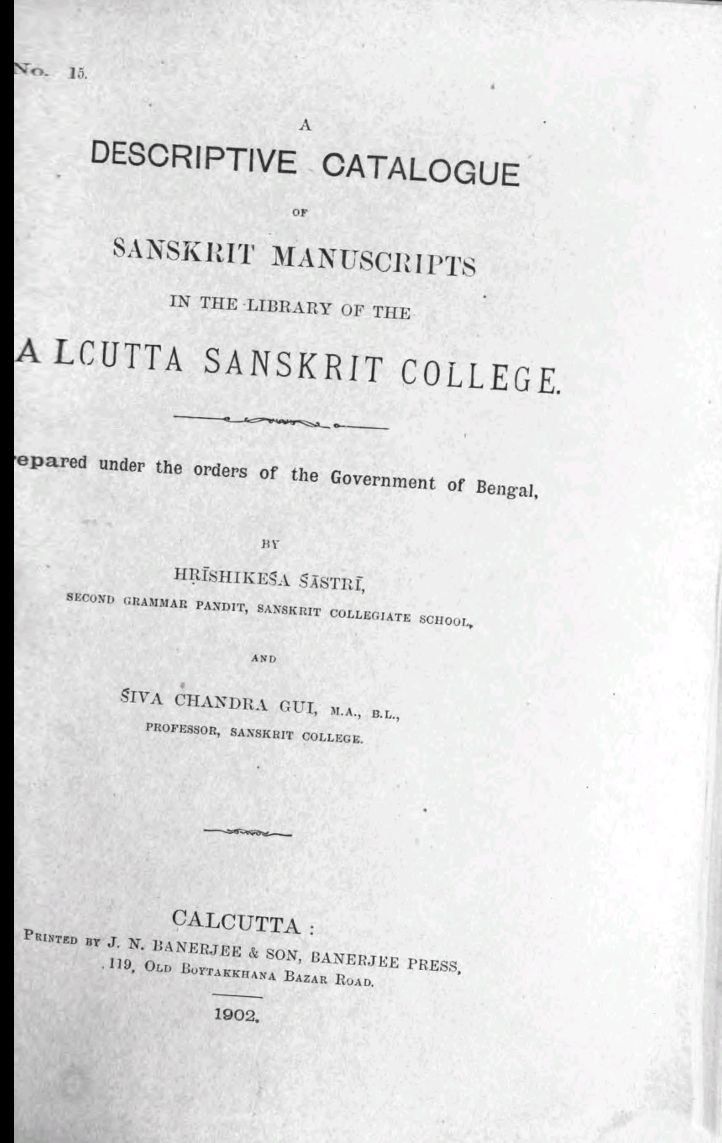
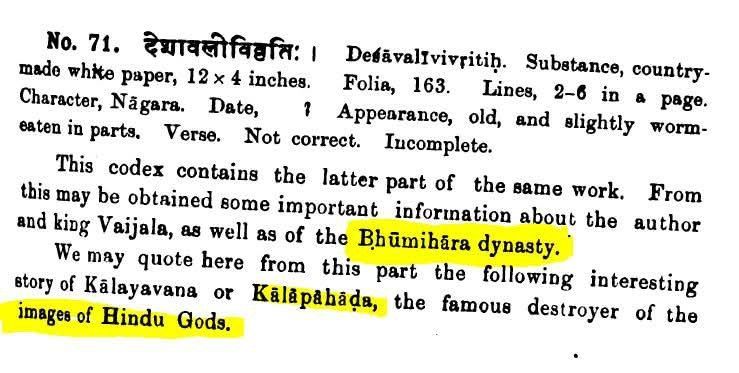
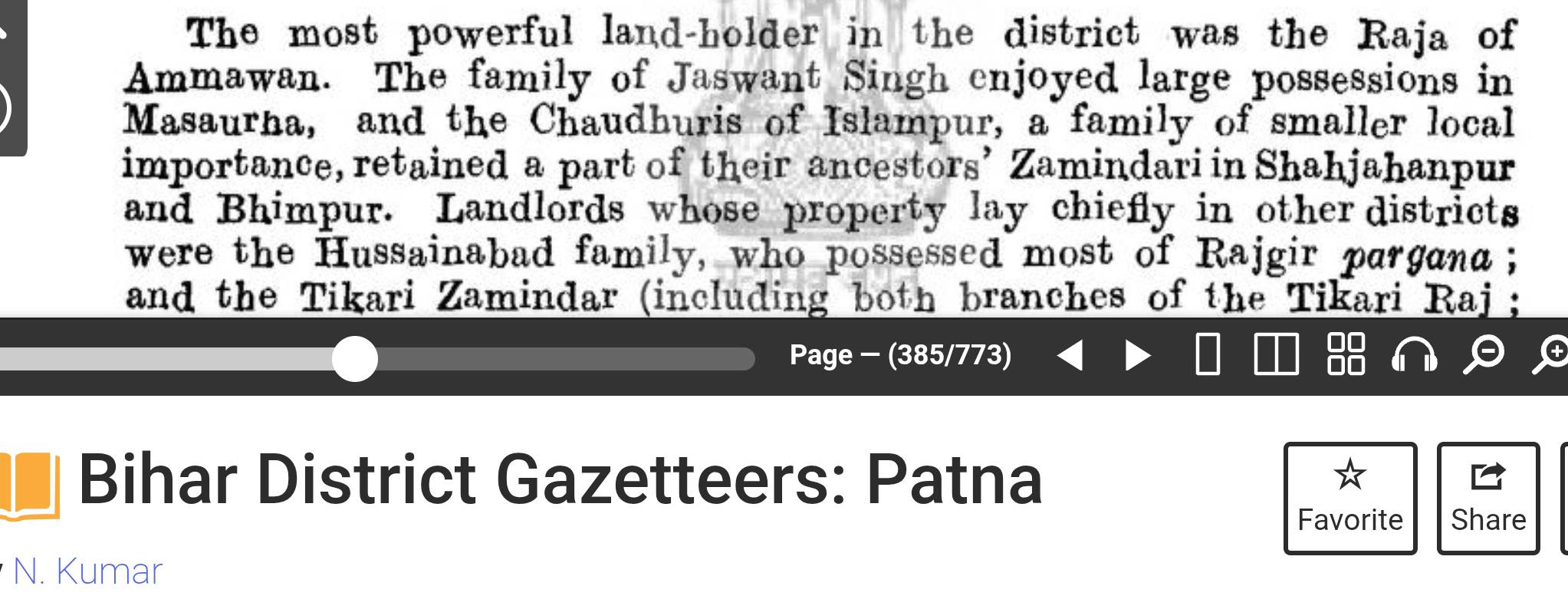

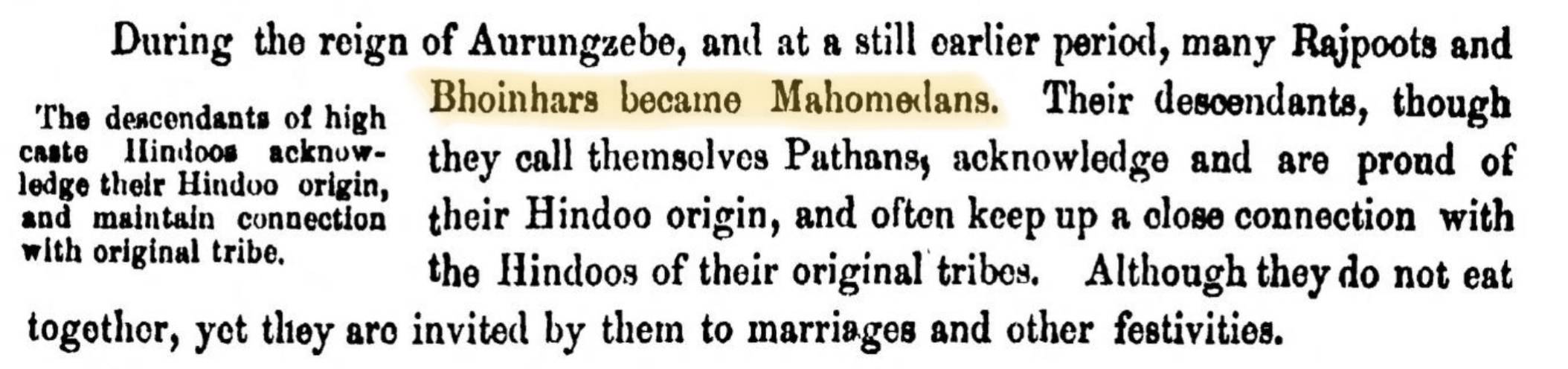
Go to References
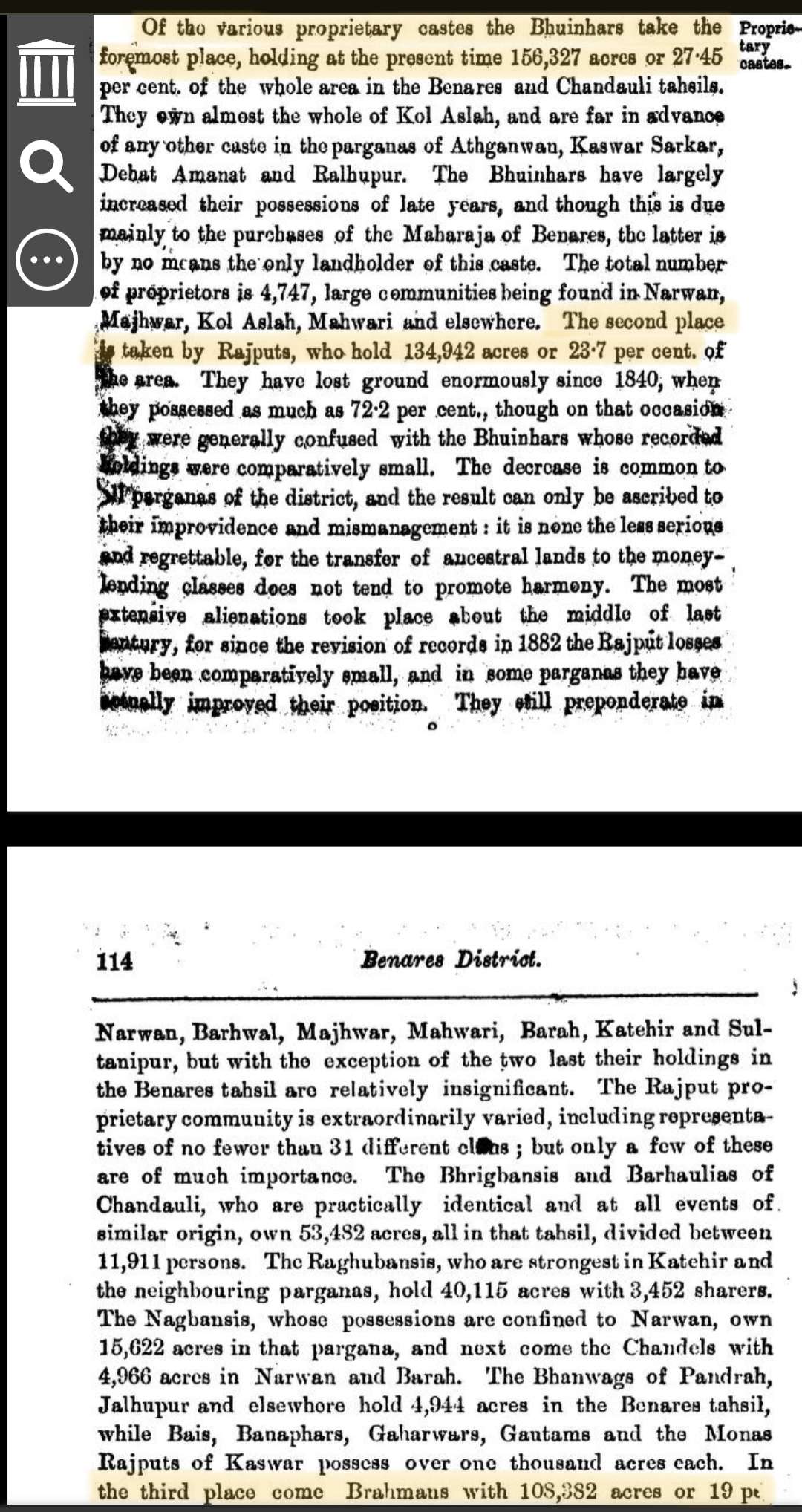









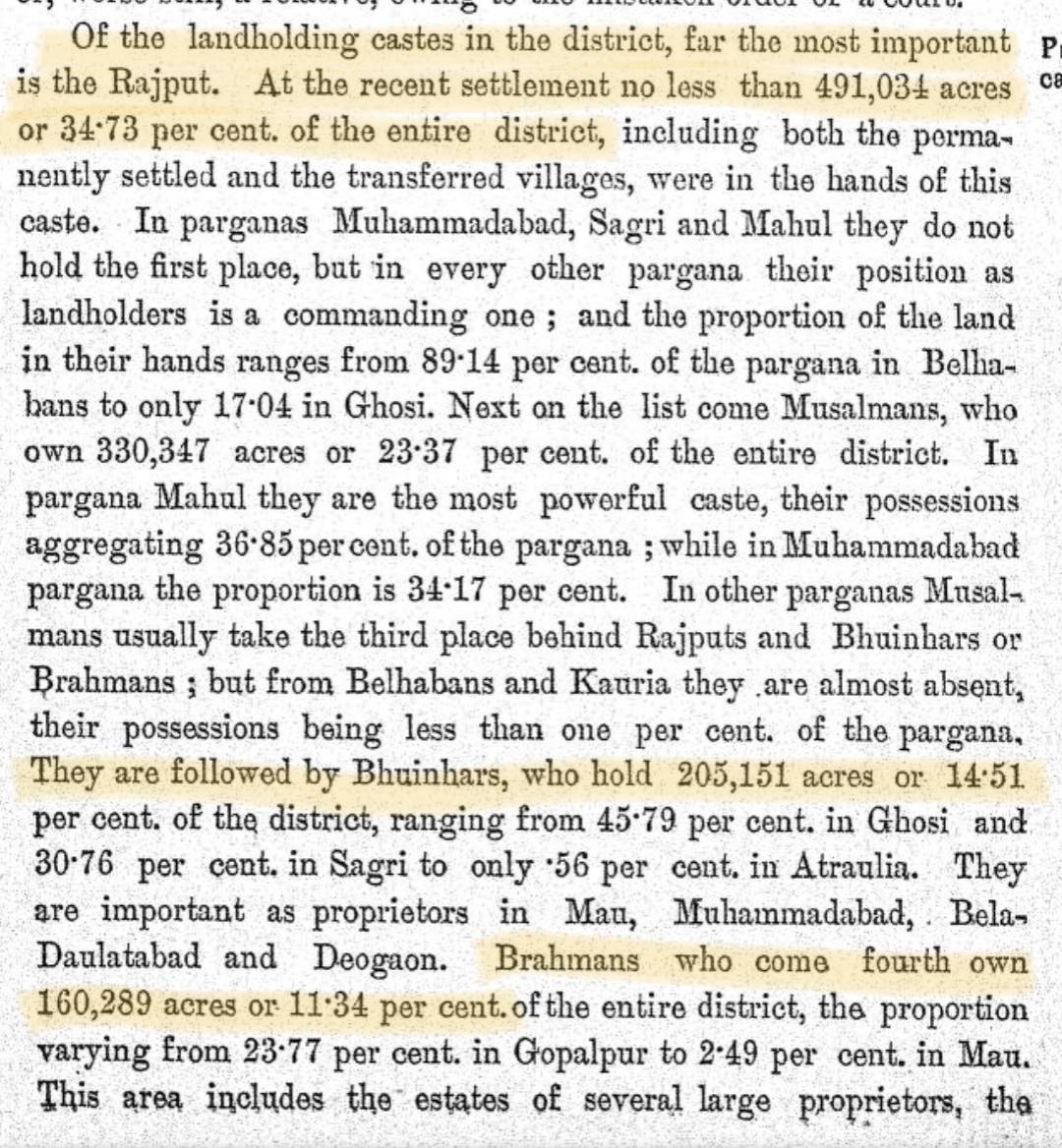




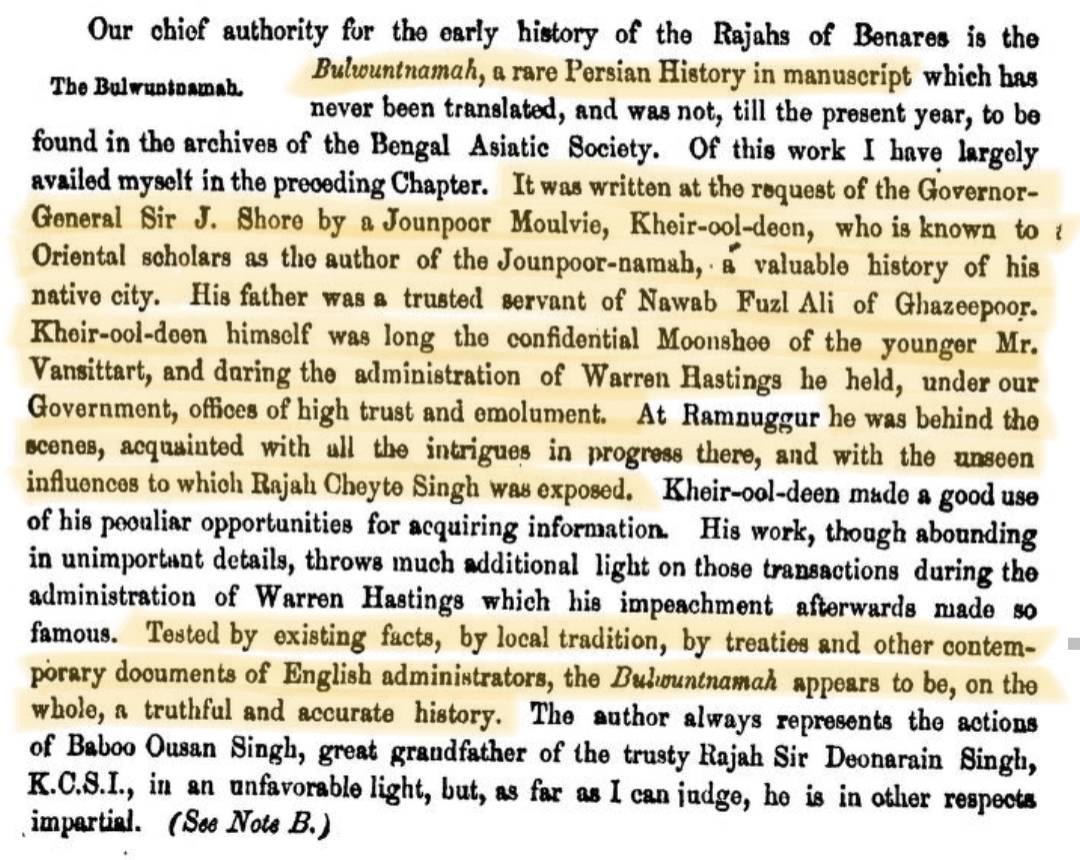
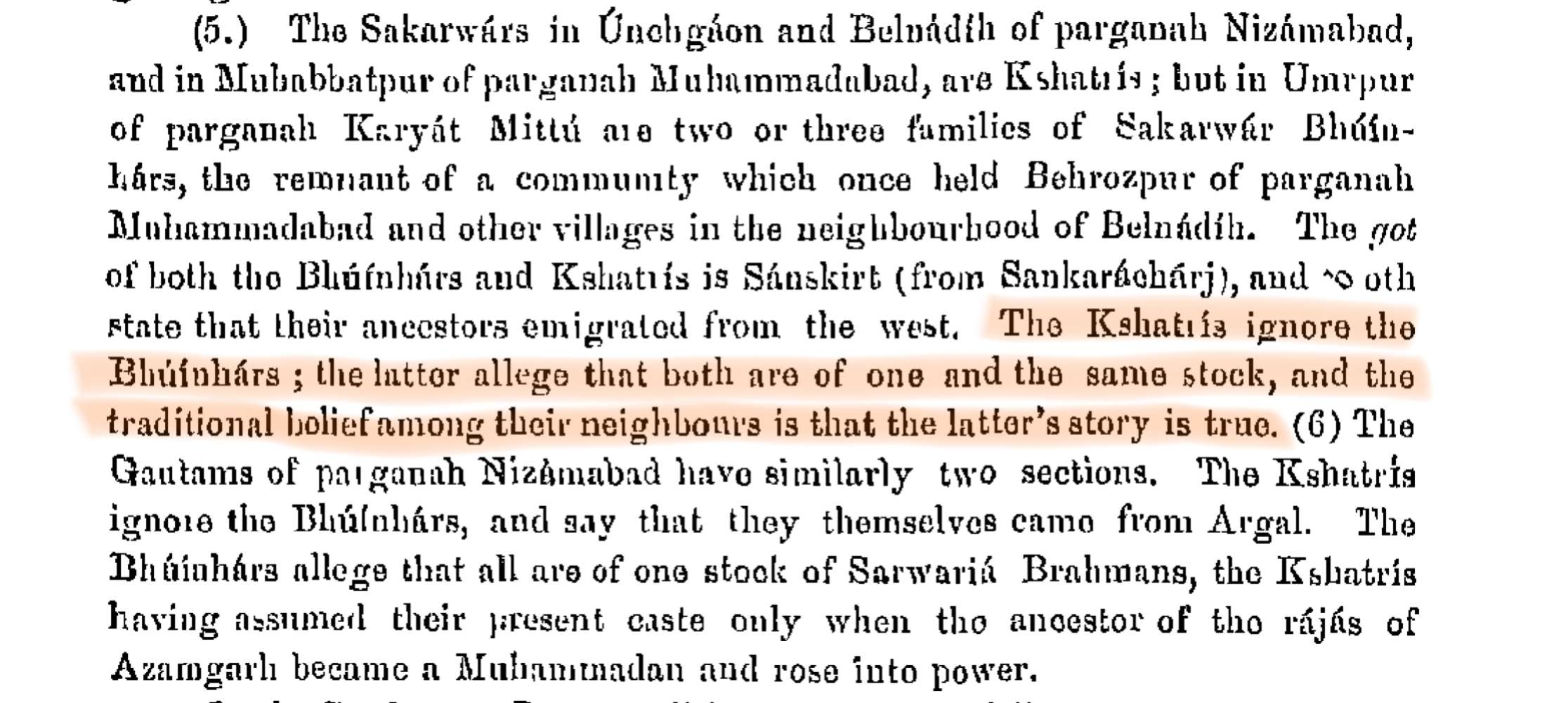
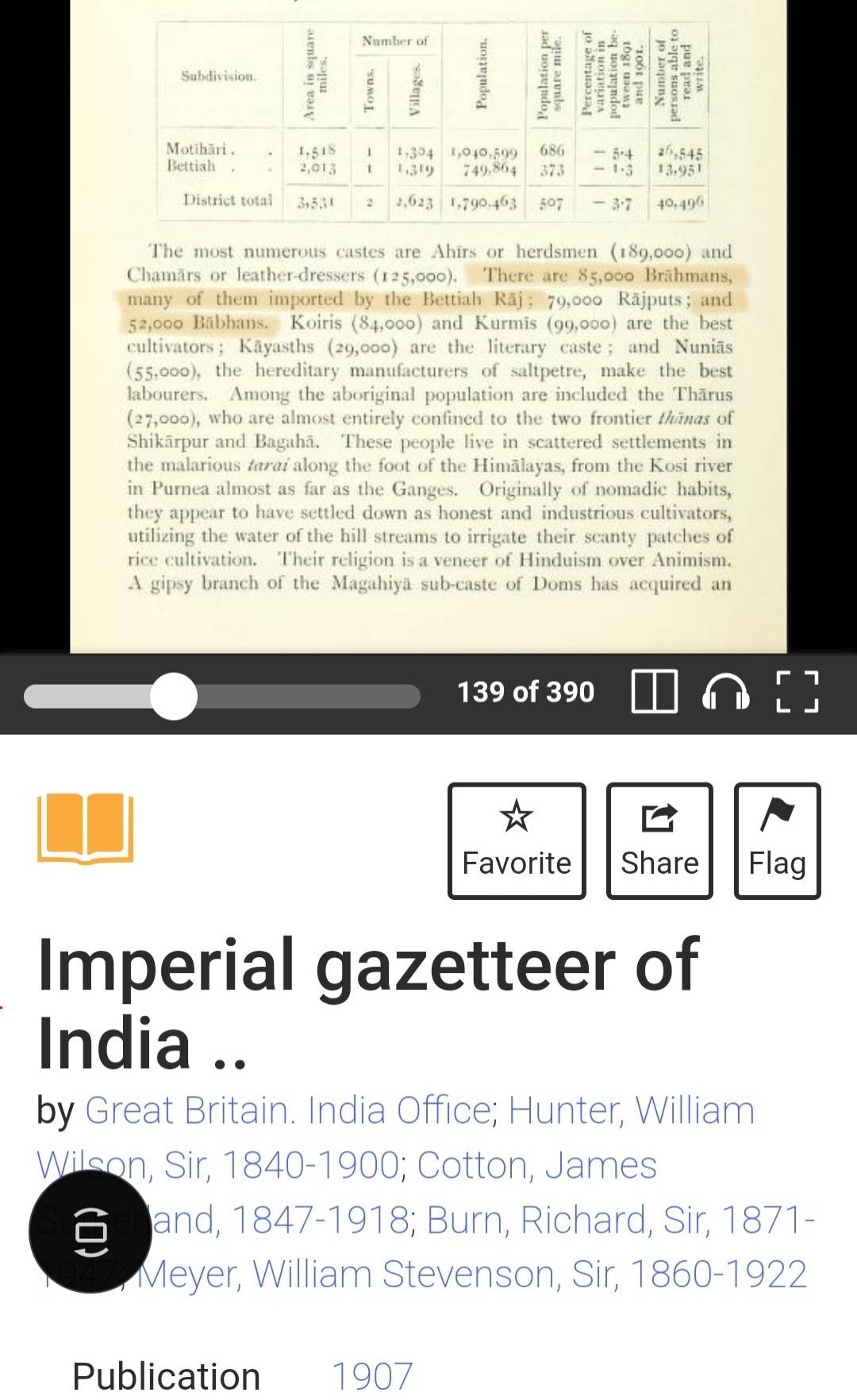
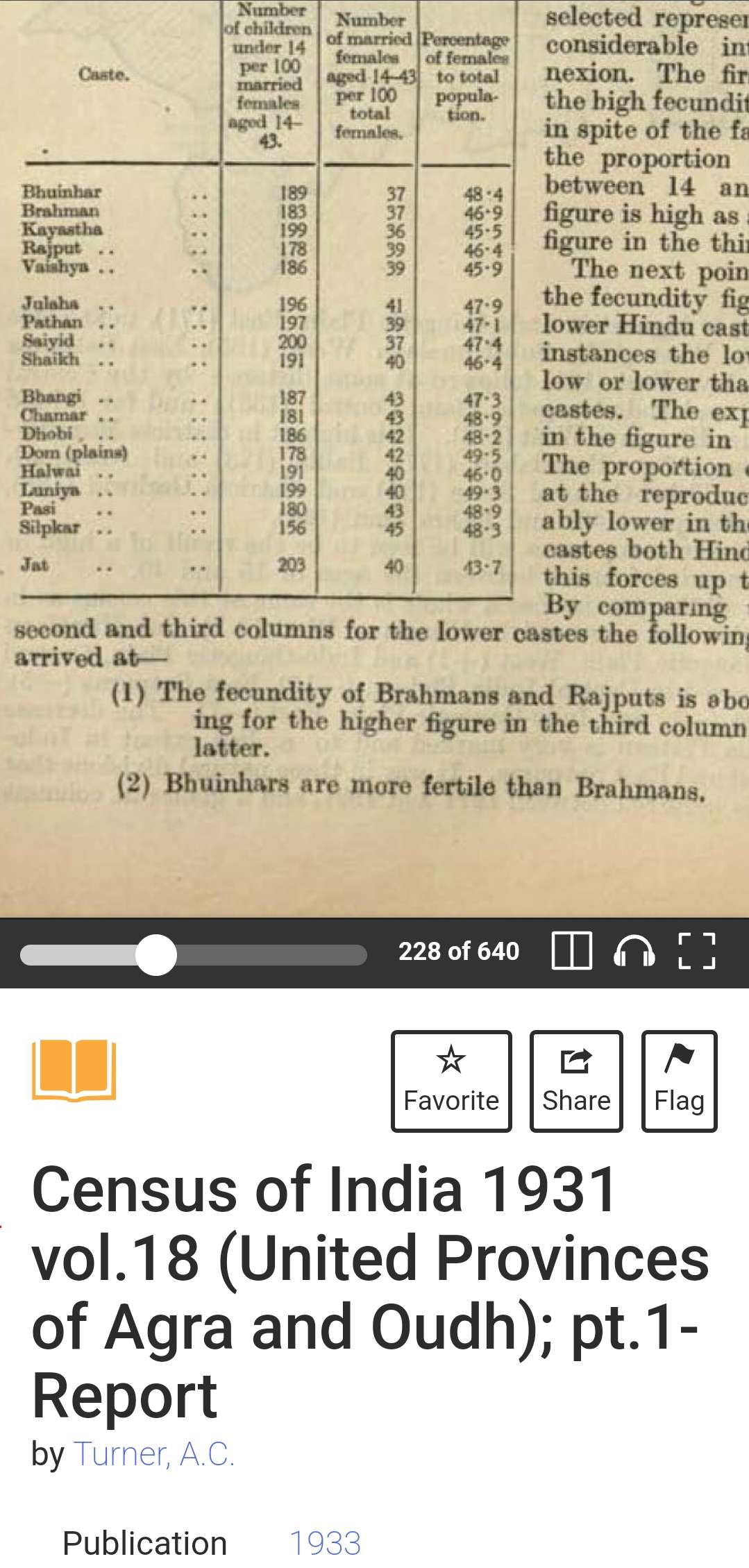
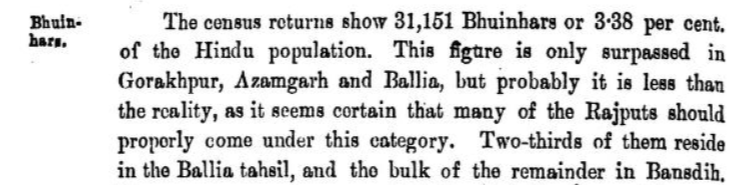
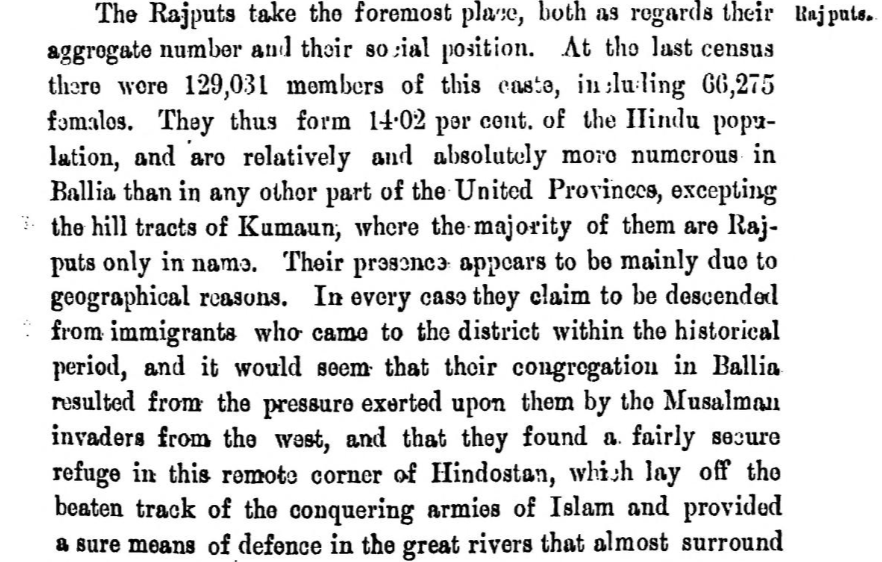
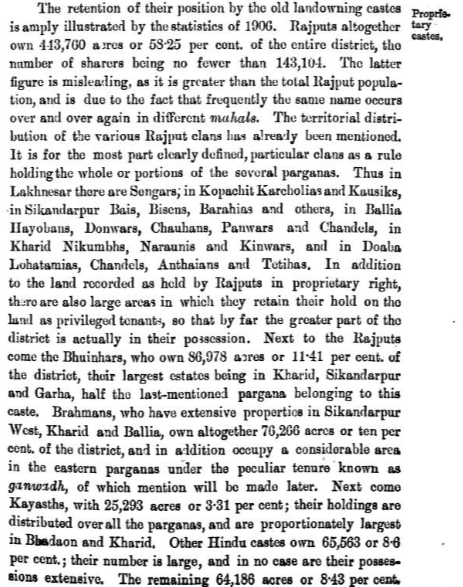
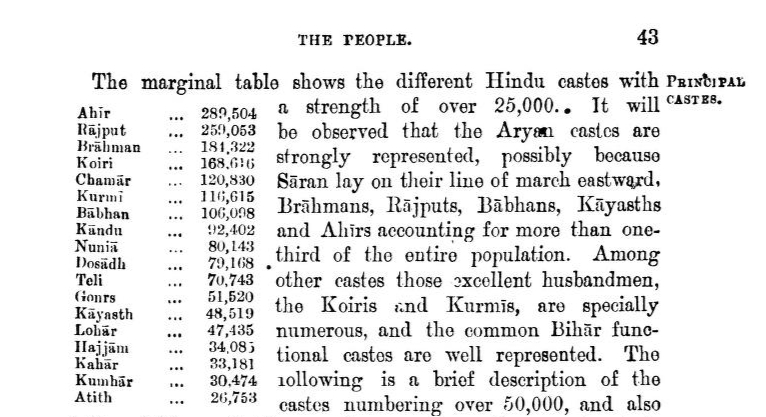
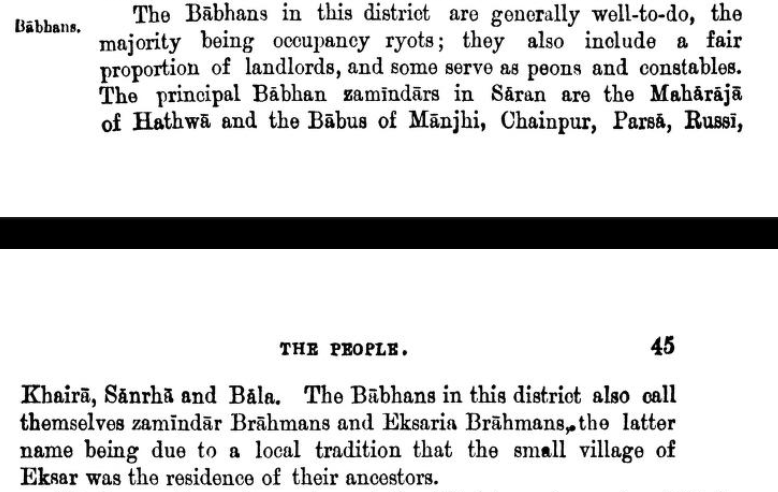
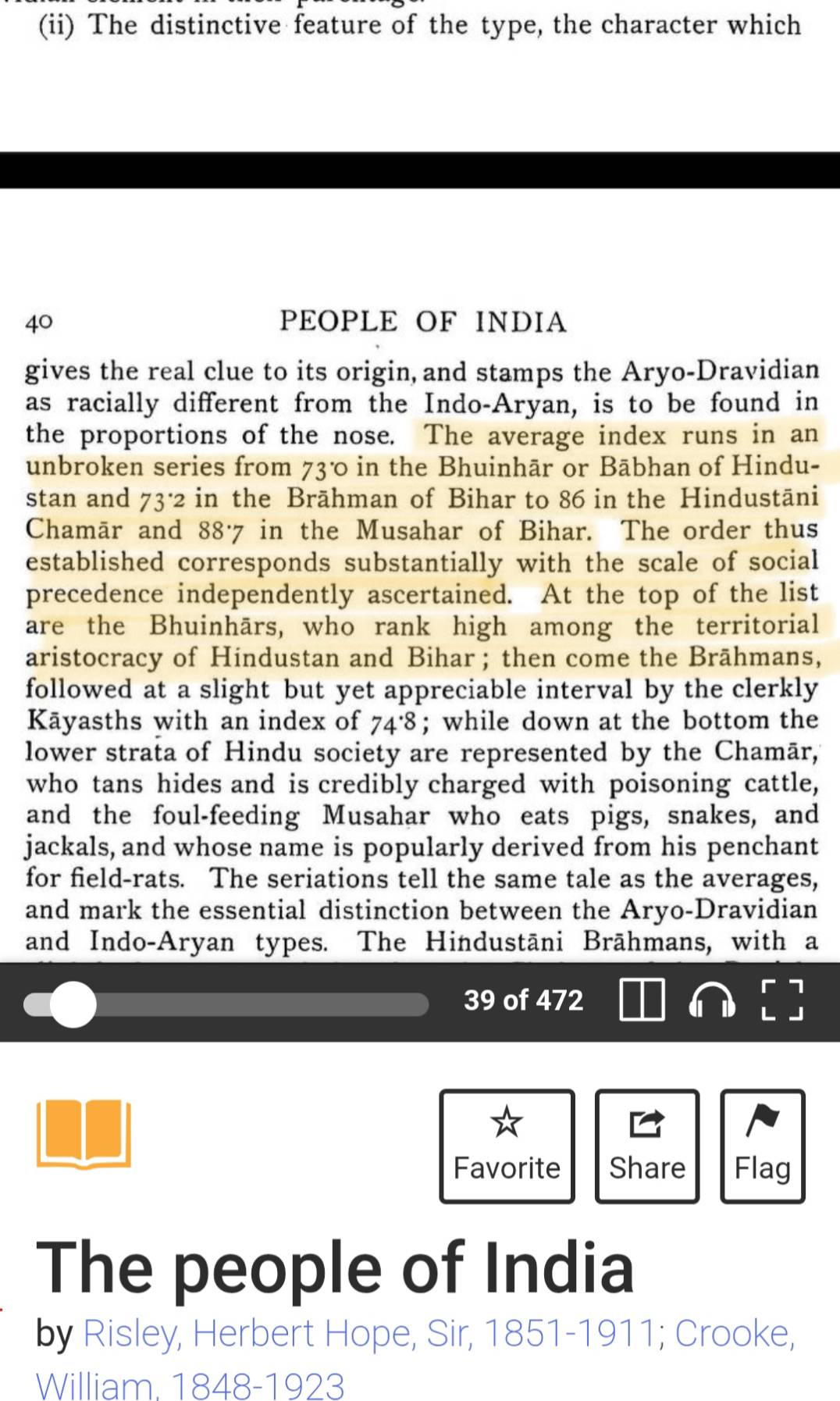
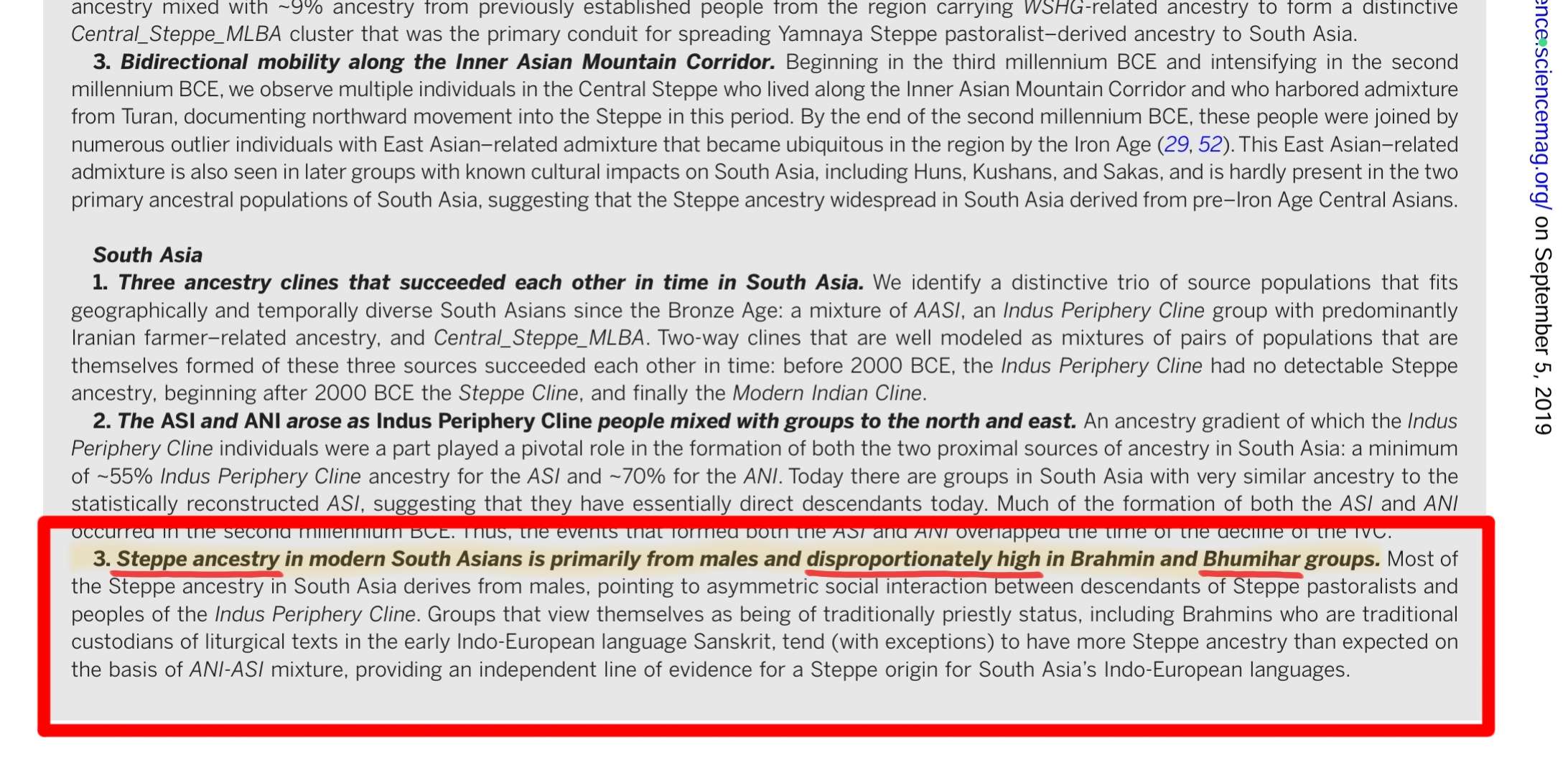
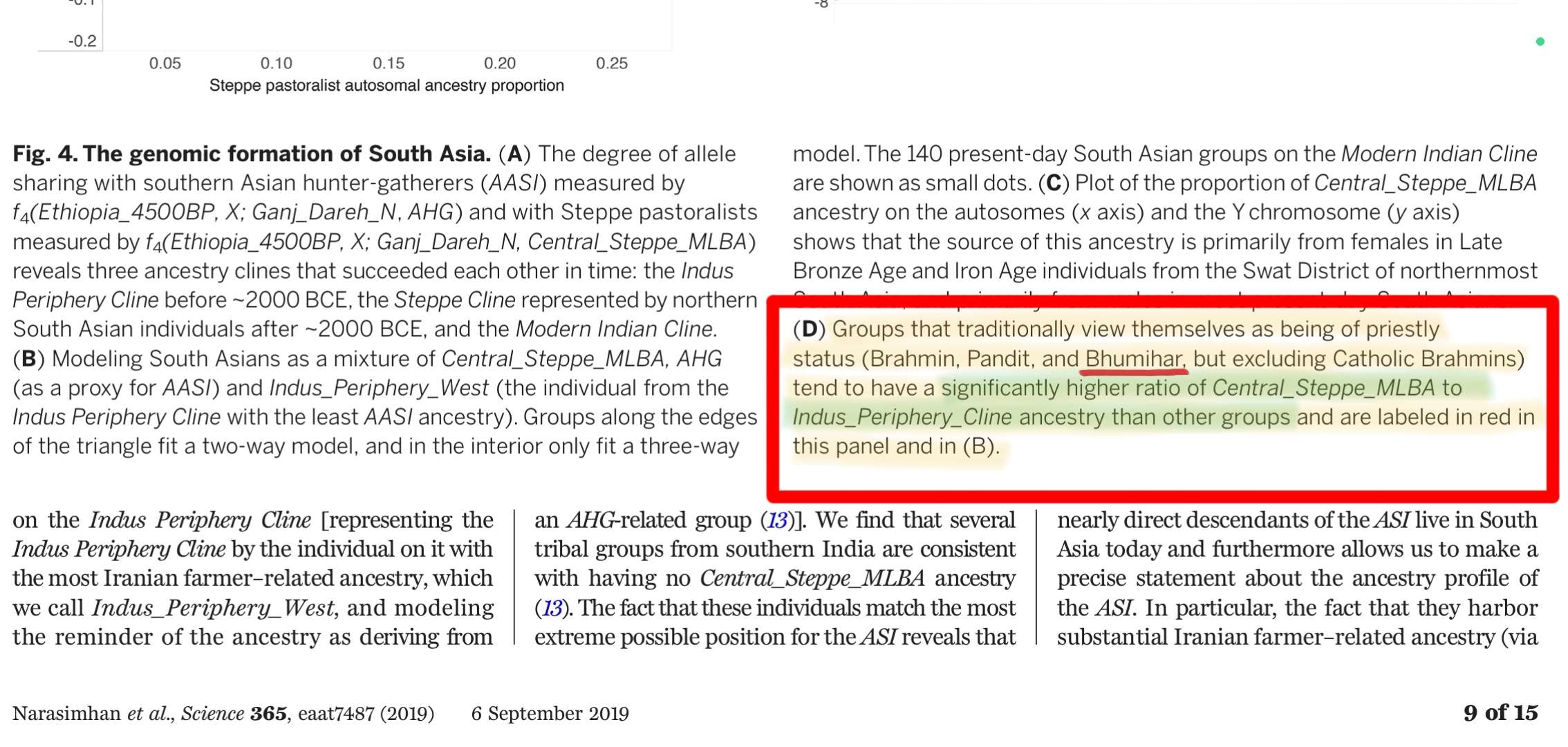
Bhumihars have disproportionately high Steppe ancestry, relative to other social groups in India.
[58] The formation of human populations in South and Central Asia, Narsimhan et al.
Link: https://www.science.org/doi/10.1126/science.aat7487 Go to References
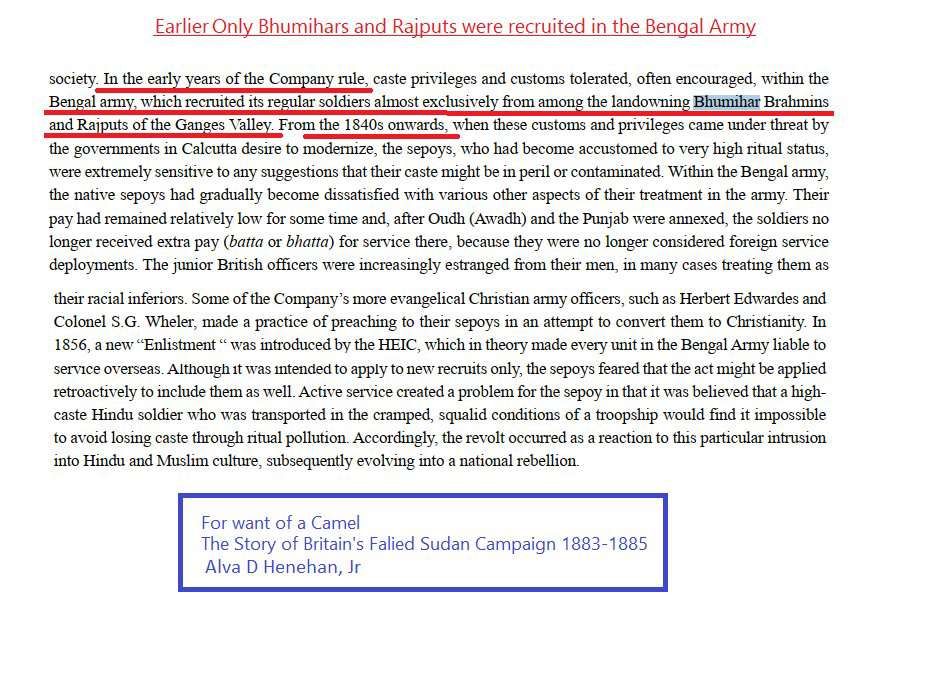
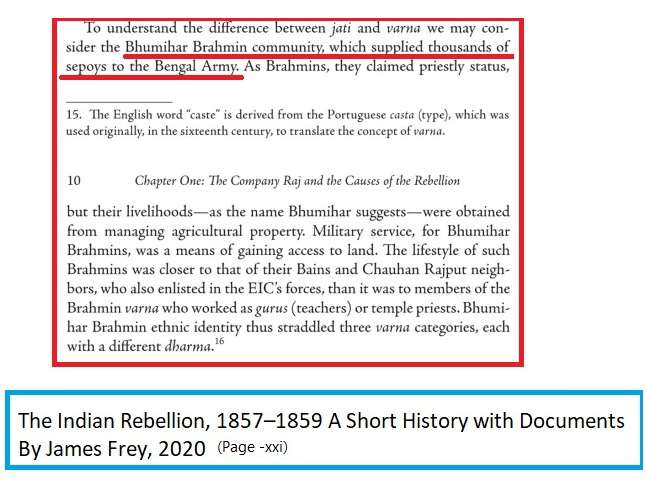
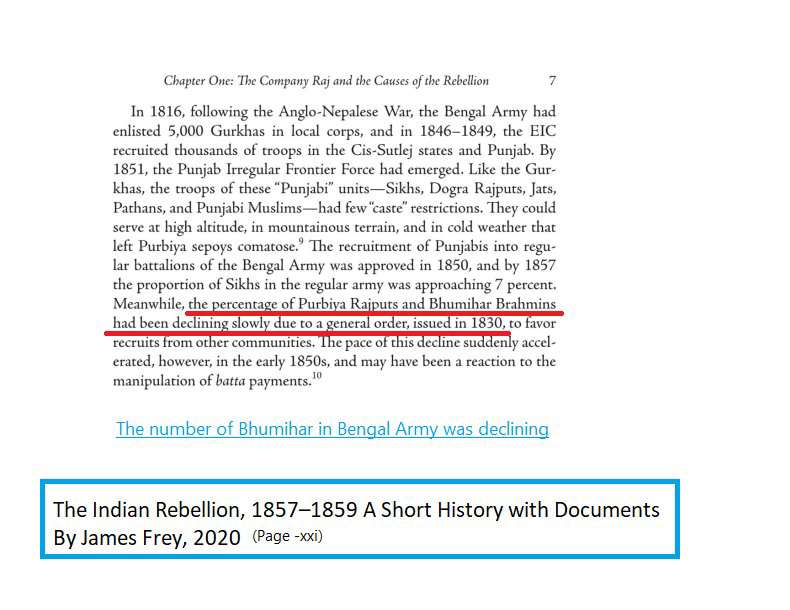
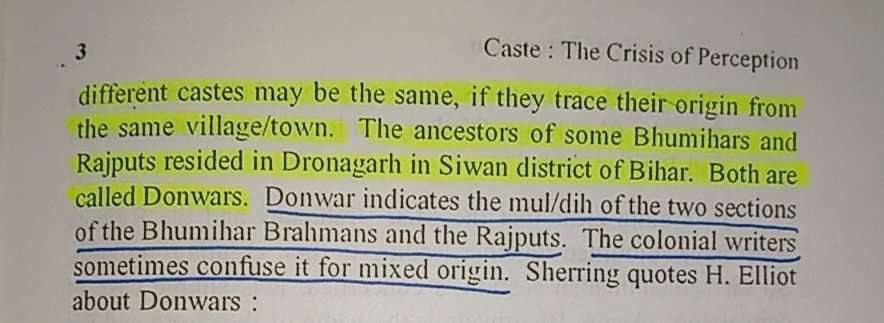
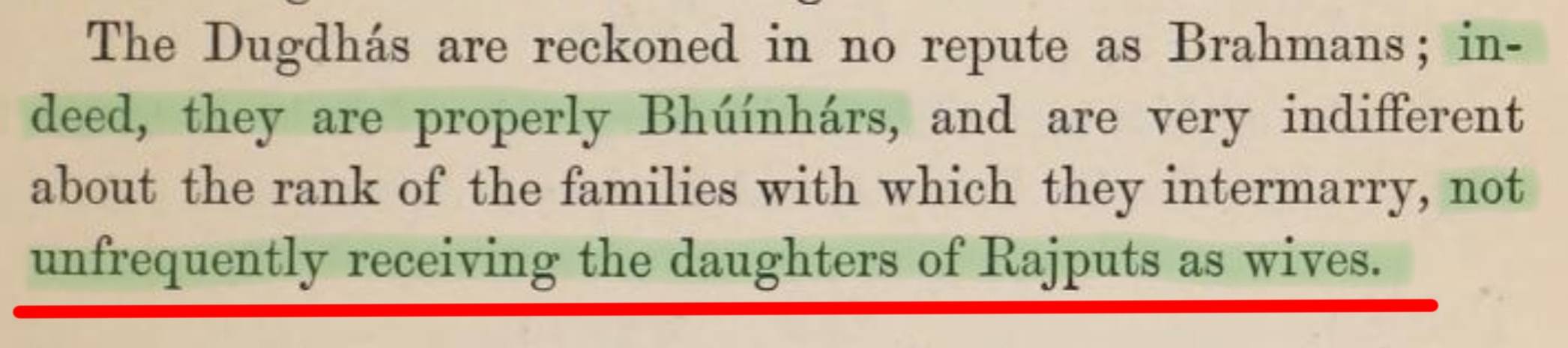
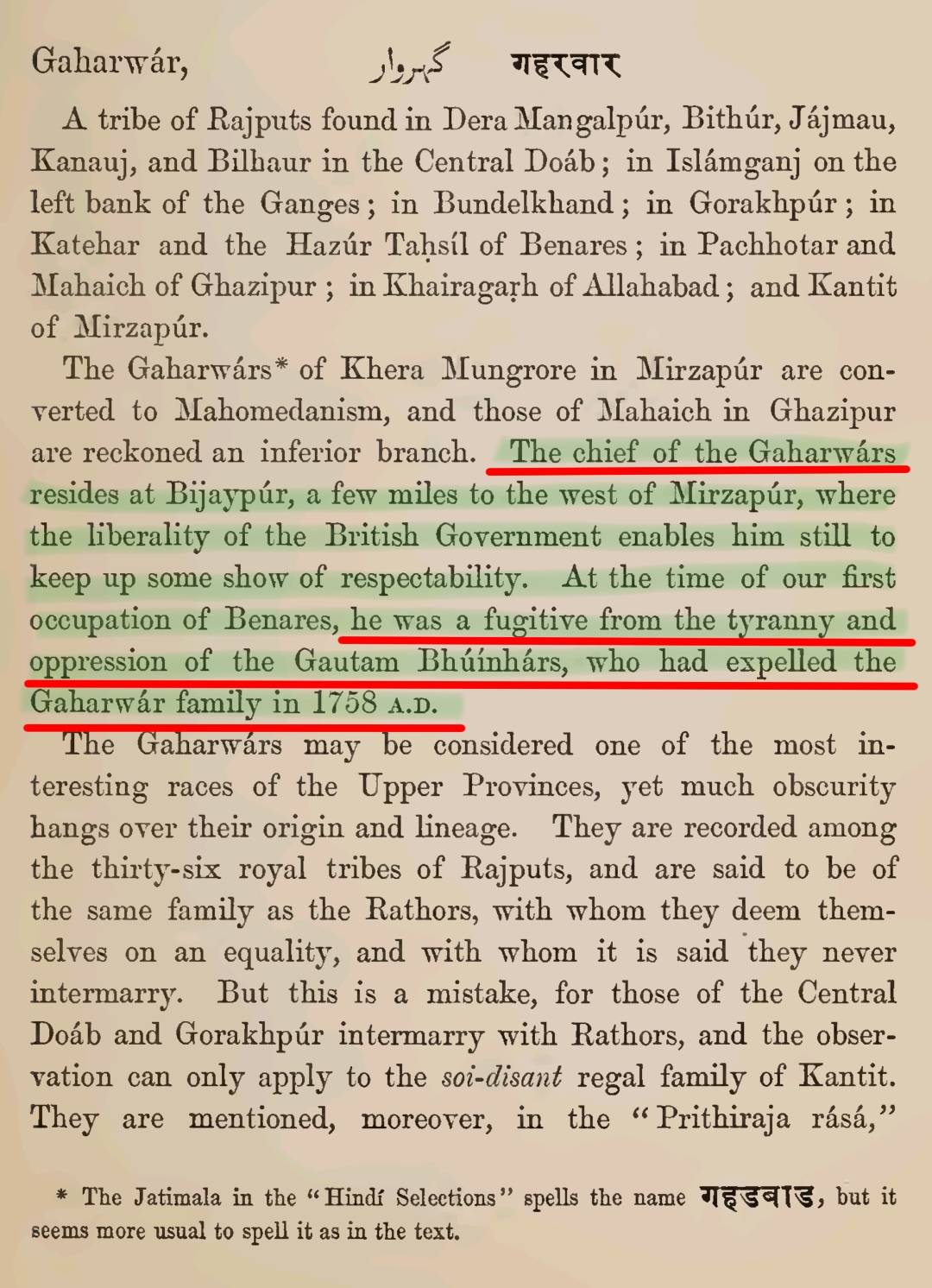
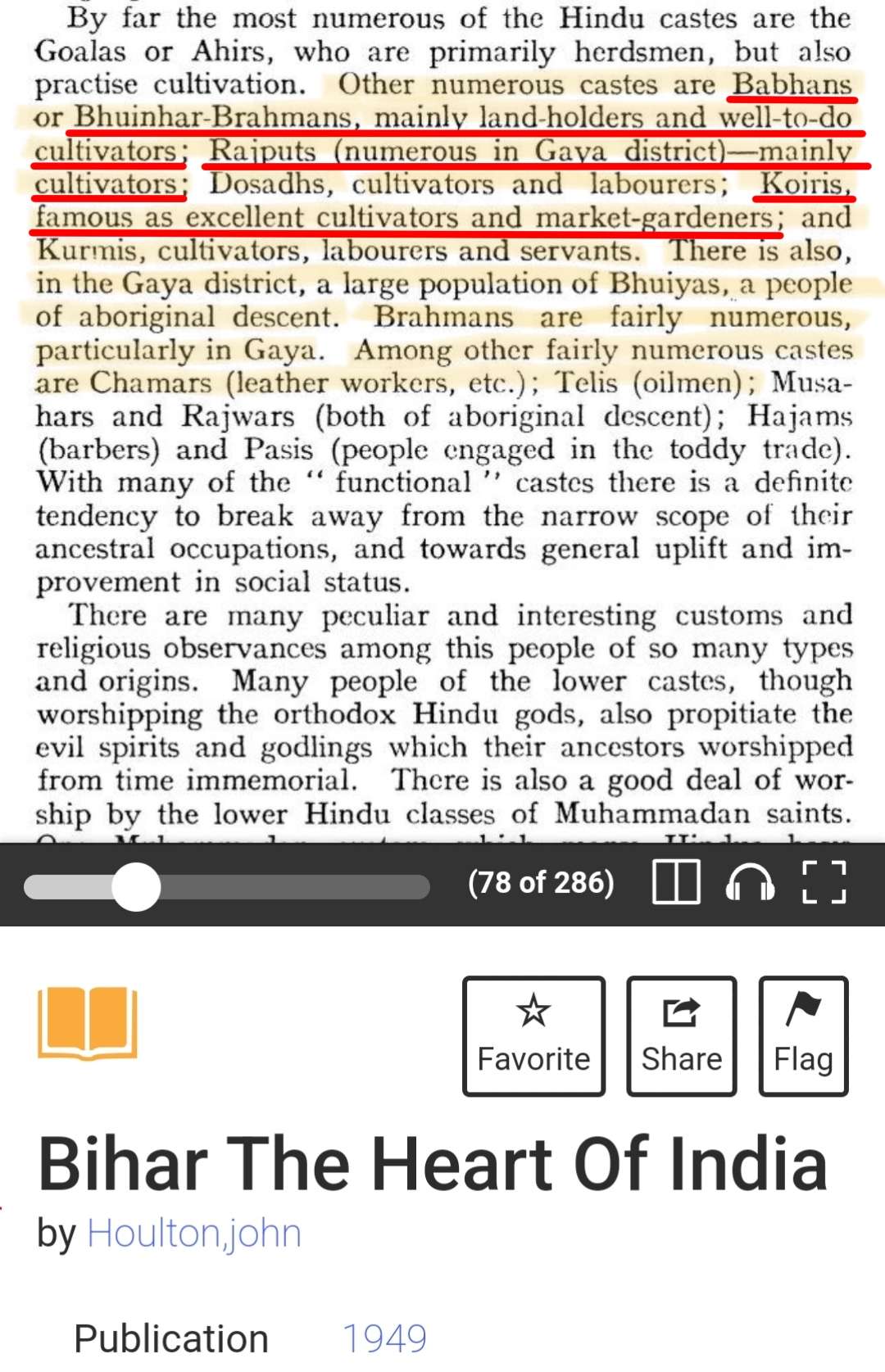
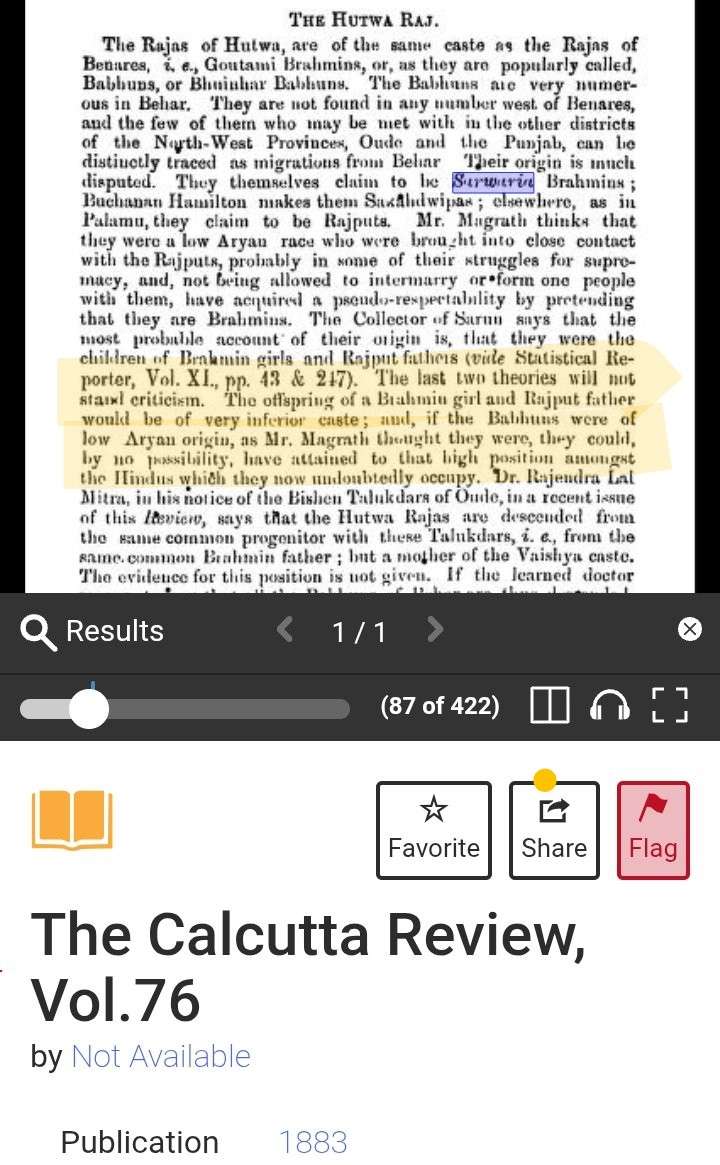
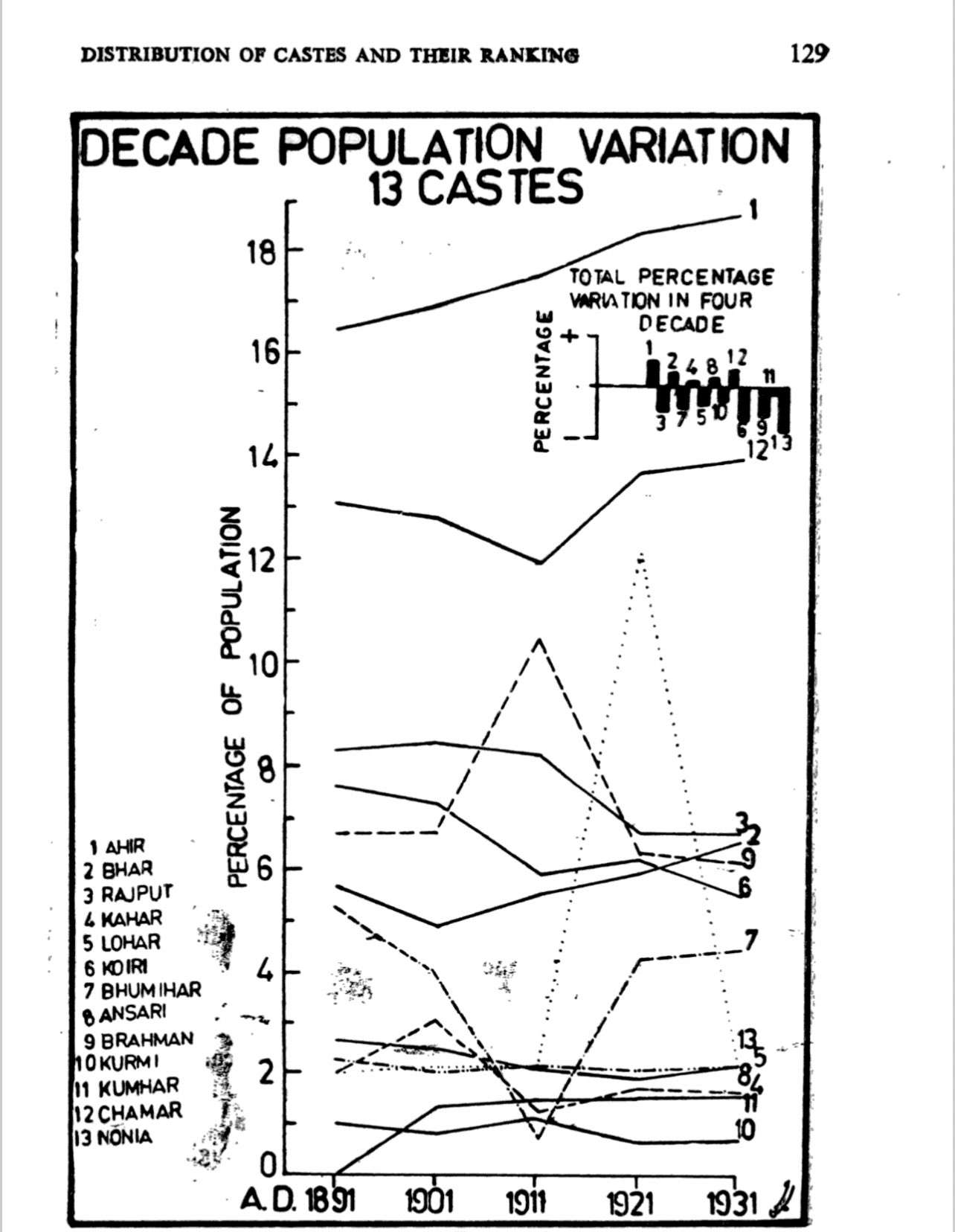
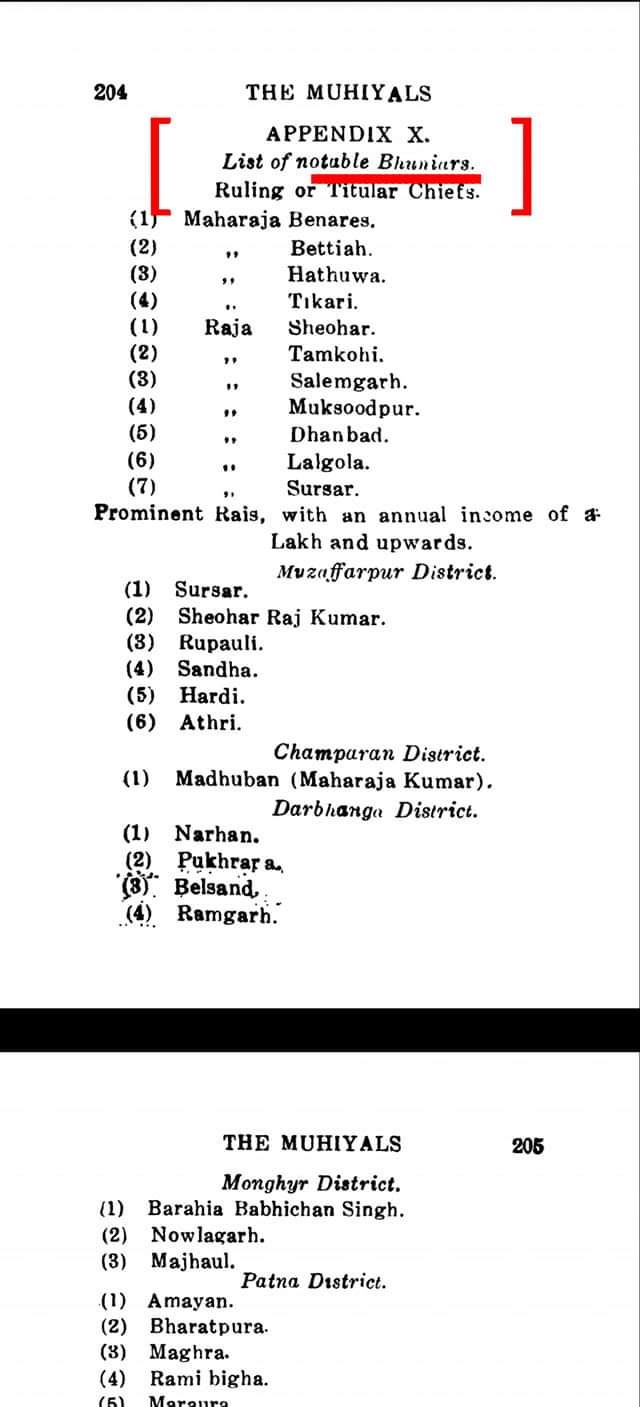
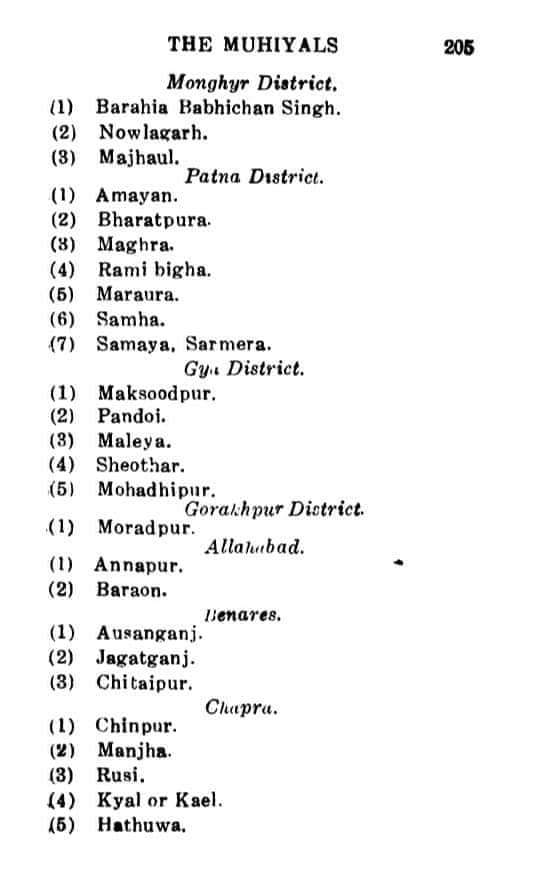
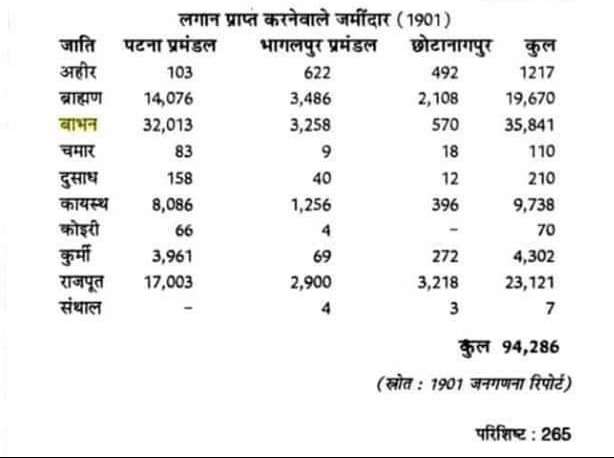
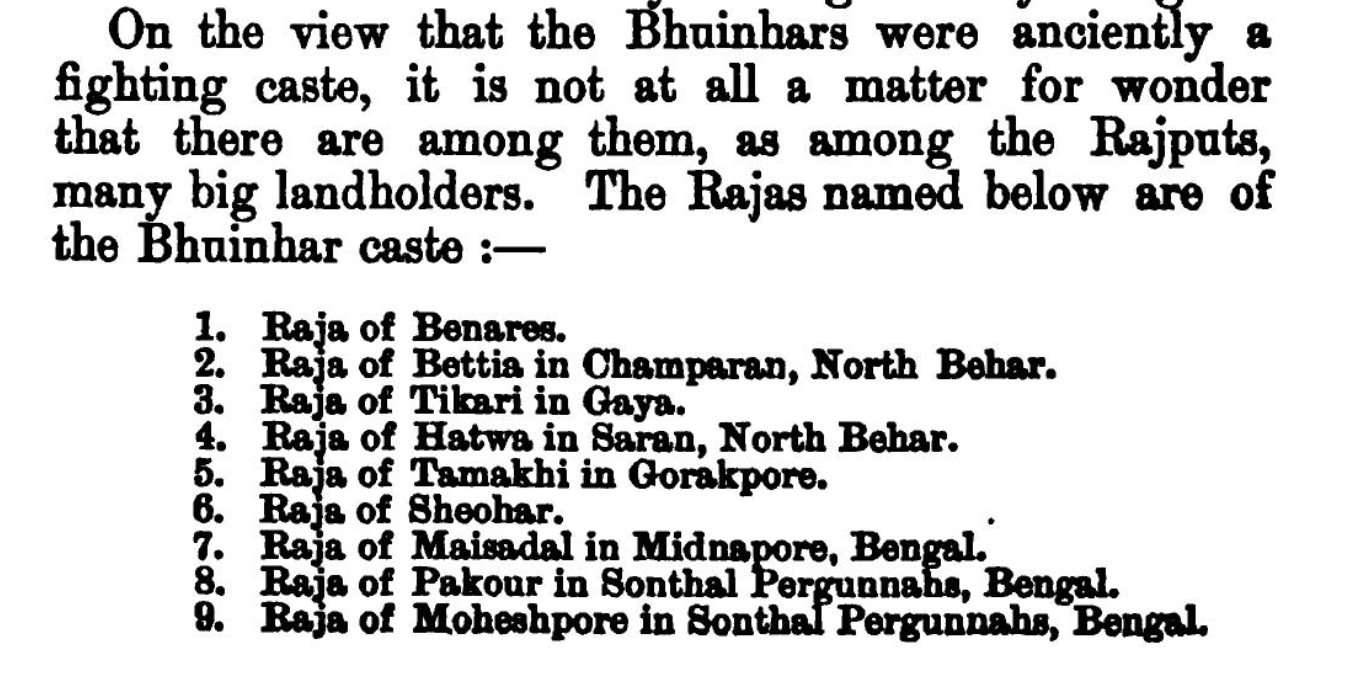
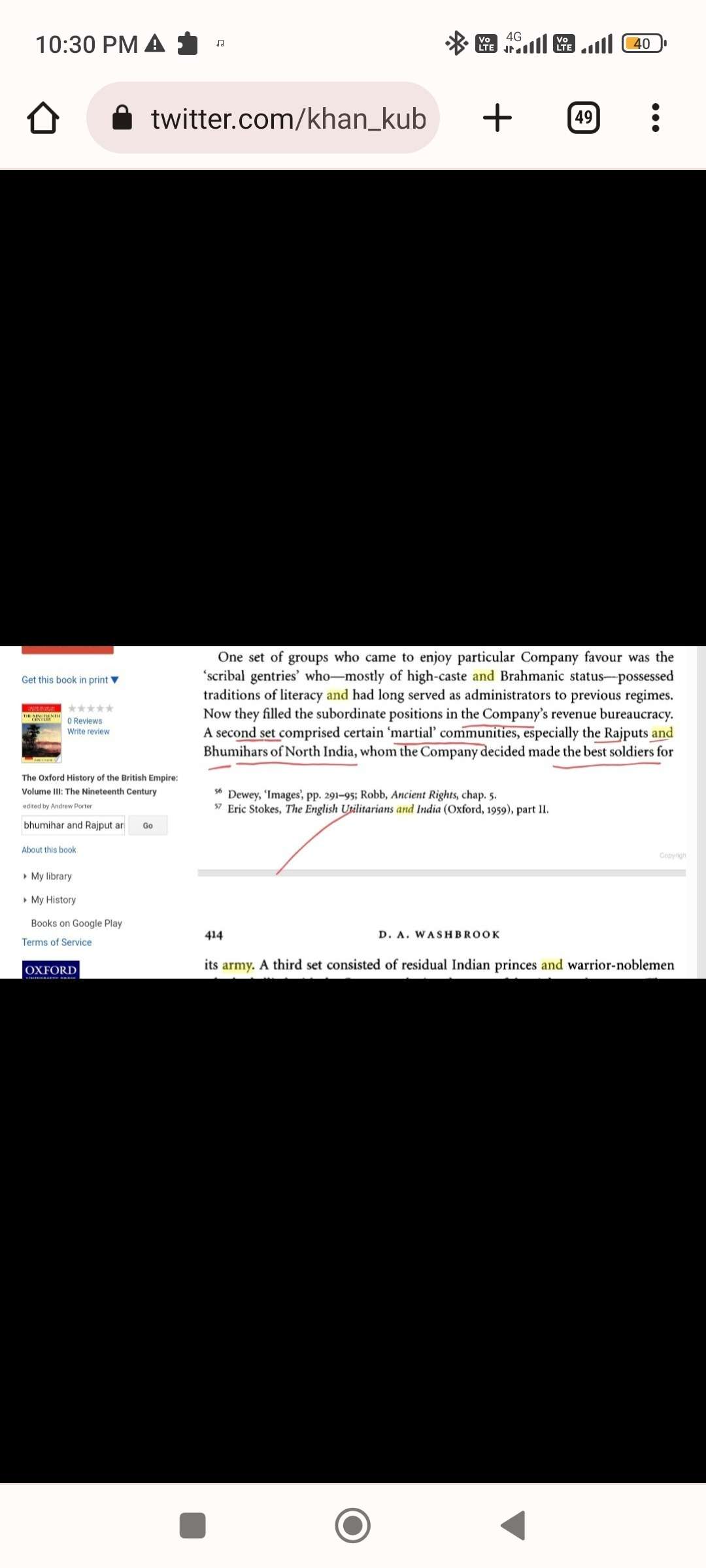
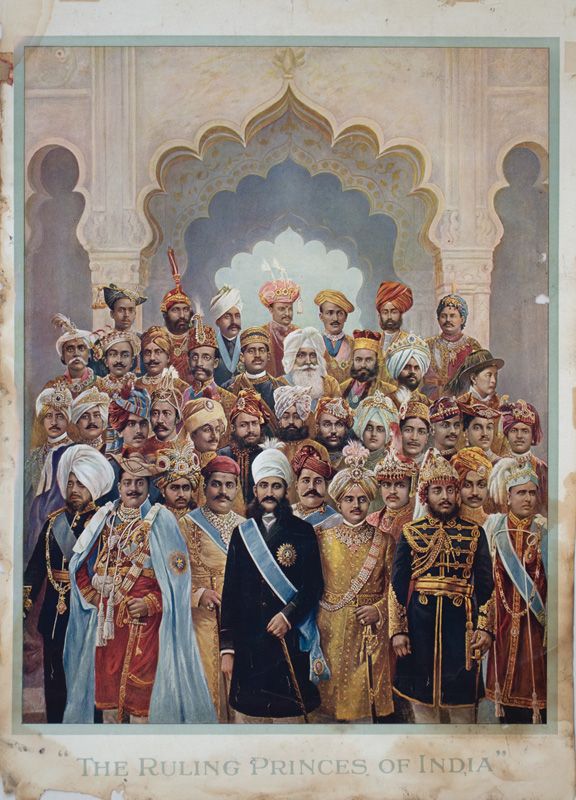
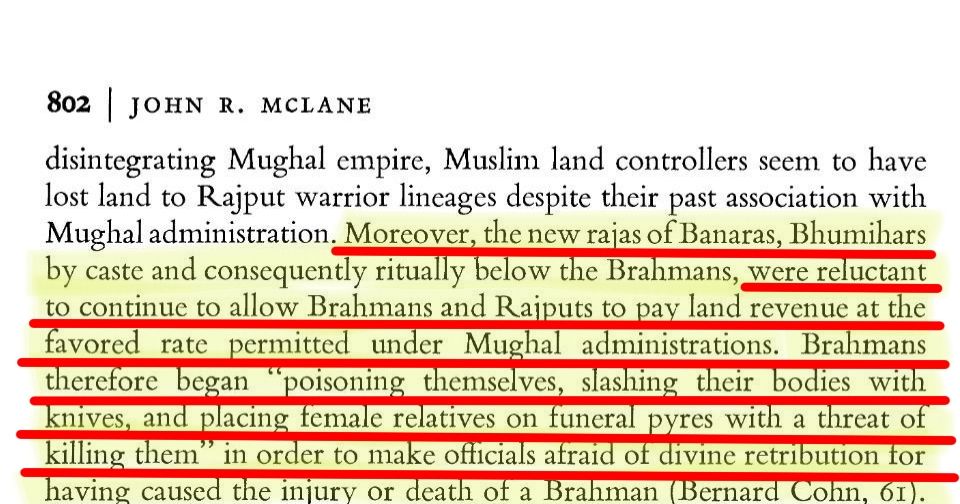
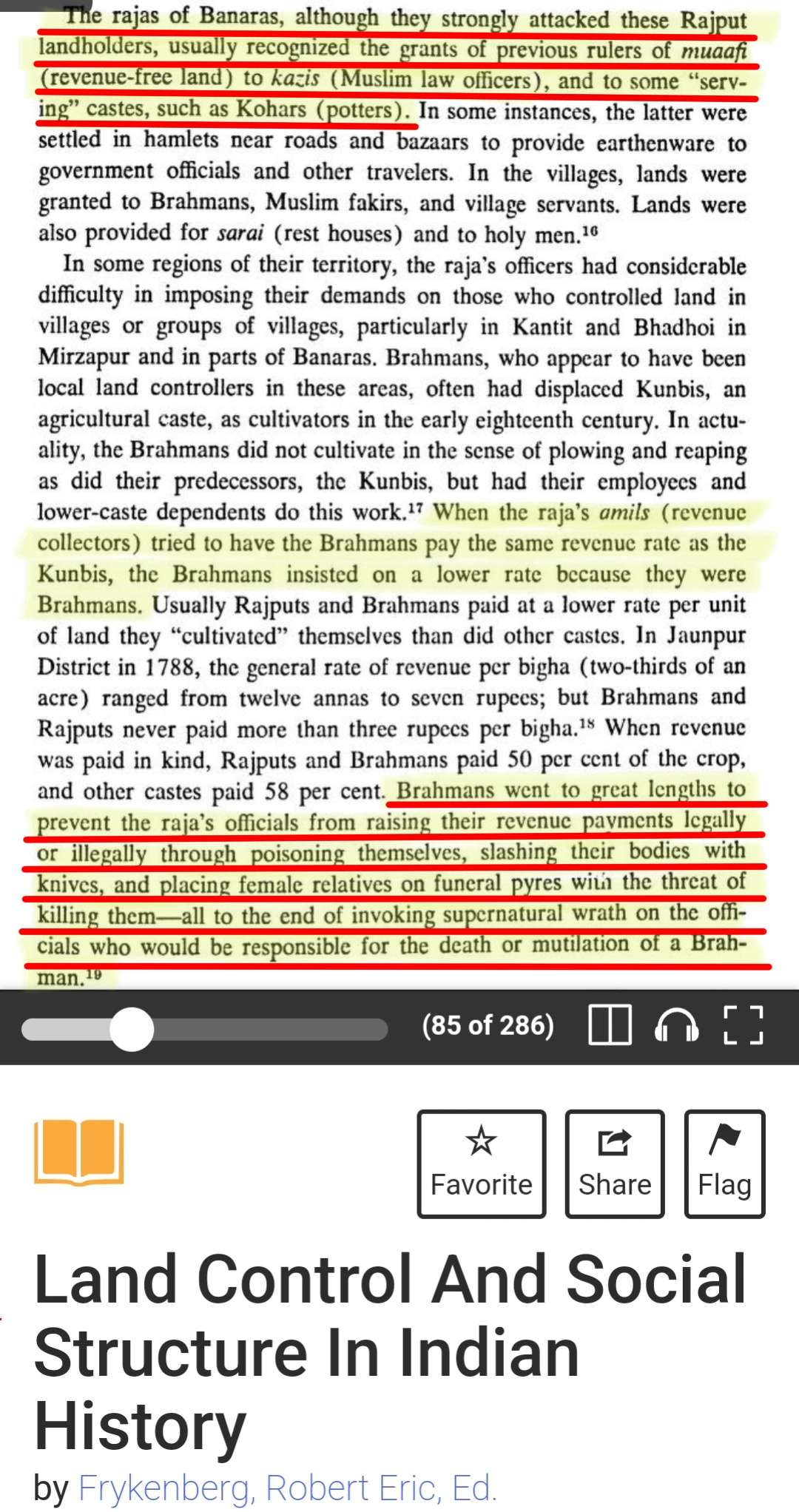
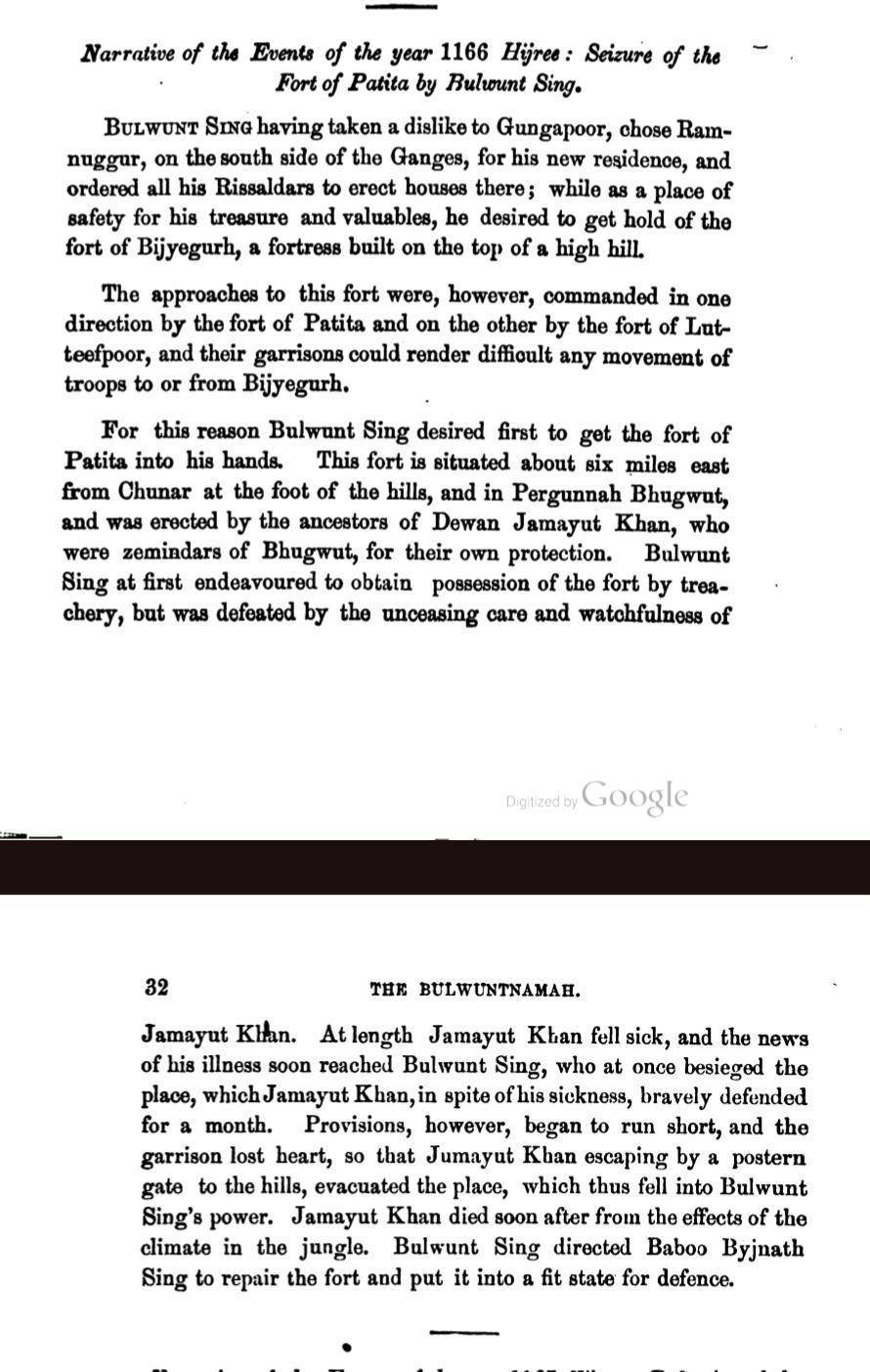
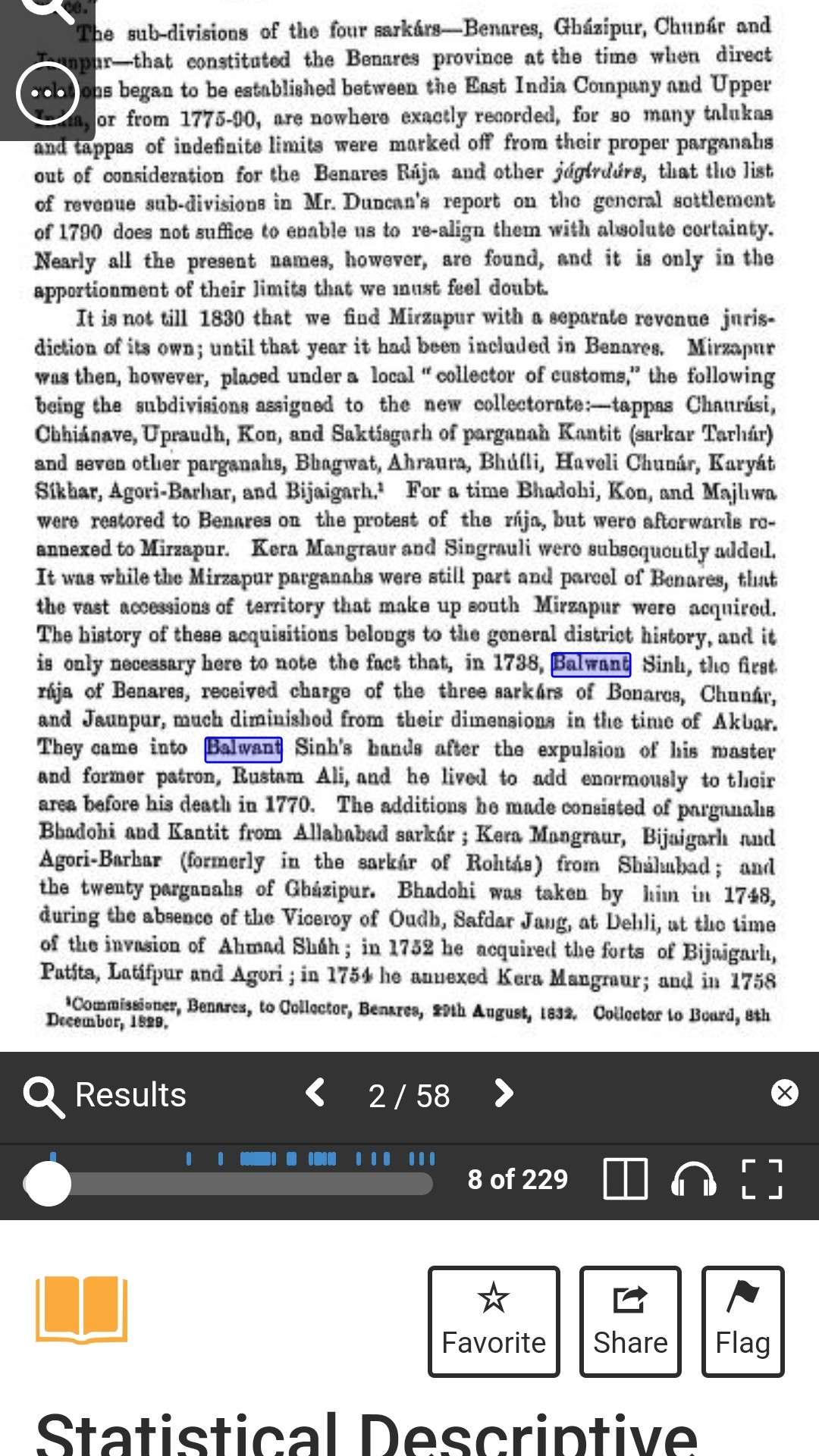
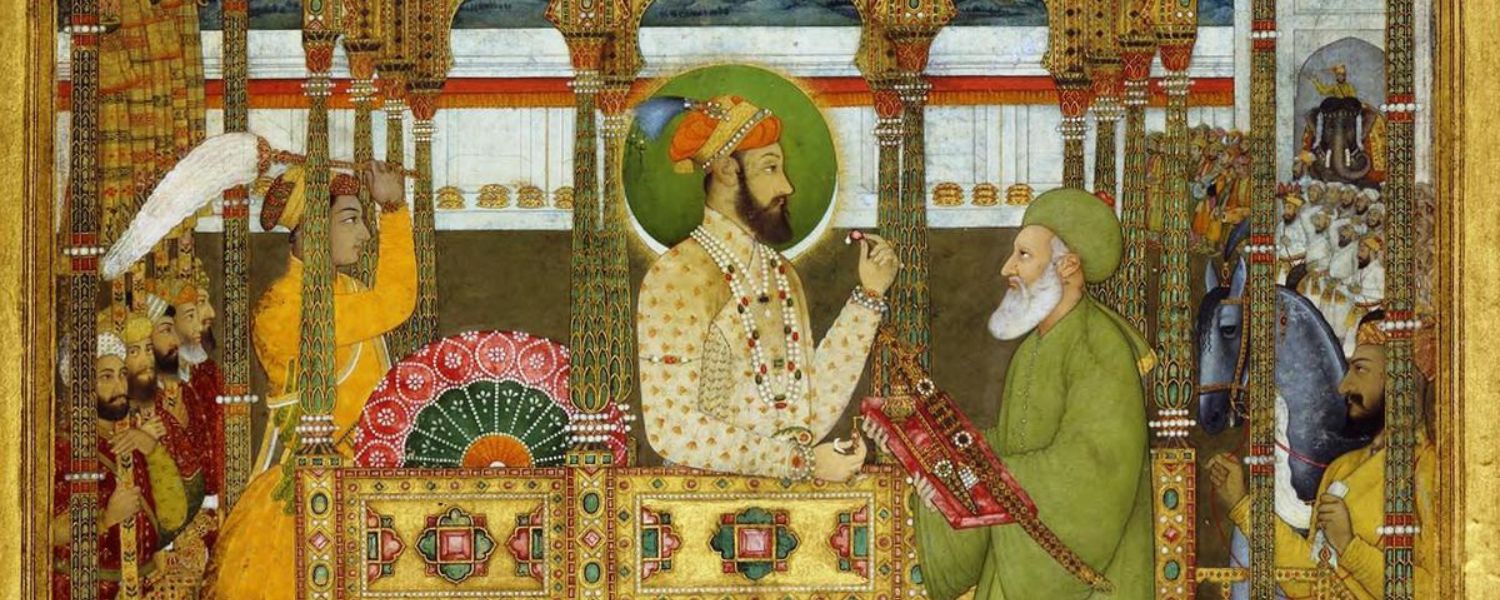
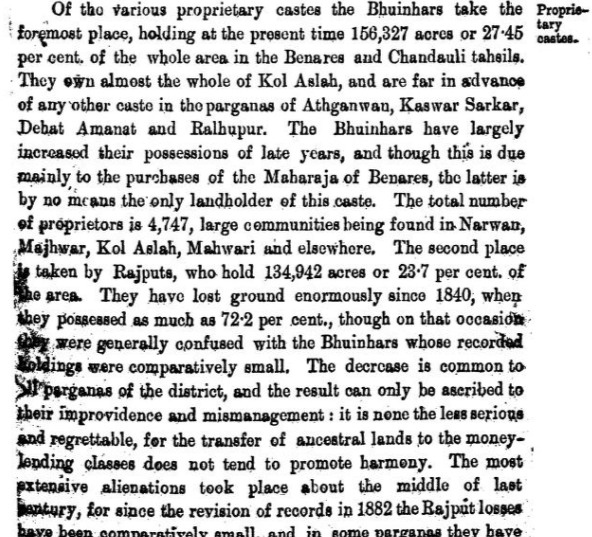
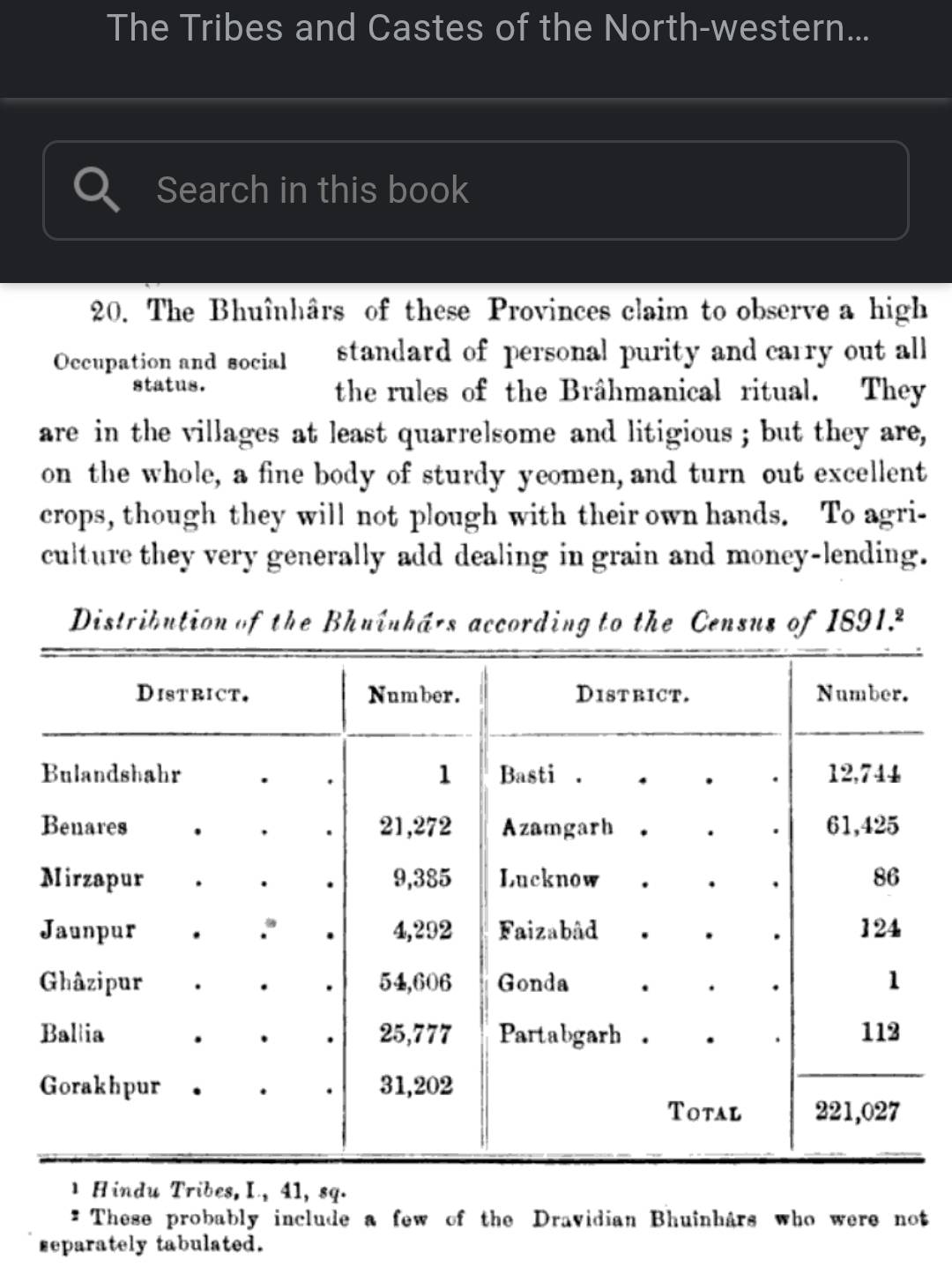
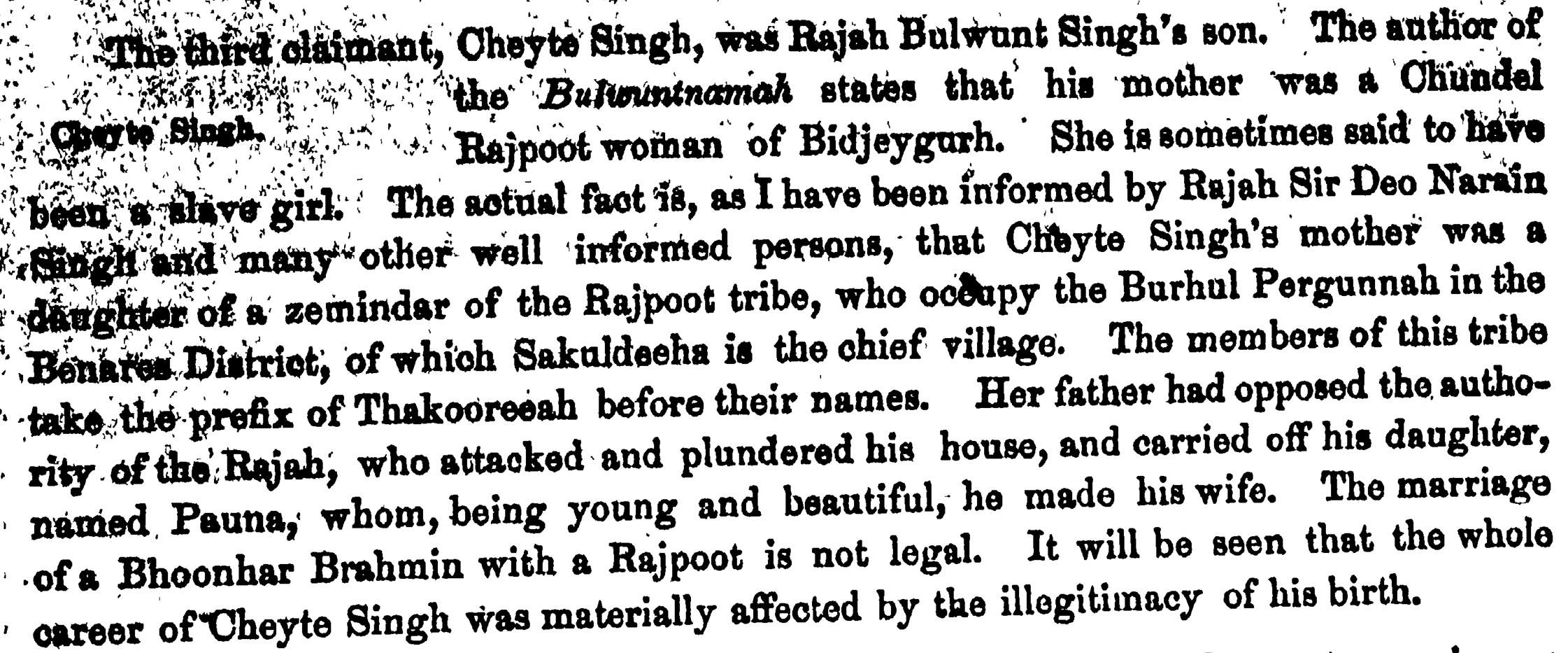
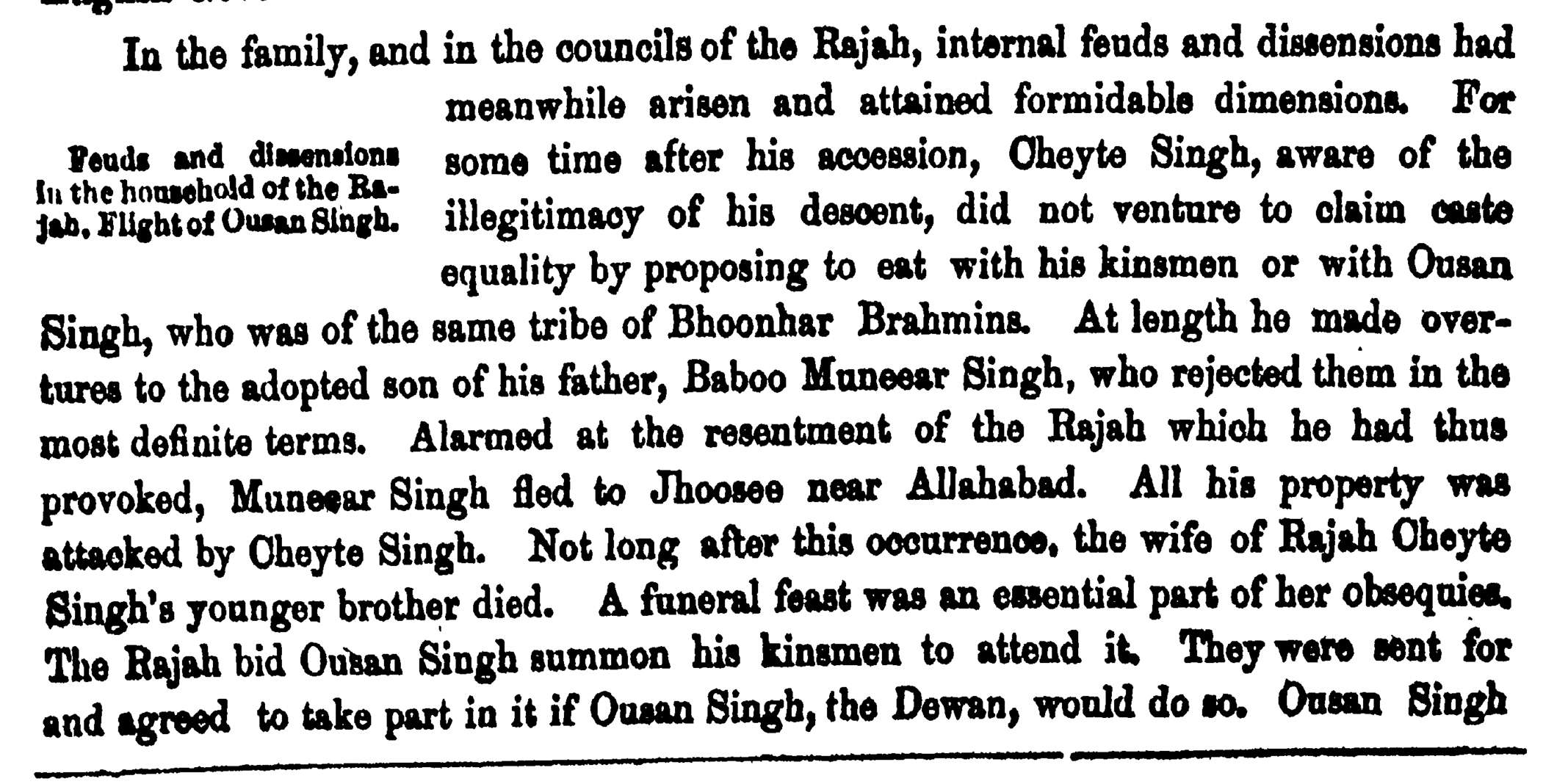
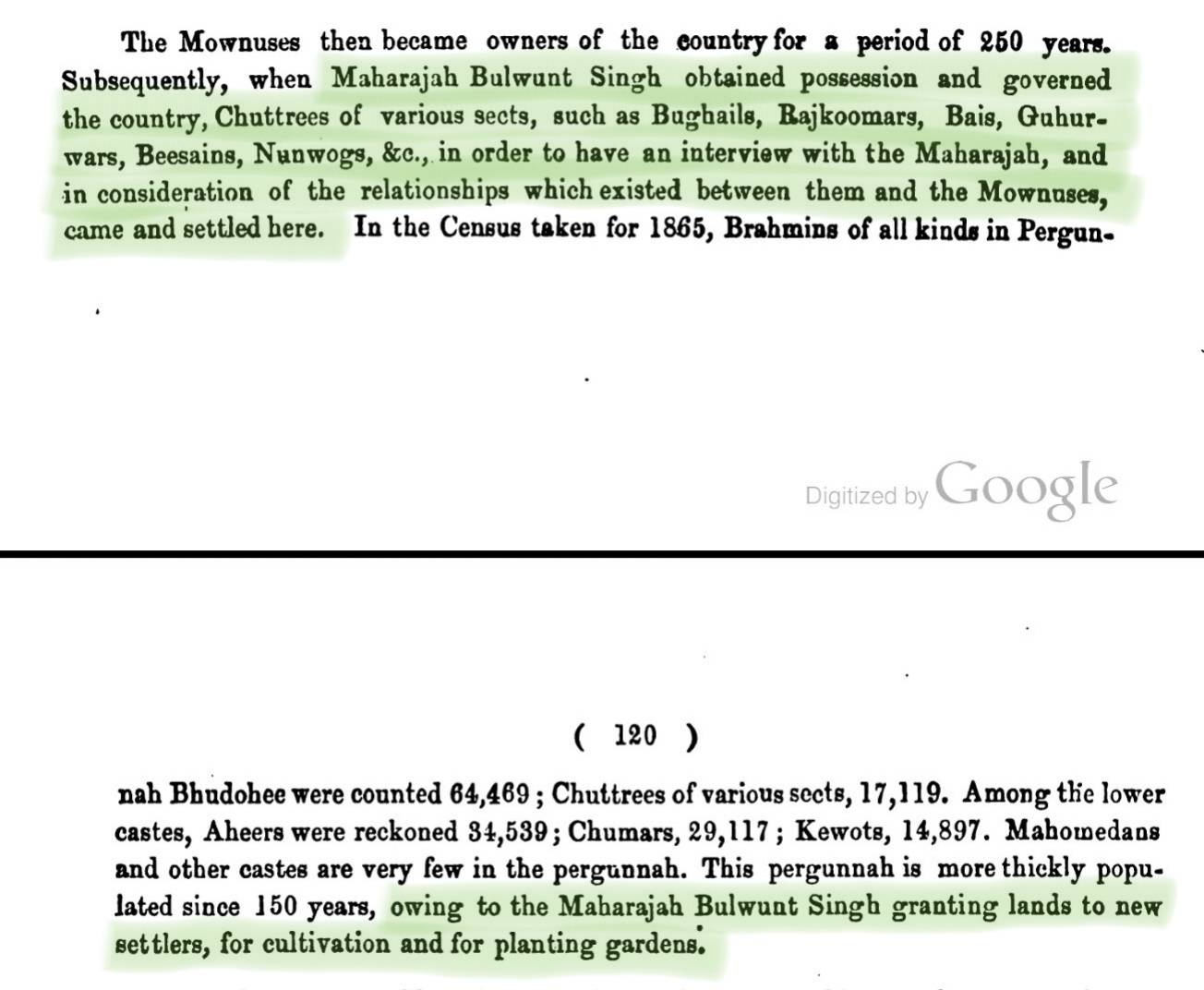
Pergunnah Bhadohi became thickly populated only because of all the people settling on the land grants given by the Bhumihar Raja to them. [41] Census of the N.W. Provinces, 1865, Volumes 1-4 Go to References
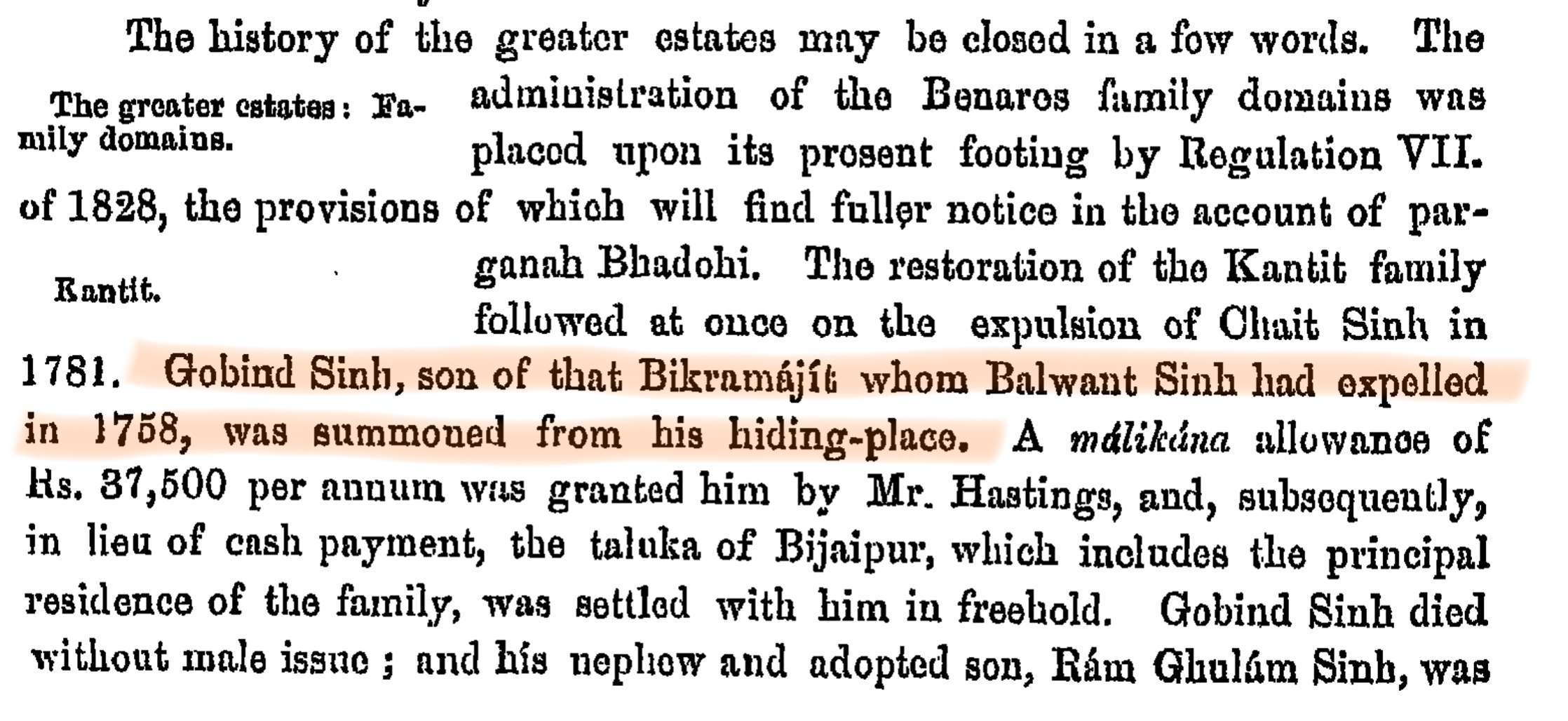
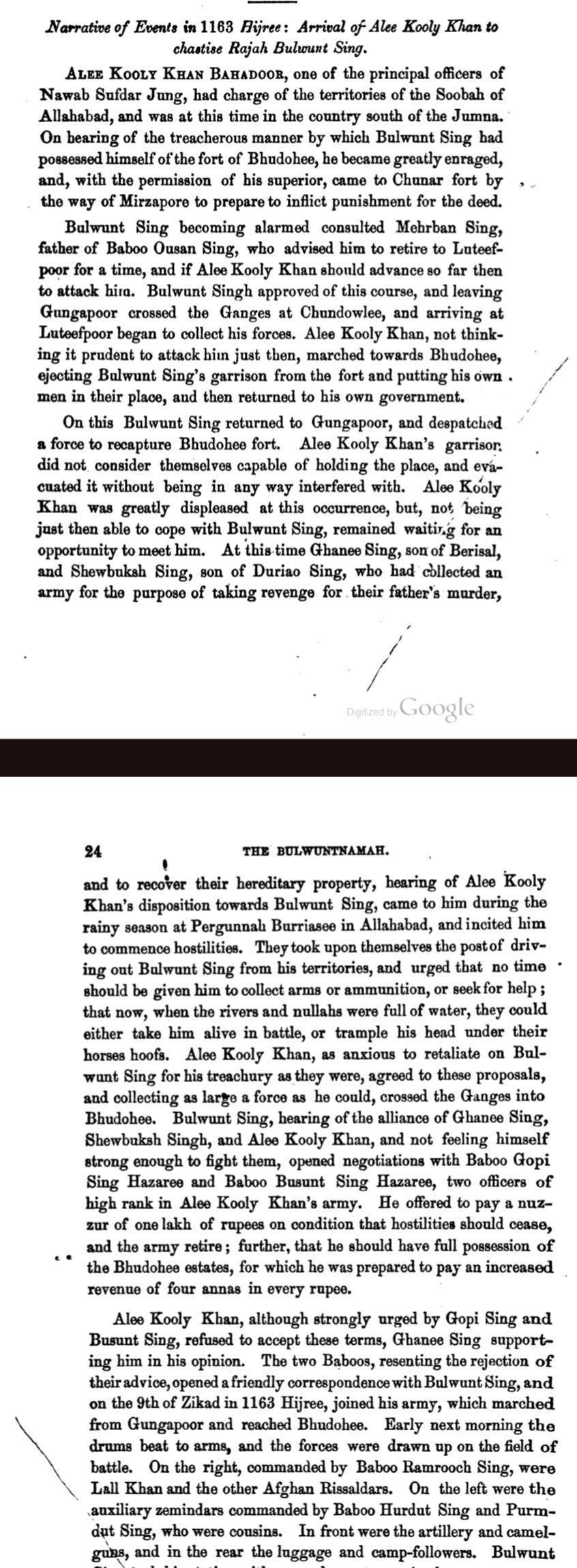
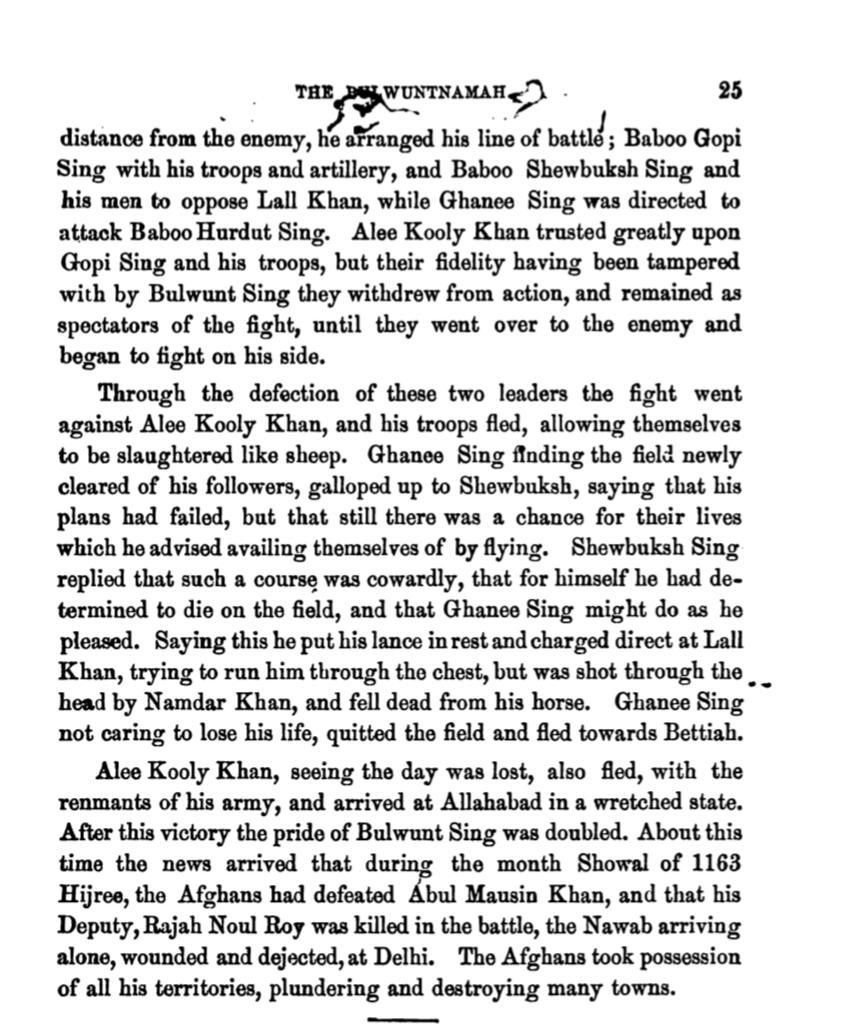
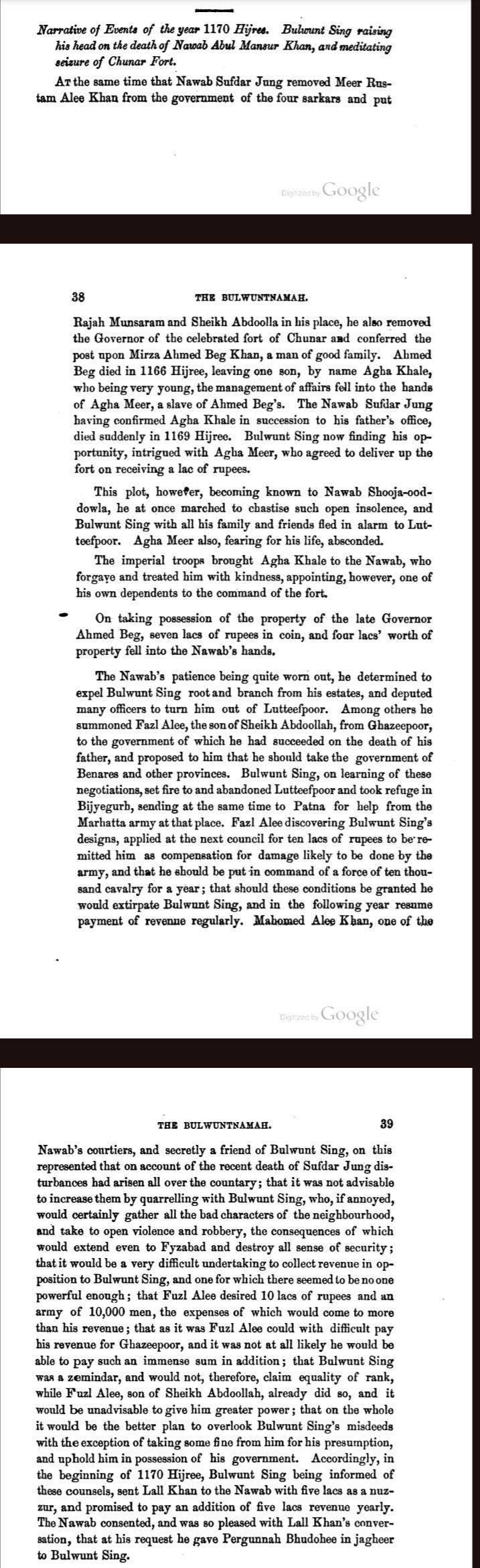
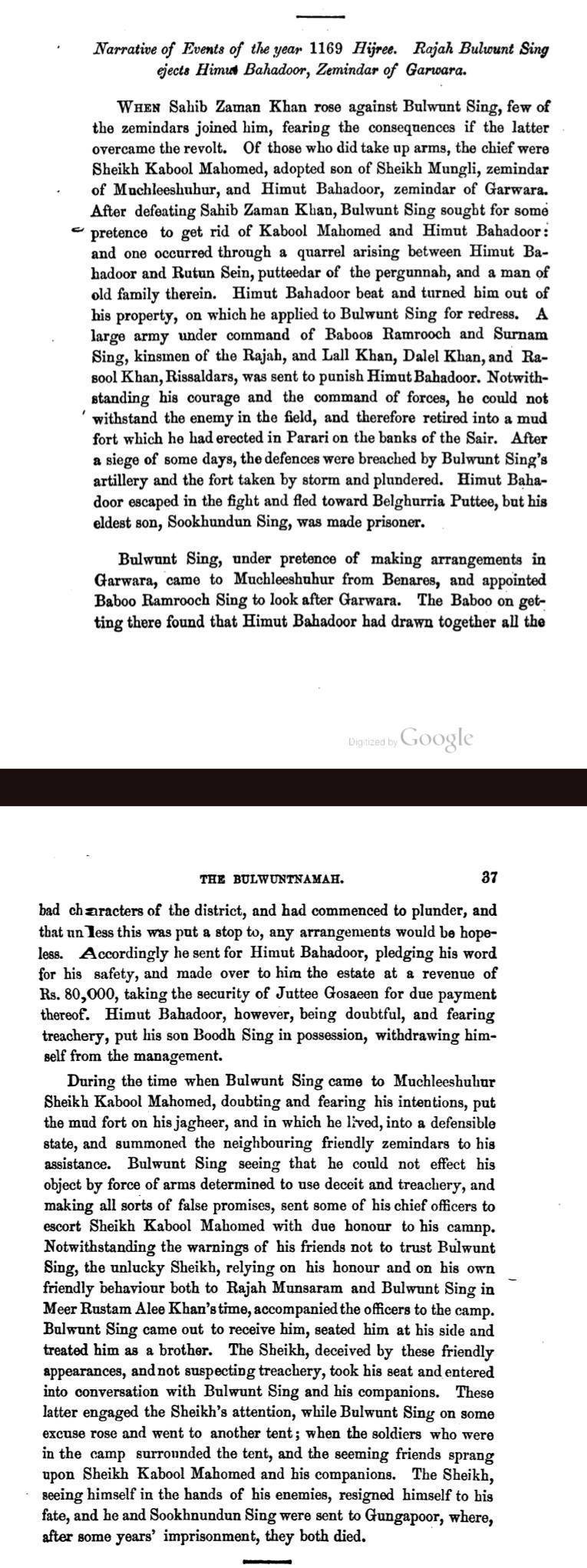
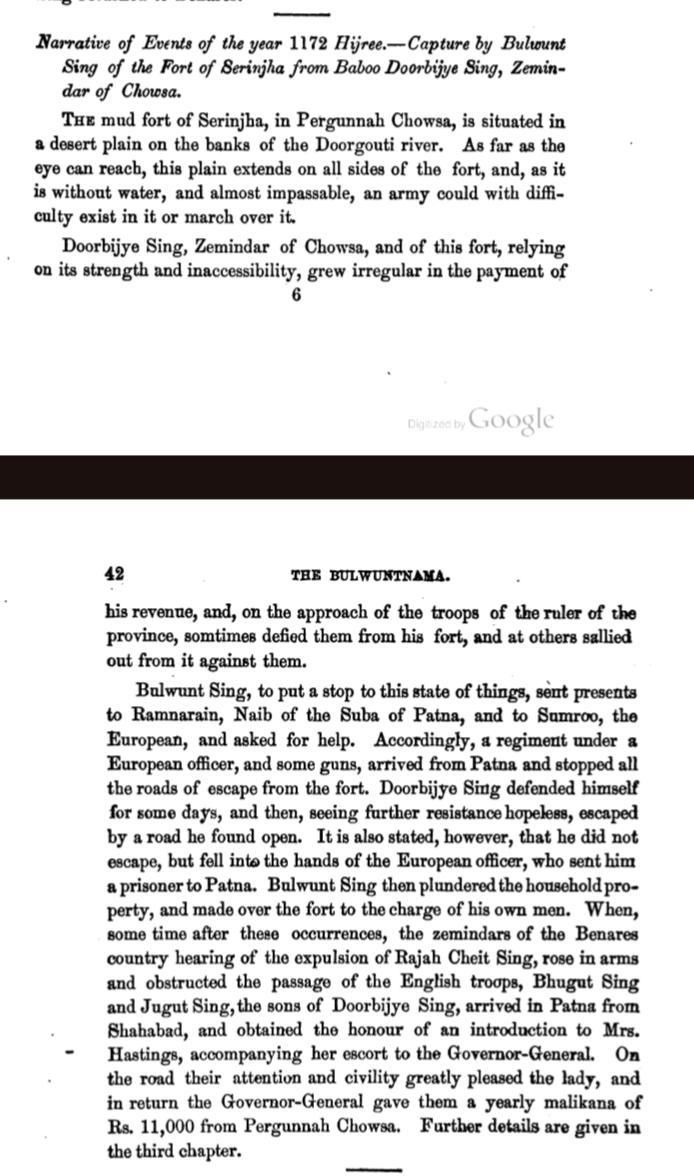
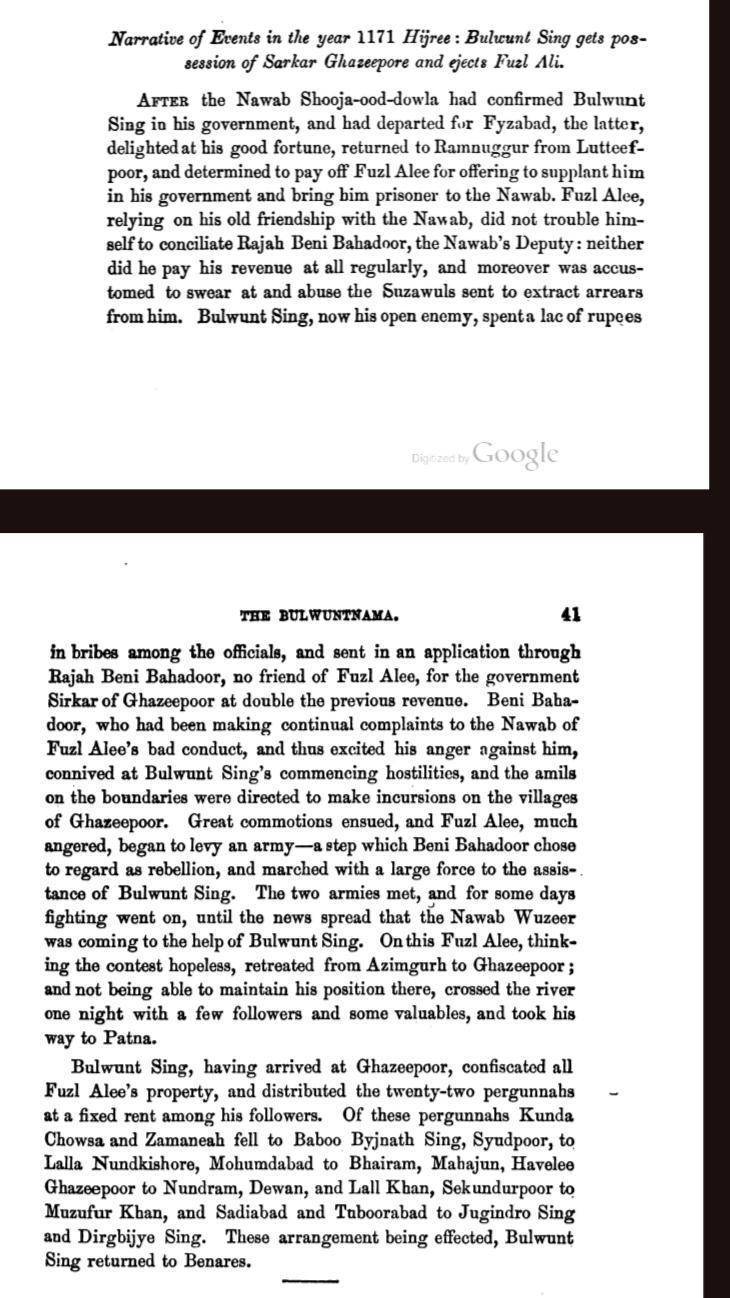
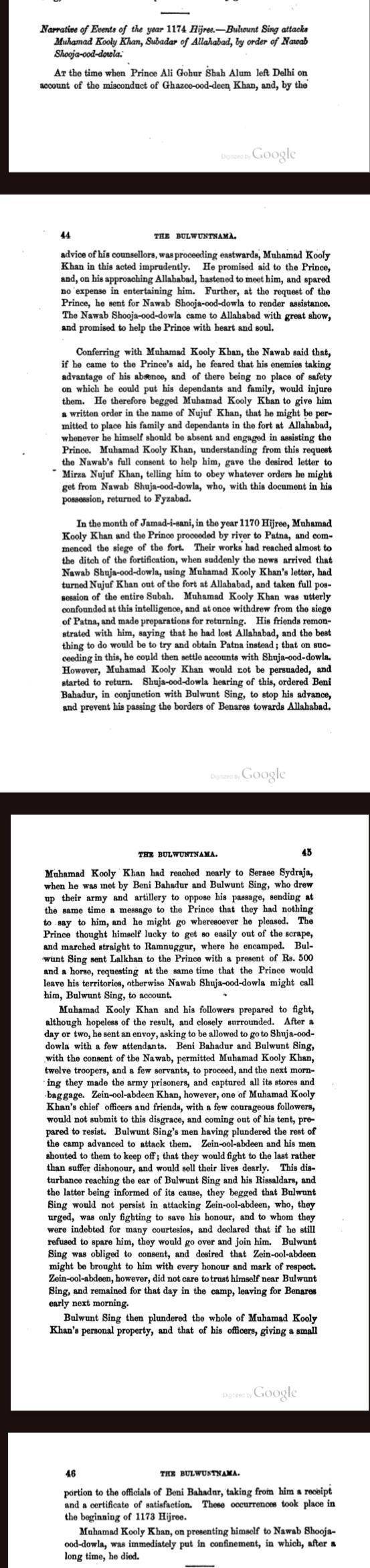
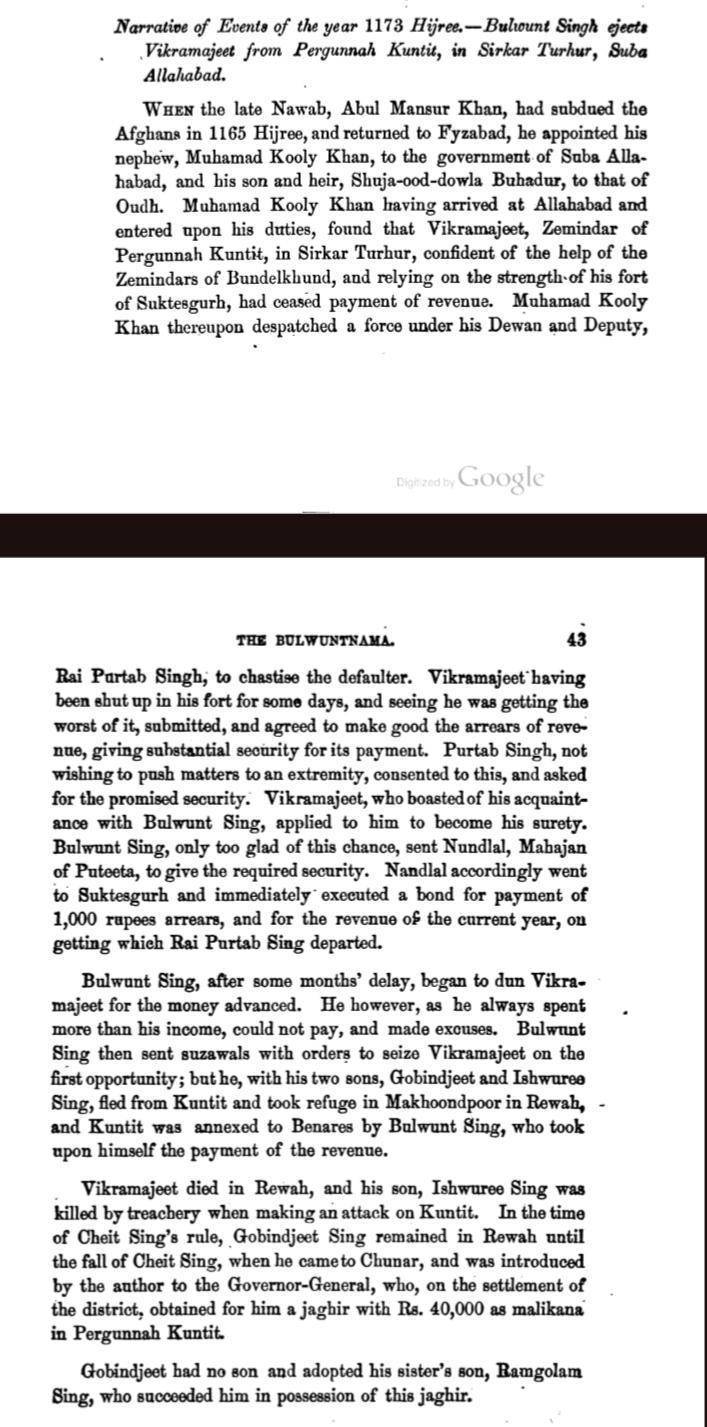
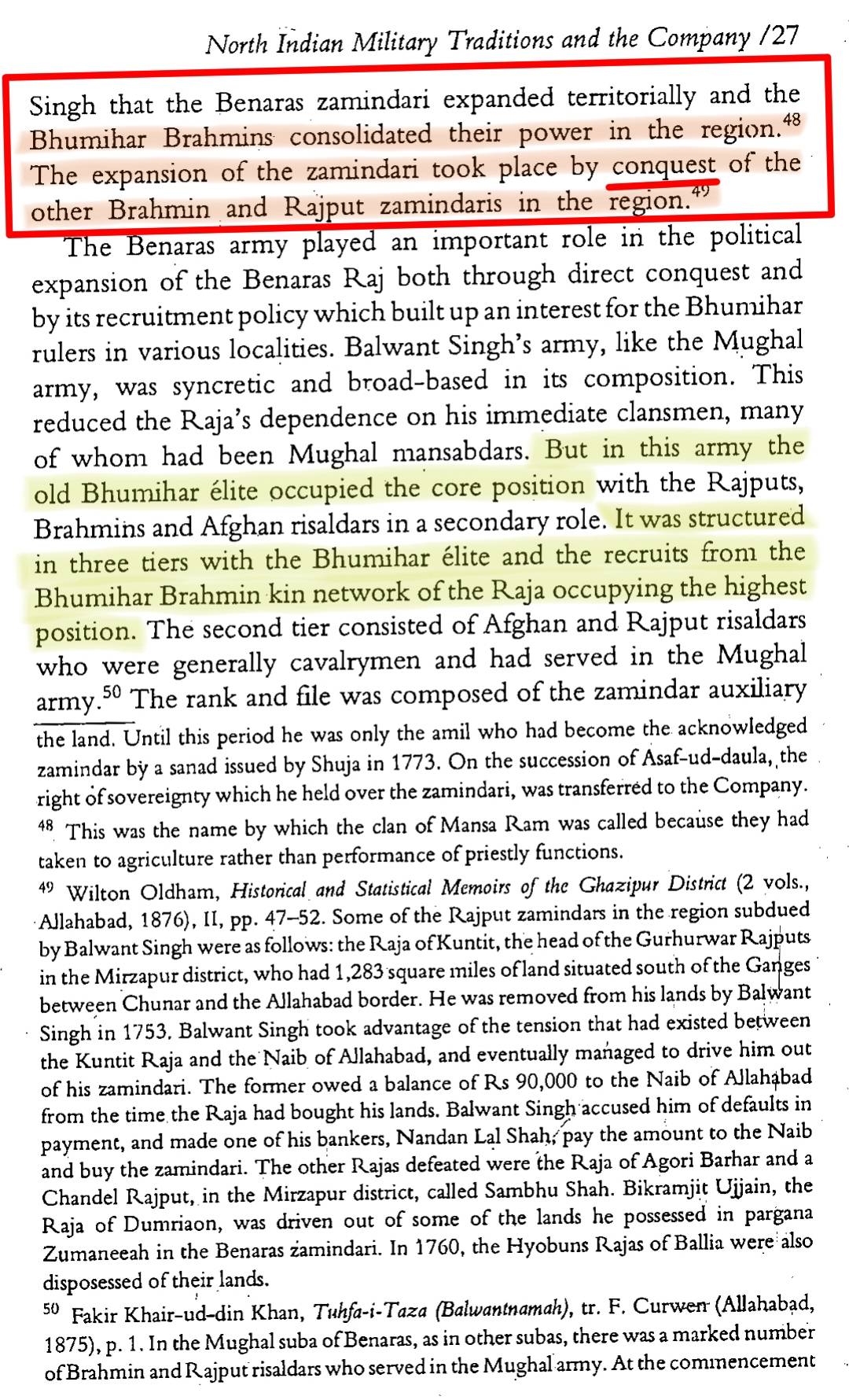
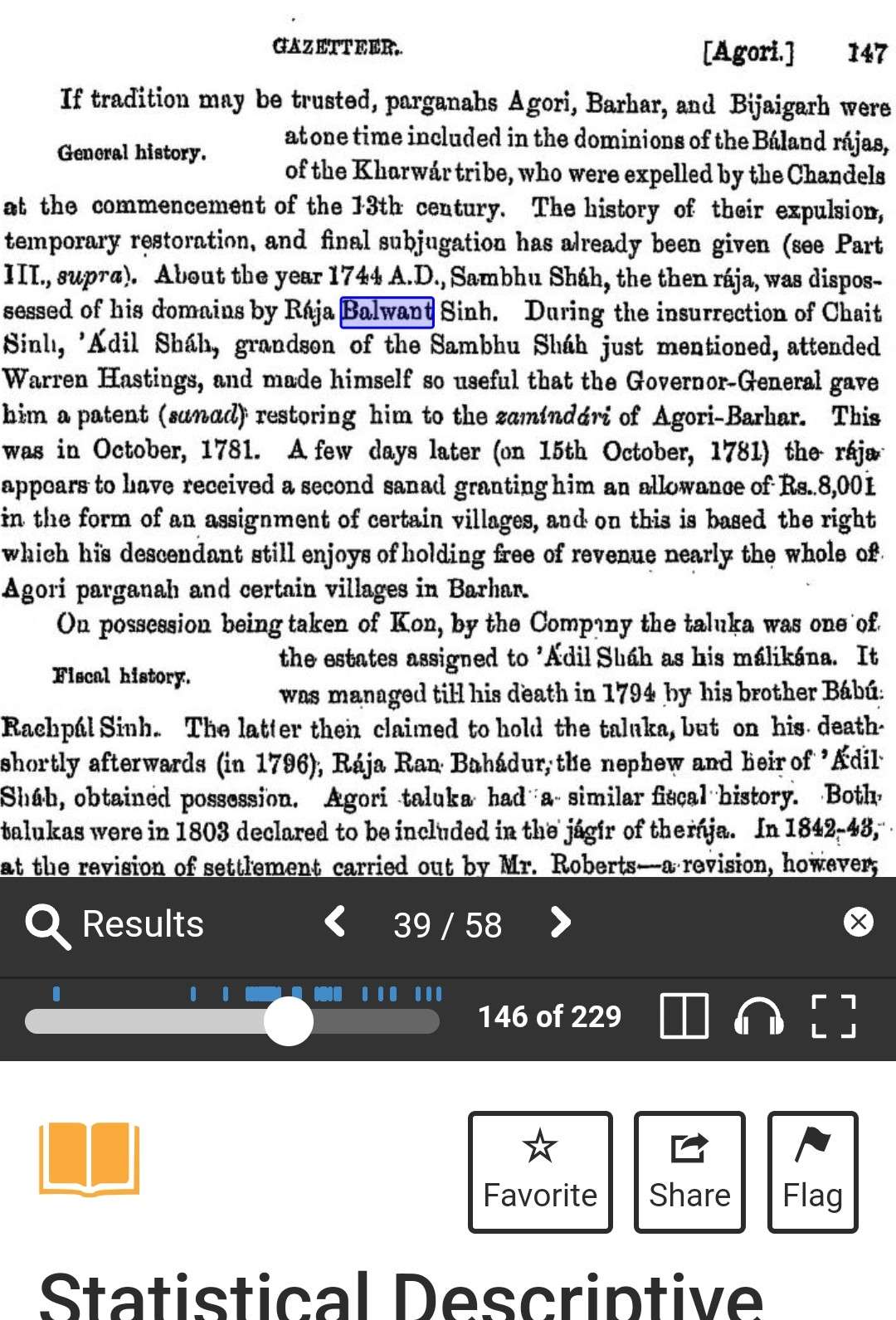
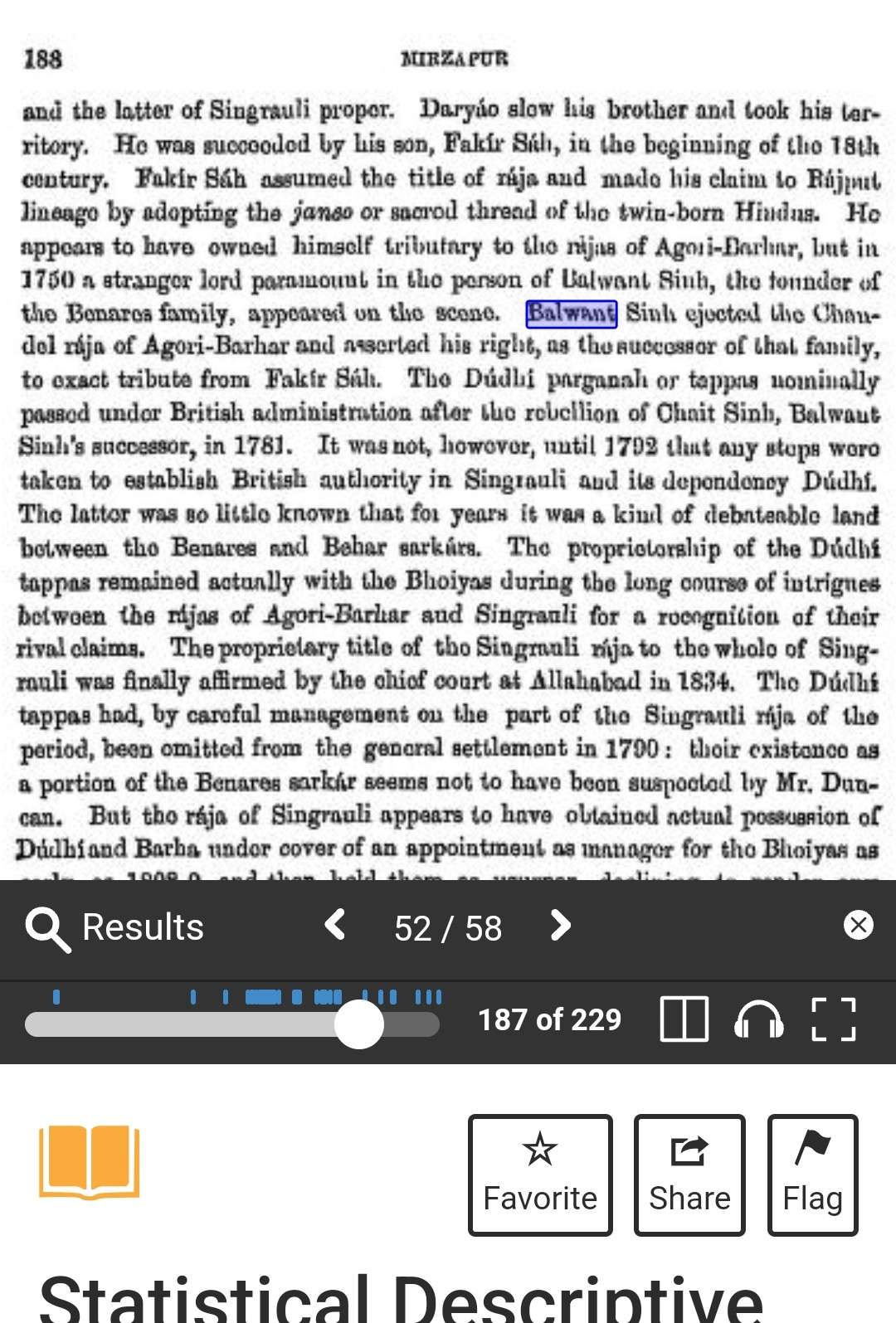
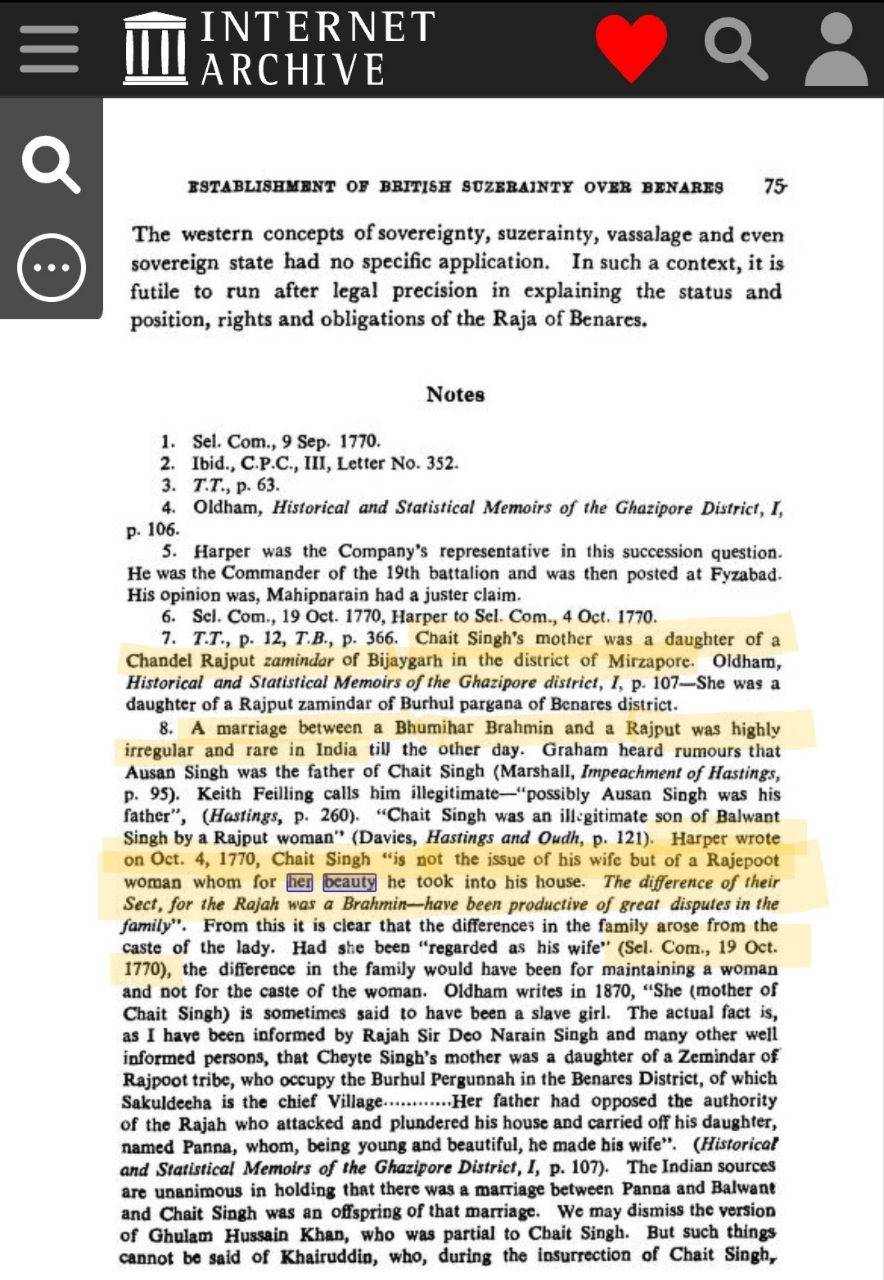
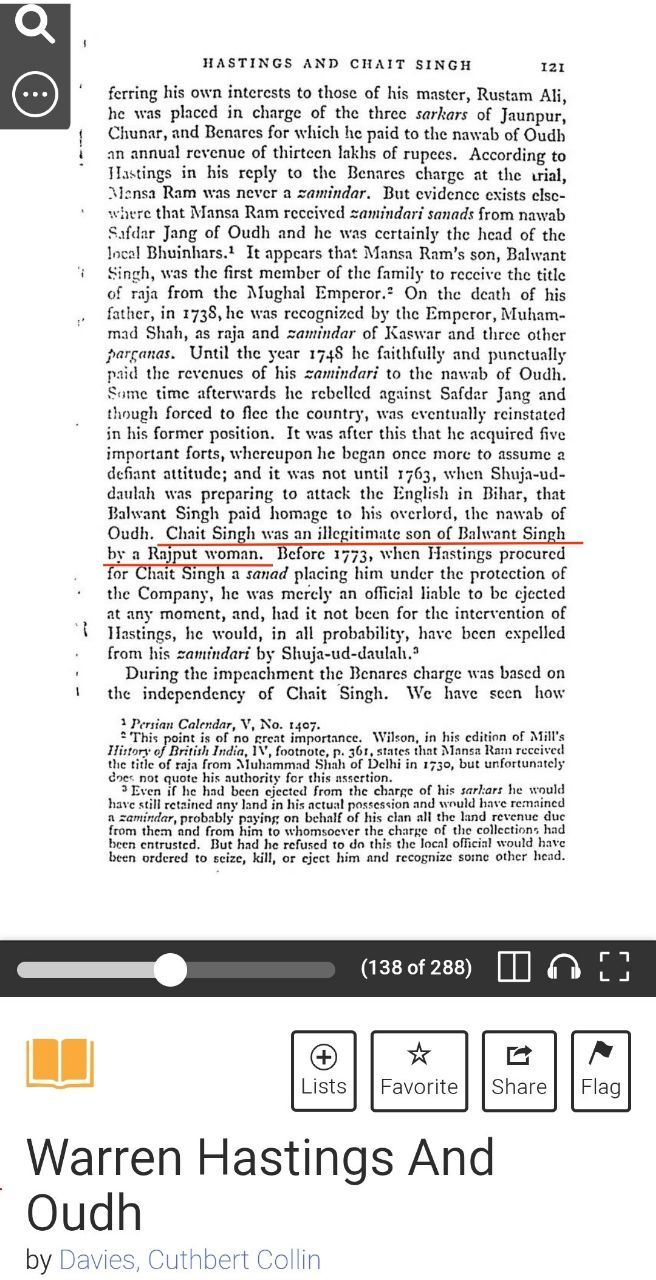
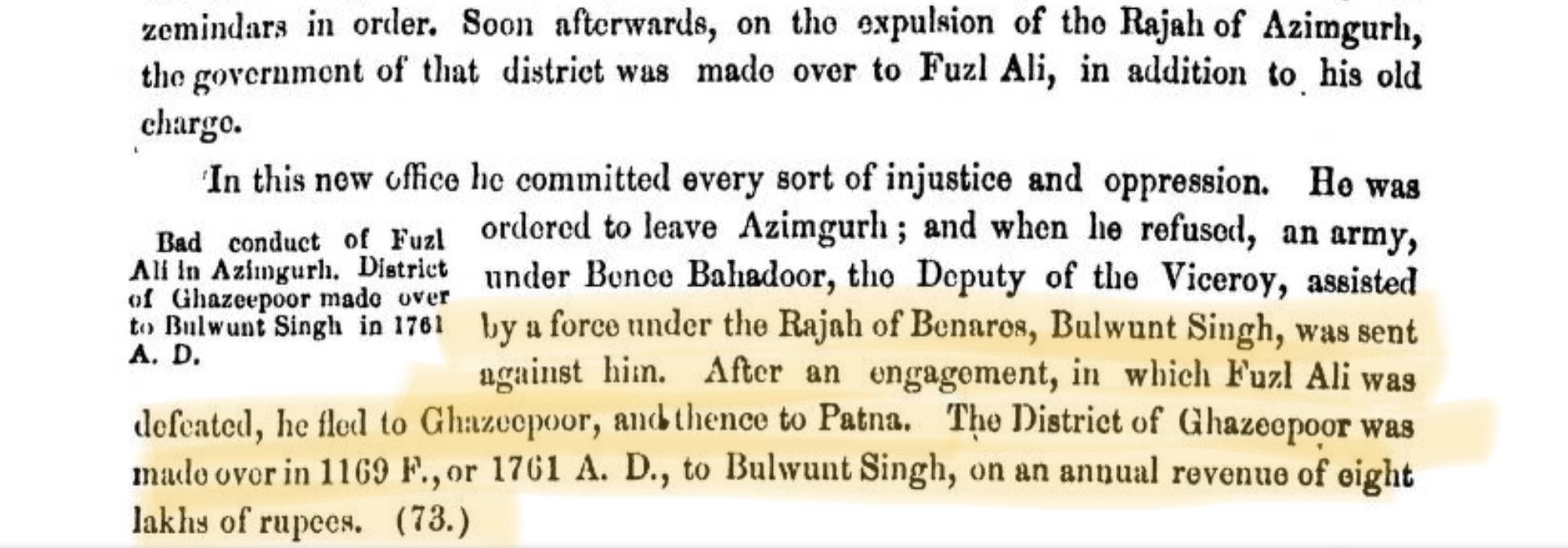
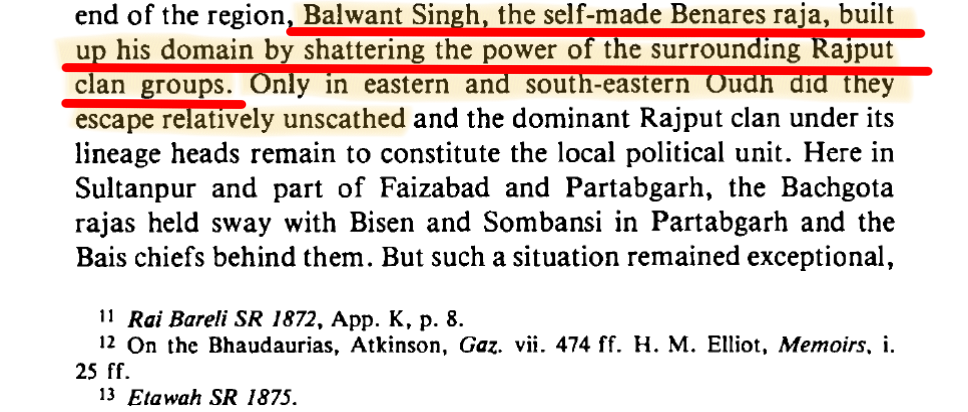
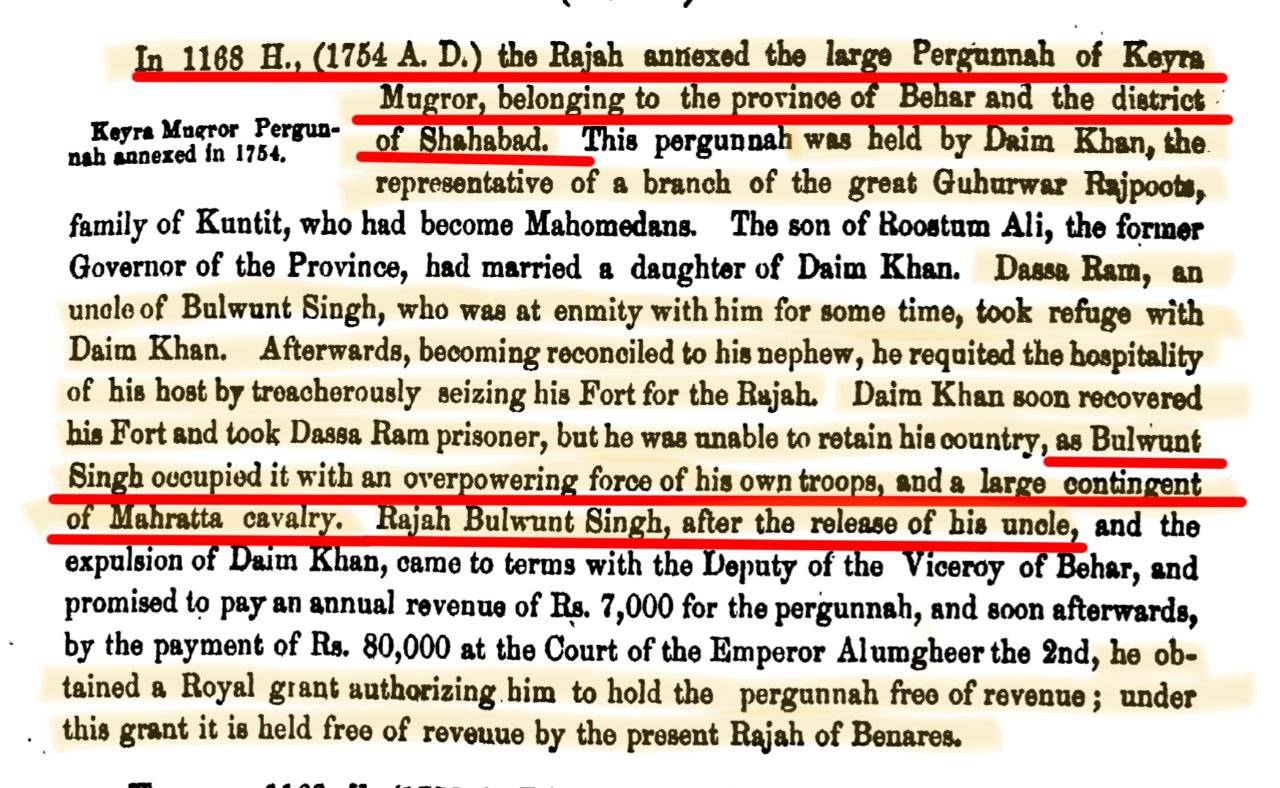
Balwant Singh released his uncle from Daim Khan, with an overpowering force of his own, and a large contingent of MARATHA cavalry, and eventually expelled the Gaharwar Rajput convert Daim Khan. [63] Memoir Of The Ghazeepoor District Pt.1 Go to References
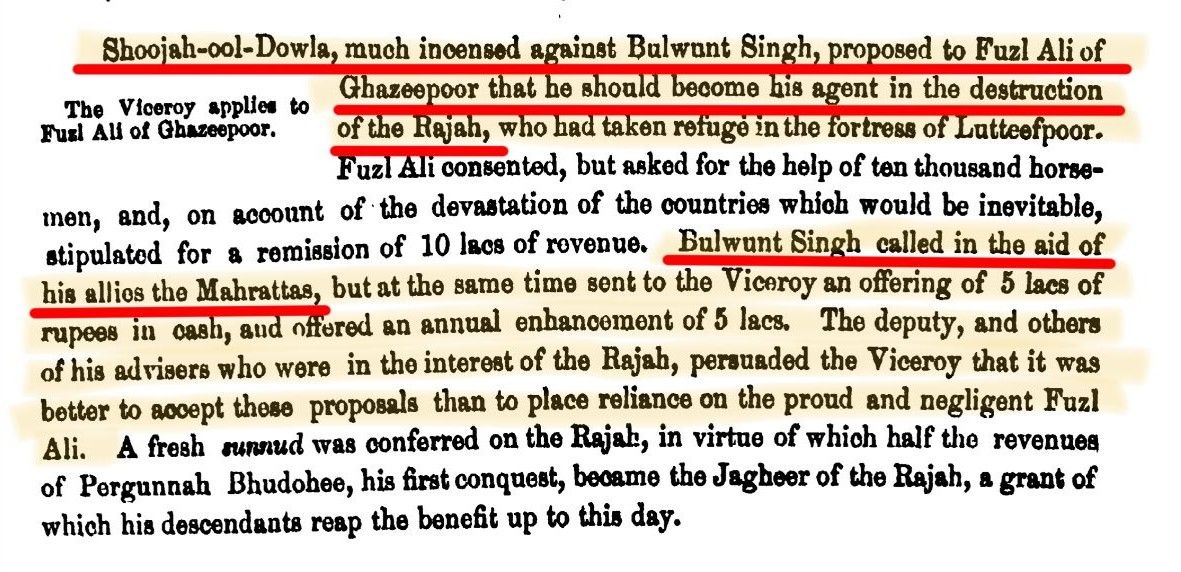
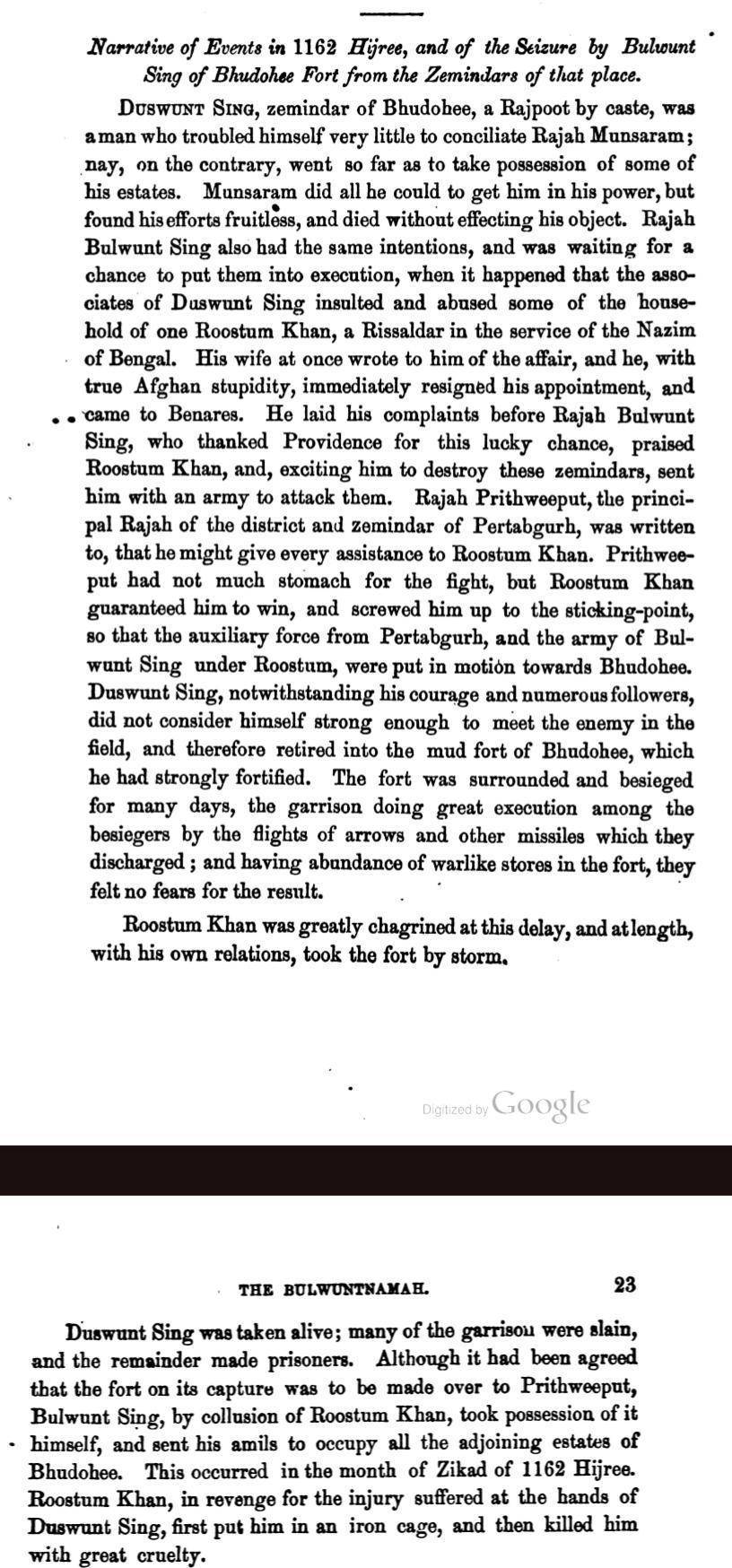
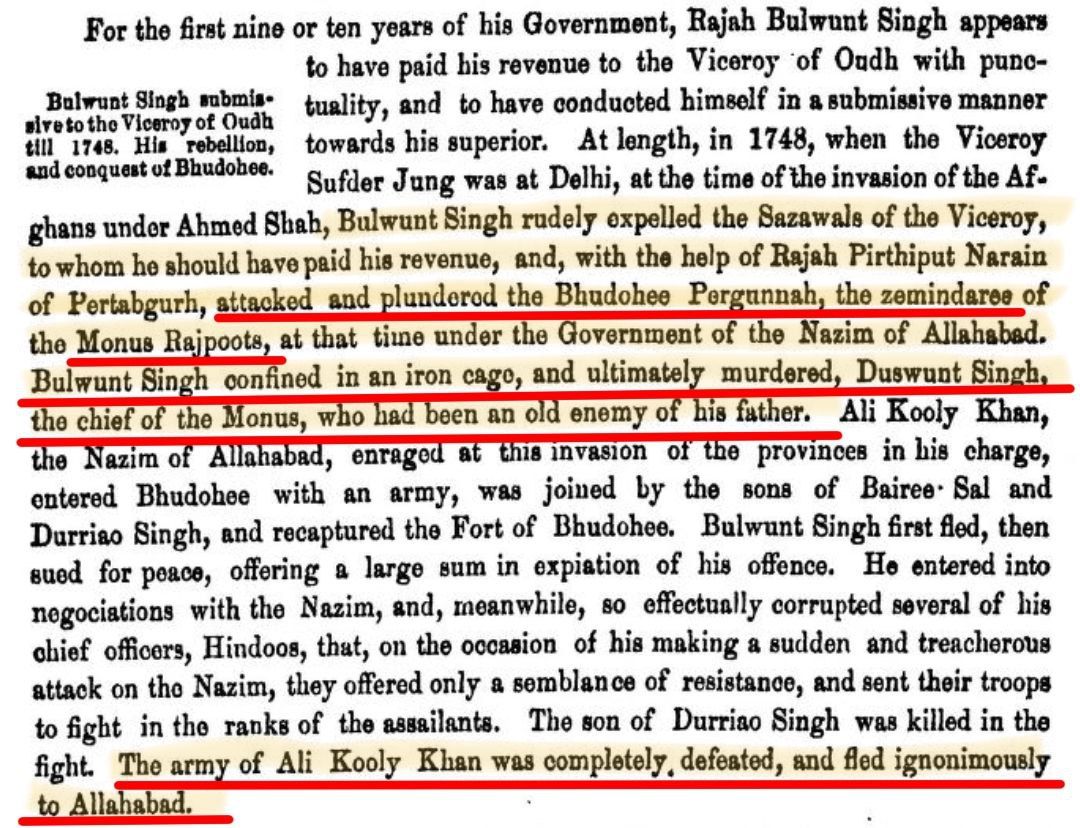
Bhumihar Raja Balwant Singh captured the chief of Monus Rajputs, Duswunt Singh, who was an old enemy of his father Mansa Ram. He confined the chief of Monus Rajputs, Duswunt Singh in a cage, like an animal, and murdered him mercilessly. [63] Memoir Of The Ghazeepoor District Pt.1 Go to References
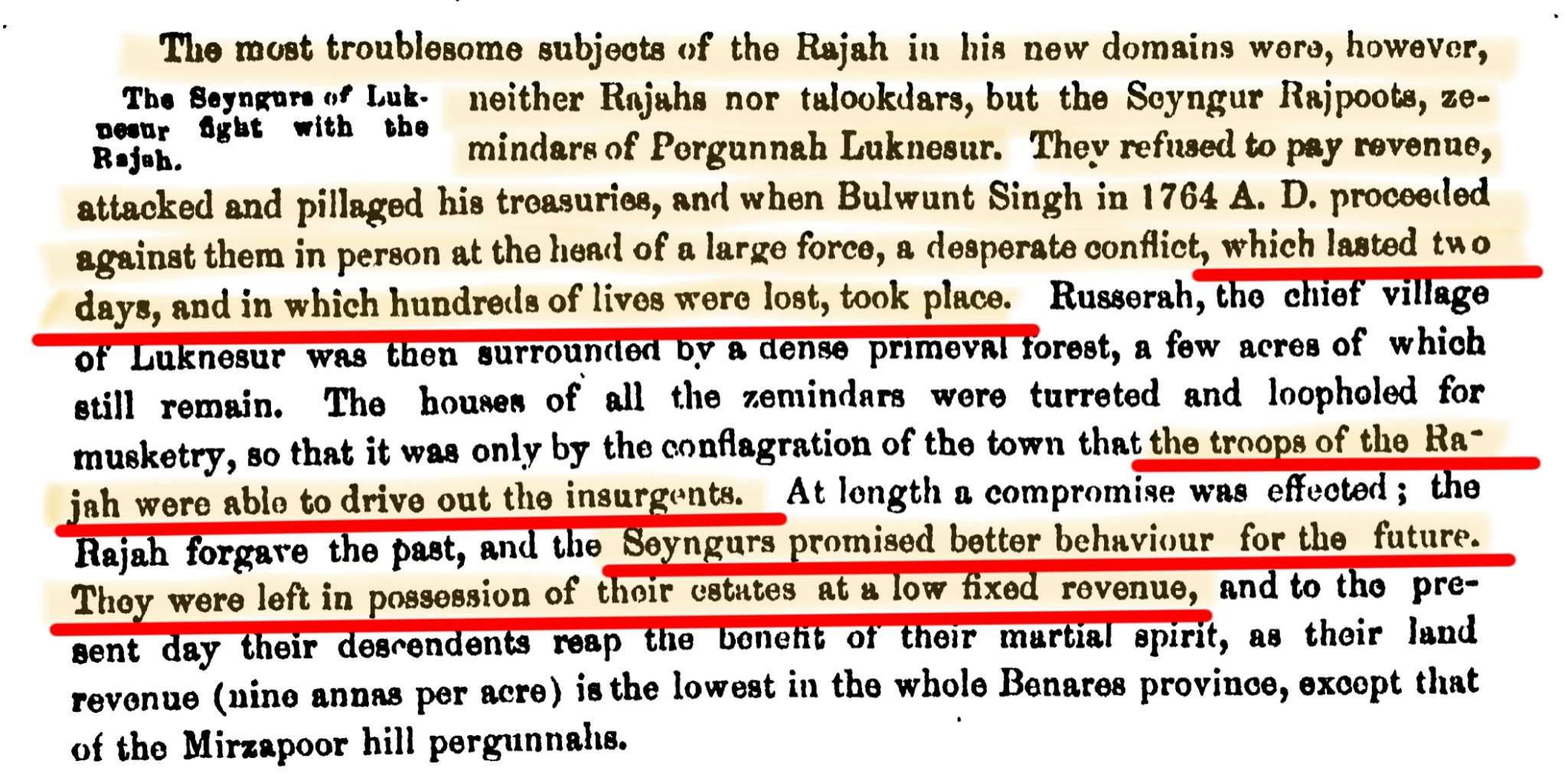
1. Total cleansing of Sengar Rajput insurgents.
2. Sengars promising "Better Behaviour" in the future.
3. Sengars retaining their estates in exchange for finally agreeing to pay revenue (which they weren't paying earlier), although at a lower fixed rate. [63] Memoir Of The Ghazeepoor District Pt.1 Go to References